Infant Eczema: A Complete Medical Overview

Infant eczema usually causes dry, itchy, rough skin and often begins on the cheeks, scalp, body folds or outer arms and legs. A weakened skin barrier and an overactive inflammatory response contribute to eczema; it is not caused by poor hygiene.
Key Takeaways
- Infant eczema usually causes dry, itchy, rough skin and often begins on the cheeks, scalp, body folds or outer arms and legs.
- A weakened skin barrier and an overactive inflammatory response contribute to eczema; it is not caused by poor hygiene.
- Daily use of a fragrance-free moisturizer is a central part of infant eczema care, including during symptom-free periods.
- Short courses of prescribed anti-inflammatory topical treatment may be needed for flares and should be used exactly as directed.
- Crusting, pus, fever, painful skin, spreading redness or a baby who seems unwell require prompt medical assessment.
Infant eczema is a common inflammatory skin condition that causes dry, itchy, sometimes red or weepy patches. It is not contagious, and most babies improve with consistent moisturizing, trigger reduction and clinician-guided treatment when symptoms persist or flare.
What Is Infant Eczema?
Infant eczema, most often called atopic dermatitis, is a long-term tendency for the skin to become dry, inflamed and itchy. It commonly begins in the first months or years of life. Symptoms may come and go: the skin can appear settled for a time and then flare after exposure to irritation, dryness, heat or other individual triggers.
The condition develops because the outer skin barrier does not hold moisture as effectively as it should. This allows the skin to dry out and makes it more sensitive to irritants and inflammation. Infant eczema is not contagious, and it does not mean that a baby is unclean or that a parent has done something wrong.
Many children have milder symptoms as they grow, although some continue to have eczema later in childhood or adulthood. Early, gentle skin care can reduce discomfort, protect the skin barrier and help families recognize when medical treatment is appropriate.
How Infant Eczema May Look and Feel
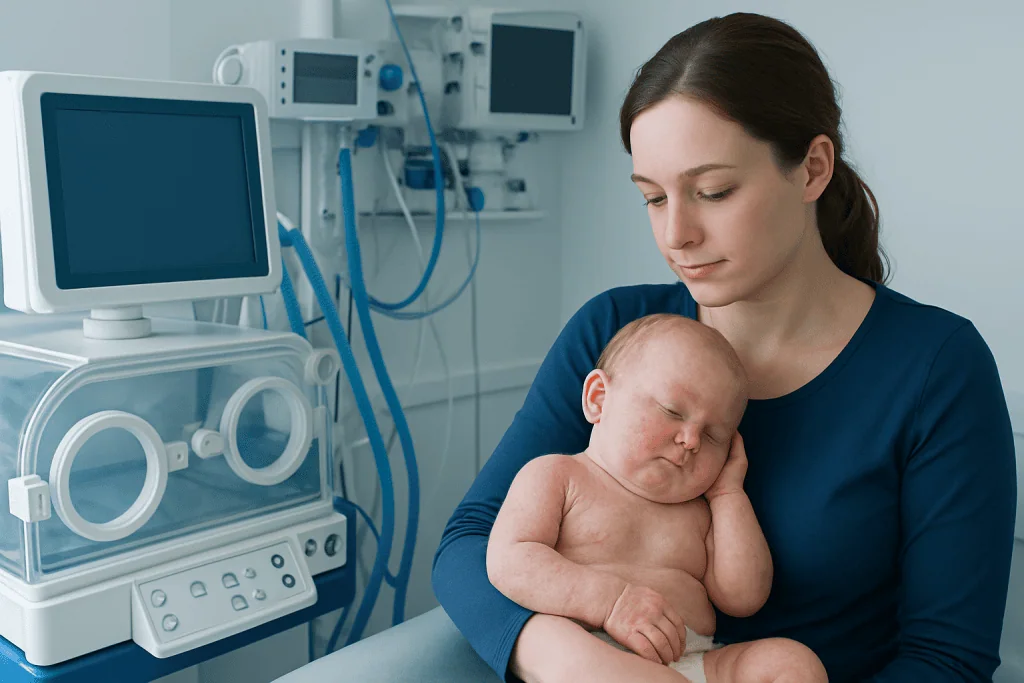
Infant eczema can look different across skin tones. On lighter skin, affected areas may be pink, red or darker red. On deeper skin tones, eczema may appear brown, purple, gray, ashen, darker than the surrounding skin, or feel noticeably rough and thickened. Itch and dryness are often more reliable clues than color alone.
In young babies, eczema often affects the cheeks, forehead, scalp and outer surfaces of the arms and legs. As a child becomes more mobile, it may develop in skin creases such as the elbows, knees, wrists, ankles and neck. The diaper area is often spared because it is relatively moist, although other rashes can occur there.
Common signs include:
- Dry, rough, scaly or flaky patches
- Itching, fussiness or rubbing against bedding and clothing
- Small raised bumps, redness or color changes
- Cracked skin or small areas that ooze during a more severe flare
- Thickened skin after repeated scratching over time
Itching can affect sleep and feeding routines, particularly during flares. Babies cannot explain itch, so increased irritability, rubbing the face or body, or disturbed sleep may be important signs to discuss with a clinician.
Why It Happens and What Can Trigger Flares

Infant eczema has no single cause. It is associated with a combination of inherited skin-barrier differences, immune-system activity and environmental exposures. It is more common in families with a history of eczema, asthma, hay fever or other allergic conditions, but it can also occur without a known family history.
Triggers do not cause eczema in every baby, and they vary from one child to another. Common irritants include fragranced soaps, bubble baths, detergents, fabric softeners, wool or rough fabrics, saliva around the mouth, sweat, overheating, dry air and frequent washing without prompt moisturizing. Viral illnesses and stress on the body can also coincide with flares.
Food allergy can occur alongside eczema in some infants, especially when eczema is moderate to severe or difficult to control. However, food is not the cause of most eczema, and removing foods without medical guidance can affect nutrition. A pediatrician or allergy specialist can advise whether an allergy assessment is needed, particularly if symptoms occur soon after eating, such as hives, vomiting, coughing, wheezing or swelling.
How Doctors Diagnose Infant Eczema
Clinicians usually diagnose infant eczema by examining the skin and asking about the pattern of symptoms, itch, family history, skin-care products and possible triggers. Blood tests and skin tests are not routinely needed to diagnose eczema itself.
The examination also helps distinguish eczema from other infant skin conditions. These may include seborrheic dermatitis, contact dermatitis, fungal infections, scabies, psoriasis or rashes related to infection. A clinician may consider these possibilities when the rash is unusual, begins suddenly, does not respond to appropriate skin care or is associated with fever or illness.
Allergy testing may be considered selectively rather than automatically. It is most useful when there is a clear history suggesting an immediate reaction to a food or another allergen, or when significant eczema remains poorly controlled despite appropriate treatment. Test results should always be interpreted alongside the baby’s symptoms because a positive test alone does not prove that a food causes eczema.
Daily Skin Care That Supports the Skin Barrier
Regular skin-barrier care is the foundation of managing infant eczema. A bland, fragrance-free moisturizer in cream or ointment form should usually be applied generously at least twice daily and whenever the skin appears dry. It is especially helpful to apply it soon after bathing, while the skin is still slightly damp.
Bathing can be brief and gentle. Lukewarm water is generally preferable to hot water, which can worsen dryness and itch. A mild, fragrance-free cleanser can be used only where needed rather than over the whole body every day. After the bath, the skin should be patted dry rather than rubbed, followed by moisturizer within a few minutes.
Helpful practical measures include keeping the baby comfortably cool, choosing soft breathable cotton clothing, washing new clothes before use, and using fragrance-free laundry products. Parents may also keep fingernails short and smooth to limit skin damage from scratching. During sleep, appropriately fitted cotton clothing can provide a soft protective layer.
Families do not need to pursue an extensive list of restrictions. The most useful approach is to make a few low-irritant changes consistently, observe the child’s response and discuss persistent concerns with a qualified healthcare professional.
Medical Treatment Options for Flares
When moisturizing alone does not control inflammation and itch, a clinician may recommend a topical anti-inflammatory medicine. Low-strength topical corticosteroids are commonly used for short periods on active eczema and can be safe and effective when the correct product, amount, site and duration are prescribed for the infant. They should not be used more often or for longer than advised.
Different body areas need different approaches. The face, eyelids, skin folds and diaper region are more sensitive than the trunk or limbs, so parents should ask specifically where a medicine may be applied. A doctor may also recommend a non-steroid anti-inflammatory topical treatment in selected cases, depending on the child’s age, eczema severity and location of affected skin.
If the skin is infected, treatment may include targeted medicine based on the clinical assessment. Antibiotics are not routinely needed for ordinary eczema flares. Oral medicines for itch are not appropriate for every infant and should only be considered under medical guidance.
For persistent, extensive or complex eczema, referral to a pediatric dermatologist or allergy specialist may help clarify triggers and create an individualized treatment plan. Acibadem International’s multidisciplinary specialists and JCI-accredited hospitals diagnose and treat eczema and related skin concerns for international patients.
When to Seek Medical Care
A parent or caregiver should arrange a routine medical review if a baby has a persistent rash, frequent flares, sleep disruption from itch, skin that is not improving with gentle moisturizing, or uncertainty about the diagnosis. A clinician can confirm whether the rash is eczema and explain how to use treatment safely.
Prompt medical advice is important if the eczema becomes painful, rapidly worsens, develops yellow crusting, pus-filled bumps, blisters, increasing warmth or spreading redness. These signs may indicate a skin infection. A baby with eczema and fever, reduced feeding, marked sleepiness, widespread blistering, eye involvement or a generally unwell appearance should be assessed urgently.
Parents should also seek advice before making major dietary changes or using herbal, essential-oil or strongly fragranced products on infant skin. “Natural” products can still irritate delicate skin or trigger contact reactions.
Outlook for Babies and Families
Infant eczema can be frustrating, but it is manageable for many families with a simple, consistent routine. Keeping a brief record of flares, products used, bathing habits and possible irritants may help identify useful patterns without creating unnecessary restrictions.
Symptoms often change as a child grows. Some babies improve substantially in early childhood, while others continue to need periodic skin care and treatment for flares. Even after symptoms settle, continued moisturizing may help maintain the skin barrier and reduce recurrence.
Parents should feel comfortable asking their child’s clinician to demonstrate the amount of moisturizer or prescribed topical medicine to use. Clear instructions and follow-up are especially valuable when eczema affects the face, skin folds, sleep or daily comfort.
Frequently asked questions
Is infant eczema contagious?
No. Infant eczema is not contagious and cannot be passed from one baby or person to another through touch. It reflects inflammation and reduced skin-barrier function rather than an infection.
Can breast milk or formula cause infant eczema?
Eczema is not usually caused by breast milk or formula. Some infants with eczema also have food allergy, but this should be evaluated based on a clear history of reactions and clinical advice. Parents should not stop breast milk, change formula or eliminate foods without consulting a pediatric clinician.
What is the best moisturizer for infant eczema?
A thick, fragrance-free cream or ointment is often more effective than a thin lotion for very dry eczema-prone skin. The best product is one the family can use regularly without stinging or causing irritation. A clinician can recommend suitable options if several products have not helped.
How often should a baby with eczema be bathed?
Many babies with eczema can have brief lukewarm baths regularly, followed immediately by generous moisturizing. The key is avoiding hot water, harsh cleansers and prolonged bathing. Individual advice may differ depending on the severity of eczema and the baby’s skin response.
Are topical steroid creams safe for babies with eczema?
When prescribed appropriately, topical corticosteroids can be a safe and effective treatment for infant eczema flares. The clinician will select the strength and duration based on the baby’s age and the affected body area. Parents should use them only as directed and ask for guidance if symptoms do not improve.
Does infant eczema mean a child will develop asthma or food allergies?
Having eczema can be associated with a higher likelihood of other allergic conditions, but it does not mean a child will definitely develop asthma or food allergies. Regular pediatric care and discussion of any reactions, wheezing or persistent allergy concerns can help guide appropriate evaluation.
References
- American Academy of Dermatology
- American Academy of Pediatrics
- National Institute of Allergy and Infectious Diseases
- National Eczema Association
- National Health Service
This article is for general information only and is not a substitute for professional medical advice. Please consult a qualified doctor about your individual situation.
Eczema in Turkey — costs, top hospitals & a free quote
JCI-accredited · board-certified surgeons · reply within 24h
Add us as a Preferred Source to see more of our trusted health content across Google Search, AI Overviews and Discover.

More from the Health Library

Eucalyptus Oil for Congestion How to Use: What Patients Need to Know

Pickled Turnips — Explained by Medical Evidence, Not Myths

Mais Syrup: An Evidence-Based Guide for Patients

Nimbus COVID — Explained by Medical Evidence, Not Myths

Poison Ivy — Explained by Medical Evidence, Not Myths