

Involuntary Movements: Possible Causes From Medication Side Effects to Neurological Disease

Involuntary movements include tremors, tics, spasms, jerks, dystonia, and other unplanned motions. Causes can include medication side effects, stress, sleep loss, metabolic problems, and neurological disease.
Key Takeaways
- Involuntary movements include tremors, tics, spasms, jerks, dystonia, and other unplanned motions.
- Causes can include medication side effects, stress, sleep loss, metabolic problems, and neurological disease.
- Diagnosis usually starts with a careful history, medication review, and neurological examination.
- Treatment depends on the cause and may involve adjusting medicines, managing triggers, or targeted neurological care.
- Sudden, severe, or one-sided movements should be assessed urgently, especially if they occur with weakness, confusion, or speech changes.
Involuntary movements are body motions that happen without a person intending them. They can range from harmless, short-lived twitches to signs of a treatable medication reaction or an underlying neurological disorder.
Overview of Involuntary Movements
Involuntary movements are movements of the face, arms, legs, or trunk that occur without conscious control. They may be brief or sustained, mild or disruptive, and occasional or frequent. Some feel like small twitches, while others appear as shaking, jerking, twisting, blinking, or repetitive motions.
This symptom is not a diagnosis by itself. Instead, it is a sign that can have many possible explanations. In some people, involuntary movements are related to temporary triggers such as stress, fatigue, caffeine, or certain medications. In others, they may point to a movement disorder or another neurological condition that needs medical assessment.
The pattern of the movement often gives important clues. A fine hand tremor differs from a facial tic, and a sudden muscle jerk differs from sustained muscle twisting. For that reason, doctors usually focus on what the movement looks like, when it happens, what makes it better or worse, and whether other symptoms are present.
Common Types and Symptoms
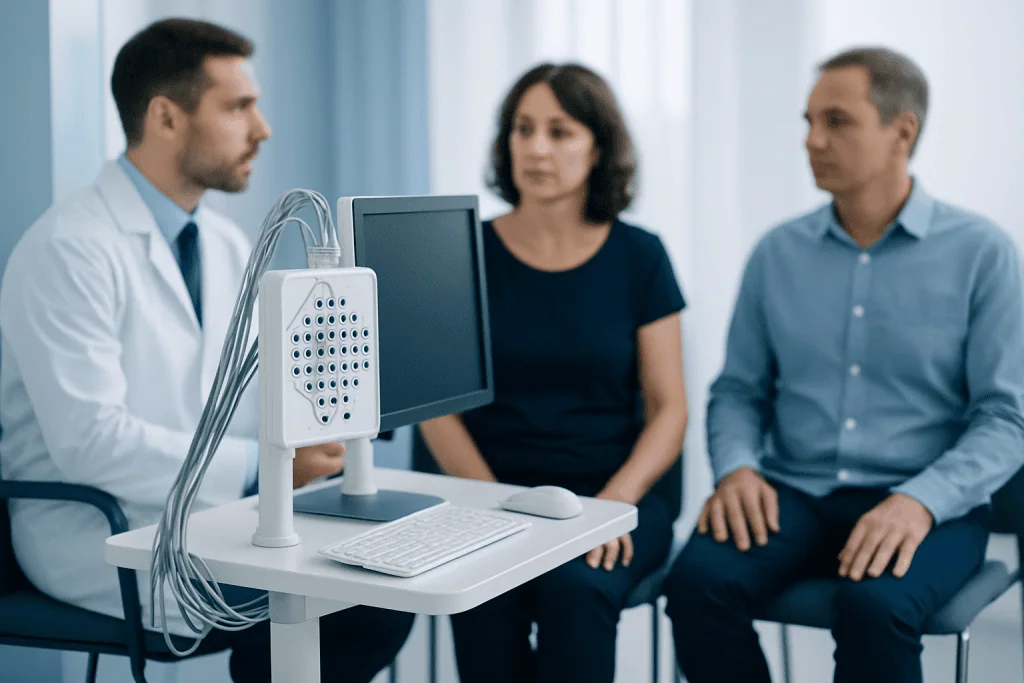
There are several kinds of involuntary movements, and people may experience more than one type. Tremor is a rhythmic shaking movement, often affecting the hands, head, or voice. Tics are sudden, repeated sounds or movements such as blinking, throat clearing, or shoulder shrugging. Myoclonus refers to quick, shock-like jerks of a muscle or group of muscles.
Dystonia causes sustained or intermittent muscle contractions that can lead to twisting, abnormal postures, or repetitive movements. Chorea involves irregular, flowing, dance-like movements that seem to move from one body part to another. Dyskinesia is a broader term often used for writhing or fidgety movements, sometimes linked to long-term use of certain neurological medicines. Spasms and fasciculations may feel like cramping or visible muscle twitching.
Symptoms can vary with activity and time of day. Some movements happen at rest, while others appear when a person holds a posture or tries to use the affected body part. Patients may also notice stiffness, poor balance, slowness, weakness, changes in walking, difficulty writing, pain from muscle contractions, or social embarrassment due to visible symptoms.
- Shaking of the hands, head, or voice
- Eye blinking, facial grimacing, or jaw movements
- Sudden jerks of the arms, legs, or trunk
- Twisting neck or limb postures
- Repetitive throat clearing or vocal sounds
- Movements that worsen with stress, tiredness, or stimulants
Possible Causes and Risk Factors

Involuntary movements can arise from many different causes. Common non-neurological triggers include anxiety, emotional stress, poor sleep, excess caffeine, nicotine, and alcohol withdrawal. Fever, dehydration, and intense physical exhaustion may also make twitching or tremor more noticeable. In some cases, the cause is temporary and improves once the trigger is removed.
Medication side effects are another important possibility. Certain anti-nausea drugs, antipsychotic medicines, stimulants, antidepressants, asthma medicines, and some seizure medications can trigger tremor, restlessness, dystonia, or drug-induced dyskinesia. A careful medication review should include prescription drugs, over-the-counter products, supplements, and recent dose changes. People should not stop a prescribed medicine suddenly unless a doctor advises it.
Medical conditions can also play a role. Thyroid disease, low blood sugar, liver or kidney problems, electrolyte imbalances, vitamin deficiencies, and autoimmune or infectious conditions may contribute. Neurological causes include essential tremor, Parkinsonian disorders, Huntington disease, tic disorders, dystonia, cerebellar disorders, and seizure-related conditions. Some symptoms may overlap with Parkinson's disease or other movement disorders.
Risk factors depend on the underlying cause but may include older age, family history, previous brain injury, stroke, metabolic illness, or long-term use of certain medications. Children and young adults can also develop involuntary movements, especially tics, medication reactions, or inherited conditions. Because the range of causes is broad, a professional evaluation is often the safest way to clarify what is happening.
How Doctors Diagnose Involuntary Movements
Diagnosis begins with a detailed medical history. Doctors usually ask when the movements started, how often they happen, which body parts are involved, and whether they occur at rest or during activity. They also ask about recent illnesses, stress, sleep, caffeine or alcohol intake, family history, and all medications or supplements. Videos recorded safely at home can sometimes help if the movements are intermittent.
A neurological examination is central to diagnosis. The clinician looks at muscle tone, strength, reflexes, coordination, walking, posture, speech, eye movements, and sensation. The goal is to identify the movement type and look for clues pointing to a brain, nerve, or muscle problem. In many cases, the description of the movement is more useful than a single test.
Tests may be used to rule out treatable causes or confirm a suspected disorder. Blood tests can check thyroid function, electrolytes, liver and kidney function, blood sugar, inflammation, or vitamin levels. Depending on the situation, doctors may recommend brain imaging such as MRI, nerve and muscle studies, electroencephalography for seizure-related concerns, or genetic testing when an inherited disorder is possible.
Sometimes diagnosis takes time, especially if symptoms are mild or change over time. Follow-up visits can be important because movement patterns may become clearer later. When symptoms are complex, assessment by a neurologist with expertise in movement disorders may be recommended.
Treatment Options
Treatment depends entirely on the cause. If involuntary movements are related to a medication, the prescribing doctor may adjust the dose, switch to a different medicine, or add treatment to reduce the side effect. If the trigger is lack of sleep, stress, or stimulants, improving these factors may significantly reduce symptoms. When a metabolic problem such as thyroid imbalance or low blood sugar is responsible, treating that condition often helps the movements improve.
For diagnosed movement disorders, treatment may involve medication, rehabilitation, or procedural therapies. For example, tremor, dystonia, or Parkinsonian symptoms may respond to targeted neurological medicines. Physical therapy, occupational therapy, and speech therapy can help with balance, hand use, writing, voice, swallowing, and daily activities. When symptoms are focused in one muscle group, some patients benefit from botulinum toxin injections under specialist guidance.
In selected patients with severe symptoms that do not respond well to standard treatment, advanced options may be considered. These can include deep brain stimulation for certain movement disorders, or other specialist interventions after careful evaluation. Treatment decisions are individualized, based on the diagnosis, symptom severity, age, overall health, and personal goals.
It is helpful for patients to keep a symptom diary noting timing, triggers, and impact on daily life. This can make treatment adjustments more precise. Near the end of the care pathway, some international patients choose centers such as Acibadem International, where multidisciplinary specialists in JCI-accredited hospitals evaluate and treat complex movement symptoms.
Self-care, Prevention, and Living With Symptoms
Not all involuntary movements can be prevented, but practical self-care may reduce symptoms and improve quality of life. Regular sleep, good hydration, steady meals, and moderation with caffeine or alcohol can help some people. Managing stress through relaxation techniques, breathing exercises, or counseling may be useful, especially when symptoms worsen during anxiety or fatigue.
Medication safety is also important. Patients should take medicines exactly as prescribed and should mention any new shaking, restlessness, facial movements, or muscle stiffness promptly. They should also tell every healthcare professional about all prescription medicines, over-the-counter products, and supplements, as combinations can sometimes contribute to movement symptoms.
Daily function can improve with supportive strategies. Examples include using weighted utensils for tremor, choosing stable footwear, arranging the home to reduce fall risk, and pacing tasks when fatigue worsens symptoms. Physiotherapy and occupational therapy can provide tailored exercises and practical tools to support independence.
Emotional support matters as well. Visible movements may affect confidence, school, work, or social activities. Clear information, family understanding, and appropriate medical follow-up often help people feel more in control. Many causes are manageable, even when they are long term.
When to See a Doctor
Medical review is advisable when involuntary movements are new, worsening, persistent, or interfering with daily life. A person should also seek medical care if symptoms begin after starting a new medication or changing a dose. Early assessment may identify a reversible cause and can prevent unnecessary worry.
Urgent assessment is important if involuntary movements appear suddenly with weakness, facial drooping, trouble speaking, severe headache, confusion, fainting, chest pain, or loss of consciousness. These symptoms may suggest a medical emergency such as stroke, seizure, or a serious metabolic problem. Immediate care is also needed if a person has severe muscle rigidity, high fever, or marked agitation after taking medication.
Children, older adults, and people with multiple health conditions may need earlier evaluation because the causes can differ across age groups. Any movement symptom that causes falls, swallowing problems, breathing difficulty, or injury should be assessed promptly. If there is uncertainty, a qualified doctor or neurologist can help decide whether the situation is urgent and what testing is appropriate.
Frequently asked questions
Are involuntary movements always a sign of a serious neurological disease?
No. Involuntary movements can happen for many reasons, including stress, fatigue, caffeine, medication side effects, or temporary metabolic changes. However, persistent, worsening, or unexplained symptoms should be assessed by a doctor to rule out a neurological disorder or another treatable cause.
Which medications can cause involuntary movements?
Several types of medicines may contribute, including some antipsychotics, antidepressants, stimulants, anti-nausea drugs, asthma medicines, and certain antiseizure medications. Risk depends on the specific drug, dose, and the individual person. A doctor should review all prescription and nonprescription products before any changes are made.
What is the difference between tremor, tic, and dystonia?
A tremor is a rhythmic shaking movement, often affecting the hands or head. A tic is a sudden, repeated movement or sound, such as blinking or throat clearing, that may be briefly suppressible. Dystonia involves sustained or intermittent muscle contractions that can cause twisting movements or abnormal postures.
How are involuntary movements diagnosed?
Doctors usually diagnose them through a detailed history and neurological examination, with close attention to the pattern of movement. Blood tests, brain imaging, or other studies may be used to look for underlying causes or confirm a suspected condition. In some cases, follow-up over time helps make the diagnosis clearer.
Can involuntary movements go away on their own?
Sometimes they can, especially if they are triggered by stress, lack of sleep, stimulants, or a reversible medication effect. In other cases, they may persist and require treatment directed at the underlying condition. It is best to seek medical advice if symptoms are new, frequent, or bothersome.
When should involuntary movements be treated urgently?
Urgent care is needed when the movements start suddenly with symptoms such as weakness, speech difficulty, confusion, loss of consciousness, or severe headache. Immediate medical attention is also important if there is high fever, marked stiffness, severe agitation, or breathing difficulty. These features can indicate a medical emergency.
References
- National Institute of Neurological Disorders and Stroke
- National Health Service
- Mayo Clinic
- Merck Manual Consumer Version
- World Health Organization
This article is for general information only and is not a substitute for professional medical advice. Please consult a qualified doctor about your individual situation.
Explore treatments in Turkey — costs, top hospitals & a free quote
JCI-accredited · board-certified surgeons · reply within 24h
Add us as a Preferred Source to see more of our trusted health content across Google Search, AI Overviews and Discover.

Neurology
Diagnosis and treatment of disorders of the brain, spinal cord, nerves and muscles.
51 specialists in this unitMore from the Health Library



Related Specialists

Prof. Dr. Turgay Çelikel
Internal Medicine
Assoc. Prof. Dr. Bahar Temur
Cardiovascular Surgery
Prof. Dr. Recep Kurnaz
Orthopedic Surgery & Traumatology
Prof. Dr. Ali Rıza Kural
Urology