Keloidin — Explained by Medical Evidence, Not Myths

Keloidin is a type of raised scar that grows beyond the original wound boundary. It can appear after acne, piercings, surgery, burns, cuts, or even minor skin injury.
Key Takeaways
- Keloidin is a type of raised scar that grows beyond the original wound boundary.
- It can appear after acne, piercings, surgery, burns, cuts, or even minor skin injury.
- Diagnosis is usually based on a skin examination, though testing may be needed if the diagnosis is uncertain.
- Treatment may reduce size and symptoms, but keloids can return after therapy.
- Early wound care and avoiding unnecessary skin trauma may help lower risk in people prone to keloids.
Keloidin refers to a keloid scar: an overgrowth of scar tissue that extends beyond the edges of the original skin injury. It is not dangerous in most cases, but it can cause discomfort, itching, cosmetic concerns, and sometimes restricted movement depending on its location.
What keloidin means
Keloidin is another term used for a keloid, a type of scar that forms when the skin produces too much collagen during healing. Unlike a typical scar, a keloid grows beyond the borders of the original injury. It may continue enlarging for weeks, months, or even longer after the skin has closed.
Keloids are benign, meaning they are not cancer. Even so, they can be bothersome because they may itch, feel tender, become firm, or look noticeably different from surrounding skin. For some people, the main concern is appearance; for others, the scar can affect comfort, clothing choices, or movement if it forms near a joint.
This condition is different from a hypertrophic scar. A hypertrophic scar is also raised, but it stays within the original wound edges. Keloids extend outward into nearby healthy skin, which is one of the main features doctors use to distinguish them.
How keloidin looks and feels
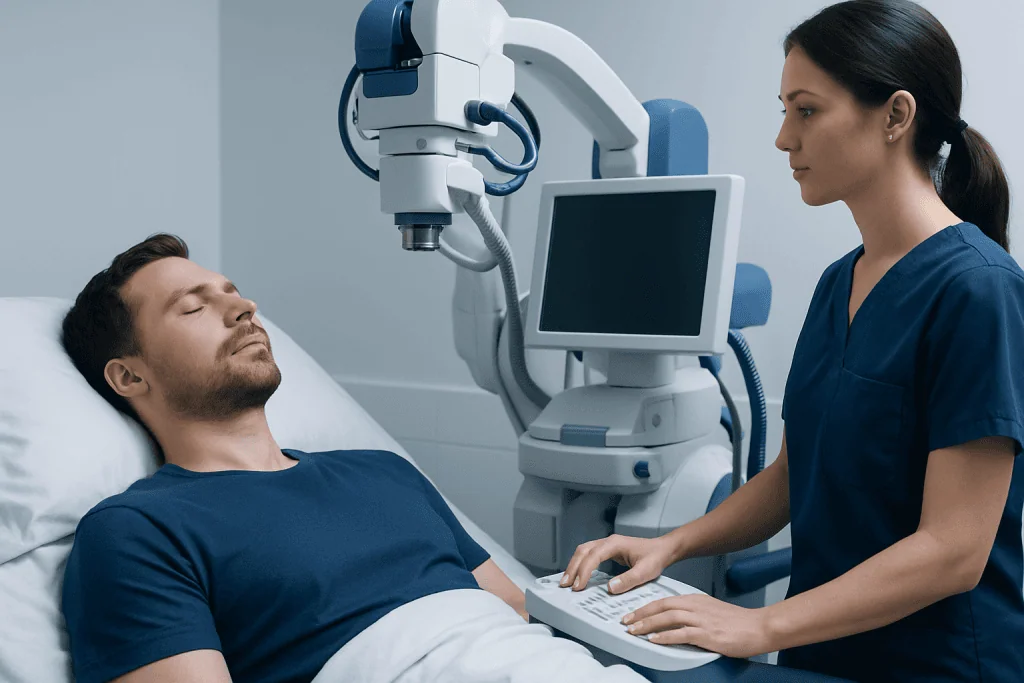
Keloids can vary in color, shape, and size. They may appear pink, red, brown, or darker than the surrounding skin, depending on skin tone and the scar’s age. Early keloids may look shiny and feel softer, while older ones often become thicker and firmer.
Common symptoms include itching, tenderness, a burning sensation, or occasional pain. Some people notice that the area becomes irritated by friction from clothing, jewelry, or shaving. In other cases, the scar causes no physical symptoms and is mainly a cosmetic concern.
Keloids often develop on the chest, shoulders, upper back, earlobes, jawline, and neck. They can also occur after acne or inflamed skin on the face or torso. If they form near a joint, they may make movement uncomfortable because the skin feels tight.
- Raised, thickened scar tissue
- Growth beyond the original wound edges
- Itching or tenderness
- Shiny, smooth, or rubbery texture
- Color change compared with nearby skin
Why keloids form and who is at higher risk

Keloids form because the body’s normal wound-healing response becomes overactive. After an injury, the skin makes collagen to repair itself. In keloid-prone skin, this repair process continues more than needed, leading to an overgrowth of scar tissue. This is a healing disorder rather than a hygiene problem, and it does not mean a wound was necessarily poorly cared for.
Many different triggers can lead to keloidin. These include surgical incisions, burns, cuts, vaccinations, piercings, tattoos, insect bites, and acne. Sometimes the injury is so minor that the person barely notices it. The earlobes are a classic site after piercing, while the chest and shoulders are common after acne or surgery.
Some people are more likely to develop keloids than others. Family history increases risk, suggesting a genetic tendency. Keloids are also more common in people with darker skin tones and often begin between adolescence and middle adulthood. If a person has had one keloid before, they are more likely to develop another after future skin trauma.
How doctors diagnose keloidin
Diagnosis usually begins with a medical history and a close skin examination. A doctor will ask when the scar appeared, whether it followed an injury or procedure, whether it has been growing, and if it causes symptoms such as itching or pain. The shape and behavior of the scar often provide the clearest clues.
In many cases, no special test is needed. However, if the appearance is unusual, changing quickly, ulcerated, or not clearly related to prior skin injury, a dermatologist may recommend a skin biopsy. This helps rule out other conditions that can mimic a keloid, including hypertrophic scars and, rarely, certain skin tumors.
Assessment also focuses on function and quality of life. A scar on the ear may mainly affect appearance, while one on the chest may rub against clothing and one near a shoulder or knee may limit movement. When symptoms are significant or the diagnosis is uncertain, evaluation by a specialist in dermatology is often helpful.
Treatment options supported by medical evidence
Treatment is individualized because no single approach works for every keloid. The goals are to flatten the scar, reduce symptoms, improve appearance, and lower the chance of recurrence. Doctors may recommend treatment when the keloid is growing, uncomfortable, functionally limiting, or causing emotional distress.
One of the most commonly used treatments is injection of corticosteroid medicine directly into the scar. These injections may soften and flatten the keloid over time and can also ease itching or pain. Other options include silicone gel sheets or topical silicone, pressure therapy in selected cases, cryotherapy for smaller lesions, laser treatment to improve thickness or color, and carefully chosen surgery.
Surgery alone is usually not the first choice, because keloids can grow back and may return larger after removal. For that reason, surgery is often combined with other treatments such as injections, silicone therapy, or other scar-control methods. Depending on the scar’s location and features, a specialist may suggest dermatology treatment or, for selected complex scars, assessment by plastic and reconstructive surgery.
When keloids arise after severe acne or alongside ongoing inflammatory skin disease, treating the underlying skin problem matters as well. This can help reduce new scars from forming. In broader scar-management planning, clinicians may also evaluate related conditions such as skin diseases that increase inflammation or repeated injury.
Prevention and self-care for people prone to keloids
People who know they are prone to keloids can take practical steps to reduce risk, although prevention is not always possible. The main principle is to minimize unnecessary skin trauma. That may mean thinking carefully about elective piercings, tattoos, or cosmetic procedures if keloids have developed before.
Good wound care is important for any skin injury. Keeping the area clean, following a clinician’s instructions, and avoiding picking, rubbing, or scratching may support healthier healing. If acne is active, early treatment may lower the chance of deeper inflammation that can leave lasting scars.
After some procedures, a doctor may recommend silicone gel or silicone sheets once the skin has healed enough for them to be used safely. In higher-risk situations, follow-up visits allow early signs of raised scarring to be treated before the keloid becomes more established. Self-treatment with harsh remedies, repeated friction, or unproven internet methods is best avoided, as these may worsen irritation.
When to seek medical care
Medical review is a good idea if a scar is continuing to grow, extending beyond the original wound, or causing itching, pain, or tightness. A doctor should also assess any scar that bleeds, ulcerates, changes rapidly, or appears without a clear reason, because not every raised skin lesion is a keloid.
Care is especially important when the scar affects daily activities, sleep, or confidence, or when it forms near the eyes, mouth, or joints. Prompt evaluation can help confirm the diagnosis and discuss options before the scar becomes larger and harder to manage.
For international patients who need specialist evaluation, Acibadem International’s multidisciplinary specialists and JCI-accredited hospitals diagnose and treat keloid-related skin concerns with personalized care planning. The most suitable treatment depends on the scar’s size, location, prior treatment history, and the person’s tendency to form new keloids.
Frequently asked questions
Is keloidin the same as a normal scar?
No. Keloidin refers to a keloid scar, which grows beyond the edges of the original skin injury. A normal scar usually stays within the wound area and may fade more over time.
Can keloids go away on their own?
Keloids do not usually disappear completely without treatment. Some may become less active or less noticeable with time, but many remain raised. Treatment may improve symptoms and appearance, although recurrence is possible.
Are keloids dangerous or cancerous?
Keloids are benign and are not a form of cancer. However, they can still cause itching, pain, tightness, or distress about appearance. A doctor should assess any unusual or changing skin growth to confirm the diagnosis.
What is the best treatment for keloidin?
There is no single best treatment for everyone. Common options include steroid injections, silicone therapy, cryotherapy, laser treatment, and sometimes surgery combined with other measures. The best plan depends on the scar’s size, location, and prior treatment history.
Can ear piercings cause keloids?
Yes. Ear piercings, especially on the earlobes, are a well-known trigger in people who are prone to keloids. Anyone with a personal or family history of keloids may want to discuss this risk before getting a piercing.
How can someone prevent a keloid after surgery or injury?
Risk cannot be eliminated completely, but careful wound care and early follow-up may help. Doctors may recommend silicone products or other preventive measures in people known to form keloids. Avoiding unnecessary skin trauma is also important.
References
- American Academy of Dermatology
- National Health Service
- MedlinePlus
- Mayo Clinic
- DermNet
This article is for general information only and is not a substitute for professional medical advice. Please consult a qualified doctor about your individual situation.
Oncology care in Turkey — second opinion and treatment plan
JCI-accredited · board-certified surgeons · reply within 24h
Add us as a Preferred Source to see more of our trusted health content across Google Search, AI Overviews and Discover.