Knee Arthroscopy: Who May Benefit and What Happens During the Procedure
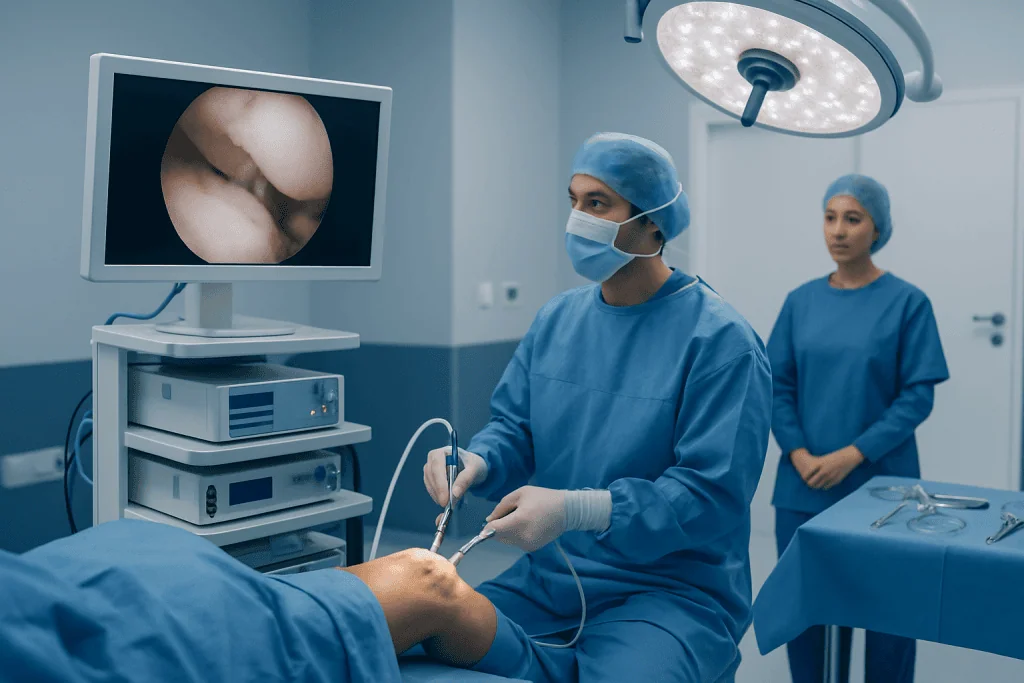
Knee arthroscopy uses a small camera and tiny surgical tools inserted through small incisions around the knee. It can help diagnose and treat problems such as meniscus tears, loose bodies, cartilage damage, and some ligament-related injuries.
Key Takeaways
- Knee arthroscopy uses a small camera and tiny surgical tools inserted through small incisions around the knee.
- It can help diagnose and treat problems such as meniscus tears, loose bodies, cartilage damage, and some ligament-related injuries.
- Not every knee problem is best treated with arthroscopy; the decision depends on symptoms, imaging, physical examination, and response to conservative treatment.
- Recovery time varies based on what is done during the procedure, the person’s general health, and rehabilitation needs.
- Physical therapy, wound care, and following activity restrictions are important parts of recovery.
Knee arthroscopy is a minimally invasive procedure that allows doctors to look inside the knee joint and treat selected problems using small instruments. It may help people with symptoms such as pain, locking, swelling, or injury when non-surgical care has not provided enough relief.
Overview of Knee Arthroscopy
Knee arthroscopy is a surgical procedure used to examine and treat problems inside the knee joint. During the procedure, the surgeon inserts a thin camera called an arthroscope through a small incision. The camera sends images to a screen, allowing the surgeon to see the structures inside the knee clearly and use small instruments through other tiny incisions if treatment is needed.
Because it is performed through small openings rather than a large incision, knee arthroscopy is considered minimally invasive. In many cases, this approach can reduce tissue disruption, shorten hospital stay, and support a smoother recovery compared with traditional open surgery. However, it is still a real surgical procedure and requires careful planning, anesthesia, and follow-up care.
Knee arthroscopy may be used for both diagnosis and treatment. It can help confirm the cause of persistent knee symptoms when examinations and imaging do not provide the full picture, and it can also be used to treat specific conditions in the same session. Common reasons include meniscus tears, loose pieces of cartilage or bone, inflammation of the joint lining, and certain injuries related to the kneecap or ligaments.
Who May Benefit From Knee Arthroscopy
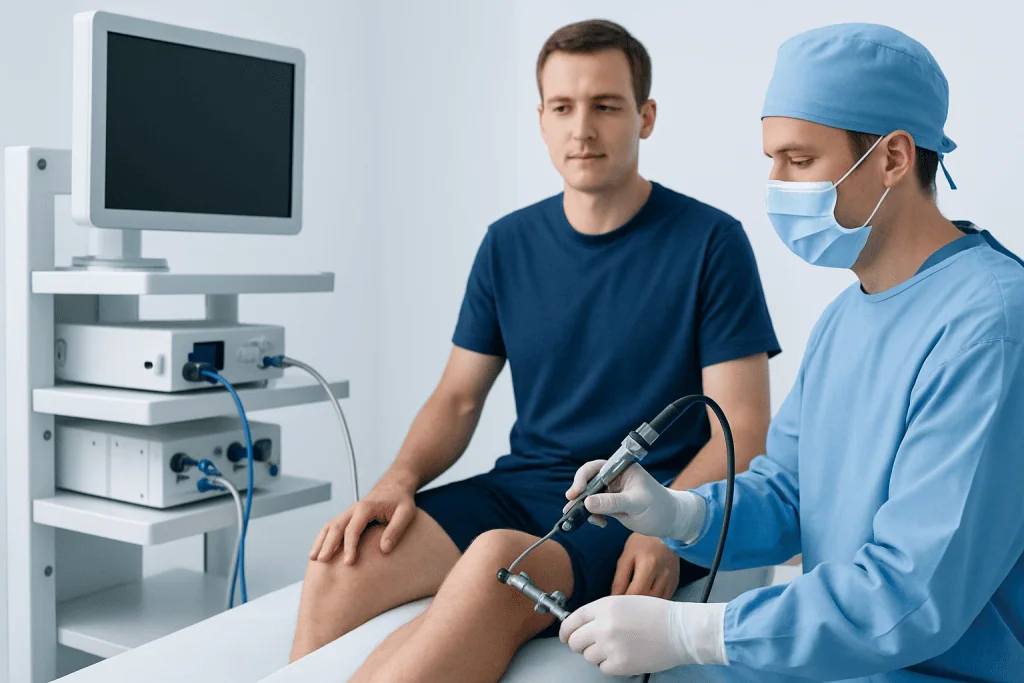
Knee arthroscopy may benefit people who have ongoing knee symptoms that interfere with walking, exercise, work, or daily activities. Typical symptoms include pain, swelling, catching, locking, instability, or reduced range of motion. It is often considered when rest, medication, activity modification, bracing, or physical therapy have not brought enough improvement.
Some of the most common conditions treated arthroscopically include meniscus tears, loose bodies within the joint, inflamed synovial tissue, and certain types of cartilage injury. It may also be used as part of the evaluation or treatment of ligament injuries, including some cases related to ACL tears. In selected situations, surgeons may combine arthroscopy with procedures such as knee surgery planning or ligament repair techniques.
At the same time, not every knee problem improves with arthroscopy. For example, knee pain caused mainly by advanced osteoarthritis may be better managed with exercise, weight management, medication, injections, or, in some cases, knee replacement. The most suitable treatment depends on the exact cause of symptoms, the person’s age and activity goals, imaging findings, and overall joint health.
A careful orthopedic assessment helps determine whether knee arthroscopy is likely to be useful. The goal is not simply to perform a procedure, but to choose the treatment most likely to improve function and quality of life safely.
What Happens Before and During the Procedure
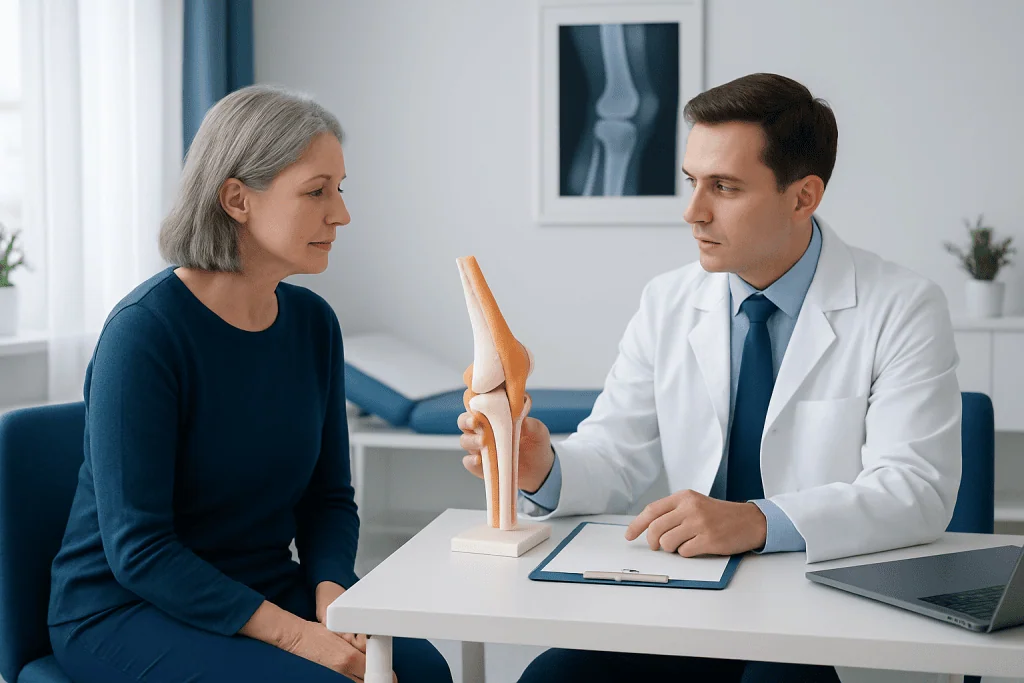
Before knee arthroscopy, the patient usually has a clinical examination and may need imaging studies such as X-rays or MRI. The doctor reviews symptoms, previous treatments, general medical history, medications, and any conditions that may affect surgery or anesthesia. Instructions may include when to stop eating or drinking, how to manage regular medicines, and what to bring on the day of surgery.
Anesthesia may be local, regional, or general depending on the procedure, the patient’s health, and the surgeon’s and anesthesiologist’s recommendations. Once the area is prepared, the surgeon makes small incisions around the knee. Sterile fluid is often used to gently expand the joint, improving visibility.
The arthroscope is inserted through one incision, and specialized instruments are placed through others. If a problem is found, the surgeon may trim or repair a torn meniscus, remove loose fragments, smooth damaged cartilage, or treat inflamed tissue. In some cases, arthroscopy is used together with ligament-related procedures such as ACL surgery when clinically appropriate.
At the end of the procedure, the instruments are removed and the incisions are closed with sutures, strips, or dressings. Many patients go home the same day, although this depends on the extent of surgery and the patient’s overall condition.
Conditions Commonly Treated With Knee Arthroscopy
Knee arthroscopy is often used for meniscus injuries. The meniscus is a C-shaped piece of cartilage that helps cushion and stabilize the knee. A torn meniscus can cause pain, swelling, or a catching sensation. Depending on the type and location of the tear, the surgeon may trim the damaged part or repair it to preserve as much healthy tissue as possible.
Another common reason is the presence of loose bodies, which are small fragments of cartilage or bone floating within the joint. These can interfere with smooth movement and may lead to locking or sudden sharp pain. Arthroscopy allows the surgeon to locate and remove them through small incisions.
The procedure may also help manage cartilage damage, inflammation of the synovium, or issues involving the kneecap’s tracking. In selected patients, it is part of the care plan for sports injuries and can complement evaluation of conditions such as meniscus tears or persistent knee pain. If more complex repair is needed, the surgeon may recommend other orthopedic procedures, including robotic-assisted knee replacement in people with severe joint degeneration rather than isolated mechanical symptoms.
Although arthroscopy is versatile, it is not the best answer for every kind of knee pain. A doctor considers the full clinical picture before recommending it, especially when symptoms are due to widespread arthritis rather than a specific treatable problem inside the joint.
Recovery and Rehabilitation
Recovery after knee arthroscopy depends on what was done during the operation. A simple diagnostic procedure or removal of a loose fragment may allow a relatively quick return to normal routines, while meniscus repair or ligament-related treatment often requires a longer period of protection and structured rehabilitation.
In the first days after surgery, patients are usually advised to rest, elevate the leg, use ice as instructed, and keep the dressings clean and dry. Mild swelling and discomfort are common. The doctor may recommend pain control, crutches for a short time, and gradual return to weight-bearing based on the exact procedure.
Physical therapy is often an important part of healing. Exercises can help restore knee motion, strengthen surrounding muscles, and improve balance and joint control. Following the rehabilitation plan closely may reduce stiffness and support safer return to walking, work, or sports.
Recovery timelines vary widely. Some people feel better within days to weeks, while others need several months to regain confidence and full function. Returning to sports too early can raise the risk of reinjury, so it is important to follow the surgeon’s guidance rather than comparing progress with others.
Risks, Limitations, and Possible Complications
Knee arthroscopy is generally safe, but like all surgical procedures it carries some risks. Possible complications include infection, bleeding, blood clots, nerve or blood vessel injury, stiffness, swelling, and ongoing pain. Reactions related to anesthesia are also possible, though the care team takes steps to reduce these risks.
It is also important to understand the limitations of the procedure. Arthroscopy can be very helpful for certain mechanical knee problems, but it may not fully relieve symptoms when pain is caused mainly by advanced arthritis, widespread cartilage loss, or conditions outside the joint itself. In these situations, other treatment approaches may be more effective.
Sometimes the final decision about what treatment is performed is made during the procedure itself, based on what the surgeon sees inside the knee. Even when surgery goes well, outcomes depend on factors such as the type of knee damage, overall health, smoking status, weight-bearing demands, and commitment to rehabilitation.
A clear discussion with the orthopedic surgeon helps patients understand the expected benefits, alternatives, and realistic recovery goals. This informed approach supports better shared decision-making and reduces uncertainty before surgery.
When to See a Doctor and Questions to Ask
A person should consider medical evaluation for knee symptoms that do not improve, keep returning, or limit normal activities. Prompt attention is especially important after an injury that causes significant swelling, difficulty bearing weight, a popping sensation, the knee giving way, or inability to fully straighten or bend the joint.
It is also wise to seek care if the knee repeatedly locks, feels unstable, or becomes increasingly painful despite rest and self-care. A doctor may recommend examination, imaging, and non-surgical treatment first. If symptoms continue or there is a treatable structural problem, knee arthroscopy may be discussed as one option.
Helpful questions to ask include what problem is suspected, whether surgery is necessary, what alternatives exist, what will be done during the procedure, and how long recovery may take. Patients may also ask about driving, work, sports, physical therapy, and warning signs after surgery that should prompt urgent medical advice.
Near the end of the care journey, some patients choose treatment at specialized international centers. Acibadem International’s multidisciplinary orthopedic specialists and JCI-accredited hospitals diagnose and treat knee conditions for international patients, with treatment plans tailored to the individual’s diagnosis and recovery goals.
Frequently asked questions
Is knee arthroscopy a major surgery?
Knee arthroscopy is considered minimally invasive surgery because it uses small incisions and a camera to access the joint. Even so, it is still a surgical procedure that involves anesthesia, recovery, and potential risks, so careful evaluation is important.
How long does knee arthroscopy take?
The procedure often takes less than an hour, but the total time at the hospital or surgical center is longer because of preparation and recovery after anesthesia. The exact length depends on what the surgeon needs to do inside the knee.
How painful is recovery after knee arthroscopy?
Many people have mild to moderate discomfort, swelling, and stiffness in the first days after surgery. Symptoms usually improve with rest, ice, prescribed pain relief, and following the recovery plan given by the care team.
When can someone walk after knee arthroscopy?
Some patients can put weight on the leg soon after a simple arthroscopy, while others need crutches or restricted weight-bearing for longer. The timeline depends on whether the procedure was diagnostic only or included repairs such as meniscus or ligament treatment.
Will knee arthroscopy cure arthritis?
Knee arthroscopy does not cure arthritis. It may help selected symptoms caused by specific mechanical problems in the joint, but widespread arthritis often needs other treatments such as exercise, medication, injections, or joint replacement.
How soon can sports or exercise resume?
Return to exercise depends on the condition treated and the type of surgery performed. Light activity may begin relatively early in some cases, but higher-impact sports usually require medical clearance and a more complete rehabilitation period.
References
- American Academy of Orthopaedic Surgeons
- National Institute for Health and Care Excellence
- MedlinePlus
- Mayo Clinic
- OrthoInfo
This article is for general information only and is not a substitute for professional medical advice. Please consult a qualified doctor about your individual situation.
Arthroscopy in Turkey — costs, top hospitals & a free quote
JCI-accredited · board-certified surgeons · reply within 24h
Add us as a Preferred Source to see more of our trusted health content across Google Search, AI Overviews and Discover.

Orthopedics & Spine
Care for bones, joints and the musculoskeletal system, including joint replacement, sports injuries and trauma.
125 specialists in this unit