Knee Doctor Near Me: When Knee Pain Needs Specialist Care

A knee specialist can help when pain is severe, persistent, or follows an injury. Swelling, locking, giving way, redness, or trouble bearing weight are important warning signs.
Key Takeaways
- A knee specialist can help when pain is severe, persistent, or follows an injury.
- Swelling, locking, giving way, redness, or trouble bearing weight are important warning signs.
- Diagnosis may include a physical exam, X-rays, MRI, ultrasound, or lab tests depending on the cause.
- Many knee problems improve with rest, physiotherapy, medication, and lifestyle changes before surgery is considered.
- Early evaluation can help prevent ongoing pain, loss of mobility, and further joint damage.
Knee pain is common, but not every ache needs specialist care. Knowing when to see a knee doctor can help a person get the right diagnosis, start treatment sooner, and protect long-term joint function.
Overview: What a Knee Doctor Does
When someone searches for a “knee doctor near me,” they are usually looking for expert help with knee pain, swelling, stiffness, weakness, or injury. A knee doctor is often an orthopedic specialist, sports medicine physician, or rehabilitation expert with experience in diagnosing and treating problems that affect the knee joint. The goal is not only to relieve symptoms, but also to identify the cause and restore safe movement.
The knee is a complex joint made up of bones, cartilage, ligaments, tendons, muscles, and fluid-filled structures that work together during walking, climbing stairs, standing, and exercise. Because so many tissues are involved, knee pain can come from many different conditions, including overuse, arthritis, meniscus injuries, ligament tears, inflammation, and referred pain from nearby structures.
Not every person with knee discomfort needs specialist care right away. Mild pain after activity may improve with rest and self-care. However, persistent pain, repeated swelling, instability, or symptoms after a fall or sports injury are good reasons to seek medical assessment. A specialist can help decide whether the issue is temporary strain, a condition such as knee osteoarthritis, or an injury that needs further treatment.
Symptoms That Suggest Specialist Care May Be Needed
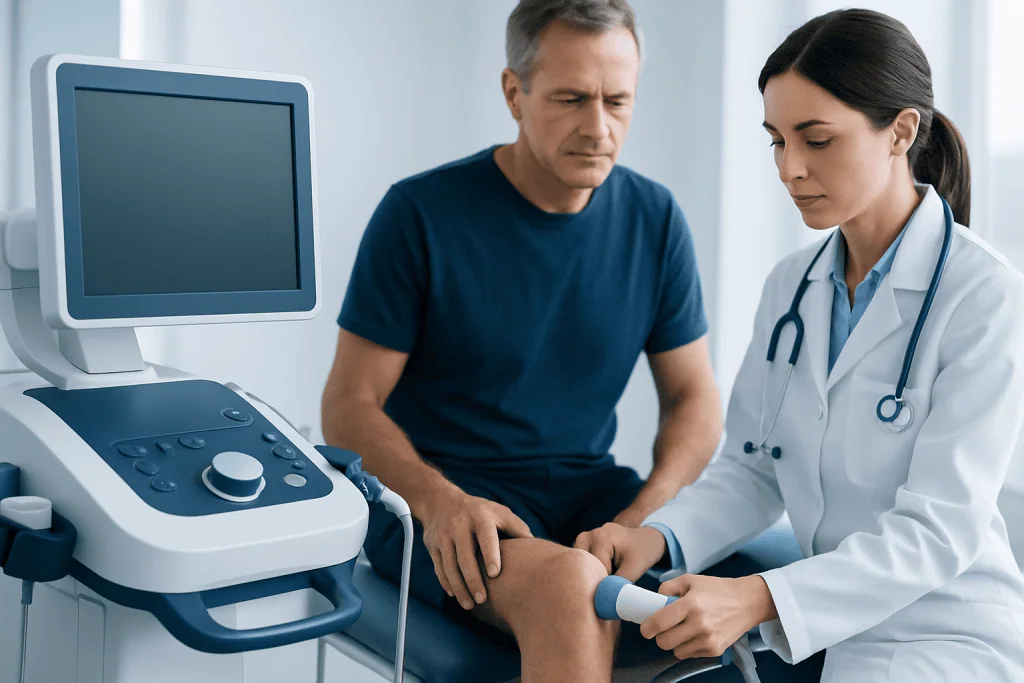
Knee pain varies widely. Some people feel a dull ache after walking, while others notice sharp pain, clicking, stiffness, or the sense that the knee may give way. Specialist care is more likely to be helpful when symptoms last longer than expected, interfere with daily activities, or keep returning despite rest and home measures.
Certain warning signs deserve prompt medical attention. These include severe swelling, an obvious deformity, inability to fully straighten or bend the knee, locking, sudden instability, or difficulty bearing weight. Redness, warmth, fever, or pain after a significant injury can also signal a problem that should not be ignored.
Common symptoms a knee doctor evaluates include:
- Pain during walking, climbing stairs, squatting, or exercise
- Swelling or repeated fluid buildup
- Stiffness, especially after rest or in the morning
- Popping, clicking, catching, or locking
- A feeling that the knee is unstable or may buckle
- Reduced range of motion or weakness
These symptoms do not always mean surgery is needed. They do mean the knee may benefit from a careful evaluation to identify whether the source is cartilage wear, tendon irritation, a ligament injury, inflammation, or another joint disorder.
Common Causes and Risk Factors for Knee Pain
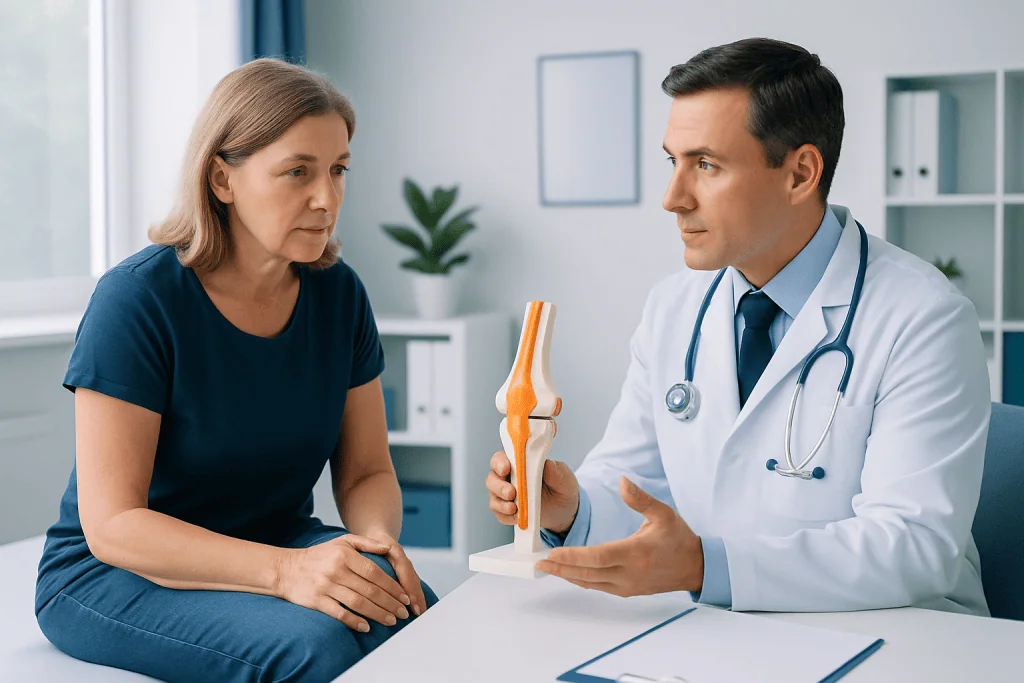
Knee pain can begin suddenly after an injury or develop gradually over time. Acute injuries are common in sports, exercise, and everyday accidents. These may involve sprains, tendon strain, fractures, dislocation, or damage to the meniscus or ligaments. For example, sudden twisting can contribute to a torn ACL or meniscal injury, especially if the knee swells quickly and feels unstable.
Chronic knee pain is often linked to wear-and-tear conditions, repeated stress, muscle imbalance, or excess pressure on the joint. Osteoarthritis is one of the most frequent causes in adults, but younger people can also develop pain from overtraining, poor movement mechanics, tendon overuse, or kneecap tracking problems. Inflammatory conditions, infection, bursitis, and gout may also affect the knee.
Risk factors can increase the chance of knee problems or slow recovery. These include:
- Older age
- Previous knee injury
- Sports with pivoting, jumping, or sudden stopping
- Excess body weight
- Weak thigh or hip muscles
- Occupations involving kneeling, squatting, or heavy lifting
- Poor footwear or training errors
- Inflammatory joint disease or other chronic health conditions
Because different causes can produce similar symptoms, an accurate diagnosis matters. A specialist looks at the full picture rather than treating pain alone, helping guide the most appropriate next steps.
How a Knee Specialist Diagnoses the Problem
A knee consultation usually begins with a detailed medical history. The doctor asks when the pain started, whether there was an injury, where the pain is felt, what movements make it worse, and whether symptoms include swelling, locking, numbness, or instability. Previous injuries, activity levels, work demands, and other medical conditions also help shape the assessment.
The physical examination checks alignment, tenderness, swelling, range of motion, strength, and joint stability. The doctor may ask the person to walk, squat, or perform gentle movement tests. These findings can suggest whether the source is the meniscus, ligaments, kneecap, tendon, cartilage, or surrounding soft tissues.
Imaging and tests may be recommended when needed. X-rays can show fractures, joint space narrowing, and arthritis changes. MRI can provide more detail about ligaments, cartilage, meniscus, and tendons. Ultrasound may help evaluate fluid collections or some soft tissue conditions. Blood tests or joint fluid analysis may be used if infection, gout, or inflammatory arthritis is suspected.
The aim of diagnosis is to understand not only what structure is affected, but also how severe the problem is and whether it is likely to improve with conservative care. In some cases, patients may be guided toward MRI imaging or orthopedic evaluation to clarify the diagnosis and treatment plan.
Treatment Options for Knee Pain and Injury
Treatment depends on the cause, severity, age, activity level, and overall health of the patient. Many knee problems improve without surgery. Early management often includes activity modification, rest from painful movements, ice, compression, elevation, and short-term pain-relieving or anti-inflammatory medicines when appropriate and advised by a doctor.
Physiotherapy is a key part of treatment for many knee conditions. A structured program can help improve strength, flexibility, balance, and movement patterns. Strengthening the muscles around the hip and thigh often reduces strain on the knee and improves joint stability. Bracing, taping, shoe adjustments, or guided return-to-sport plans may also be helpful in selected cases.
Some people benefit from injections or more advanced non-surgical treatments, depending on the diagnosis. When symptoms are severe, the knee is mechanically blocked, or structural damage is significant, surgery may be considered. This may involve minimally invasive procedures such as knee arthroscopy or, for advanced joint damage, knee replacement surgery.
The best treatment plan is individualized. A specialist usually considers symptom control, functional goals, imaging findings, and the person’s daily needs before recommending conservative care or an operation.
Prevention and Self-Care for Everyday Knee Health
While not all knee problems can be prevented, many people can lower their risk by protecting joint health over time. Regular physical activity that builds strength without excessive strain is one of the most helpful steps. Walking, swimming, cycling, and guided strengthening exercises can support the muscles that stabilize the knee.
Good self-care also includes warming up before exercise, increasing training gradually, and using proper technique during sports and fitness activities. Supportive shoes, healthy body weight, and rest after intense activity can reduce unnecessary pressure on the joint. People who spend long periods kneeling or squatting may benefit from changing position more often and using protective supports when appropriate.
Simple home care may ease mild flare-ups:
- Rest from aggravating activities for a short period
- Use ice packs for swelling after activity or injury
- Elevate the leg when possible
- Follow a doctor’s advice on pain relief medicines
- Begin gentle movement as tolerated instead of prolonged complete rest
If symptoms keep returning, it is wise not to rely on self-care alone. Recurrent pain can signal an underlying issue that needs medical guidance and targeted treatment.
When to See a Doctor Urgently
Some knee symptoms should be assessed quickly rather than watched at home. Urgent medical care is recommended if a person cannot bear weight, the knee looks deformed, or there is sudden large swelling after an injury. Immediate assessment is also important when pain is severe and movement is sharply limited.
Fever, redness, warmth, and increasing swelling may suggest infection or another inflammatory process that needs prompt attention. A locked knee that will not bend or straighten normally can indicate a mechanical problem inside the joint. Numbness, coldness in the foot, or significant color change after injury also needs urgent evaluation.
If knee pain has been present for several weeks, interrupts sleep, or makes work and daily tasks difficult, a routine specialist appointment is appropriate even if it is not an emergency. Earlier assessment may help prevent worsening weakness, reduced mobility, and ongoing joint damage.
For international patients seeking specialist care, Acibadem International’s multidisciplinary teams in JCI-accredited hospitals evaluate and treat a wide range of knee conditions, from sports injuries to arthritis-related joint problems.
Frequently asked questions
What kind of doctor should a person see for knee pain?
A person with ongoing or significant knee pain is often best evaluated by an orthopedic doctor or a sports medicine specialist. Depending on the cause, a primary care doctor, physiotherapist, or rehabilitation specialist may also play an important role in diagnosis and treatment.
How long should someone wait before seeing a knee specialist?
Mild pain that improves within a few days with rest and self-care may not need specialist evaluation. If pain lasts more than a couple of weeks, keeps returning, or limits walking, exercise, sleep, or daily activities, medical assessment is a sensible next step.
Does knee pain always mean surgery is needed?
No. Many knee problems improve with non-surgical treatment such as rest, physiotherapy, activity changes, bracing, and medication. Surgery is usually considered only when symptoms are severe, the joint is unstable or mechanically blocked, or conservative care has not helped enough.
What tests might a knee doctor order?
The first steps are usually a medical history and physical examination. Depending on the findings, the doctor may request X-rays, MRI, ultrasound, or sometimes blood tests or joint fluid analysis to look for arthritis, soft tissue injury, inflammation, or infection.
Is it okay to exercise with knee pain?
That depends on the cause and severity of the pain. Gentle movement is often helpful, but high-impact or painful activities may worsen some injuries. It is safest to reduce activities that trigger pain and seek medical advice if symptoms persist or the knee feels unstable.
When is knee pain an emergency?
Knee pain may need urgent care if there is an obvious deformity, inability to bear weight, a locked joint, sudden major swelling after injury, or signs of infection such as fever, redness, and warmth. Prompt evaluation is also important if the foot becomes numb, pale, or cold after trauma.
References
- American Academy of Orthopaedic Surgeons
- National Institute of Arthritis and Musculoskeletal and Skin Diseases
- National Health Service
- Mayo Clinic
- World Health Organization
This article is for general information only and is not a substitute for professional medical advice. Please consult a qualified doctor about your individual situation.
Joint and spine care in Turkey — expert assessment & treatment
JCI-accredited · board-certified surgeons · reply within 24h
Add us as a Preferred Source to see more of our trusted health content across Google Search, AI Overviews and Discover.