

Laparoscopic Bariatric Surgery: Benefits, Limits, and Who May Be Suitable

Laparoscopic bariatric surgery uses small incisions and a camera to perform weight-loss surgery with less tissue disruption than open surgery. It may improve obesity-related conditions such as type 2 diabetes, sleep apnea, high blood pressure, and joint strain in selected patients.
Key Takeaways
- Laparoscopic bariatric surgery uses small incisions and a camera to perform weight-loss surgery with less tissue disruption than open surgery.
- It may improve obesity-related conditions such as type 2 diabetes, sleep apnea, high blood pressure, and joint strain in selected patients.
- Benefits, risks, and expected weight loss vary by procedure, including sleeve gastrectomy and gastric bypass.
- Suitability depends on body weight, overall health, previous treatments, eating habits, and readiness for long-term follow-up.
- Surgery works best when combined with lifelong nutrition, physical activity, vitamin supplementation, and regular medical care.
Laparoscopic bariatric surgery is a minimally invasive approach to weight-loss surgery that can help some people with obesity achieve lasting weight reduction and improve obesity-related health problems. It is not suitable for everyone, and the best outcomes depend on careful assessment, realistic expectations, and long-term lifestyle support.
Overview
Laparoscopic bariatric surgery refers to weight-loss operations performed through several small incisions using a camera and long instruments. Rather than opening the abdomen with one large incision, the surgeon works with magnified images on a monitor. This minimally invasive approach is widely used for bariatric surgery and is often chosen because it can support recovery while achieving the same main surgical goals.
Bariatric surgery is designed to help with long-term weight management in people living with obesity, especially when lifestyle measures alone have not led to enough weight loss or when obesity is affecting health. Depending on the operation, surgery may limit how much food the stomach can hold, change digestion, or both. These changes can also affect hunger hormones and blood sugar control.
Laparoscopic techniques are commonly used for procedures such as gastric sleeve surgery and gastric bypass. However, “laparoscopic” describes the surgical approach, not a single operation. The exact benefits, limitations, and long-term results depend on the procedure itself and the person’s medical situation.
Potential Benefits
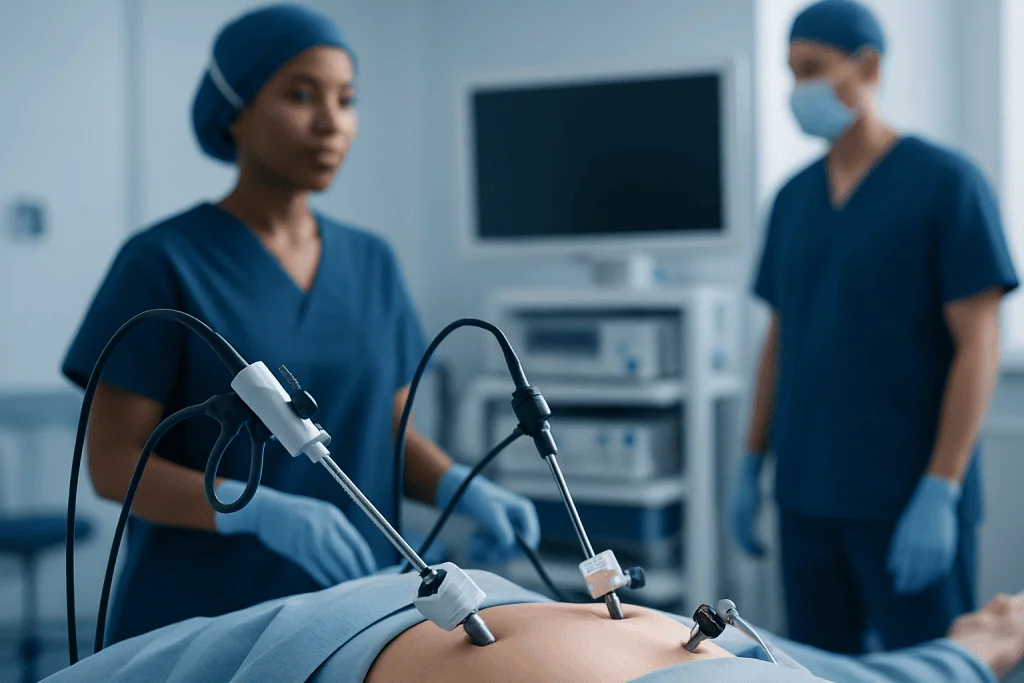
For suitable candidates, laparoscopic bariatric surgery can lead to meaningful and sustained weight loss. Many people also experience improvement in health conditions linked to morbid obesity, such as type 2 diabetes, high blood pressure, high cholesterol, fatty liver disease, and obstructive sleep apnea. Better mobility, less joint pain, and improved quality of life are also common goals.
The laparoscopic approach itself may offer practical advantages compared with traditional open surgery. Because the incisions are smaller, there is usually less damage to surrounding tissues. This may mean less postoperative pain, a shorter hospital stay in many cases, a faster return to daily activities, and a lower risk of some wound-related problems.
Another benefit is that laparoscopic surgery allows surgeons to perform complex procedures with excellent visualization. For many patients, this supports safe and precise treatment. Even so, the main success of bariatric surgery is measured over months and years, not days. Long-term commitment to healthy eating, activity, and follow-up care remains essential.
Limits and Possible Risks

Although laparoscopic bariatric surgery can be very effective, it is not a quick fix or a cosmetic procedure. Surgery changes the digestive system, but it does not remove the need for lasting lifestyle changes. Some people may lose less weight than expected if they struggle with eating patterns, emotional eating, grazing, lack of exercise, or missed follow-up appointments.
All operations carry risks. Possible short-term complications include bleeding, infection, blood clots, leaks from staple lines or connections, nausea, and reactions to anesthesia. Longer-term concerns can include reflux, ulcers, bowel blockage, gallstones, hernias such as an incisional hernia, vitamin and mineral deficiencies, and weight regain. The type of risk depends on the operation and the patient’s health.
Laparoscopic surgery is also not always possible in every case. Previous abdominal operations, severe scar tissue, certain anatomical challenges, or unexpected findings during surgery can make the operation more difficult. In some situations, the surgeon may need to switch to an open approach for safety. This does not mean the surgery has failed; it means the surgical team is adapting to protect the patient.
Who May Be Suitable
Suitability for laparoscopic bariatric surgery is based on more than body weight alone. Doctors usually consider body mass index, obesity-related medical conditions, previous efforts at weight loss, age, overall surgical risk, and mental readiness for major lifestyle change. People are often considered when obesity has become a serious health issue and non-surgical treatment has not achieved enough improvement.
Assessment also looks at eating behaviors, alcohol use, smoking, medications, hormone or metabolic disorders, and understanding of what surgery can and cannot do. Some people may be better suited to a procedure that mainly restricts stomach size, while others may benefit from one that also changes nutrient absorption. In selected cases, non-surgical options such as stomach reduction without surgery or a gastric balloon may be discussed first.
People with untreated eating disorders, uncontrolled psychiatric illness, active substance misuse, or medical problems that make anesthesia very high risk may need treatment and stabilization before surgery is considered. Pregnancy plans, fertility issues, and long-term family support may also be part of the discussion. A multidisciplinary team helps decide whether surgery is appropriate and which procedure is the safest match.
How Evaluation and Diagnosis Are Done
Before surgery, patients usually go through a detailed evaluation. This often includes a review of weight history, existing illnesses, previous abdominal operations, medications, allergies, and family history. Blood tests are commonly used to check blood sugar, liver and kidney function, blood count, thyroid function when needed, and vitamin or mineral levels.
Additional testing may be recommended depending on symptoms and risk factors. Some people have sleep studies for suspected sleep apnea, heart evaluation before anesthesia, or endoscopy to check for reflux, ulcers, or other upper digestive problems. Imaging may be used in selected cases if there is concern about anatomy, hernias, or other abdominal conditions.
Nutrition and psychological assessments are also important parts of diagnosis and planning. These reviews help identify habits that might affect recovery or long-term weight loss. They also prepare patients for the eating pattern after surgery, when portions become much smaller and protein, hydration, and supplementation become especially important.
Treatment Options and Procedure Types
The most common laparoscopic bariatric procedures include sleeve gastrectomy and gastric bypass. In sleeve gastrectomy, a large part of the stomach is removed, leaving a narrow tube or “sleeve.” This reduces stomach capacity and can lower hunger signals. In gastric bypass, the surgeon creates a small stomach pouch and reroutes part of the small intestine, which limits intake and changes absorption and hormone responses.
There are other options, but not every procedure is right for every person. The choice depends on body weight, reflux symptoms, diabetes, medication needs, previous surgery, and patient preference after counseling. Some people may ask about gastric laparoscopic surgery as a general term, but the key question is which specific operation best fits their medical profile.
Treatment does not end with the operation. After surgery, patients move through staged nutrition, beginning with liquids and gradually advancing to soft and solid foods. They usually need regular follow-up, exercise guidance, and vitamin or mineral supplements. In some cases, body contouring or hernia repair may be considered later, but the first goal is safe recovery and stable long-term weight management.
Recovery, Prevention, and Self-care
Recovery after laparoscopic bariatric surgery varies by procedure and the person’s health, but early walking, good hydration, and following the eating plan are central. Patients are usually encouraged to move soon after surgery to help reduce the risk of blood clots and support lung function. The healthcare team provides guidance on wound care, pain control, and when to return to work or exercise.
Long-term self-care is vital to prevent complications and support weight loss. Helpful habits include eating slowly, choosing protein-rich foods, avoiding frequent high-calorie liquids, and not drinking large amounts with meals if advised by the surgical team. Regular physical activity, sleep, and stress management also matter because weight regain can happen even after technically successful surgery.
Vitamin and mineral supplementation should not be skipped, especially after procedures that affect absorption. Ongoing blood tests help detect deficiencies early. Near the end of the care pathway, patients may benefit from continuing support from dietitians, psychologists, and obesity specialists. Acibadem International’s multidisciplinary specialists in JCI-accredited hospitals diagnose and treat obesity and provide surgical and follow-up care for international patients.
When to See a Doctor
A person should speak with a qualified doctor if excess weight is affecting daily life or contributing to conditions such as diabetes, high blood pressure, sleep apnea, fatty liver disease, infertility, or chronic joint pain. A medical review is also important when repeated attempts at diet, activity, and medication have not brought enough improvement. Early evaluation can clarify whether surgery or another treatment path is more appropriate.
After bariatric surgery, urgent medical advice is needed for severe abdominal pain, chest pain, shortness of breath, fever, persistent vomiting, trouble swallowing, dehydration, black stools, or redness and discharge from wounds. These symptoms do not always mean a serious complication, but they should be assessed promptly. Ongoing follow-up is just as important as the procedure itself.
People should also contact their care team if weight loss stalls early, if old eating patterns return, or if they develop fatigue, hair loss, numbness, or other possible signs of nutrient deficiency. Timely support can often correct problems before they become more serious. Safe, lasting results depend on partnership between the patient and the healthcare team.
Frequently asked questions
Is laparoscopic bariatric surgery the same as open surgery?
No. Laparoscopic bariatric surgery is performed through small incisions with a camera and specialized instruments, while open surgery uses a larger incision. The weight-loss procedure may be similar in purpose, but the surgical approach and recovery experience can differ.
How much weight can a person lose after laparoscopic bariatric surgery?
Weight loss varies depending on the procedure, starting weight, medical conditions, and long-term habits. Many people lose a significant amount of weight, but results are not identical for everyone. Regular follow-up, nutrition changes, and physical activity strongly influence long-term success.
Who is usually considered for bariatric surgery?
Doctors generally consider people with obesity when excess weight is seriously affecting health and non-surgical methods have not been enough. The decision also depends on overall health, psychological readiness, and ability to commit to lifelong follow-up. A specialist team makes an individual assessment rather than relying on one factor alone.
What are the main risks of laparoscopic bariatric surgery?
Possible risks include bleeding, infection, blood clots, leaks, anesthesia-related problems, reflux, hernias, bowel problems, and vitamin deficiencies. The exact risk profile depends on the operation and the patient’s health. A thorough preoperative assessment helps reduce risk and improve safety.
Can weight come back after bariatric surgery?
Yes, some weight regain can happen over time. Surgery is a powerful tool, but it does not replace long-term eating habits, physical activity, sleep, and follow-up care. Early support from the care team can help if weight regain begins.
Will a person need vitamins after surgery?
Many patients need vitamin and mineral supplements after bariatric surgery, especially after procedures that affect nutrient absorption. The exact supplements depend on the type of surgery and blood test results. Taking them as prescribed is important to help prevent deficiencies.
References
- World Health Organization
- American Society for Metabolic and Bariatric Surgery
- National Institute of Diabetes and Digestive and Kidney Diseases
- National Health Service
- Mayo Clinic
This article is for general information only and is not a substitute for professional medical advice. Please consult a qualified doctor about your individual situation.
Bariatric Surgery in Turkey — costs, top hospitals & a free quote
JCI-accredited · board-certified surgeons · reply within 24h
Add us as a Preferred Source to see more of our trusted health content across Google Search, AI Overviews and Discover.
Check your numbers in seconds
BMI, calories, due date, blood pressure and 30+ more clinical calculators — free, instant, doctor-reviewed ranges.

Bariatric & Metabolic Surgery
Surgical and endoscopic treatments for obesity and metabolic conditions.
Related Treatments
Related Conditions
More from the Health Library



Related Specialists

Prof. Dr. Tayfun Karahasanoğlu
General Surgery
Prof. Dr. Güralp Onur Ceyhan
General Surgery
Prof. Dr. Volkan Özben
General Surgery
Assoc. Prof. Dr. Halil Kara
General Surgery