Laparoscopy: How It Works, Recovery, and What to Expect
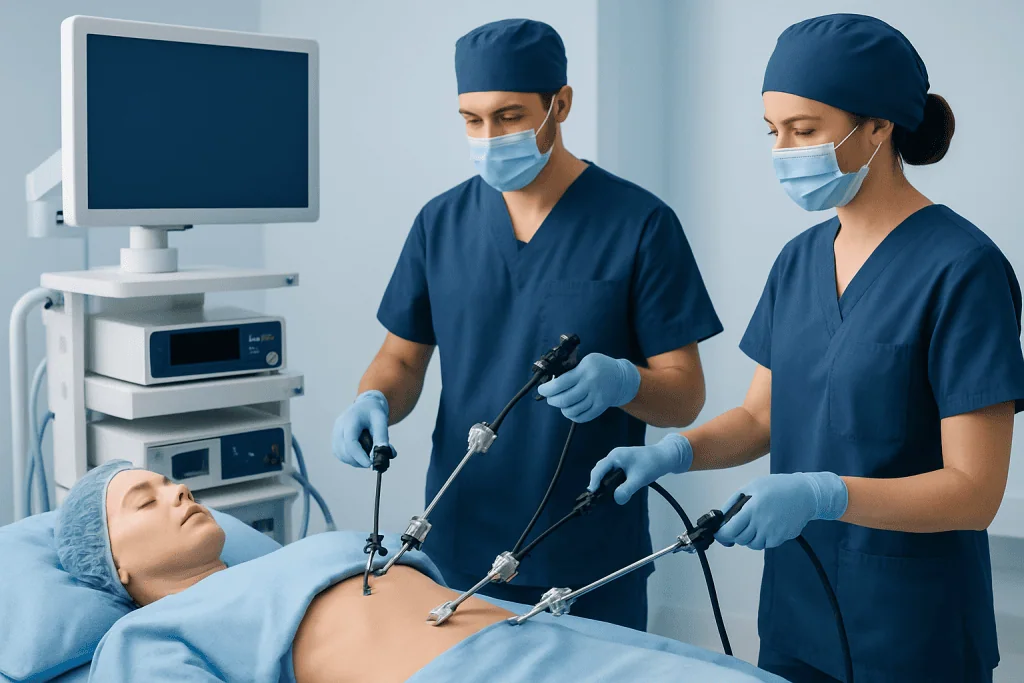
Laparoscopy uses a thin camera and instruments inserted through small incisions in the abdomen or pelvis. It may be used to diagnose a problem, take tissue samples, or perform treatment during the same procedure.
Key Takeaways
- Laparoscopy uses a thin camera and instruments inserted through small incisions in the abdomen or pelvis.
- It may be used to diagnose a problem, take tissue samples, or perform treatment during the same procedure.
- Compared with open surgery, laparoscopy often leads to less pain, smaller scars, and a quicker return to daily activities.
- Recovery time varies by procedure complexity, overall health, and whether any treatment is done during the operation.
- Like any surgery, laparoscopy has risks such as bleeding, infection, and injury to nearby organs, though serious complications are uncommon.
- A doctor should be contacted promptly for severe pain, fever, heavy bleeding, breathing problems, or worsening symptoms after surgery.
Laparoscopy is a minimally invasive surgical technique that uses small incisions, a camera, and specialized instruments to examine or treat organs inside the abdomen or pelvis. For many people, it offers shorter recovery, less postoperative discomfort, and smaller scars than traditional open surgery, although the exact experience depends on why the procedure is being done.
Overview: what laparoscopy is and why it is used
Laparoscopy is a surgical procedure that allows a doctor to look inside the abdomen or pelvis through very small cuts rather than one larger incision. A slender instrument called a laparoscope, which has a light and camera, sends images to a monitor so the surgical team can see organs and tissues in detail. Depending on the reason for surgery, laparoscopy may be used only to inspect and diagnose a problem, or it may also be used to treat it during the same operation.
This approach is commonly described as minimally invasive surgery. It is used across several specialties, including gynecology, general surgery, urology, and digestive health. Doctors may recommend laparoscopy to investigate unexplained symptoms, confirm a diagnosis, remove abnormal tissue, repair damage, or carry out planned surgery with less disruption to the body than open surgery.
People often ask whether laparoscopy is a major surgery. The answer depends on what is being done. The technique uses small incisions, but it is still an operation that usually involves anesthesia and careful monitoring. A short diagnostic procedure is very different from a more complex laparoscopic operation, such as removal of an organ or treatment of extensive scar tissue.
Laparoscopy may help evaluate or treat problems such as chronic pelvic pain, ovarian cysts, endometriosis, gallbladder disease, appendicitis, hernias, or infertility-related conditions. In many cases, the goal is to make diagnosis and treatment more precise while supporting a smoother recovery.
How laparoscopy works
During laparoscopy, the surgeon makes one small incision, often near the belly button, and inserts the laparoscope. Carbon dioxide gas is gently used to inflate the abdomen. This creates space so the organs can be seen more clearly and surgical instruments can move safely. Additional small incisions may be made if other instruments are needed.
The camera provides a magnified view of the inside of the body. This helps the surgeon identify inflammation, bleeding, scar tissue, cysts, growths, or structural changes. If needed, tiny instruments can be passed through the small ports to take biopsies, remove tissue, stop bleeding, repair structures, or complete a planned operation.
Because the cuts are small, there is usually less trauma to the skin and abdominal wall than with open surgery. For many patients, this means less pain after the procedure, a shorter hospital stay, and a faster return to ordinary activities. However, not every condition is suitable for this method, and sometimes a surgeon may need to switch from laparoscopy to open surgery if visibility or safety becomes a concern.
In some centers, minimally invasive surgery may also include advanced techniques for complex operations. When surgery is being planned, the doctor explains whether laparoscopy is being used for diagnosis alone or as part of a full treatment plan, such as laparoscopic surgery.
Who may be a candidate for laparoscopy

A person may be a candidate for laparoscopy when imaging tests, physical examination, and symptoms suggest a problem inside the abdomen or pelvis that could be diagnosed or treated through a minimally invasive approach. Doctors consider the reason for surgery first. For example, laparoscopy may be used to investigate persistent pain, check for internal bleeding, remove an ovarian cyst, treat appendicitis, or evaluate fertility-related concerns.
Suitability also depends on overall health. The medical team reviews heart and lung function, past surgeries, medications, allergies, and any bleeding disorders. Prior abdominal operations can sometimes lead to internal scar tissue that makes the procedure more technically difficult, although they do not automatically rule it out. Obesity, pregnancy, severe infection, or unstable medical conditions may also affect the decision and the surgical plan.
Diagnostic testing before surgery may include blood tests, urine tests, ultrasound, CT, MRI, or other evaluations depending on symptoms. The care team also checks whether there may be a simpler or less invasive way to answer the medical question. In some cases, laparoscopy becomes the preferred next step only after noninvasive tests have not provided clear answers.
For gynecologic conditions, doctors may consider laparoscopy when symptoms suggest issues such as endometriosis, pelvic adhesions, or certain ovarian masses. It may also have a role in evaluating or treating causes of infertility, including problems linked to the fallopian tubes or pelvic anatomy, sometimes alongside broader fertility treatment planning.
Step by step: what to expect before, during, and right after the procedure
Before laparoscopy, the patient usually receives instructions about when to stop eating and drinking, which medications to pause, and when to arrive at the hospital. Some medications, especially blood thinners, diabetes medicines, or supplements that affect bleeding, may need special guidance. The doctor explains the purpose of the procedure, the expected benefits, possible alternatives, and the risks before consent is given.
On the day of surgery, laparoscopy is commonly performed under general anesthesia, so the patient is asleep and does not feel pain during the procedure. After anesthesia is started, the surgical area is cleaned, small incisions are made, and the abdomen is inflated with gas. The laparoscope and other instruments are inserted, and the surgeon performs the planned inspection or treatment. If tissue samples are needed, they may be taken for laboratory analysis.
Once the procedure is complete, the instruments are removed, the gas is released as much as possible, and the small incisions are closed with sutures, surgical glue, or adhesive strips. The patient then goes to a recovery area for monitoring while waking up from anesthesia. Mild grogginess, throat irritation from the breathing tube, abdominal soreness, or referred shoulder pain from the gas can occur and usually improve over time.
Some laparoscopic procedures are done as day surgery, meaning the patient goes home the same day. Others require a hospital stay, especially if the operation was more complex or if the person has other health needs. In selected cases, laparoscopy may be used as part of treatments such as ovarian cyst surgery or gallbladder surgery.
Benefits, risks, and possible complications
The main benefits of laparoscopy are related to its minimally invasive design. Many patients experience smaller scars, less postoperative pain, a shorter stay in the hospital, and a quicker return to walking, eating, and normal routines compared with open surgery. The magnified camera view can also help the surgeon see delicate structures clearly, which may support precision during diagnosis and treatment.
Still, laparoscopy is not risk-free. General surgical risks include bleeding, infection, blood clots, reactions to anesthesia, and pain after the operation. There is also a risk of injury to nearby structures such as the bowel, bladder, blood vessels, reproductive organs, or ureters, depending on the area being treated. In rare situations, the surgeon may need to convert the operation to an open procedure to complete it safely.
Some side effects are expected and temporary rather than dangerous. These can include bloating, mild nausea, bruising around the incisions, tiredness, and shoulder tip pain caused by residual gas irritating the diaphragm. Patients should receive discharge instructions explaining what is normal and what symptoms require medical review.
The balance of benefit and risk is different for each person. A short diagnostic laparoscopy may have a different recovery profile than a complex operation involving extensive tissue removal or repair. The safest approach is a tailored one based on the patient’s condition, anatomy, goals, and the judgment of the surgical team.
Recovery timeline and self-care after laparoscopy
Recovery after laparoscopy varies, but many people begin moving around on the same day or the day after surgery. Walking is usually encouraged early because it supports circulation, bowel activity, and overall recovery. Light abdominal soreness, fatigue, and a small amount of vaginal bleeding after some gynecologic procedures can be normal, but the care team should explain what to expect for the specific operation performed.
During the first few days, rest is important, but prolonged bed rest is usually not recommended unless advised by the doctor. Most patients can drink fluids and gradually return to normal meals as tolerated. Showering is often allowed within a short time, while soaking in baths, swimming, heavy lifting, strenuous exercise, and sexual activity may need to wait until the surgeon says it is safe.
For a simple diagnostic laparoscopy, some people return to desk-based activities within several days. More complex laparoscopic surgery may require one to several weeks before normal routines fully resume. Recovery may take longer if tissue was removed, if there was extensive inflammation, or if the patient has other medical conditions. Follow-up visits are important to review healing, pathology results if a biopsy was taken, and the next steps in treatment.
Helpful self-care measures often include:
- Taking prescribed or recommended pain relief exactly as directed
- Keeping incision sites clean and dry
- Walking regularly but avoiding overexertion
- Drinking enough fluids and eating fiber if constipation is a concern
- Watching for warning signs such as fever, worsening redness, or persistent vomiting
When to seek medical care
Patients should contact a doctor promptly if they develop symptoms that seem more severe than expected or are getting worse rather than better. Important warning signs include fever, increasing abdominal pain, heavy bleeding, pus or spreading redness at the incision sites, fainting, chest pain, shortness of breath, swelling in a leg, or an inability to keep fluids down. These symptoms do not always mean there is a serious complication, but they should be assessed without delay.
Medical care is also important if the original symptoms that led to laparoscopy continue or return after recovery. For example, ongoing pelvic pain, digestive symptoms, or fertility concerns may need further testing or follow-up treatment. If a biopsy was taken, the patient should make sure results are reviewed and clearly explained.
Anyone preparing for laparoscopy should feel comfortable asking practical questions before surgery. These may include how long recovery is likely to take, when driving or work can resume, what level of pain is normal, and whom to call after hours if concerns come up. Clear instructions help patients recover more confidently and safely.
Near the end of the care journey, it can be helpful to know that Acibadem International’s multidisciplinary specialists and JCI-accredited hospitals diagnose and treat conditions that may require laparoscopy for international patients. The most appropriate plan depends on the exact diagnosis, symptoms, and overall health status.
Frequently asked questions
Is laparoscopy considered surgery?
Yes. Laparoscopy is a surgical procedure, even though it uses small incisions rather than a larger open cut. It is often called minimally invasive surgery because it usually causes less tissue disruption than traditional open surgery.
How painful is laparoscopy recovery?
Many people have mild to moderate discomfort rather than severe pain, especially after simpler procedures. Soreness around the incisions, bloating, and shoulder tip pain from the gas used during surgery are common and often improve over a few days.
How long does it take to recover from laparoscopy?
Recovery depends on why the laparoscopy was done and whether treatment was performed during the operation. Some patients feel ready for light activities within a few days, while more complex procedures can require several weeks of recovery.
Will I be asleep during laparoscopy?
In most cases, yes. Laparoscopy is commonly performed under general anesthesia, which means the patient is asleep and does not feel pain during the procedure. The anesthesia team monitors breathing, circulation, and comfort throughout the operation.
Why might a doctor recommend laparoscopy instead of open surgery?
A doctor may recommend laparoscopy because it often allows diagnosis or treatment through smaller incisions. This can mean less pain, smaller scars, a shorter hospital stay, and faster recovery, although it is not the best option for every condition.
Can a laparoscopy become an open surgery?
Yes, sometimes it can. If the surgeon finds unexpected bleeding, scar tissue, difficult anatomy, or another safety concern, the operation may be converted to an open procedure to complete treatment safely.
References
- National Institute of Diabetes and Digestive and Kidney Diseases
- American College of Obstetricians and Gynecologists
- Mayo Clinic
- MedlinePlus
- National Health Service
This article is for general information only and is not a substitute for professional medical advice. Please consult a qualified doctor about your individual situation.
Explore treatments in Turkey — costs, top hospitals & a free quote
JCI-accredited · board-certified surgeons · reply within 24h
Add us as a Preferred Source to see more of our trusted health content across Google Search, AI Overviews and Discover.

More from the Health Library



Related Specialists

Dr. Ekin Sayer
Acibadem Life Clinical Service
Assoc. Prof. Dr. Aras Şenvar
Otorhinolaryngology
Prof. Dr. S. Tolga Aydoğ
Physical Medicine & Rehabilitation
Dr. Funda Kılıç
Clinical Laboratory