Laser Liposuction Cost: What Patients Need to Know

Laser liposuction is a body-contouring procedure, not a treatment for obesity or a substitute for weight management. A quoted cost may include surgeon, anesthesia, facility, laboratory, garments and follow-up fees, but patients should ask what is included.
Key Takeaways
- Laser liposuction is a body-contouring procedure, not a treatment for obesity or a substitute for weight management.
- A quoted cost may include surgeon, anesthesia, facility, laboratory, garments and follow-up fees, but patients should ask what is included.
- The number and size of treatment areas can influence procedural complexity and overall cost.
- Choosing an appropriately qualified surgeon and accredited facility is more important than selecting care based on price alone.
- Recovery time, time away from work, travel and possible revision needs are practical costs to consider during planning.
Laser liposuction cost is not a single fixed figure because it depends on the areas treated, the complexity of the procedure, the clinical setting, anesthesia needs and the support included before and after surgery. A detailed consultation with a qualified plastic surgeon is the safest way to receive a personalized, transparent treatment plan and estimate.
Overview: What Does Laser Liposuction Cost Include?
Laser liposuction cost varies because the procedure is tailored to the individual. Rather than relying on a general online estimate, patients should request an itemized plan that explains the expected clinical services, the treatment areas and the care provided throughout recovery. This makes it easier to compare options safely and understand the full commitment involved.
Laser-assisted liposuction uses a laser fiber delivered through a small incision to help break down fat before it is removed by suction. The heat from the laser may also support some skin tightening, although results differ according to skin quality, the area treated and individual healing. It is intended to improve localized body contours, not to produce major weight loss.
A complete estimate may cover the surgeon’s professional fee, anesthesia, operating room or procedure-suite charges, pre-procedure assessment, compression garments, medicines and planned follow-up visits. Policies differ between providers, so patients should ask whether each item is included and whether additional charges could arise if the treatment plan changes.
Why Costs Differ Between Patients
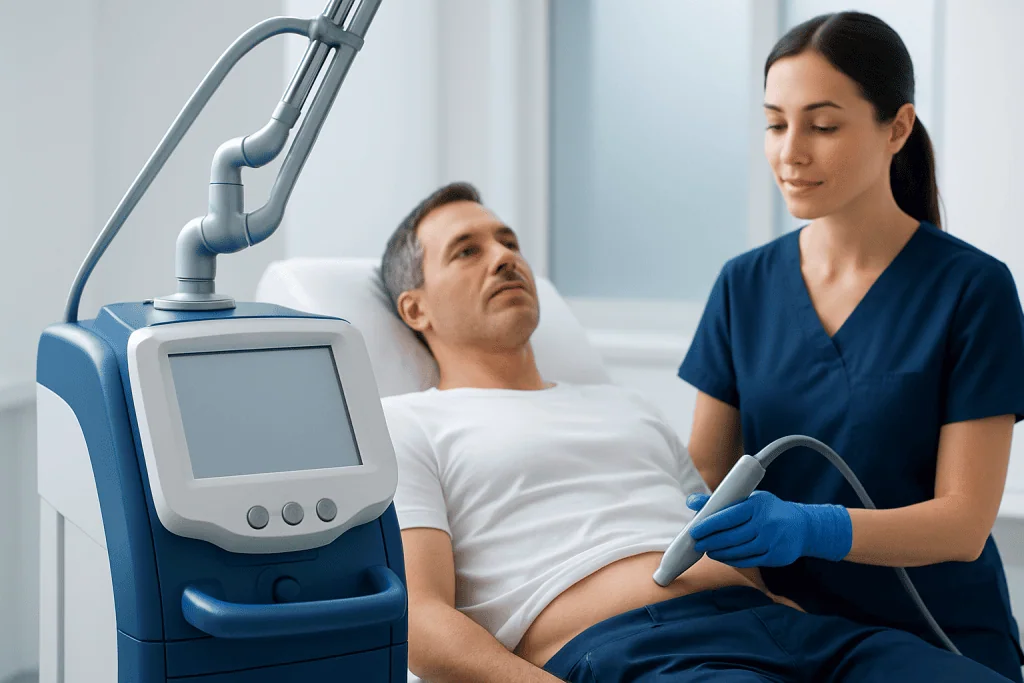
The treatment area is one of the main factors affecting laser liposuction cost. Small, localized areas may require less time than multiple or larger areas, while regions with uneven fat distribution or reduced skin elasticity can need more careful planning. Treating more than one area during the same session may change the length and complexity of the procedure.
The amount and location of fat also matter. Areas such as the abdomen, flanks, thighs, upper arms, chin or back can present different technical considerations. A surgeon will assess body proportions, skin laxity, previous procedures, scarring and health history before deciding whether laser-assisted liposuction is appropriate.
Geographic location, the experience and qualifications of the clinical team, and the standards of the facility can also affect pricing. Accredited operating environments, trained anesthesia professionals and structured follow-up care are important components of patient safety. A lower initial quote may not include all of these elements.
Some people may benefit more from another approach, such as traditional liposuction, nonsurgical body contouring or a procedure designed to address significant skin excess. The best option depends on the person’s goals and clinical assessment, rather than on cost alone.
Understanding an Itemized Treatment Estimate

Before agreeing to treatment, patients can ask for a written, itemized estimate. It should clearly distinguish professional fees from facility and anesthesia charges, as well as identify expenses for tests, garments, prescriptions and postoperative visits. Written information helps prevent misunderstandings and supports informed decision-making.
Useful questions include whether the estimate covers all planned treatment areas, what type of anesthesia is anticipated, how many follow-up appointments are included and what happens if additional care is required. Patients may also ask about the provider’s policy on touch-up or revision procedures. No procedure can promise a specific cosmetic outcome, and revisions may sometimes be considered after healing is complete.
Insurance generally does not cover cosmetic liposuction. However, individual coverage rules vary, particularly when a procedure is recommended for a medical reason rather than appearance alone. Patients should confirm any insurance questions directly with their insurer and avoid assuming that pre-procedure consultations, laboratory tests or complication-related care will be covered.
- Ask for the total anticipated cost, not only the surgeon’s fee.
- Check whether anesthesia, facility use and aftercare are included.
- Clarify payment timing, cancellation policies and financing terms before signing an agreement.
- Keep a copy of the treatment plan and consent documents for reference.
Safety, Suitability and Choosing a Provider
Cost should be considered alongside safety, clinical quality and realistic expectations. Laser-assisted liposuction is usually considered for adults who are near a stable weight, have localized fat deposits and understand that results develop gradually as swelling settles. Good skin elasticity can support a smoother contour, but it cannot be guaranteed.
A consultation should include a review of medical conditions, medications, allergies, previous operations, smoking or nicotine use, pregnancy status where relevant, and any history of bleeding or wound-healing problems. People with certain health concerns may need further assessment, a different approach or a decision to postpone elective treatment.
Patients should seek care from a suitably qualified plastic surgeon or clinician with specific training in liposuction techniques, supported by an appropriate anesthesia and nursing team. It is reasonable to ask about the clinician’s experience, the setting where the procedure will take place, emergency arrangements and the expected recovery plan.
During the assessment, the surgeon may discuss whether liposuction or another contouring approach better matches the patient’s anatomy and goals. Transparent discussion of limitations, scars, changes in sensation, contour irregularities and other potential complications is an essential part of consent.
Recovery and Practical Costs to Plan For
Recovery can influence the overall practical cost of laser liposuction. Most people need time to rest and may need to arrange time away from work, exercise, caregiving or travel. The precise recovery period depends on the extent of treatment, the areas involved, the anesthesia used and the individual’s healing.
Compression garments are often recommended to help manage swelling and support the treated area. Bruising, tenderness, swelling and temporary changes in sensation can occur. The final contour is not immediately visible; it may take weeks to months for swelling to reduce and tissues to settle.
Patients should budget for transport home after the procedure, support during the first days if needed, prescribed medicines and any follow-up travel. Those traveling internationally should also consider the need to remain locally long enough for early reviews and should avoid planning long-distance travel until their clinical team confirms it is appropriate.
Following postoperative instructions can help support safe healing. These typically cover wound care, garment use, activity restrictions, hydration, avoiding nicotine and attending scheduled reviews. Contacting the clinic promptly about concerns is preferable to trying to manage unexpected symptoms alone.
How to Make an Informed Decision
Patients can prepare for a consultation by identifying their main goals, the areas they would like assessed and the amount of recovery time they can reasonably allow. Bringing a list of medications and prior medical procedures can help the clinician give safer, more individualized advice.
It can be helpful to compare like with like. A quote from one provider may include anesthesia, aftercare and garments, while another may list only the procedure fee. Comparing the scope of care, the team’s qualifications, facility standards and communication support is more meaningful than comparing a single number.
Patients should be cautious about time-limited promotions, unusually low prices or guarantees of a particular shape, weight change or skin-tightening result. Ethical providers allow time for questions and do not pressure people to proceed. Elective cosmetic treatment should feel like a considered decision, not an urgent purchase.
For international patients, Acibadem International’s multidisciplinary specialists and JCI-accredited hospitals can assess suitability and provide coordinated diagnosis and treatment planning. A consultation remains necessary to determine whether laser-assisted liposuction is suitable and to explain the anticipated care pathway.
When to Seek Medical Care
After laser liposuction, patients should contact their treating team promptly if they develop worsening rather than improving pain, increasing redness or warmth around an incision, fever, drainage with an unpleasant odor, persistent vomiting or concerns about wound healing. These symptoms do not always indicate a serious problem, but they should be assessed without delay.
Urgent medical care is needed for chest pain, shortness of breath, fainting, sudden confusion, coughing blood, or marked swelling and pain in one leg. These symptoms can have several causes and require immediate evaluation, particularly after a surgical procedure.
Before treatment, anyone with an uncontrolled medical condition, a new infection, unexpected pregnancy, or a significant change in health should inform the clinical team. Surgery may need to be delayed or the plan adjusted to protect the person’s health and safety.
Frequently asked questions
Is laser liposuction cheaper than traditional liposuction?
There is no universal answer because fees depend on the technique, treatment areas, anesthesia, facility and follow-up care. Laser-assisted liposuction may involve different equipment and procedural steps, so patients should request an itemized estimate for the recommended approach. The safest choice is based on suitability and quality of care, not price alone.
What should be included in a laser liposuction quote?
A clear quote may include the surgeon's fee, anesthesia, facility charges, pre-procedure tests, compression garments, medicines and follow-up appointments. Inclusions vary, so patients should ask for each cost to be explained in writing. They should also ask about possible charges for additional treatment or revision care.
Does health insurance pay for laser liposuction?
Cosmetic laser liposuction is usually not covered by health insurance. Coverage can differ when a procedure is performed for a documented medical reason, but this is uncommon for cosmetic contouring. Patients should check directly with their insurer before scheduling treatment.
How long does recovery from laser liposuction take?
Recovery varies with the area and extent of treatment, as well as the individual's health and healing. Bruising and swelling are common initially, and the treated area can take weeks to months to settle. The surgeon can provide individualized guidance about returning to work, exercise and travel.
Can laser liposuction help with weight loss?
Laser liposuction is designed for contouring localized fat deposits rather than weight loss. It does not replace nutrition, physical activity or medical weight-management care when these are needed. Results are usually best supported by maintaining stable weight and healthy habits.
How can a patient choose a safe laser liposuction provider?
Patients should look for an appropriately qualified clinician with training and experience in liposuction, working in a properly equipped clinical setting. They should ask about anesthesia arrangements, follow-up care, possible risks and emergency protocols. A thorough consultation and transparent consent process are important signs of patient-centered care.
This article is for general information only and is not a substitute for professional medical advice. Please consult a qualified doctor about your individual situation.
Laser Liposuction in Turkey — costs, top hospitals & a free quote
JCI-accredited · board-certified surgeons · reply within 24h
Add us as a Preferred Source to see more of our trusted health content across Google Search, AI Overviews and Discover.

More from the Health Library

Oolong Tea Benefits: What Patients Need to Know

Strength Training Cellulite: A Complete Medical Overview

Jaundice: An Evidence-Based Guide for Patients

Proximal Phalanx — Explained by Medical Evidence, Not Myths

Pelvic Floor: An Evidence-Based Guide for Patients

Optic Nerve: An Evidence-Based Guide for Patients
Aesthetic Plastic & Reconstructive Surgery Specialists at Acibadem

Prof. Dr. Çiğdem Ünal Gülmeden
Aesthetic Plastic & Reconstructive Surgery
Assoc. Prof. Dr. Erdem Güven (m)
Aesthetic Plastic & Reconstructive Surgery
Prof. Dr. Ersin Ülkür
Aesthetic Plastic & Reconstructive Surgery
Prof. Dr. Hakan Ağır
Aesthetic Plastic & Reconstructive Surgery