Layers of Skin: An Evidence-Based Guide for Patients
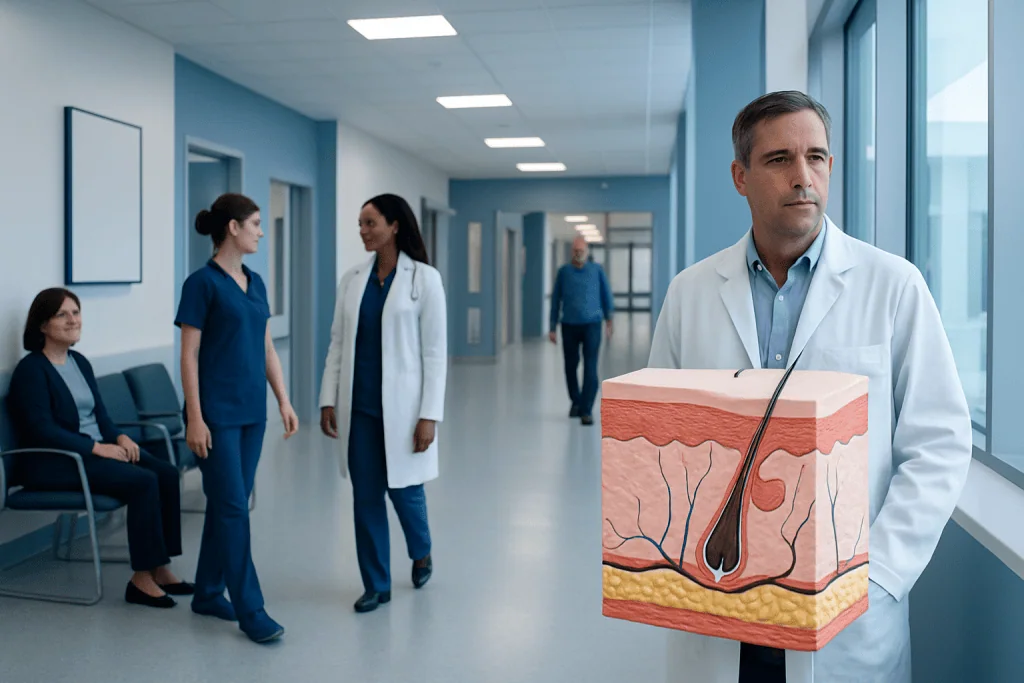
The skin has three main layers: epidermis, dermis, and hypodermis. Each layer has a different job, from barrier protection to cushioning and temperature control.
Key Takeaways
- The skin has three main layers: epidermis, dermis, and hypodermis.
- Each layer has a different job, from barrier protection to cushioning and temperature control.
- Skin color, thickness, sensation, and healing depend on structures found across these layers.
- Common conditions such as eczema, acne, infections, and skin cancer affect different skin layers.
- Daily sun protection, gentle cleansing, and moisturizing support skin barrier health.
- A doctor should assess skin changes that are persistent, painful, spreading, or suspicious.
The layers of skin are the epidermis, dermis, and hypodermis. Together, they form a protective barrier, help control body temperature, support sensation, and play a central role in healing and overall health.
Overview: what the layers of skin are
The layers of skin are the epidermis, dermis, and hypodermis. These layers work together as a living barrier that protects the body from the outside world while also helping with temperature regulation, sensation, immune defense, fluid balance, and wound healing.
Skin is the body’s largest organ, but it is not the same everywhere. It is thinner on the eyelids, thicker on the palms and soles, and constantly renewing itself. Understanding the layers of skin can help patients make sense of common symptoms such as dryness, itching, bruising, rashes, blisters, and changes in moles or wounds.
Rather than thinking of skin as a single sheet, it is more helpful to view it as a layered system. The outer layer blocks irritants and water loss, the middle layer provides strength and support, and the deeper fatty layer cushions the body and helps conserve heat.
The three main layers and what each one does

The epidermis is the outermost layer. It is mainly made of skin cells called keratinocytes, which mature and move upward before shedding naturally. This layer acts as the main barrier against germs, chemicals, and moisture loss. It also contains melanocytes, the cells that produce melanin, the pigment that helps determine skin color and provides some protection against ultraviolet light.
The dermis lies beneath the epidermis. It contains collagen and elastin, which give skin strength and flexibility. The dermis also contains blood vessels, lymph vessels, nerves, hair follicles, sweat glands, and oil glands. Because of these structures, the dermis is central to touch, pain, temperature sensing, circulation, and healing.
The hypodermis, also called the subcutaneous layer, sits below the dermis. It is made largely of fat and connective tissue. This deeper layer cushions muscles and bones, stores energy, insulates the body, and provides a pathway for larger blood vessels and nerves.
In practical terms, everyday skin problems often affect different layers. Dryness and mild irritation commonly involve the epidermis, deeper cuts extend into the dermis, and bruises or some injected medications involve the hypodermis.
A closer look at the epidermis

The epidermis itself has several sublayers, with new cells forming in the deepest part and gradually moving upward. As they travel, they flatten, fill with keratin, and eventually become part of the tough outer surface. This process helps maintain the skin barrier and is the reason healthy skin is always renewing itself.
The outermost portion of the epidermis, often called the skin barrier, is especially important. It helps keep water inside the body and irritants outside. When this barrier is disrupted, skin may become dry, sensitive, itchy, or inflamed. This is a key feature in disorders such as eczema.
The epidermis also participates in immune defense. Specialized cells help recognize harmful substances and trigger protective responses. In addition, melanocytes in the epidermis produce pigment that influences skin tone and contributes to the skin’s response to sun exposure.
- Barrier against infection and irritation
- Limits water loss
- Produces pigment through melanocytes
- Continuously renews and sheds surface cells
What happens in the dermis and hypodermis
The dermis gives skin much of its durability. Collagen provides firmness, while elastin allows stretch and return. With aging, sun exposure, and some illnesses, these structural fibers can change, contributing to wrinkling, fragility, and slower healing.
Because the dermis contains blood vessels, injuries that reach this layer often bleed more than superficial scrapes. Nerve endings in the dermis allow people to feel pressure, pain, heat, cold, and touch. Sweat glands help cool the body, while sebaceous glands release oil that supports lubrication of the skin and hair.
The hypodermis acts as padding and insulation. It helps absorb physical impact and can vary in thickness depending on body area, age, genetics, and nutritional status. Many bruises, pressure injuries, and some inflammatory conditions involve this deeper tissue.
When doctors evaluate a wound, rash, or lump, they often consider how deeply into these layers it extends. This helps guide treatment decisions, including whether dressings, medicines, drainage, biopsy, or procedures are needed.
How the skin layers support healing and overall health
When the skin is injured, healing depends on coordinated activity across all layers. The body first works to stop bleeding and reduce contamination. Next, inflammation clears damaged tissue, new cells begin to form, and collagen is laid down to repair the area. Finally, the skin remodels over time, and a scar may form if the deeper layers were affected.
Superficial injuries that involve only the epidermis often heal without scarring. Deeper wounds that reach the dermis are more likely to scar because collagen repair is involved. If blood flow is poor, infection is present, or chronic disease affects healing, recovery can take longer.
Skin also reflects broader health. Changes in color, temperature, texture, hydration, or wound healing may be linked to allergies, circulation problems, diabetes, infections, autoimmune disease, nutritional deficiencies, or environmental exposure. For this reason, persistent skin symptoms should not be ignored.
In some cases, specialist evaluation may include imaging, blood tests, allergy review, or tissue sampling. If there is concern about suspicious lesions or chronic inflammatory disease, a clinician may recommend further dermatologic assessment and, when appropriate, dermatology care.
Common problems that affect different skin layers
Many common skin conditions can be better understood by knowing which layer is involved. Surface irritation, contact reactions, and barrier problems often start in the epidermis. Acne develops around hair follicles and oil glands, which are anchored in the dermis. Cellulitis and some deeper infections extend into deeper tissues and can cause warmth, swelling, and tenderness.
Sun damage can affect multiple layers over time. Ultraviolet exposure may trigger pigment changes in the epidermis, break down collagen in the dermis, and raise the risk of skin cancer. Patients with changing moles, nonhealing lesions, or crusted spots should seek medical assessment, especially because early detection matters in conditions such as skin cancer.
Burns are also described by depth. Superficial burns mainly affect the epidermis, partial-thickness burns involve the dermis, and deeper burns may extend through all skin layers. Treatment depends on severity, body area involved, and whether there is risk of infection or fluid loss. Some patients may need advanced burn treatment or wound-focused care.
Other conditions linked to the skin layers include:
- Rashes and allergic dermatitis
- Psoriasis and eczema
- Acne and folliculitis
- Bruising and pressure injuries
- Cysts, lipomas, and other lumps beneath the skin
- Wounds, ulcers, and scars
How to protect the skin barrier and support healthy skin
Skin care is most effective when it supports the barrier rather than stripping it. Gentle cleansing, moisturizing, and sun protection are simple measures that help the epidermis retain moisture and reduce irritation. Products do not need to be harsh to be effective, and over-cleansing can worsen dryness and sensitivity.
Daily sun protection is especially important because ultraviolet radiation affects all layers of skin over time. Broad-spectrum sunscreen, shade, hats, and protective clothing help reduce sunburn, premature aging, and skin cancer risk. Patients should also avoid tanning beds and be cautious with midday sun exposure.
Healthy habits support the deeper layers as well. Staying hydrated, eating a balanced diet, not smoking, managing chronic conditions, and treating wounds promptly all contribute to skin resilience and repair. Patients with chronic itching, repeated rashes, or slow-healing wounds may benefit from medical guidance and, if needed, specialized skin treatment depending on the cause.
Near the end of the care pathway, some people need coordinated assessment across dermatology, surgery, pathology, and wound care. Acibadem International’s multidisciplinary specialists in JCI-accredited hospitals diagnose and treat skin-related conditions for international patients when advanced evaluation is needed.
When to seek medical care
Many minor skin problems improve with basic care, but some changes should be assessed by a qualified doctor. Medical review is important for a rash that is severe, widespread, painful, blistering, or associated with fever or swelling. A clinician should also evaluate any wound that is not healing, especially in people with diabetes or poor circulation.
Patients should seek medical care for a mole or spot that changes in size, shape, color, or texture; a lesion that bleeds easily; or a sore that does not heal. Increasing redness, warmth, pus, or tenderness can suggest infection and may need prompt treatment. Sudden swelling of the lips, tongue, or throat requires urgent care.
It is also sensible to seek advice for ongoing dryness, itching, or irritation that does not improve with gentle skin care. A doctor can help determine whether the problem involves allergy, inflammation, infection, autoimmune disease, or another underlying condition and recommend the most appropriate next steps.
Frequently asked questions
What are the 3 main layers of skin?
The three main layers of skin are the epidermis, dermis, and hypodermis. The epidermis is the outer protective barrier, the dermis provides strength and contains glands and nerves, and the hypodermis cushions and insulates the body.
Which skin layer is the thickest?
The thickest layer varies by body area, but the dermis is often the substantial support layer that gives skin structure. The hypodermis can be quite thick in areas where there is more subcutaneous fat.
Why is the epidermis important?
The epidermis is important because it helps keep harmful substances out and moisture in. It also contains pigment-producing cells and is constantly renewing itself to maintain the skin barrier.
Do all skin problems affect the same layer?
No, different conditions affect different layers. For example, dryness and mild irritation often involve the epidermis, while deeper cuts, acne-related inflammation, and bruising may involve the dermis or hypodermis.
Can damaged skin layers heal completely?
Many superficial injuries heal very well, especially if only the epidermis is affected. Deeper injuries can also heal, but they may take longer and can leave a scar if the dermis has been significantly damaged.
How can someone keep the skin barrier healthy?
A healthy skin barrier is supported by gentle cleansing, regular moisturizing, and daily sun protection. Avoiding harsh products, not smoking, and managing chronic health conditions can also help the skin stay resilient.
References
- American Academy of Dermatology
- National Institute of Arthritis and Musculoskeletal and Skin Diseases
- Merck Manual Consumer Version
- Mayo Clinic
- World Health Organization
This article is for general information only and is not a substitute for professional medical advice. Please consult a qualified doctor about your individual situation.
Explore treatments in Turkey — costs, top hospitals & a free quote
JCI-accredited · board-certified surgeons · reply within 24h
Add us as a Preferred Source to see more of our trusted health content across Google Search, AI Overviews and Discover.