Lazy Eye in Adults: Can Amblyopia Still Be Treated?

Amblyopia is not simply an eye that looks different; it is reduced vision caused by abnormal visual development. Adults with lazy eye may still improve vision, depth perception, or eye coordination with proper treatment.
Key Takeaways
- Amblyopia is not simply an eye that looks different; it is reduced vision caused by abnormal visual development.
- Adults with lazy eye may still improve vision, depth perception, or eye coordination with proper treatment.
- Treatment depends on the cause and may include glasses, contact lenses, vision therapy, patching, or treating strabismus or cataracts.
- A full eye examination is important to confirm amblyopia and rule out other causes of reduced vision.
- Early treatment is ideal, but it is never too late to ask an eye specialist whether improvement is possible.
Lazy eye in adults, also called amblyopia, is reduced vision that develops when the brain favors one eye over the other. While treatment is often easiest in childhood, many adults can still benefit from evaluation and targeted care.
Overview: what lazy eye means in adults
Lazy eye, or amblyopia, is a condition in which one eye does not develop normal vision, even though the eye itself may appear healthy. It begins in childhood when the brain receives unequal visual input from the two eyes and gradually starts to rely more on one eye than the other. Over time, the weaker eye’s connection with the brain does not develop as fully as it should.
Many people think amblyopia can only be treated during early childhood. Childhood is the most sensitive period for visual development, but this does not mean treatment is pointless later in life. Adults with amblyopia may still experience meaningful benefits, especially when the underlying reason for poor vision is identified and managed carefully.
Improvement can vary from person to person. Some adults gain clearer vision in the weaker eye, while others notice better eye coordination, improved depth perception, or less visual strain. The main message is reassuring: an evaluation by an eye specialist can help define what is realistically possible and which treatment options may help.
Symptoms and how adult amblyopia may affect daily life
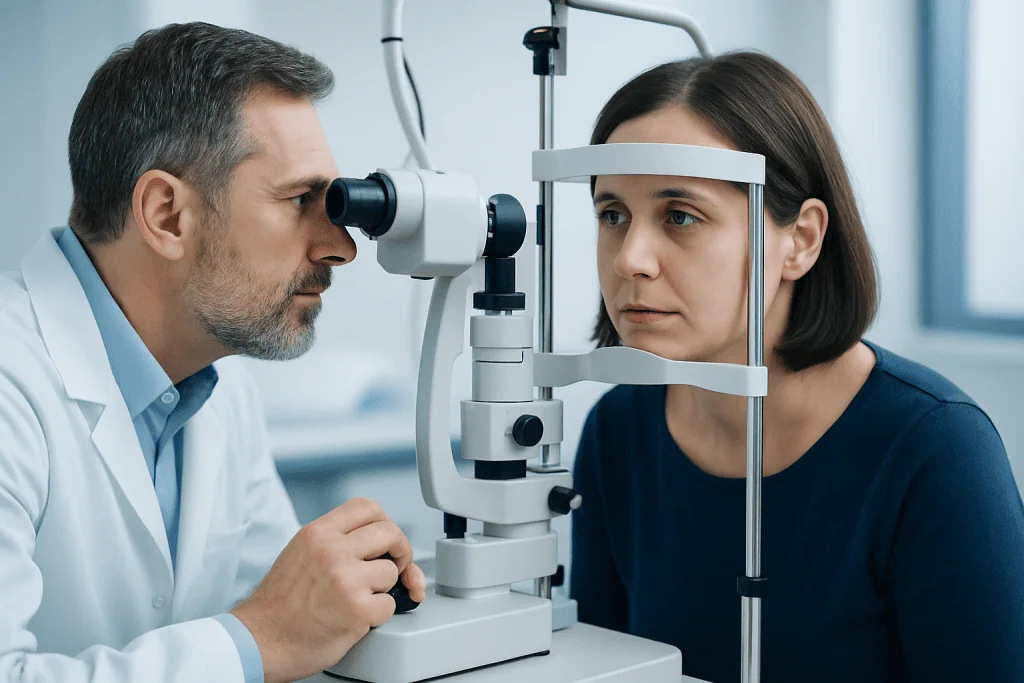
Some adults know they have had a lazy eye since childhood, but others only discover it during a routine eye exam. Amblyopia may be mild and easy to miss, especially if the stronger eye compensates well. In many cases, symptoms are subtle rather than dramatic.
Common signs can include blurred vision in one eye, reduced depth perception, difficulty judging distance, trouble with tasks that need precise visual coordination, and eyes that do not work together comfortably. Some people notice problems during reading, sports, driving, or detailed close work. If a squint, also called strabismus, is present, the eyes may appear misaligned.
Symptoms can vary depending on the cause. A person with longstanding amblyopia may not feel that vision is suddenly worsening, but may realize one eye sees much less clearly when the stronger eye is covered. In adults, it is also important not to assume every difference between the eyes is amblyopia, because conditions such as cataract, retinal disease, or optic nerve problems can cause similar complaints.
- Blurred or reduced vision in one eye
- Poor depth perception
- Eye strain or visual fatigue
- Difficulty with hand-eye coordination
- Possible eye misalignment if strabismus is present
Causes and risk factors

Amblyopia develops when the brain does not receive clear, balanced images from both eyes during early visual development. There are several main reasons this may happen. The most common is refractive amblyopia, where one eye has a significantly different prescription from the other or both eyes have high uncorrected refractive error. When one image is consistently blurrier, the brain begins to prefer the clearer eye.
Another common cause is strabismic amblyopia, which happens when the eyes are not aligned. To avoid double vision, the brain may suppress the image from one eye. Over time, that eye’s visual development is affected. Deprivation amblyopia is less common but especially important; it occurs when something blocks clear vision in early life, such as a congenital cataract, droopy eyelid, or another condition that prevents normal visual input.
Risk factors include a history of childhood strabismus, large differences in glasses prescription between the eyes, high uncorrected farsightedness or astigmatism, prematurity, developmental conditions, and a family history of eye alignment or refractive problems. Adults who have never had a full eye exam may only learn later that a childhood visual development issue was never fully treated. Related conditions may include strabismus or a history of cataract affecting vision early in life.
How lazy eye is diagnosed in adults
Diagnosis starts with a comprehensive eye examination. The goal is not only to measure vision but also to determine why one eye sees less clearly. An eye specialist will usually assess visual acuity in each eye, refraction to check whether glasses may help, eye alignment, eye movements, depth perception, and the health of the front and back of the eye.
A diagnosis of amblyopia is usually considered when vision remains lower in one eye even after the best possible optical correction is found, and when the reduced vision can be explained by abnormal visual development rather than by an active eye disease alone. Because many eye conditions can reduce vision in one eye, ruling out other causes is an important part of the process.
Additional tests may be needed if the findings are not straightforward. For example, the doctor may look carefully for cataract, corneal problems, retinal disorders, or optic nerve disease. This detailed assessment helps guide treatment and also gives a more realistic idea of how much improvement may be achievable. In adults, the response to treatment is often gradual, so a clear starting point is useful for tracking progress over time.
Treatment options: can amblyopia still be treated in adults?
Yes, amblyopia can still be treated in adults in many cases, but treatment goals are individualized. The first step is correcting any refractive error with glasses or contact lenses. Some adults notice improvement from updated optical correction alone, especially if the weaker eye has never had the correct prescription consistently. If there is an underlying problem such as cataract or eye misalignment, treating that issue may also create better conditions for visual function.
Traditional amblyopia treatments include patching the stronger eye or using special eye drops in selected cases to encourage use of the weaker eye. In adults, these methods may still be recommended, although the expected benefit can be more limited and often requires patience and close follow-up. Structured visual training or vision therapy may also be used to support binocular function, focusing, tracking, and coordination between the eyes.
When strabismus contributes to poor eye teamwork, treatment may include prisms, exercises, or strabismus surgery in appropriate patients. If a visually significant lens opacity is present, cataract surgery may be part of care. Some adults also benefit from a fuller assessment in a specialist eye examination setting, where treatment planning is tailored to the exact cause and severity.
It is important to keep expectations realistic and hopeful at the same time. Not every adult will achieve normal vision in the weaker eye, especially if amblyopia is longstanding and severe. Even so, gains in clarity, contrast, comfort, or depth perception can still make daily life easier. The best approach is guided by an ophthalmologist or orthoptist who can monitor progress and adjust treatment safely.
Prevention, self-care, and living well with adult lazy eye
Because amblyopia begins in childhood, the best prevention is early vision screening and prompt treatment of risk factors such as strabismus, large refractive differences, or congenital cataract. For adults, prevention mainly means protecting the stronger eye and making the most of current vision in both eyes. Regular eye checkups are especially important if one eye has limited vision, because the better-seeing eye becomes even more important for daily function.
Self-care includes wearing prescribed glasses or contact lenses consistently, following patching or vision therapy instructions exactly as advised, and attending follow-up appointments. Treatment usually depends on repetition and steady practice rather than quick change. If visual tasks cause strain, simple adjustments such as better lighting, larger print, screen breaks, and proper work distance can help comfort.
Adults with reduced vision in one eye should also discuss practical safety issues with their doctor, such as driving requirements, workplace visual demands, and eye protection during sports or certain jobs. Protective eyewear is a sensible habit, particularly when the stronger eye does most of the visual work. Near the end of the care journey, some patients may seek treatment through centers such as Acibadem International, where multidisciplinary specialists in JCI-accredited hospitals evaluate and manage eye conditions for international patients.
When to see a doctor
Any persistent difference in vision between the two eyes should be assessed by an eye specialist. Even if a person believes they have had a lazy eye for many years, a proper examination is still worthwhile because other eye problems can develop later and may need treatment. It is especially important to seek care if vision seems to have changed recently, because amblyopia itself does not typically cause sudden new symptoms.
Prompt medical advice is also important if there is new eye pain, flashes, floaters, redness, double vision, a drooping eyelid, or a sudden decline in sight. These features may point to another eye or neurological problem rather than stable amblyopia. New strabismus in adulthood also deserves assessment, as it can have causes that need specific treatment.
For anyone asking whether adult treatment is still possible, the most helpful next step is a complete eye exam rather than assuming nothing can be done. In many cases, evaluation brings clarity, reassurance, and a practical treatment plan, even if the main goal is improvement rather than a complete cure.
Frequently asked questions
Can lazy eye in adults really improve?
Yes, some adults with amblyopia can improve with treatment. The degree of improvement varies, but clearer vision, better depth perception, or better eye coordination may still be possible.
Is amblyopia the same as strabismus?
No. Amblyopia means reduced vision from abnormal visual development, while strabismus means the eyes are misaligned. Strabismus can cause amblyopia, but a person can have one without the other.
Will glasses alone fix adult amblyopia?
Glasses are often the first step and may help more than some people expect, especially if the prescription has never been fully corrected. However, glasses alone may not completely treat amblyopia if the brain has strongly favored one eye for many years.
Is patching only for children?
Patching is most commonly associated with childhood treatment, but it may still be used in selected adults under specialist guidance. Adults usually need individualized treatment plans and realistic goals.
Can surgery cure a lazy eye?
Surgery does not directly treat the brain-based vision loss of amblyopia. However, surgery may help correct an underlying cause such as strabismus or cataract, which can improve eye alignment, visual function, and the chance of benefit from other treatments.
When should an adult with suspected lazy eye seek medical advice?
An adult should arrange an eye examination if one eye has always seen less clearly or if there is any noticeable difference between the eyes. Urgent care is needed if there is sudden vision loss, pain, new double vision, or other sudden eye symptoms.
References
- American Academy of Ophthalmology
- National Eye Institute
- American Association for Pediatric Ophthalmology and Strabismus
- Royal College of Ophthalmologists
This article is for general information only and is not a substitute for professional medical advice. Please consult a qualified doctor about your individual situation.
Explore treatments in Turkey — costs, top hospitals & a free quote
JCI-accredited · board-certified surgeons · reply within 24h
Add us as a Preferred Source to see more of our trusted health content across Google Search, AI Overviews and Discover.

Ophthalmology
Comprehensive eye care from laser vision correction to retina, cornea and cataract surgery.
75 specialists in this unitMore from the Health Library



Related Specialists

Dr. Tufan Çiftçi
Pathology
Prof. Dr. Nergiz Hüseyinoğlu
Neurology
Dr. Mustafa Kemal Gürsel
Otorhinolaryngology
Assoc. Prof. Dr. Işıl Fazilet Kartaloğlu
Physical Medicine & Rehabilitation