Liberate Trial Endobronchial Valve Nejm 2018 Pdf: An Evidence-Based Patient Guide

Endobronchial valves are one-way devices placed by bronchoscopy to reduce overinflation in a damaged part of the lung. The LIBERATE trial supported valve treatment for carefully selected people with severe heterogeneous emphysema and little or no collateral ventilation.
Key Takeaways
- Endobronchial valves are one-way devices placed by bronchoscopy to reduce overinflation in a damaged part of the lung.
- The LIBERATE trial supported valve treatment for carefully selected people with severe heterogeneous emphysema and little or no collateral ventilation.
- Not everyone with COPD or emphysema is eligible; detailed lung testing, imaging and airway assessment are essential.
- Pneumothorax, or a collapsed lung, is the most important early complication and is why hospital observation is usually needed.
- Valves do not cure emphysema, but they may improve breathing, exercise capacity and quality of life for appropriate candidates.
The LIBERATE trial endobronchial valve NEJM 2018 PDF is widely searched by people looking for evidence about a minimally invasive treatment for severe emphysema. The study showed that selected patients with hyperinflation and little or no collateral airflow between lung sections may experience meaningful improvements after valve placement, although the procedure also has important risks that require close follow-up.
Understanding the LIBERATE Trial and Endobronchial Valves
The LIBERATE trial was a clinical study published in 2018 in the New England Journal of Medicine. It evaluated bronchoscopic lung volume reduction using one-way endobronchial valves in people with severe heterogeneous emphysema. These small devices are placed through a flexible bronchoscope rather than through open chest surgery.
Emphysema damages the air sacs in the lungs. In some people, a particularly damaged area becomes overinflated and traps air, leaving less room for healthier lung tissue to expand effectively. Endobronchial valves are designed to let trapped air and mucus leave the targeted lobe while preventing air from entering it. Over time, the treated area may shrink, allowing the remaining lung and breathing muscles to work more efficiently.
The trial found that, compared with standard medical care alone, appropriately selected participants who received valves were more likely to have improvement in lung function. Improvements in exercise tolerance, breathlessness and health-related quality of life were also reported. However, the benefits must be weighed against procedure-related complications, particularly pneumothorax.
How Endobronchial Valve Treatment Works
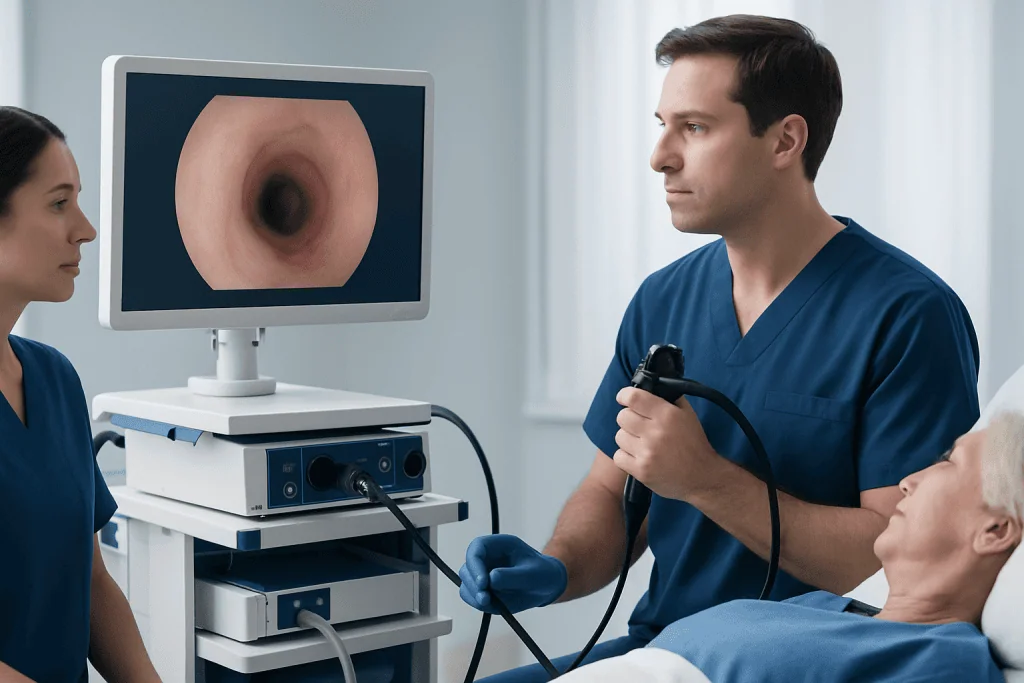
Endobronchial valve treatment is also called bronchoscopic lung volume reduction. A pulmonologist uses a bronchoscope, a thin flexible tube passed through the mouth into the airways, to place several one-way valves in the bronchial branches leading to the most damaged lung lobe. The valves are sized to fit the individual airways.
Once in position, the valves block inhaled air from reaching the targeted lobe. Air that is already trapped behind the valves can gradually escape during exhalation. If the target lobe collapses or reduces in volume as intended, pressure on healthier lung tissue and the diaphragm may lessen. This can make breathing feel easier for some patients.
The treatment does not repair destroyed air sacs or reverse COPD. It is considered an additional option alongside smoking cessation, inhaled medicines, pulmonary rehabilitation, vaccinations and oxygen therapy when needed. A specialist team may discuss endobronchial valve treatment when symptoms remain limiting despite comprehensive care.
Who Is a Candidate for Endobronchial Valves?

Potential candidates generally have severe emphysema with substantial air trapping and breathlessness despite optimized medical treatment. They are usually former smokers or have stopped smoking, participate in or have completed pulmonary rehabilitation where appropriate, and are well enough to undergo bronchoscopy and short-term hospital monitoring.
A central part of selection is determining whether the target lobe has little or no collateral ventilation. Collateral ventilation means airflow reaching one lung section from neighboring sections through pathways outside the usual airways. If this airflow is present, the target lobe may not deflate after valves are placed. Thin-slice chest CT imaging and, in some cases, an assessment during bronchoscopy help the team evaluate this factor.
Other assessments commonly include breathing tests, lung-volume measurements, a walking test, oxygen assessment, blood tests and review of heart health. Valve treatment may not be suitable for people with active lung infection, unstable heart disease, severe <a href="https://acibademinternational.com/diseases/pulmonary-hypertension/”>pulmonary hypertension, very poor overall reserve, untreated airway disease or anatomy that does not allow safe valve placement. The decision is individualized, often involving pulmonology, interventional pulmonology, radiology, anesthesia and rehabilitation specialists.
What Is the Procedure for Endobronchial Valve Placement?
Before the procedure, the team reviews imaging, lung function results, medications and anesthesia considerations. Blood-thinning medicines may need special planning, but patients should never stop prescribed medication without instructions from their clinician. The procedure is performed in a hospital or specialized bronchoscopy unit, commonly with general anesthesia or deep sedation.
During bronchoscopy, the physician guides the bronchoscope through the mouth and into the breathing tubes. The target lobe is confirmed, airway branches are measured and one-way valves are placed in the selected segmental or subsegmental bronchi. The number of valves depends on the person’s airway anatomy and the lobe being treated. There are no chest incisions.
Afterward, the patient is observed closely, often in hospital for several days, because a pneumothorax is most likely to occur early after treatment. Chest imaging and regular clinical checks help identify complications quickly. If treatment is successful, changes in symptoms and lung function may develop over days to weeks, although the pace and degree of improvement vary.
Benefits, Risks and Recovery Timeline
For the right candidate, possible benefits include better airflow, less air trapping, reduced breathlessness, improved walking ability and a better ability to manage everyday tasks. The LIBERATE trial supports these potential benefits in selected people with severe heterogeneous emphysema and absent collateral ventilation. Results are not identical for every patient, and some people may have little improvement.
The most significant risk is pneumothorax, which occurs when air leaks into the space around the lung and may cause part of the lung to collapse. It can cause sudden chest pain, worsening shortness of breath, fast heartbeat or low oxygen levels. Treatment may include observation, oxygen and placement of a chest tube; less commonly, further procedures may be necessary.
Other possible complications include COPD exacerbation, pneumonia, coughing up blood, airway irritation, valve movement, mucus blockage and the need to remove or replace a valve. Recovery includes monitoring for these problems, gradually returning to activity as advised, continuing prescribed inhalers and following up with the respiratory team. Pulmonary rehabilitation can remain an important part of longer-term recovery.
Are There Any Clinical Trials for Emphysema?
Yes. Clinical trials continue to study emphysema and COPD treatments, including bronchoscopic techniques, new devices, medicines, rehabilitation approaches and ways to improve patient selection. Some trials compare different lung volume reduction strategies, while others investigate treatments for people who do not qualify for currently available procedures.
Participation depends on the study’s eligibility criteria, location, timing and a person’s medical history. A trial may involve additional visits, tests, random assignment to different treatment groups or specific follow-up requirements. Joining a study is voluntary, and participants should receive clear information about possible benefits, uncertainties and risks before providing informed consent.
A respiratory specialist can help determine whether a clinical trial is reasonable to consider. Reputable trial information is commonly available through national clinical trial registries, academic medical centers and professional respiratory organizations. A trial should complement—not replace—ongoing evidence-based care for emphysema and COPD.
When to Seek Medical Care
Anyone with increasing breathlessness, reduced ability to perform usual activities, frequent COPD flare-ups or uncertainty about emphysema treatment options should arrange a review with a respiratory doctor. The clinician can assess whether symptoms may improve with medication adjustments, rehabilitation, oxygen evaluation, smoking cessation support or referral for advanced treatment assessment.
Urgent medical attention is needed for sudden or severe shortness of breath, new chest pain, blue or gray lips, confusion, fainting, coughing up a large amount of blood, or symptoms of a serious chest infection such as high fever and rapidly worsening breathing. These symptoms can have several causes and require prompt assessment.
After valve placement, patients should follow the discharge plan carefully and report new chest pain, sudden breathlessness, fever, persistent coughing or a marked change in oxygen needs without delay. Acibadem International’s multidisciplinary specialists at JCI-accredited hospitals evaluate and treat complex respiratory conditions for international patients, including assessment for advanced emphysema therapies.
Frequently asked questions
What did the LIBERATE trial show about endobronchial valves?
The LIBERATE trial found that selected people with severe heterogeneous emphysema had better lung function after endobronchial valve treatment than with standard care alone. Participants also showed average improvements in exercise capacity, breathlessness and quality of life measures. The study also confirmed that pneumothorax is an important risk, especially soon after the procedure.
Who is a candidate for endobronchial valves?
Candidates are usually people with severe emphysema, significant air trapping and ongoing symptoms despite optimized COPD treatment. They need detailed testing to identify a suitable target lobe and to confirm little or no collateral ventilation. A specialist team also considers smoking status, rehabilitation, heart health, infection risk and overall ability to tolerate the procedure.
What are the risks of endobronchial valves?
The main early risk is pneumothorax, meaning a collapsed lung caused by air entering the space around the lung. Other possible risks include COPD flare-up, pneumonia, coughing up blood, valve movement, mucus blockage and the need for valve removal or additional procedures. Hospital observation after placement helps clinicians detect and manage complications promptly.
What is the procedure for endobronchial valve placement?
A physician places the valves through a flexible bronchoscope passed through the mouth into the airways. The procedure is performed with anesthesia or deep sedation, and no surgical chest incision is needed. Afterward, the patient stays under close observation, often for several days, because complications can occur soon after treatment.
Are there any clinical trials for emphysema?
Clinical trials for emphysema are ongoing and may study valves, other bronchoscopic approaches, medicines, rehabilitation methods and new technologies. Eligibility differs by trial and may depend on emphysema pattern, lung function, prior treatments and other health conditions. A pulmonologist can help a person explore whether a suitable study is available and appropriate.
Can endobronchial valves cure emphysema?
No. Endobronchial valves do not restore damaged air sacs or cure emphysema. They aim to reduce overinflation in a selected part of the lung so healthier areas and the diaphragm can function more effectively. Some appropriately selected patients experience meaningful symptom improvement, but results vary.
References
- New England Journal of Medicine
- Global Initiative for Chronic Obstructive Lung Disease
- American Thoracic Society
- European Respiratory Society
- U.S. Food and Drug Administration
This article is for general information only and is not a substitute for professional medical advice. Please consult a qualified doctor about your individual situation.
Explore treatments in Turkey — costs, top hospitals & a free quote
JCI-accredited · board-certified surgeons · reply within 24h
Add us as a Preferred Source to see more of our trusted health content across Google Search, AI Overviews and Discover.

More from the Health Library



Related Specialists

Dr. Kamuran Mutluay
Pediatrics
Asst. Prof. Dr. Zeynep Güral
Radiation Oncology
Assoc. Prof. Dr. Esra Nur Ademoğlu Dilekçi
Endocrinology
Prof. Dr. Özlem Aydoğ
Pediatrics