Lifting: Candidacy, Procedure Steps, and Recovery Timeline

Lifting can address sagging skin and deeper soft tissues in the face, neck, arms, thighs, abdomen, or body after aging or weight loss. Good candidates are generally healthy, have realistic expectations, and want to improve contour rather than stop aging completely.
Key Takeaways
- Lifting can address sagging skin and deeper soft tissues in the face, neck, arms, thighs, abdomen, or body after aging or weight loss.
- Good candidates are generally healthy, have realistic expectations, and want to improve contour rather than stop aging completely.
- Procedure steps vary by area, but usually include anesthesia, planned incisions, tissue repositioning, excess skin removal, and careful closure.
- Recovery often involves swelling, bruising, activity limits, and gradual improvement over several weeks to months.
- Benefits may include smoother contours and longer-lasting improvement than non-surgical options, but surgery also carries risks such as scarring, bleeding, infection, and asymmetry.
- A qualified plastic surgeon can explain whether lifting alone or combined procedures would best meet a patient’s goals.
Lifting is a cosmetic surgical approach used to tighten loose tissues, improve contour, and reduce visible sagging in the face or body. The right procedure, recovery time, and expected result depend on which area is treated, overall health, and the degree of skin laxity.
Overview: what lifting means in cosmetic surgery
Lifting is a broad term for cosmetic procedures that tighten and reposition tissues that have descended with time, gravity, pregnancy, or significant weight change. It may refer to surgery on the face and neck, or to body contouring procedures such as an arm, thigh, tummy, or lower body lift. In general, lifting aims to improve shape and firmness by addressing more than the skin alone.
Unlike creams or injectable treatments, surgical lifting can work on deeper tissue layers and remove excess skin. This makes it more suitable when sagging is moderate to advanced. Depending on the area, lifting may be performed as facelift surgery, a neck lift, arm lift, thigh lift, or as part of broader plastic surgery planning.
Lifting does not permanently stop aging, and it does not create perfect symmetry. Instead, it is best understood as a structural procedure that restores contour and can produce a more rested, firmer, or more proportionate appearance. The exact technique is individualized after physical examination and discussion of the patient’s goals.
Who may be a good candidate for lifting
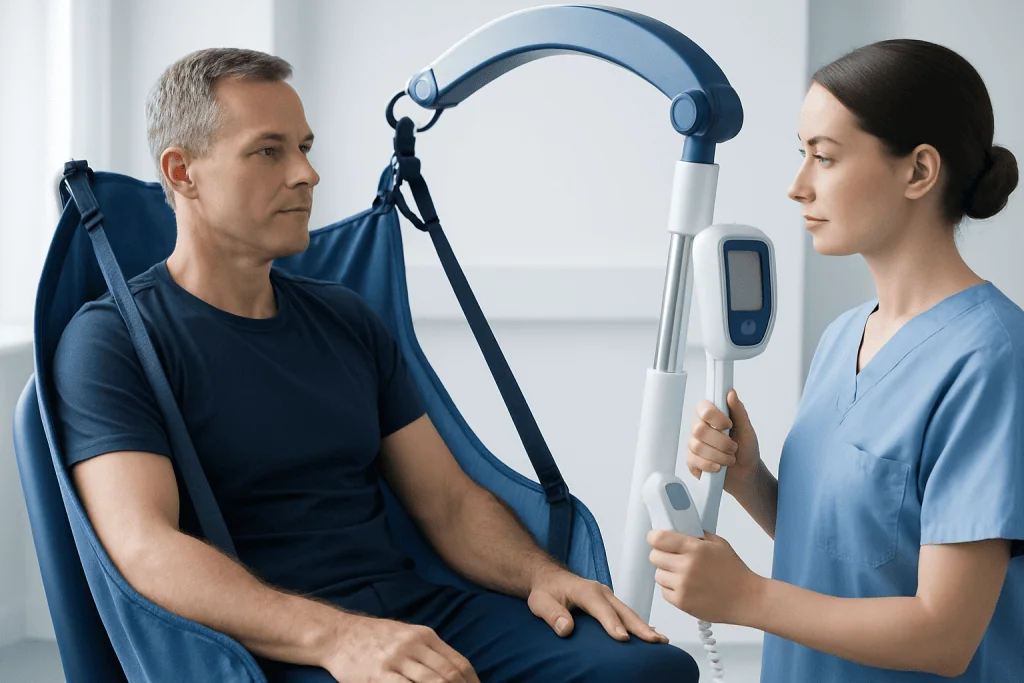
A good candidate for lifting is usually someone bothered by loose, drooping, or hanging skin that does not improve with exercise, skin care, or non-surgical treatments. Common examples include jowls and neck laxity, heavy upper arms, sagging thighs, or loose abdominal skin after pregnancy or weight loss. The procedure may also help people who want contour improvement after treatment for obesity, including those with obesity.
Most surgeons look for stable overall health, realistic expectations, and enough recovery support at home. Non-smokers, or people willing to stop nicotine use before and after surgery, are generally better candidates because wound healing depends on good blood flow. It is also important that weight is relatively stable, especially for body lifting procedures, since ongoing large weight changes can affect results.
Lifting may be less suitable for people with uncontrolled medical conditions, active skin infections, poor wound healing, or expectations that surgery can completely change identity or stop natural aging. During consultation, the surgeon considers skin quality, deeper tissue support, scar tendency, and whether a combined plan might be safer and more effective than a single extensive operation.
How lifting works and what areas it can treat
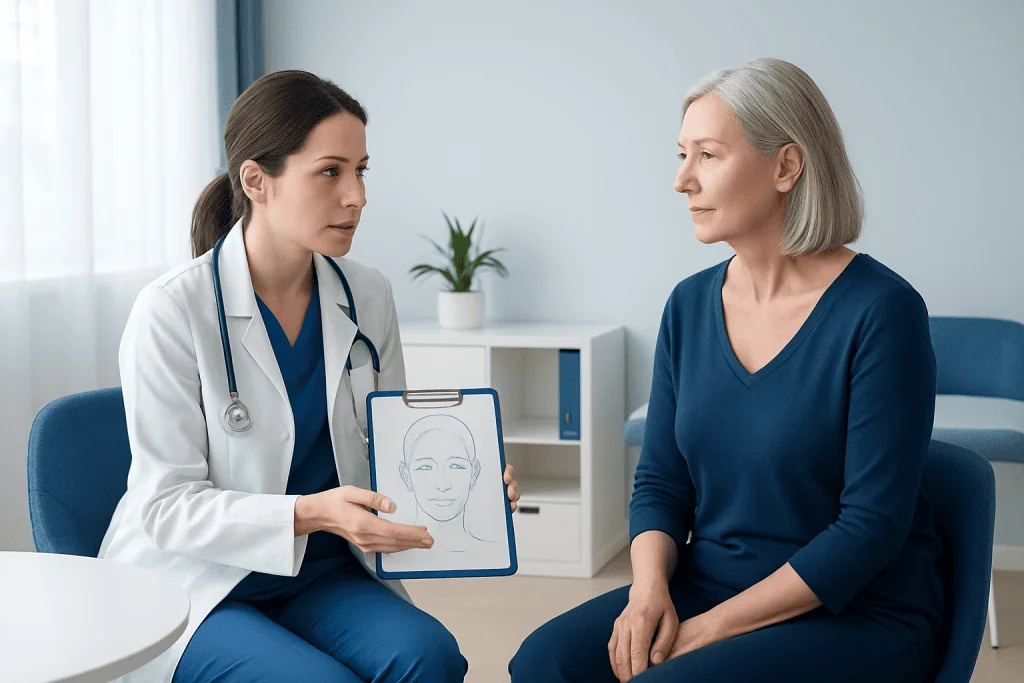
The principle behind lifting is simple: tissues that have stretched or descended are repositioned to a more youthful or functional contour, and excess skin is removed. In many procedures, the surgeon tightens underlying connective tissues rather than pulling only the surface skin. This helps create a more natural result and can reduce tension on the incision lines.
In facial lifting, the treatment commonly targets the cheeks, jawline, and neck. A surgeon may adjust the deeper facial support layer and then re-drape the skin smoothly. This is different from non-surgical skin tightening, which can offer milder improvement but cannot remove extra skin or reposition deeper structures in the same way.
In body lifting, the aim is to improve shape and reduce folds of skin that may cause discomfort, hygiene concerns, or clothing fit problems. Procedures may focus on one area or may be combined with body contouring after major weight change. Patients with laxity and fat together may also be assessed for whether liposuction would be helpful alongside a lift, although not everyone needs both.
Step-by-step: what happens during a lifting procedure
The process begins before the operation itself. In consultation, the surgeon reviews medical history, medications, allergies, smoking status, previous procedures, and desired outcomes. Photographs may be taken for planning, and the patient may receive instructions about stopping certain medicines, arranging help at home, and preparing for recovery.
On the day of surgery, the treatment area is marked while the patient is upright so the surgeon can see natural tissue position. Lifting is usually performed under local anesthesia with sedation or general anesthesia, depending on the area and complexity. Once anesthesia takes effect, the surgeon makes carefully placed incisions designed to give access while keeping scars as discreet as possible.
The deeper tissues are then tightened or repositioned, excess skin is removed, and the skin is closed with sutures or other closure techniques. Small drains are sometimes used, especially in larger body lifts, to reduce fluid buildup. Dressings or a compression garment may be applied, and the patient is monitored before going home the same day or staying overnight, depending on the extent of surgery.
Although the steps are similar across procedures, the details vary. A face or neck lift often uses incisions around the ears and hairline, while body lifts use longer incisions placed where they can be covered by clothing. The surgeon explains the exact plan in advance so the patient understands what scars, aftercare, and milestones to expect.
Recovery timeline: what to expect after lifting
Recovery after lifting usually starts with swelling, bruising, tightness, and mild to moderate discomfort that improve gradually. The first few days are focused on rest, wound care, walking gently, taking prescribed medicines as directed, and avoiding strain. It is common to feel tired early on, especially after larger procedures or general anesthesia.
During the first one to two weeks, dressings may be changed, drains may be removed if used, and follow-up visits help the team assess healing. Many patients can return to light daily activities within this period, but visible bruising and swelling may still be present. Facial lifting often allows social recovery sooner than extensive body lifting, though this varies from person to person.
Over the next several weeks, swelling settles further and the shape becomes clearer. Exercise, heavy lifting, and stretching of the operated area are usually limited until the surgeon confirms it is safe. Scar lines often look more noticeable at first and then soften over time. Final results may continue to refine over several months as tissues relax into place.
Recovery is not only physical. It can help to prepare for temporary changes in appearance and sensation, including numbness, firmness, or uneven swelling during early healing. Following instructions closely, keeping follow-up appointments, and asking questions promptly can support a smoother recovery and help identify any concerns early.
Benefits, limitations, and possible risks
The main benefit of lifting is that it can improve laxity in a way non-surgical treatments usually cannot. By treating deeper tissues and removing excess skin, surgery can restore smoother contours, reduce folds, and create a more refreshed appearance. For some patients, body lifting may also improve comfort, movement, hygiene, or how clothing fits.
At the same time, lifting has limits. It does not change skin quality in every respect, erase every line, or prevent future aging or tissue relaxation. Some people may still benefit from a broader plan that includes skin care, weight stability, sun protection, or additional procedures. A good outcome depends on matching the technique to the patient’s anatomy and goals.
All surgery carries risks, even when performed carefully. Possible complications include bleeding, infection, delayed wound healing, fluid collection, numbness, unfavorable scarring, asymmetry, contour irregularity, blood clots, or reactions related to anesthesia. Facial procedures can also carry specific nerve-related risks, while body lifts may involve longer scars and more wound-care needs.
Risk can be reduced by choosing a qualified surgeon, sharing full medical information, stopping nicotine, and following aftercare instructions. Patients should feel comfortable discussing scar placement, recovery demands, and the chance that a revision procedure may occasionally be needed to refine the result.
Preparation, self-care, and protecting results
Good preparation begins weeks before surgery. Patients are often advised to avoid nicotine, maintain steady nutrition, control chronic conditions, and arrange practical help at home for the first days of recovery. If the lift is planned after major weight change, a stable weight is especially important because continued weight fluctuation can affect contour and skin tension.
After surgery, self-care focuses on wound protection, activity modification, hydration, and gradual return to movement. Compression garments, head elevation, or specific sleeping positions may be recommended depending on the area treated. It is usually wise to avoid strenuous exercise, heavy lifting, and direct sun exposure to scars until healing is more established.
Long-term results are best supported by healthy habits. Sun protection can help preserve facial lifting results, while regular exercise and weight stability help maintain body contour. Although no surgery can stop the natural aging process, thoughtful aftercare often helps results look better and last longer.
Near the end of treatment planning, some patients seek care in centers with coordinated specialties. Acibadem International’s multidisciplinary specialists and JCI-accredited hospitals diagnose and treat patients seeking lifting procedures, including international patients who may need evaluation, surgery, and follow-up planning in one system.
When to seek medical care
A person considering lifting should seek medical advice when skin laxity, tissue descent, or contour changes are affecting confidence, comfort, clothing fit, or daily quality of life. A consultation is also useful when a patient is unsure whether surgery or a less invasive option is more appropriate. Professional assessment helps clarify what can realistically be improved and what type of recovery is involved.
After a lifting procedure, urgent medical review is important if there is increasing rather than improving pain, rapidly expanding swelling, bleeding that does not stop, fever, shortness of breath, chest pain, or wound drainage that looks concerning. New weakness, severe redness, or one-sided changes that appear suddenly should also be reported promptly. Early communication allows complications to be assessed and treated without delay.
Even when recovery seems uncomplicated, regular follow-up matters. The surgeon can monitor healing, guide return to activity, and advise when scars, swelling, or numbness are progressing normally. Patients should not hesitate to ask for medical advice if they feel uncertain at any stage of recovery.
Frequently asked questions
Is lifting the same as a facelift?
Not always. Facelift is one type of lifting that focuses on the face and often the jawline and neck. The term lifting can also describe surgery on the arms, thighs, abdomen, breasts, or lower body.
How long does recovery from lifting usually take?
Early recovery often takes one to two weeks, but this depends on the area treated and the extent of surgery. Swelling, tightness, and scar maturation can continue to improve over several weeks to months.
Will lifting leave scars?
Yes, all lifting procedures involve incisions and therefore scars. Surgeons usually place them in less visible areas when possible, and many scars fade gradually with time, though they do not disappear completely.
Can lifting be combined with other cosmetic procedures?
In some cases, yes. A surgeon may combine lifting with procedures such as liposuction or other contouring treatments if it is medically appropriate and safe. The decision depends on overall health, surgical time, and the goals of treatment.
How long do lifting results last?
Results can be long-lasting, especially when weight remains stable and aftercare instructions are followed. However, aging continues, so some gradual change over time is normal even after a successful procedure.
Is lifting painful?
Most patients experience soreness, tightness, and swelling rather than severe pain. Discomfort is usually most noticeable in the first days and is managed with the care plan provided by the surgical team.
References
- American Society of Plastic Surgeons
- American Board of Cosmetic Surgery
- National Health Service
- Mayo Clinic
- U.S. Food and Drug Administration
This article is for general information only and is not a substitute for professional medical advice. Please consult a qualified doctor about your individual situation.
Explore treatments in Turkey — costs, top hospitals & a free quote
JCI-accredited · board-certified surgeons · reply within 24h
Add us as a Preferred Source to see more of our trusted health content across Google Search, AI Overviews and Discover.