

Limbal Stem Cell Deficiency: An Evidence-Based Patient Guide

Limbal stem cells continually renew the corneal epithelium, the clear outer layer of the eye. Chemical injury, contact lens-related damage, inflammatory eye disease and some surgeries can contribute to limbal stem cell deficiency.
Key Takeaways
- Limbal stem cells continually renew the corneal epithelium, the clear outer layer of the eye.
- Chemical injury, contact lens-related damage, inflammatory eye disease and some surgeries can contribute to limbal stem cell deficiency.
- Diagnosis requires a detailed eye-surface examination and may include specialized imaging or laboratory testing.
- Treatment starts with protecting the ocular surface and addressing the underlying cause; selected patients may benefit from limbal stem cell procedures.
- Early specialist assessment is important when pain, persistent redness, light sensitivity or vision changes occur.
Limbal stem cell deficiency occurs when the stem cells at the edge of the cornea can no longer maintain a clear, healthy eye surface. It can lead to discomfort, recurrent surface injury and reduced vision, but the outlook often improves when the cause is identified and treatment is tailored to the extent of damage.
Overview: what is limbal stem cell deficiency?
Limbal stem cell deficiency (LSCD) is an eye-surface disorder in which stem cells in the limbus—the narrow border between the clear cornea and the white part of the eye—are lost or do not work properly. These cells normally replace the corneal epithelium, a protective transparent layer that helps keep vision clear and the eye comfortable.
When too few functioning limbal stem cells remain, tissue from the conjunctiva may grow across the cornea. This can make the corneal surface irregular, inflamed and less transparent. The condition may affect one eye or both eyes, and it can range from mild, localized disease to extensive involvement of the whole corneal surface.
Limbal stem cell deficiency pathology is not simply a problem within the cornea itself. It also involves the supporting limbal environment, tear film, eyelids and inflammation around the eye surface. Care therefore focuses both on replacing or supporting cells when appropriate and on creating a healthier environment for them to survive.
What are the common symptoms of limbal stem cell deficiency?
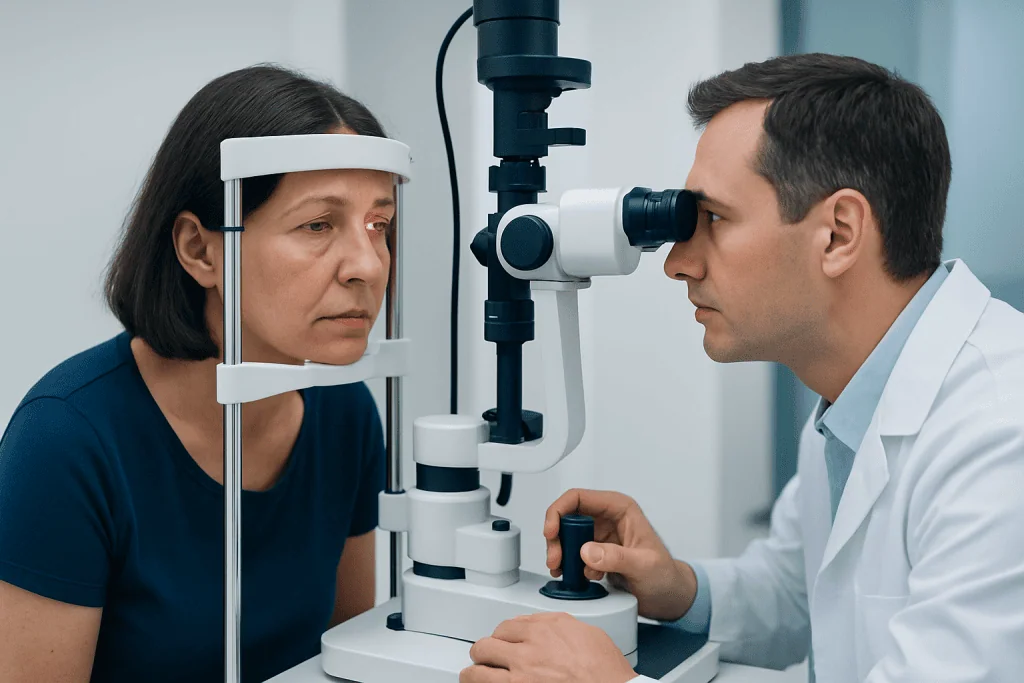
Symptoms depend on how much of the limbus is affected and whether one or both eyes are involved. Some people notice gradual blurring, while others develop symptoms after an injury, surgery or prolonged contact lens wear. Vision may fluctuate because the corneal surface becomes uneven.
Common symptoms include:
- Blurred, hazy or reduced vision
- Eye redness, irritation, burning or a gritty sensation
- Light sensitivity
- Excess tearing or, sometimes, dry-eye symptoms
- Eye pain, especially if the surface has breaks or recurrent erosions
- Difficulty wearing contact lenses
These symptoms are not unique to LSCD. Dry eye disease, infection, allergy, corneal scarring and other corneal conditions can feel similar, so an examination by an ophthalmologist is important rather than self-diagnosis.
Causes and risk factors

LSCD can be acquired or, less commonly, inherited. A major cause is chemical or thermal injury to the eye. Severe inflammation, repeated trauma or scarring can also damage the limbal region directly.
Other possible contributors include prolonged or improper contact lens use, multiple eye surgeries, chronic use of certain preserved eye drops, radiation exposure and severe eye-surface disorders. Autoimmune or inflammatory conditions that affect mucous membranes may be associated with more complex, often bilateral disease.
Some people develop LSCD after conditions that affect the cornea and conjunctiva, including severe infections or chronic eyelid disease. In younger people, rare genetic conditions may interfere with normal limbal stem cell function. Identifying the original cause is central to planning limbal stem cell deficiency treatment and estimating the likely course.
Limbal stem cell deficiency diagnosis and differential diagnosis
An ophthalmologist, often a cornea or ocular-surface specialist, diagnoses LSCD through medical history and a careful slit-lamp examination. The clinician looks for an irregular corneal epithelium, abnormal blood vessels, conjunctival tissue growing onto the cornea and staining patterns after diagnostic eye drops are used.
Additional tests may include corneal photography, anterior-segment optical coherence tomography, confocal microscopy or impression cytology. These investigations can help assess the extent of stem cell loss and distinguish corneal cells from conjunctival cells on the corneal surface.
Limbal stem cell deficiency differential diagnosis may include dry eye disease, neurotrophic keratitis, corneal infection, exposure-related corneal damage, epithelial basement membrane disorders and conjunctival scarring disorders. A clinician also evaluates eyelid position, blink function, tear production, medications and contact lens habits because these can worsen eye-surface disease or alter treatment choices.
Can limbal stem cell deficiency be cured?
Whether LSCD can be cured depends on its cause, severity and whether one or both eyes are affected. Mild or partial disease may improve substantially when the underlying trigger is removed and the eye surface is protected. For example, stopping contact lens wear for a period, treating inflammation or changing problematic topical medications may allow remaining limbal cells to recover.
More extensive LSCD may not resolve with supportive treatment alone. In selected patients, surgical approaches designed to restore limbal stem cells can rebuild the corneal surface. However, long-term success also depends on controlling inflammation, dryness, eyelid problems and the original disease that caused the deficiency.
The limbal stem cell deficiency prognosis is generally better when the condition is recognized early, affects only part of the limbus and has a reversible cause. Severe bilateral disease can be more challenging, but specialized treatment plans can still improve comfort, protect the cornea and support functional vision.
Limbal stem cell deficiency treatment: from surface protection to cell-based procedures
Treatment is individualized. Initial care commonly aims to reduce inflammation, improve lubrication, protect the cornea and remove avoidable sources of injury. Depending on the situation, an ophthalmologist may recommend preservative-free lubricating drops, treatment for eyelid or tear-film problems, therapeutic contact lenses, amniotic membrane treatment, changes to contact lens use or carefully selected anti-inflammatory medicines.
If the disease is advanced and the eye surface is stable enough for surgery, limbal stem cell transplantation may be considered. When one eye is healthy, a small amount of limbal tissue may be taken from that eye and transferred to the affected eye. When both eyes are affected, options may include cultivated cell techniques, donor tissue in carefully selected cases or procedures combined with systemic treatment when immune disease is present.
Before any procedure, the specialist considers the degree of LSCD, the health of the eyelids and tear film, corneal scarring, infection risk and whether the other eye can safely serve as a tissue source. A corneal transplant alone may not succeed if the stem cell deficiency has not been addressed, because the new corneal surface still needs a healthy source of epithelial cells.
At Acibadem International, multidisciplinary ophthalmology specialists at JCI-accredited hospitals assess complex ocular-surface conditions and discuss appropriate medical or surgical options for international patients.
How limbal stem cell procedures work, who may be eligible and recovery
The purpose of a limbal stem cell procedure is to restore a population of cells capable of renewing the corneal epithelium. The approach varies: tissue may be transferred directly from a healthy area, or cells may be expanded in a laboratory before placement on the affected eye. The exact technique depends on whether LSCD is unilateral or bilateral and on local clinical availability.
In broad terms, the procedure involves preparing the abnormal tissue on the corneal surface, placing limbal tissue or a cell-containing graft, and protecting the eye during early healing. A bandage contact lens, surface covering or other protective method may be used. Follow-up visits are essential to monitor epithelial healing, inflammation, pressure within the eye and signs of infection or graft problems.
Recovery is gradual. Initial surface healing may take weeks, while stabilization of vision can take months. Prescription drops and activity precautions are individualized, and patients should not rub the eye or restart contact lens wear unless their ophthalmologist approves it.
Potential benefits include a more stable eye surface, less discomfort and improved corneal clarity. Risks vary by technique but can include infection, inflammation, scarring, raised eye pressure, recurrent LSCD, failure of the graft to establish and, for donor-based procedures, immune rejection. A specialist can explain the expected benefits and limitations for the individual eye.
Can stem cells in the eye help restore vision?
Stem cell-based eye-surface treatment can help restore a clearer, more stable corneal surface in appropriately selected people with LSCD. If vision loss is mainly caused by an unstable epithelium or conjunctival tissue covering the cornea, successful restoration of limbal function may improve vision as well as comfort.
Vision may not return fully if there are additional problems, such as deep corneal scarring, cataract, glaucoma, retinal disease or optic nerve damage. For this reason, clinicians assess the entire visual system before discussing likely outcomes.
Cell-based procedures are specialized treatments rather than routine first-line care. They are usually considered after the underlying cause has been managed and the ocular surface is sufficiently stable to support healing.
When to seek medical care
Prompt eye assessment is advisable for persistent redness, pain, marked light sensitivity, worsening blurred vision, a feeling of something stuck in the eye or difficulty opening the eye. Urgent evaluation is particularly important after a chemical splash, burn, eye injury or sudden vision change.
Anyone with chronic contact lens discomfort, recurrent corneal abrasions or symptoms that do not improve with routine dry-eye measures should arrange an ophthalmology appointment. People with known inflammatory eye-surface disease or a history of multiple eye surgeries may benefit from early cornea-specialist review.
Until reviewed, people should avoid using someone else’s eye drops, avoid rubbing the eye and avoid continuing contact lenses if they are painful or cause redness. A clinician can advise on safe short-term surface protection and whether urgent treatment is needed.
Frequently asked questions
Is limbal stem cell deficiency rare?
LSCD is considered an uncommon condition, although mild or early cases may be under-recognized. It is more likely to occur after significant eye-surface injury, chronic inflammation, prolonged contact lens-related damage or certain rare inherited disorders. A specialist examination is needed because its symptoms overlap with more common eye-surface problems.
Can limbal stem cell deficiency be cured?
Some mild or partial cases improve when the underlying cause is corrected and the ocular surface is protected. More severe cases may require specialized cell-based or graft procedures, and ongoing management of inflammation and dryness is often still needed. The outlook differs from person to person.
What are the common symptoms of limbal stem cell deficiency?
Typical symptoms include blurred vision, redness, irritation, pain or grittiness, tearing and sensitivity to light. Symptoms may be persistent or fluctuate, particularly when the corneal surface is unstable. Similar symptoms can occur with other eye conditions, so professional assessment is important.
Can stem cells in the eye help restore vision?
In selected patients, restoring limbal stem cell function can improve the corneal surface and may improve vision when surface damage is the main cause of visual loss. The degree of visual improvement depends on whether other structures, such as the cornea, lens, retina or optic nerve, are also affected. A cornea specialist can assess individual suitability.
Can contact lenses cause limbal stem cell deficiency?
Long-term contact lens wear, particularly when lenses are overworn, poorly fitted or used with inadequate eye-surface care, can contribute to LSCD in some people. The risk may be higher when dry eye, low oxygen exposure or chronic irritation is present. A clinician may recommend pausing lens wear while the eye surface recovers.
Is limbal stem cell transplantation the same as a corneal transplant?
No. A limbal stem cell procedure aims to restore the cells that continually renew the corneal surface, whereas a corneal transplant replaces part or all of the corneal tissue. In some complex cases, both approaches may be considered at different stages, but they address different problems.
References
- American Academy of Ophthalmology
- National Eye Institute
- European Society of Cornea and Ocular Surface Disease Specialists
- International Society for Stem Cell Research
This article is for general information only and is not a substitute for professional medical advice. Please consult a qualified doctor about your individual situation.
Explore treatments in Turkey — costs, top hospitals & a free quote
JCI-accredited · board-certified surgeons · reply within 24h
Add us as a Preferred Source to see more of our trusted health content across Google Search, AI Overviews and Discover.

More from the Health Library



Related Specialists

Assoc. Prof. Dr. Arzu Yurci
Gynecology & Obstetrics
Prof. Dr. Süda Tekin
Infectious Diseases & Clinical Microbiology
Prof. Dr. Ali Arıcan
Medical Oncology
Dr. Gül Sema Can
Gynecology & Obstetrics