Limping in Children: Minor Injury or a Sign Something More Serious?
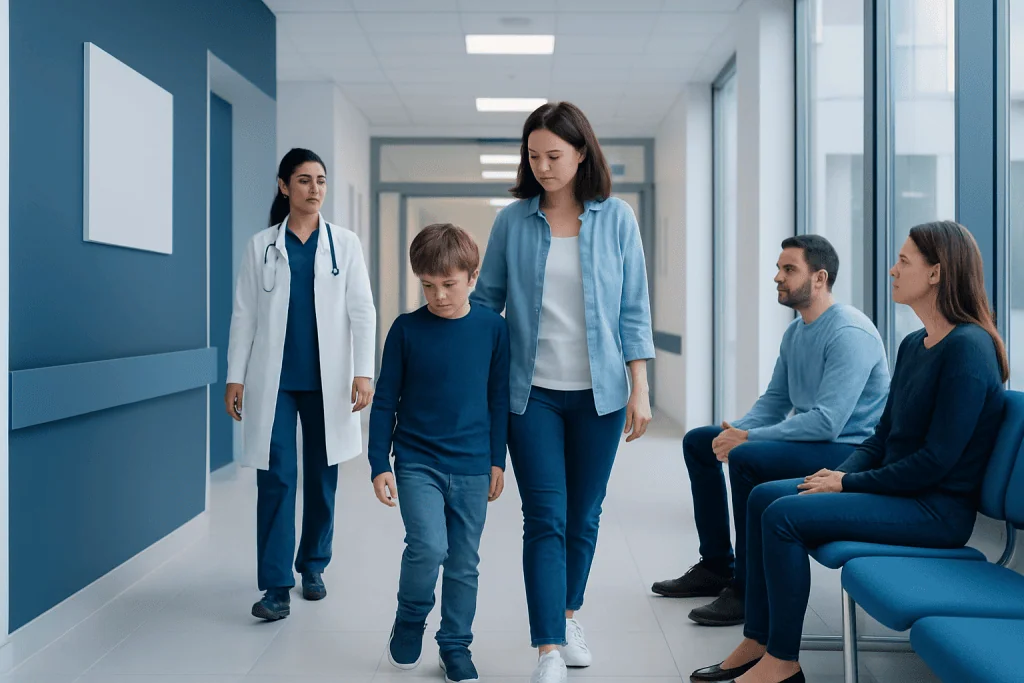
A child may limp because of pain, weakness, joint stiffness, or a problem with balance. Minor injuries are common causes, but fever, severe pain, or inability to bear weight need urgent assessment.
Key Takeaways
- A child may limp because of pain, weakness, joint stiffness, or a problem with balance.
- Minor injuries are common causes, but fever, severe pain, or inability to bear weight need urgent assessment.
- Hip conditions can cause knee or thigh pain, so the source of the limp is not always where the pain seems to be.
- Doctors diagnose the cause with a careful history, examination, and sometimes blood tests or imaging.
- Parents should seek medical advice if limping lasts more than a day or two, follows significant injury, or comes with other concerning symptoms.
Limping in children is common and often linked to a minor injury or temporary muscle strain. However, a limp can sometimes be a sign of an infection, inflammation, or a bone and joint condition that needs prompt medical evaluation.
Overview
Limping in children is a symptom rather than a diagnosis. It means a child is walking differently than usual, often because of pain, weakness, stiffness, or discomfort in the leg, hip, knee, ankle, or foot. Sometimes the change is obvious, and sometimes it is subtle, such as avoiding full weight on one leg or walking more slowly.
In many cases, limping happens after a minor fall, bump, or overuse during play and improves with rest. Young children may not clearly explain where it hurts, and some conditions in the hip can cause pain that seems to come from the thigh or knee. For this reason, a limp should be looked at as a clue that deserves attention, especially if it does not quickly improve.
Most causes are not serious, but some need prompt treatment to protect the joint, bone, or overall health. A careful medical assessment helps distinguish a simple strain from a condition such as infection, inflammation, or a structural problem affecting growth and movement.
Common Symptoms and How a Limp May Look
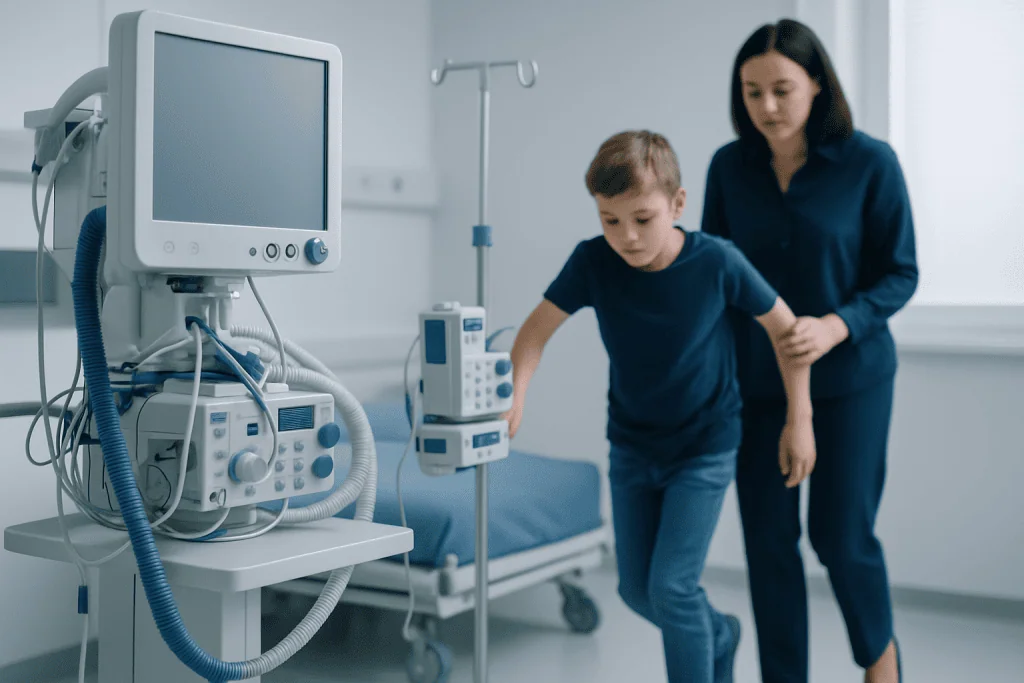
A limp can appear in different ways depending on the cause and the child’s age. Some children walk with short steps, drag one foot, stand on tiptoe, or avoid putting full weight on one leg. Others may suddenly refuse to walk at all, especially toddlers who cannot describe pain well.
The limp may be accompanied by pain in the hip, groin, thigh, knee, shin, ankle, or foot. There may also be swelling, warmth, bruising, stiffness after rest, or tenderness when the area is touched. In some children, the main clue is reduced activity, fussiness, or avoiding sports and playground play.
Symptoms that deserve particular attention include:
- Fever or recent illness
- Severe pain or pain that wakes the child from sleep
- Inability or refusal to bear weight
- Visible swelling, redness, or joint warmth
- Limping that persists or keeps returning
- Weight loss, unusual tiredness, or nighttime symptoms
These features do not always mean a serious problem, but they increase the need for timely medical review.
Causes and Risk Factors
The most common reason for limping in children is a minor injury. A sprain, bruise, muscle strain, or small twist while running can lead to short-term pain and altered walking. Sometimes a child does not remember the exact event, especially after active play. Blisters, splinters, or poorly fitting shoes can also cause limping.
Infections are another important cause. An infection in a joint or bone can make walking painful and may be associated with fever and a child appearing unwell. In younger children, a temporary inflammation of the hip that can follow a viral illness may also cause limping. This often improves with time, but it must be distinguished from more serious infection.
Inflammatory and orthopedic conditions can also lead to limping. Examples include juvenile idiopathic arthritis, flat feet with pain, leg length difference, and overuse injuries from sport. Certain hip disorders are especially important in growing children, including Perthes disease and slipped capital femoral epiphysis, which may present with hip, thigh, or knee pain and a limp.
Age can offer clues. Toddlers may limp due to a hidden injury, a minor fracture, or temporary hip inflammation. School-age children may develop overuse injuries or inflammatory conditions. In adolescents, sports injuries and hip growth-plate problems become more likely. Children who are very active in sports, have had a recent infection, or have known joint disease may have a higher risk of limping episodes.
How Doctors Diagnose the Cause
Diagnosis begins with a detailed history. The doctor will ask when the limp started, whether there was a fall or injury, where the pain seems to be, whether the child has had fever or a recent cold, and if the limp is getting better or worse. They may also ask about nighttime pain, weight loss, past joint problems, recent travel, or family history of inflammatory disease.
The physical examination usually includes watching the child walk, checking how the hip, knee, ankle, and foot move, and gently looking for tenderness, swelling, warmth, or reduced range of motion. Because hip problems can cause pain in the knee, doctors often examine the whole leg even if the pain seems limited to one area.
Not every child needs tests. If the limp is mild and clearly linked to a small injury, observation may be enough. However, blood tests may be used if infection or inflammation is suspected, and imaging such as an X-ray or MRI scan may help identify fractures, hip disorders, or soft tissue problems. In selected cases, orthopedic evaluation is helpful when symptoms are persistent, the diagnosis is uncertain, or a bone and joint condition is suspected.
Prompt diagnosis matters most when a child cannot bear weight, has fever, or has significant hip pain, because some causes need urgent treatment to protect the joint and prevent complications.
Treatment Options
Treatment depends entirely on the cause. For a mild strain, bruise, or simple sprain, doctors often recommend rest, reducing high-impact activity, and observing symptoms over a short period. Supportive care may be enough if the child is otherwise well and begins improving quickly.
If there is a fracture, significant sprain, or structural problem, treatment may include immobilization, crutches, physical rehabilitation, or referral to a specialist. Some children benefit from pediatric orthopedic care to guide treatment and follow-up, especially when growth plates, the hip, or persistent gait problems are involved.
When the cause is inflammatory, care focuses on controlling joint inflammation and preserving movement. If the limp is due to an infection in the joint or bone, treatment is urgent and may include hospital care, antibiotics, and procedures to remove infected fluid when needed. Hip disorders such as slipped growth plate problems may require surgery to stabilize the joint.
Recovery time varies. Some children improve in a few days, while others need longer follow-up to make sure they regain normal movement and that growth is not affected. Parents should avoid pushing a child back into sports too early if walking is still painful or uneven.
Prevention and Self-care at Home
Not every cause of limping can be prevented, but simple habits can reduce the risk of common injuries. Well-fitting shoes, age-appropriate sports activities, warm-up before exercise, and safe play areas can help lower the chance of strains and falls. Children with recurring pain during sports may benefit from a medical review rather than continuing through discomfort.
At home, parents can watch for patterns. It helps to notice when the limp started, whether it follows activity, whether there is swelling, and if the child has had fever or recent illness. Encouraging rest and avoiding running or jumping for a short period may help with minor injuries. Gentle reassurance is important, especially for younger children who may feel worried by pain.
Parents should not try to force a child to walk on a painful leg. Massage, stretching, or home remedies may not be appropriate if the cause is unclear. If pain is persistent, the limp worsens, or the child seems unwell, professional advice is the safest next step.
When to See a Doctor
A child should be assessed promptly if the limp starts suddenly without a clear reason, lasts more than a day or two, or keeps returning. Medical review is also important if there is swelling, redness, joint warmth, pain in the hip or groin, or if the child avoids normal activities because of discomfort.
Urgent medical attention is needed when a child has fever, cannot bear weight, has severe pain, or appears generally unwell. A limp after a significant fall or sports injury should also be evaluated, especially if there is visible deformity or the child refuses to move the limb.
Night pain, unexplained tiredness, or weight loss are less common but important symptoms that should not be ignored. In these situations, doctors look beyond simple injury to rule out inflammation, infection, or other underlying conditions.
For families seeking specialist care, Acibadem International’s multidisciplinary teams in JCI-accredited hospitals evaluate children with limping and related bone, joint, and hip concerns, including access to imaging and pediatric specialty care when needed.
Frequently asked questions
Is limping in children usually serious?
Not usually. Many children limp because of a minor injury, muscle strain, or temporary irritation that improves with rest. However, a limp should be checked if it is severe, does not improve, or comes with fever, swelling, or refusal to bear weight.
Why does my child have knee pain when the real problem is in the hip?
Pain from the hip can sometimes be felt in the thigh or knee because nerves can refer pain to nearby areas. This is one reason doctors often examine the whole leg and hip even if the child points to the knee. It helps avoid missing an important hip condition.
Should a child with a limp stay home from sports and school?
Sports and vigorous activity should usually be paused until the cause is clearer and walking is comfortable. School attendance depends on how well the child can move and whether pain is controlled. If the child is struggling to walk, cannot join normal activities, or seems unwell, medical advice is recommended.
What are the warning signs that need urgent medical care?
Urgent assessment is important if a child has fever, severe pain, a swollen or hot joint, or cannot put weight on the leg. Care is also urgent after a significant injury, if there is deformity, or if the child looks unusually ill. These signs can point to infection, fracture, or another condition needing prompt treatment.
Can growing pains cause limping?
Typical growing pains usually affect both legs, often happen in the evening or at night, and do not usually cause a daytime limp. If a child is limping, especially during the day or with one-sided pain, another cause should be considered. A doctor can help tell the difference.
Will my child need an X-ray or scan?
Not always. If the limp is mild and clearly due to a small injury that is improving, tests may not be necessary right away. Imaging is more likely if there is persistent pain, concern about fracture or hip disease, inability to bear weight, or signs suggesting infection or inflammation.
References
- American Academy of Pediatrics
- National Institute for Health and Care Excellence
- American Academy of Orthopaedic Surgeons
- Centers for Disease Control and Prevention
- Royal Children's Hospital Melbourne
This article is for general information only and is not a substitute for professional medical advice. Please consult a qualified doctor about your individual situation.
Joint and spine care in Turkey — expert assessment & treatment
JCI-accredited · board-certified surgeons · reply within 24h
Add us as a Preferred Source to see more of our trusted health content across Google Search, AI Overviews and Discover.