Liver Rash: Common Causes, Related Conditions, and When to See a Doctor

A “liver rash” may mean itching or a visible rash that happens with liver disease, but it can also come from allergies, infections, medicines, or common skin conditions. Liver-related skin symptoms are more often generalized itching, jaundice, easy bruising, spider angiomas, or dark urine than a classic rash alone.
Key Takeaways
- A “liver rash” may mean itching or a visible rash that happens with liver disease, but it can also come from allergies, infections, medicines, or common skin conditions.
- Liver-related skin symptoms are more often generalized itching, jaundice, easy bruising, spider angiomas, or dark urine than a classic rash alone.
- Diagnosis usually depends on the full picture, including skin findings, symptoms, medications, alcohol use, and liver blood tests.
- Treatment focuses on the underlying cause and may include skin care, medication changes, or management of liver or bile duct disease.
- Prompt medical review is important if a rash appears with jaundice, fever, severe abdominal pain, confusion, or widespread blistering.
Liver rash is not a single medical diagnosis. People often use the term to describe itching, hives, yellowing-related skin changes, or rashes that may happen alongside liver conditions, but many skin problems have causes unrelated to the liver.
Overview: What people mean by “liver rash”
The term liver rash is commonly used by patients, but it does not describe one specific disease. In practice, it may refer to skin itching, red spots, hives, or other visible changes that occur at the same time as a liver problem. Sometimes the liver is involved; in many other cases, the skin symptom has a separate explanation such as eczema, an allergic reaction, a viral illness, or a medicine side effect.
Liver and bile duct conditions can affect the skin because the liver helps process bile, hormones, toxins, and many medicines. When these functions are disrupted, a person may develop generalized itching, yellowing of the skin and eyes, easy bruising, or small widened blood vessels on the skin. These changes do not always look like a classic rash, which is why the phrase can be confusing.
It is also important to know that some diseases can affect both the liver and the skin at the same time. Autoimmune disorders, viral infections, medication reactions, and metabolic conditions may involve several organs. Because of this overlap, a clinician will usually look beyond the rash itself and consider the whole health picture.
How liver-related skin changes can look and feel

When a skin symptom is related to the liver, the most common complaint is often itching rather than a clearly defined rash. The itch may be widespread, worse at night, and strong enough to disturb sleep. Repeated scratching can then create secondary marks, scabs, or thickened skin, which may be mistaken for the original problem.
Other visible skin findings may include yellowing of the skin or eyes (jaundice), tiny red vessel-like spots called spider angiomas, palmar redness, or darkened scratch marks. Some people notice easy bruising, swelling in the legs or abdomen, or unusually dry skin. These features can happen with chronic liver disease or with problems affecting bile flow.
Not every rash on the body points to the liver. Hives, patchy eczema, ring-shaped fungal rashes, acne-like eruptions, and contact dermatitis usually have other causes. A liver-related evaluation becomes more relevant when the skin change appears together with symptoms such as fatigue, nausea, dark urine, pale stools, abdominal swelling, or unexplained weight loss.
- Generalized itching without much visible rash
- Scratch marks or irritated skin from ongoing itch
- Jaundice or yellowing of the eyes
- Spider angiomas or red palms
- Easy bruising or swelling
Common causes and related conditions
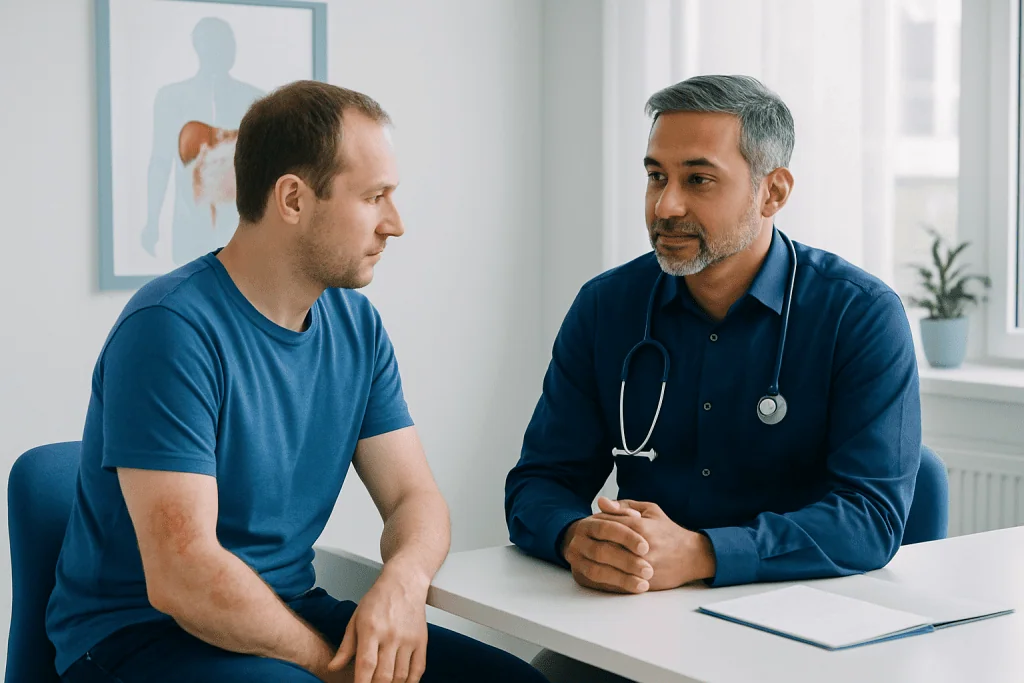
A number of liver and bile duct disorders can be linked with itching or skin changes. Cholestatic conditions, where bile flow is reduced or blocked, are a well-known cause of significant itching. This may occur in diseases involving the liver itself or the bile ducts, including liver disease more broadly, obstruction from gallstones, or autoimmune bile duct disorders. Viral hepatitis and advanced scarring of the liver can also be associated with skin findings, although the pattern varies from person to person.
Medications are another important possibility. Some drugs can irritate the liver, trigger cholestasis, or cause a direct allergic skin eruption. Herbal supplements and over-the-counter products may also play a role. In these cases, the skin symptom may occur with abnormal liver tests, or it may happen independently as a drug reaction.
There are also non-liver conditions that are commonly mistaken for a liver rash. These include eczema, psoriasis, fungal infections, urticaria, scabies, heat rash, and reactions to soaps or cosmetics. Systemic illnesses such as thyroid disease, kidney disease, iron deficiency, and diabetes may cause itching too. Pregnancy-related cholestasis is another special situation that requires medical review.
Because the list is broad, doctors usually approach the problem by asking whether the symptom is mainly itching, a visible rash, or both. They then look for clues such as new medicines, alcohol use, recent travel, viral exposure, family history, autoimmune symptoms, and signs of chronic liver disease such as cirrhosis.
Clues that suggest the liver may be involved
Some features make liver involvement more likely. Itching that affects large areas of the body without obvious raised bumps can point toward cholestasis or another internal cause. Skin symptoms accompanied by jaundice, dark urine, pale stools, right upper abdominal discomfort, nausea, or unusual tiredness deserve timely assessment.
Changes in bleeding or fluid balance can also be meaningful. People with more advanced liver dysfunction may bruise easily, bleed from the gums, or develop swelling in the abdomen or lower legs. In some cases, visible blood vessels on the chest or face, redness of the palms, or muscle wasting may be seen on examination.
However, even these clues are not specific on their own. For example, jaundice can happen with liver disease, bile duct blockage, blood-related problems, or pancreatic conditions. That is why a doctor usually combines the physical examination with laboratory tests and, if needed, imaging such as MRI or ultrasound to understand what is happening.
How doctors diagnose the cause
Evaluation starts with a careful history and skin examination. A clinician may ask when the rash or itch began, whether it is constant or intermittent, what it looks like, and whether there are triggers such as new foods, soaps, medicines, or supplements. They will usually review alcohol intake, travel, recent infections, family history, and symptoms such as fever, weight loss, abdominal pain, or yellowing of the eyes.
Blood tests often help distinguish liver-related causes from skin-only conditions. These may include liver enzymes, bilirubin, albumin, clotting tests, blood counts, and tests for viral hepatitis or autoimmune disease when appropriate. If bile duct disease or a structural liver problem is suspected, imaging may be advised. Depending on the situation, this could include ultrasound or other imaging studies.
If the skin finding itself is the main concern, a dermatologist may assess for eczema, psoriasis, infection, or a medicine-related eruption. Some cases need additional tests such as allergy review or a skin biopsy. The goal is not only to label the rash correctly, but also to identify whether the liver is the true source, an associated condition, or not involved at all.
Treatment options and symptom relief
Treatment depends on the underlying cause. If the symptom is related to liver or bile duct disease, care is directed at that condition. This may involve stopping a medicine that is affecting the liver, treating viral hepatitis, managing bile flow problems, or addressing complications of chronic liver disease. In selected situations, more specialized care may be needed, especially when imaging suggests a structural problem requiring ERCP or further evaluation.
For itching, doctors may recommend measures to protect the skin barrier and reduce scratching. These can include fragrance-free moisturizers, lukewarm rather than hot showers, loose cotton clothing, and avoiding harsh cleansers. Depending on the diagnosis, a clinician may prescribe medicines aimed at itch control or inflammation. It is important not to start or stop medicines without medical advice, especially if liver disease is suspected.
When the rash is not liver-related, treatment may be very different. Fungal infections may need antifungal therapy, eczema may respond to emollients and anti-inflammatory creams, and hives may need allergy-focused care. This is one reason self-diagnosing a “liver rash” can delay the right treatment.
Prevention and self-care
Not every cause can be prevented, but a few practical steps may support both liver and skin health. People can reduce avoidable liver strain by limiting alcohol, using medicines only as directed, and discussing supplements with a healthcare professional. Vaccination and safer behaviors may help reduce the risk of some viral liver infections.
Good skin care can also make symptoms more manageable. Gentle cleansing, regular moisturizing, and avoiding scratching can reduce irritation even while the cause is being investigated. Keeping nails short and wearing soft clothing may help protect the skin if itching is severe.
Anyone with an ongoing or unexplained rash should avoid assuming it is harmless or definitely liver-related. Persistent symptoms deserve proper assessment, especially if they keep returning or begin to affect sleep, work, or daily comfort. Near the end of the care pathway, patients who need coordinated evaluation may be seen by multidisciplinary specialists; Acibadem International’s JCI-accredited hospitals diagnose and treat liver, digestive, and skin conditions for international patients.
When to seek medical care
Medical review is appropriate if a rash or body-wide itch lasts more than a short time, keeps coming back, or does not improve with simple skin care. An appointment is especially important if the symptom appears with jaundice, dark urine, pale stools, abdominal swelling, nausea, unexplained fatigue, or weight loss. These signs may suggest a liver or bile duct problem that needs timely assessment.
Urgent care is needed if the rash is accompanied by trouble breathing, swelling of the lips or tongue, high fever, confusion, severe abdominal pain, widespread blistering, or signs of dehydration. These symptoms can indicate an allergic emergency, a severe infection, or a serious drug reaction rather than a routine skin problem.
If a person already has known liver disease, any new or worsening skin symptom should be discussed with their clinician. A changing pattern of itch, bruising, swelling, or jaundice can provide useful clues about disease activity or treatment side effects. Early assessment usually makes it easier to identify the cause and choose the safest treatment.
Frequently asked questions
Is liver rash a real medical diagnosis?
Not usually. “Liver rash” is a general term people use for itching or skin changes they think may be linked to the liver, but doctors look for the specific cause behind the symptom.
What does itching from liver problems feel like?
It is often described as a deep, widespread itch that may occur without much of a visible rash. It can be worse at night and may leave scratch marks or irritated skin over time.
Can liver disease cause hives?
Hives are more commonly related to allergies, infections, or medications than to liver disease itself. However, some drug reactions or systemic illnesses can affect both the skin and the liver at the same time.
Does a liver rash always mean serious liver disease?
No. Many rashes and itching problems are caused by common skin conditions, irritants, or minor illnesses. Liver disease is only one possibility, especially when there are other symptoms such as jaundice or dark urine.
What tests might a doctor order for suspected liver-related rash?
A doctor may order liver blood tests, bilirubin levels, clotting tests, and sometimes tests for viral hepatitis or autoimmune disease. Imaging such as ultrasound may be used if there is concern about the liver or bile ducts.
When should someone worry about a rash and possible liver symptoms?
Prompt medical attention is important if a rash or itching occurs with yellow eyes or skin, severe abdominal pain, confusion, fever, or widespread blistering. These symptoms need professional evaluation rather than home treatment alone.
References
- National Institute of Diabetes and Digestive and Kidney Diseases
- American Academy of Dermatology
- American Liver Foundation
- Mayo Clinic
- National Health Service
This article is for general information only and is not a substitute for professional medical advice. Please consult a qualified doctor about your individual situation.
Explore treatments in Turkey — costs, top hospitals & a free quote
JCI-accredited · board-certified surgeons · reply within 24h
Add us as a Preferred Source to see more of our trusted health content across Google Search, AI Overviews and Discover.

More from the Health Library



Related Specialists

Prof. Dr. Hüseyin Bayram
Orthopedic Surgery & Traumatology
Prof. Dr. Ahmet Alponat
General Surgery
Assoc. Prof. Dr. Murat Sezer
Pulmonary Medicine
Dr. Rasim Farajov
General Surgery