Lobectomy: Symptoms, Causes, and Treatment — Complete Patient Guide

A lobectomy removes one of the lung’s lobes rather than the entire lung. It is commonly used for early-stage lung cancer, some infections, bronchiectasis, and selected benign lung problems.
Key Takeaways
- A lobectomy removes one of the lung’s lobes rather than the entire lung.
- It is commonly used for early-stage lung cancer, some infections, bronchiectasis, and selected benign lung problems.
- People usually need imaging, breathing tests, and heart and general health assessment before surgery.
- Lobectomy can be performed through open surgery or minimally invasive techniques such as VATS or robotic surgery.
- Recovery takes time, and breathing exercises, pain control, and walking are important parts of healing.
- New or worsening chest pain, shortness of breath, fever, or coughing up blood after surgery needs prompt medical attention.
Lobectomy is an operation that removes one lobe of the lung, most often to treat lung cancer, localized infection, or other disease affecting part of the lung. It is a major surgery, but for carefully selected patients it can remove diseased tissue while preserving as much healthy lung function as possible.
Overview: what a lobectomy is and why it is done
A lobectomy is a surgical procedure that removes one lobe of the lung. The right lung has three lobes and the left lung has two, so removing a single lobe may treat disease in one area while leaving the remaining healthy lung tissue in place. For many patients, this balance between treatment and lung preservation is the main reason a lobectomy is recommended.
The procedure is most often discussed in the context of lung cancer, especially when a tumor is limited to one lobe and surgery offers the best chance of complete removal. It may also be used for certain noncancerous conditions, including severe bronchiectasis, localized infections, some congenital lung abnormalities, or damaged lung tissue that causes repeated symptoms.
A lobectomy is not a symptom itself, but a treatment. Patients often search for “lobectomy symptoms” when they really want to understand the symptoms that lead to this surgery, the expected effects after surgery, and the warning signs to watch for during recovery. Understanding these differences can make the process less confusing and help patients prepare for informed conversations with their care team.
Symptoms and conditions that may lead to a lobectomy
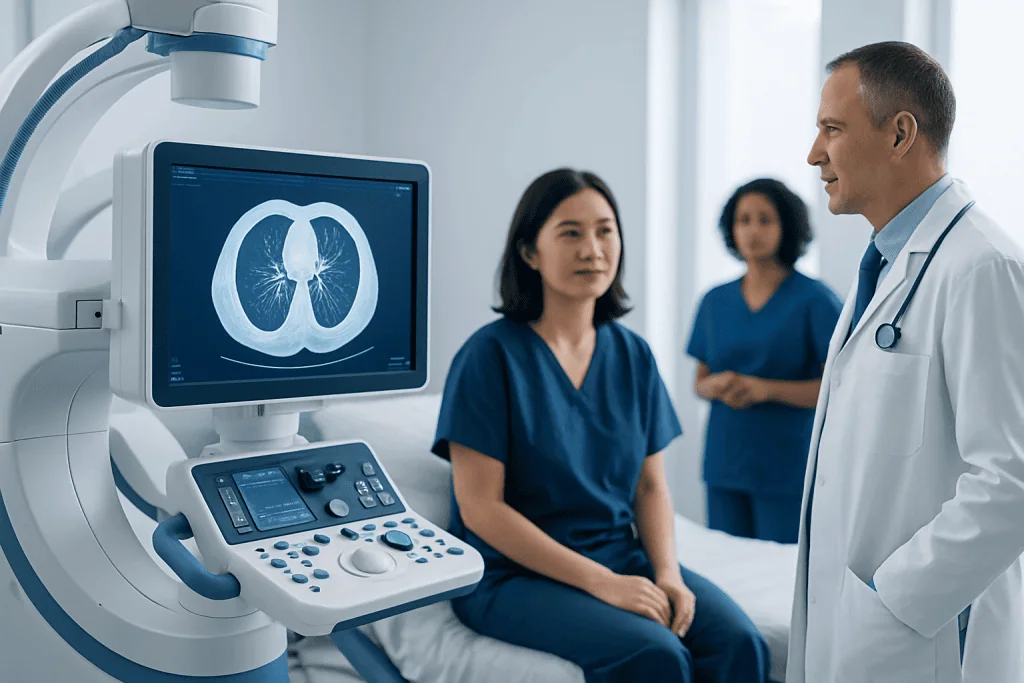
The symptoms that lead doctors to consider a lobectomy depend on the underlying lung problem. Some people have a persistent cough, shortness of breath, chest discomfort, repeated chest infections, wheezing, or coughing up blood. Others have no symptoms at all, and a suspicious lung nodule or mass is found during imaging done for another reason.
In people with lung cancer, warning signs may include a cough that does not go away, chest pain, voice changes, unexplained weight loss, fatigue, or recurrent pneumonia. However, early lung cancer can also be silent. That is why imaging such as a chest X-ray or CT scan often plays a key role in finding disease before it causes major symptoms.
For noncancerous disease, a lobectomy may be considered when one part of the lung is badly damaged and repeatedly causes illness. Examples include localized bronchiectasis, a persistent abscess, or a congenital problem confined to one lobe. In these cases, surgery may help reduce recurring infection, improve quality of life, and prevent further complications when medicines alone are not enough.
Causes and risk factors behind the need for surgery
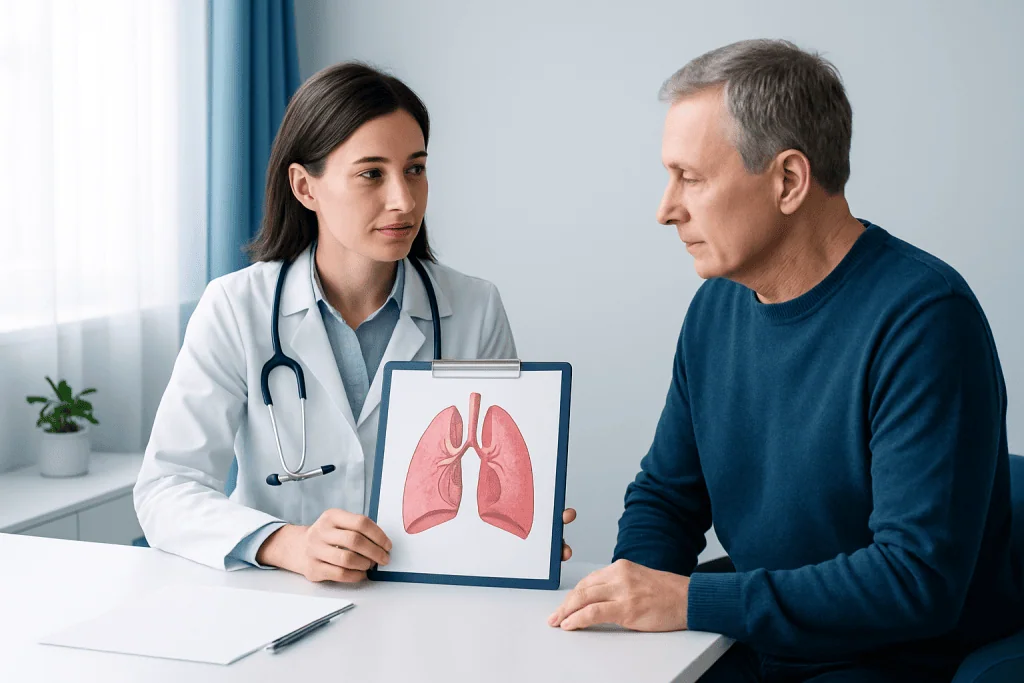
The most common reason for a lobectomy is a tumor confined to one lobe of the lung. This may include primary lung cancer or, less commonly, another growth that needs removal for diagnosis or treatment. When a cancer is localized and the patient is fit enough for surgery, a lobectomy is often preferred over removing only a very small piece of lung because it may provide more complete treatment in selected cases.
Other causes include chronic infection, severe structural damage to a lobe, benign tumors, and congenital abnormalities present from birth. Sometimes the lung tissue has become scarred or repeatedly inflamed, making symptoms difficult to control with antibiotics, inhalers, or drainage procedures alone.
Risk factors depend on the underlying disease. Smoking is a major risk factor for lung cancer and chronic lung damage. Exposure to air pollution, occupational dusts or chemicals, prior radiation, a family history of some cancers, and chronic lung conditions such as COPD may also play a role. These factors do not automatically mean someone will need surgery, but they help doctors understand both the cause of disease and how safely a patient may tolerate an operation.
How doctors diagnose the problem and plan a lobectomy
Before recommending a lobectomy, doctors need to confirm what the lung abnormality is, where it is located, and whether surgery is the safest and most effective option. Evaluation usually begins with imaging such as chest X-ray and CT scan. In some cases, PET-CT, bronchoscopy, or biopsy is used to better define a suspicious area and look for signs that disease has spread beyond one lobe.
Preoperative testing also focuses on whether the patient can tolerate losing part of the lung. Pulmonary function tests measure breathing capacity, while blood tests, heart evaluation, and sometimes exercise testing help assess surgical fitness. This planning is especially important in older adults and in people with COPD, heart disease, or a history of smoking.
When cancer is suspected, staging is essential. Doctors may sample lymph nodes using bronchoscopy-based techniques or other procedures to see whether the disease remains local. This detailed assessment guides whether a patient should have surgery, another procedure such as lung cancer treatment, or a different approach altogether.
Types of lobectomy and what happens during surgery
A lobectomy can be performed using different surgical approaches. In an open lobectomy, the surgeon makes a larger incision in the chest to access the lung directly. In minimally invasive approaches, including video-assisted thoracoscopic surgery (VATS) or robotic-assisted surgery, the surgeon works through smaller incisions using a camera and specialized instruments. The best approach depends on the condition being treated, the size and location of the lesion, prior chest surgery, and the patient’s overall health.
During the operation, the surgeon carefully separates the affected lobe from its blood vessels and airway branch and then removes it. If cancer is being treated, nearby lymph nodes are often removed or sampled at the same time to help with staging and treatment planning. The remaining lung tissue expands to fill part of the space over time, although it does not “grow back” as a new lobe.
Many patients also want to know whether a lobectomy is the only surgical option. In some situations, a smaller resection or a more extensive surgery may be more appropriate. The decision is individualized and may involve thoracic surgeons, pulmonologists, oncologists, anesthesiologists, and radiologists. In complex cases, evaluation may also overlap with care pathways used in thoracic surgery.
Treatment options, hospital recovery, and possible risks
Lobectomy itself is the treatment, but the broader care plan may include other therapies before or after surgery. For cancer, this can involve chemotherapy, immunotherapy, targeted therapy, or radiation, depending on the stage and pathology results. For noncancerous conditions, antibiotics, airway clearance therapy, inhaled medications, or drainage procedures may be used before surgery and sometimes afterward as well.
After the operation, patients usually stay in the hospital for monitoring, pain control, breathing support, and early mobilization. A chest tube is commonly placed to drain fluid and air while the lung heals. Deep breathing exercises, coughing techniques, and walking are encouraged because they help lower the risk of pneumonia, blood clots, and other postoperative complications.
Like any major surgery, lobectomy has risks. These can include bleeding, infection, air leak, pneumonia, irregular heartbeat, blood clots, pain, and temporary or longer-lasting shortness of breath. The exact level of risk varies from person to person based on age, lung function, heart health, smoking history, and the reason for surgery. Doctors aim to reduce these risks through careful preoperative testing, surgical planning, and close postoperative care.
In patients whose lung condition is part of a broader chest disease evaluation, doctors may also investigate related problems such as COPD or other airway disorders, since these can affect both surgical safety and long-term breathing recovery.
Recovery at home, prevention, and self-care
Recovery after a lobectomy continues for weeks to months. It is normal to feel tired, have some soreness, and notice reduced stamina at first. Most patients improve gradually with rest, regular walking, breathing exercises, and follow-up visits. Good pain control matters because it helps patients breathe deeply, cough effectively, and move around more comfortably.
Self-care after discharge usually includes taking medicines exactly as prescribed, keeping incisions clean, avoiding tobacco smoke, and slowly increasing activity. Patients are commonly advised not to lift heavy objects for a period of time and to follow their surgeon’s guidance about driving, work, and travel. Pulmonary rehabilitation or guided breathing therapy may be helpful for some people, especially if they had limited lung function before surgery.
Prevention focuses mainly on reducing future lung damage and identifying problems early. Not smoking is one of the most important steps. Keeping vaccinations up to date, limiting harmful inhalation exposures, and following treatment plans for chronic lung disease can also support long-term lung health. For international patients needing coordinated evaluation and treatment, Acibadem International’s multidisciplinary specialists and JCI-accredited hospitals provide care for lung conditions and surgery when appropriate.
When to seek medical care
Medical advice should be sought promptly for symptoms such as a cough that lasts for weeks, repeated chest infections, unexplained weight loss, chest pain, or coughing up blood. These symptoms do not always mean a person needs a lobectomy, but they do deserve proper assessment, especially in smokers and people with previous lung disease.
After a lobectomy, patients should contact a doctor urgently if they develop worsening shortness of breath, fever, increasing redness or drainage from the wound, severe or new chest pain, confusion, or significant bleeding. Sudden swelling or pain in a leg can also be important because it may suggest a blood clot.
Ongoing follow-up is an important part of safe recovery. Appointments allow the care team to review pathology results, monitor healing, manage pain, and check lung function over time. If questions arise about symptoms, activity levels, or breathing changes, it is always reasonable to ask a qualified doctor rather than waiting and worrying at home.
Frequently asked questions
What is a lobectomy?
A lobectomy is surgery to remove one lobe of the lung. It is often done when disease is limited to one section of the lung and removing that part offers the best balance between treatment and preserving breathing function.
Why would someone need a lobectomy?
The most common reason is lung cancer that appears confined to one lobe. It may also be used for severe localized infection, bronchiectasis, benign tumors, or damaged lung tissue causing repeated symptoms and complications.
Can a person live normally after a lobectomy?
Many people return to daily activities after recovery, especially if the remaining lung tissue is healthy. Some notice reduced exercise tolerance at first, but breathing often improves over time with healing, rehabilitation, and smoking cessation when relevant.
How long does lobectomy recovery take?
Initial hospital recovery usually takes several days, but full recovery often takes weeks to a few months. The timeline depends on age, lung function, the surgical approach used, and whether there are any complications.
Is lobectomy a major surgery?
Yes, lobectomy is considered major surgery because it involves removing part of the lung under general anesthesia. Even when it is done with minimally invasive techniques, careful preparation and close follow-up are still important.
What are the common risks after lobectomy?
Possible risks include infection, bleeding, air leak, pneumonia, irregular heartbeat, blood clots, and shortness of breath. Doctors work to lower these risks through preoperative testing, modern surgical techniques, pain control, and early movement after surgery.
Will a lobectomy cure lung cancer?
For some patients with early-stage lung cancer, a lobectomy may remove all visible disease and can be a key part of curative treatment. Whether it is enough on its own depends on the cancer type, stage, lymph node findings, and pathology results after surgery.
References
- American Cancer Society
- National Cancer Institute
- American Lung Association
- National Heart, Lung, and Blood Institute
- Society of Thoracic Surgeons
This article is for general information only and is not a substitute for professional medical advice. Please consult a qualified doctor about your individual situation.
Oncology care in Turkey — second opinion and treatment plan
JCI-accredited · board-certified surgeons · reply within 24h
Add us as a Preferred Source to see more of our trusted health content across Google Search, AI Overviews and Discover.