Low Blood Pressure: Normal Ranges, High and Low Results Explained

A blood pressure reading under 90/60 mmHg is commonly considered low blood pressure. Some people naturally have low readings and feel completely well.
Key Takeaways
- A blood pressure reading under 90/60 mmHg is commonly considered low blood pressure.
- Some people naturally have low readings and feel completely well.
- Low blood pressure matters most when it causes symptoms or appears suddenly.
- Common causes include dehydration, medications, prolonged bed rest, pregnancy, and certain heart or endocrine conditions.
- A clinician evaluates both the blood pressure number and the person’s symptoms, medical history, and repeat readings.
Low blood pressure usually means a reading below 90/60 mmHg, but the number alone does not always mean there is a problem. It becomes medically meaningful when it causes symptoms such as dizziness or fainting, or when it reflects dehydration, blood loss, infection, heart disease, or hormone-related conditions.
Overview: What Low Blood Pressure Means
Low blood pressure, also called hypotension, generally refers to a blood pressure reading below 90/60 mmHg. However, this threshold is only a guide. A reading that is low for one person may be normal for another, especially if there are no symptoms and the person is otherwise healthy.
Blood pressure naturally changes throughout the day. It can be lower during sleep, after meals, with changes in body position, in warm weather, or after exercise. Age, fitness level, hydration, pregnancy, medications, and underlying medical conditions can all affect the result. For this reason, blood pressure numbers should be interpreted in context rather than judged in isolation.
In practical terms, low blood pressure becomes more important when it reduces blood flow enough to cause symptoms such as lightheadedness, blurred vision, weakness, nausea, confusion, or fainting. It can also be significant when it appears suddenly, falls far below a person’s usual level, or occurs along with chest pain, shortness of breath, fever, severe bleeding, or signs of shock.
Normal Ranges, High and Low Results Explained
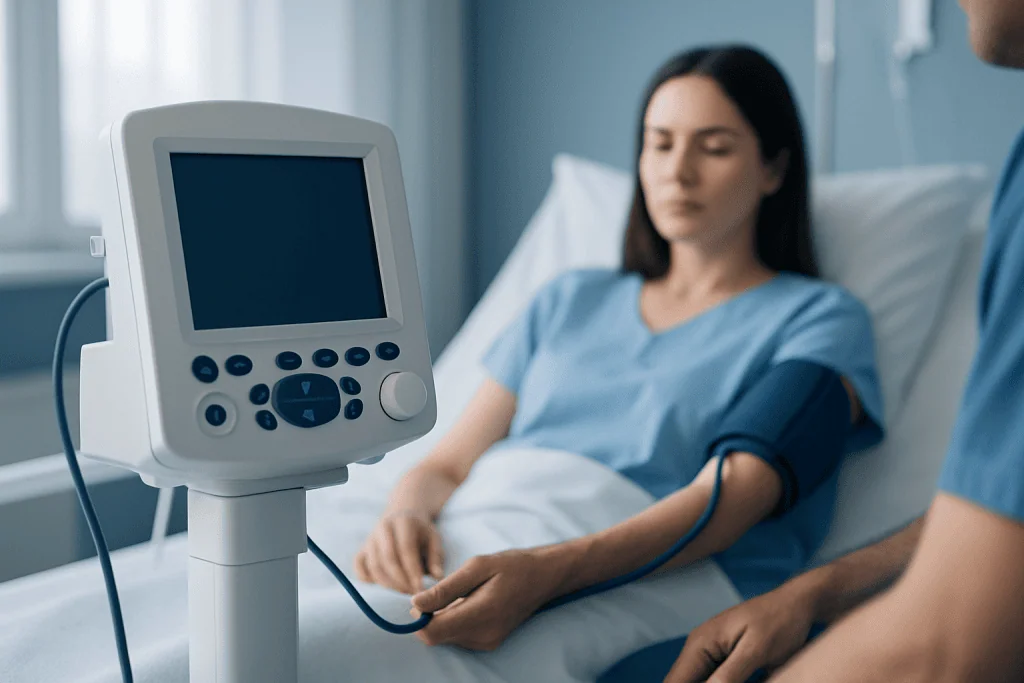
Blood pressure is recorded as two numbers. The top number, systolic pressure, shows the pressure in the arteries when the heart contracts. The bottom number, diastolic pressure, shows the pressure between beats when the heart relaxes. In most adults, a normal blood pressure is commonly considered to be below 120/80 mmHg, while low blood pressure is often described as below 90/60 mmHg.
These ranges do not apply in exactly the same way to every person. Younger adults, people with smaller body size, and physically fit individuals may naturally have lower readings. Older adults may have more variation, especially when standing up. During pregnancy, blood pressure often falls in the first and second trimesters before rising again later. Children and adolescents are interpreted using age, height, and sex-specific ranges rather than adult cutoffs.
A low reading is medically meaningful when it is paired with symptoms, occurs repeatedly, or marks a clear change from a person’s usual pattern. A single low number after resting, missing a meal, or standing for a short time may not signal disease. By contrast, a sudden drop accompanied by fainting, severe weakness, confusion, cold clammy skin, or a rapid heartbeat requires prompt medical attention.
High and low results are also different in what they tend to mean. High blood pressure often causes no symptoms and may gradually increase cardiovascular risk over time. Low blood pressure is more likely to matter immediately if it reduces blood flow to the brain, heart, or kidneys. That is why clinicians focus not only on the number, but also on how the person feels and whether there is an underlying cause that needs treatment.
Symptoms of Low Blood Pressure

Some people with low blood pressure have no symptoms at all. Others notice symptoms only at certain times, such as when standing quickly, after exercise, after a large meal, or during illness. The most common complaints are dizziness, lightheadedness, feeling faint, and fatigue.
Other symptoms can include blurred vision, nausea, trouble concentrating, weakness, headache, and a sense of unsteadiness. When blood pressure drops more significantly, a person may faint. In severe cases, poor blood flow can cause confusion, pale or cool skin, rapid breathing, or chest discomfort.
A common pattern is orthostatic hypotension, which means blood pressure falls when moving from lying or sitting to standing. This can happen because of dehydration, medication effects, problems with the nervous system, or age-related changes in blood pressure regulation. Another pattern, postprandial hypotension, refers to a drop after eating and is seen more often in older adults.
- Dizziness or lightheadedness
- Fainting or near-fainting
- Blurred vision
- Weakness or unusual tiredness
- Nausea
- Confusion or trouble focusing
Causes and Risk Factors
Low blood pressure can have many causes, ranging from harmless to urgent. Temporary causes include dehydration, prolonged standing, overheating, vomiting, diarrhea, blood donation, and not eating enough. Alcohol use and some recreational drugs may also lower blood pressure. In athletes and some otherwise healthy adults, lower readings may simply reflect efficient cardiovascular function.
Medications are another common reason. Blood pressure medicines, diuretics, some antidepressants, certain Parkinson’s medications, and drugs used for chest pain or erectile dysfunction can all contribute. Clinicians usually review medication timing, dose changes, and combinations when evaluating new symptoms.
Medical conditions may also be involved. Heart rhythm problems, heart valve disease, heart failure, severe infection, blood loss, and endocrine disorders such as adrenal insufficiency or thyroid disease can lead to hypotension. Conditions that affect the autonomic nervous system can impair the body’s ability to keep blood pressure stable when standing. Depending on the symptoms and history, doctors may also evaluate related issues such as heart disease or heart rhythm disorders.
Risk factors for symptomatic low blood pressure include older age, pregnancy, diabetes, neurologic disorders, prolonged bed rest, hot environments, dehydration, and use of multiple medications. A sudden fall in blood pressure is usually more concerning than a long-standing low reading in someone who feels well.
How Low Blood Pressure Is Diagnosed
Diagnosis starts with careful blood pressure measurement and a review of symptoms. A clinician may repeat the reading after the person has rested, and then again while sitting and standing. This helps detect orthostatic hypotension. Because stress, activity, meals, and hydration affect results, repeated measurements are often more useful than a single number.
The medical history is important. Doctors ask when symptoms occur, whether there has been fainting, how much fluid the person drinks, what medicines they take, and whether there are signs of infection, bleeding, pregnancy, or endocrine disease. A physical examination may include heart rate, temperature, oxygen level, and signs of dehydration or poor circulation.
If an underlying cause is suspected, further tests may be recommended. These can include blood tests, an electrocardiogram, heart monitoring, or imaging when needed. Evaluation may also look for related conditions such as anemia when fatigue, pallor, or blood loss is a concern. In some cases, clinicians use a tilt table test to assess blood pressure and heart rate changes with position.
When symptoms suggest a structural or electrical heart problem, more specialized assessment may be needed, such as cardiology evaluation or echocardiography to examine heart function and valve health. The goal is not only to confirm low blood pressure, but to understand whether it is a normal finding, a medication effect, or a sign of another condition that requires treatment.
Treatment Options
Treatment depends on the cause, the severity of symptoms, and whether the low blood pressure is sudden or long-standing. If a person feels well and has naturally low readings, treatment may not be necessary. In many cases, managing the trigger is enough, such as improving fluid intake, correcting dehydration, adjusting medications, or changing positions more slowly.
For orthostatic symptoms, doctors may recommend practical measures such as rising gradually, avoiding long periods of standing, and using compression stockings in selected cases. Eating smaller meals may help those with postprandial drops. If medication side effects are suspected, a clinician may review whether the dose, timing, or type of medicine can be changed safely.
When an underlying disease is responsible, treatment focuses on that condition. This might involve care for an infection, blood loss, hormone disorder, or cardiac problem. People with recurrent fainting or unexplained episodes may need further specialist assessment, sometimes including Holter monitoring if an intermittent rhythm issue is suspected.
Severe hypotension is treated urgently, especially when it is associated with shock, major bleeding, sepsis, or serious cardiac illness. Hospital care may include intravenous fluids, monitoring, and targeted treatment of the underlying problem. At Acibadem International, multidisciplinary specialists in JCI-accredited hospitals evaluate and treat low blood pressure and its causes for international patients when more advanced assessment is needed.
Prevention and Self-care
Not all low blood pressure can be prevented, but simple habits may reduce symptoms in many people. Staying well hydrated is one of the most important steps, especially during hot weather, exercise, fever, vomiting, or diarrhea. For some individuals, clinicians may advise modest adjustments in salt intake, but this should only be done with medical guidance, especially if there is heart or kidney disease.
People who feel dizzy on standing can try rising slowly from bed or a chair and pausing before walking. Tight calf muscles and sudden standing after a long time sitting may make symptoms worse. Small, regular meals may help if symptoms occur after eating. Limiting alcohol can also be beneficial because alcohol can promote dehydration and blood vessel relaxation.
Home blood pressure monitoring may help identify patterns, but the cuff should fit properly and measurements should be taken correctly. It is useful to record the reading, time of day, body position, symptoms, and any recent meals, fluids, or medications. This information can help a doctor decide whether the blood pressure is truly abnormal and whether further testing is needed.
- Drink enough fluids unless a doctor has advised fluid restriction
- Stand up slowly, especially in the morning
- Avoid overheating and prolonged standing when possible
- Review medications with a clinician if symptoms are new
- Seek medical advice before changing salt intake or stopping prescribed medicines
When to Seek Medical Care
Medical care is appropriate if low blood pressure causes repeated dizziness, fainting, falls, or persistent weakness, or if home readings are consistently low and differ from a person’s usual pattern. It is also sensible to seek advice if symptoms begin after starting a new medication, during pregnancy, or along with signs of dehydration.
Urgent medical attention is needed if low blood pressure is accompanied by chest pain, shortness of breath, confusion, bluish lips, severe abdominal pain, high fever, heavy bleeding, black stools, or signs of shock such as cold clammy skin and severe weakness. These symptoms may point to an emergency rather than a simple low reading.
Even when symptoms are mild, repeated episodes should not be ignored. A doctor can determine whether the issue is a normal variation, a temporary trigger, or part of a condition that needs treatment. Early evaluation can also help prevent falls, injuries, and avoidable complications.
Frequently asked questions
What number is considered low blood pressure?
In adults, low blood pressure is commonly defined as a reading below 90/60 mmHg. Still, the number alone does not determine whether it is a problem. Doctors also consider symptoms, usual baseline readings, and the overall clinical situation.
Can low blood pressure be normal?
Yes. Some healthy people naturally have low blood pressure and feel completely well. If there are no symptoms such as dizziness, fainting, or weakness, a lower reading may simply be that person’s normal pattern.
Why do I feel dizzy when I stand up?
This may happen because blood pressure briefly drops when moving to a standing position, a pattern called orthostatic hypotension. It can be related to dehydration, medications, prolonged bed rest, or changes in the body’s automatic blood pressure control. Recurrent symptoms should be assessed by a clinician.
Is low blood pressure dangerous?
It can be, but not always. Low blood pressure is more concerning when it starts suddenly, causes fainting, confusion, chest pain, or shortness of breath, or is linked to bleeding, infection, or heart problems. Mild long-term low readings without symptoms are often not dangerous.
How is low blood pressure treated?
Treatment depends on the cause. It may involve drinking more fluids, standing up more slowly, adjusting medications, or treating an underlying problem such as infection, anemia, hormone imbalance, or heart disease. Severe cases may require urgent hospital treatment.
Should I drink more salt or water for low blood pressure?
Drinking adequate water often helps, especially if dehydration is part of the problem. Increasing salt may help some people, but it is not right for everyone, particularly those with heart, kidney, or blood pressure concerns. Any change in salt intake should be discussed with a doctor.
References
- American Heart Association
- National Heart, Lung, and Blood Institute
- Mayo Clinic
- MedlinePlus
- National Institute for Health and Care Excellence
This article is for general information only and is not a substitute for professional medical advice. Please consult a qualified doctor about your individual situation.
Heart care in Turkey — expert evaluation and treatment
JCI-accredited · board-certified surgeons · reply within 24h
Add us as a Preferred Source to see more of our trusted health content across Google Search, AI Overviews and Discover.
Check your numbers in seconds
BMI, calories, due date, blood pressure and 30+ more clinical calculators — free, instant, doctor-reviewed ranges.