

Low Diastolic Blood Pressure Explained: Reference Ranges and What Affects Them

A diastolic pressure below 60 mmHg is commonly considered low, but a single reading does not always signal a problem. The medical importance of low diastolic blood pressure depends on symptoms, pulse pressure, age, and other health conditions.
Key Takeaways
- A diastolic pressure below 60 mmHg is commonly considered low, but a single reading does not always signal a problem.
- The medical importance of low diastolic blood pressure depends on symptoms, pulse pressure, age, and other health conditions.
- Dehydration, medications, pregnancy, endocrine disorders, infection, and some heart conditions can lower diastolic pressure.
- Accurate measurement and repeated readings are important before drawing conclusions from a low result.
- People with dizziness, fainting, chest pain, shortness of breath, or confusion should seek medical care promptly.
Low diastolic blood pressure refers to a lower-than-expected bottom blood pressure number, often below 60 mmHg. It is not always harmful, but its meaning depends on symptoms, age, medications, heart health, and whether the reading is temporary or persistent.
Overview: what low diastolic blood pressure means
Low diastolic blood pressure means the bottom number in a blood pressure reading is lower than expected. In adults, diastolic pressure below 60 mmHg is commonly described as low. However, that number is only the starting point. Whether it is medically meaningful depends on the person’s usual readings, age, symptoms, medications, hydration, and heart and blood vessel health.
Blood pressure is written as systolic over diastolic, such as 120/80 mmHg. The systolic number reflects pressure when the heart contracts. The diastolic number reflects pressure when the heart relaxes between beats. Diastolic pressure matters because it helps show how well blood is flowing through the arteries during the heart’s resting phase.
Some healthy people naturally run on the lower side and feel completely well. Others may have low diastolic readings because of dehydration, illness, or treatment for high blood pressure. A low diastolic value becomes more important when it is persistent, newly changed from a person’s baseline, or linked with symptoms such as dizziness or fainting.
Because blood pressure varies through the day, one low reading should not be overinterpreted. Doctors usually look at repeated measurements, symptoms, and the broader clinical picture before deciding whether low diastolic blood pressure needs treatment.
Reference ranges first: what number is considered low
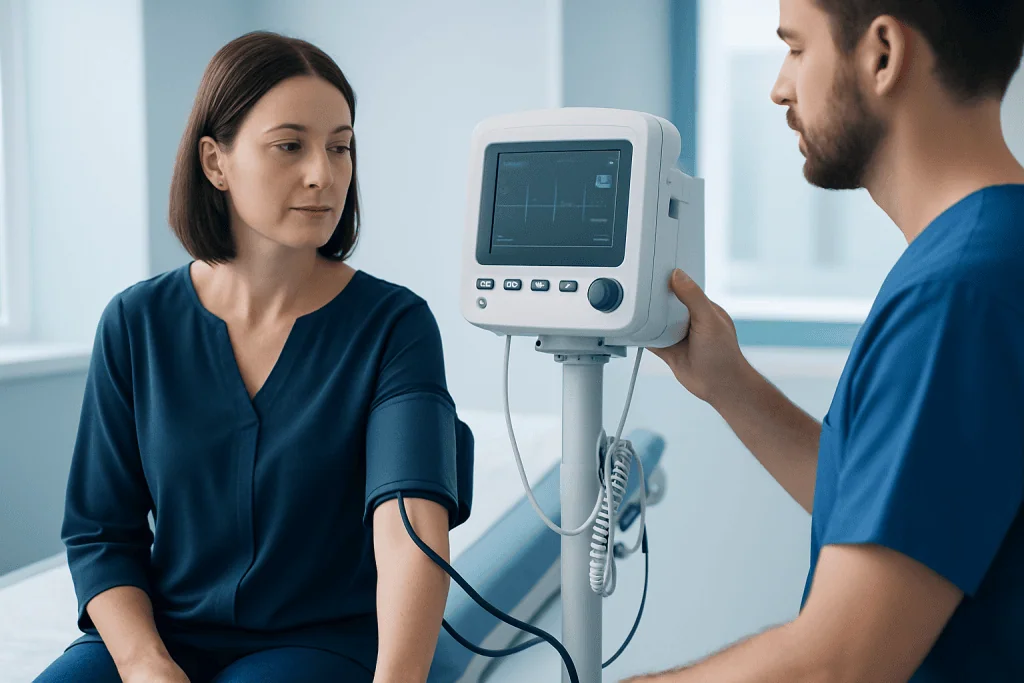
For most adults, a diastolic blood pressure under 60 mmHg is generally considered low. A reading between 60 and 79 mmHg is often within the usual reference range when considered alongside the systolic pressure and the person’s health status. Many clinicians consider around 80 mmHg a typical reference point, but normal blood pressure is assessed as a pattern rather than one exact number.
Context matters. A fit younger adult may feel well with a blood pressure such as 100/58 mmHg, while an older adult with coronary artery disease may have symptoms or reduced heart perfusion at a similar diastolic pressure. This is one reason numbers alone do not tell the full story.
Variation by age, sex, and situation is also common. Blood pressure can fall during sleep, after prolonged standing, with heat exposure, after meals, during pregnancy, or after exercise recovery. Some people assigned female at birth may have slightly lower average blood pressure than men during parts of adult life, while older adults often show a wider gap between systolic and diastolic pressure because arteries become stiffer with age.
A low diastolic reading becomes more medically meaningful when it is repeatedly below 60 mmHg, is much lower than the person’s baseline, occurs with a high systolic reading and wide pulse pressure, or is accompanied by symptoms. In that setting, a clinician may evaluate for blood pressure disorders or other underlying causes.
Symptoms and when a low reading matters

Many people with low diastolic blood pressure have no symptoms at all. When symptoms do occur, they are often related to reduced blood flow to the brain or other organs. Common complaints include lightheadedness, dizziness when standing up, feeling faint, blurred vision, fatigue, nausea, weakness, and reduced concentration.
Symptoms are more likely if the blood pressure drops suddenly rather than being chronically low. For example, a person who is dehydrated from vomiting or a person who has just started a new medication may notice a sharper change. A long-standing low reading in someone who feels normal may not need any specific treatment beyond monitoring.
Doctors also pay attention to pulse pressure, which is the difference between systolic and diastolic pressure. A high systolic pressure with a very low diastolic pressure can produce a wide pulse pressure. This pattern may be seen in older adults or in certain heart and vascular conditions and may deserve further assessment, especially if symptoms are present.
- Dizziness or unsteadiness, especially on standing
- Fainting or near-fainting
- Blurred vision
- Unusual tiredness or weakness
- Chest discomfort, shortness of breath, or confusion in more urgent situations
What affects diastolic pressure
Diastolic blood pressure is influenced by how relaxed or constricted the blood vessels are, the amount of blood circulating in the body, the heart rate, and the elasticity of the arteries. Temporary factors can change it from one reading to the next. These include stress, body position, caffeine, recent activity, room temperature, and whether the bladder is full during the measurement.
Dehydration is one common reason for a low reading. When the body has less circulating fluid, pressure in the vessels may fall. Blood loss, fever, vomiting, diarrhea, and not drinking enough fluids can all contribute. Pregnancy may also lower blood pressure because of changes in circulation, especially earlier on.
Medications are another major factor. Blood pressure medicines, diuretics, some antidepressants, drugs used for Parkinson’s disease, and medicines that relax blood vessels can lower diastolic pressure. In some cases, treatment for high systolic pressure may reduce the diastolic number more than intended. People should not stop prescribed medicine on their own, but they should discuss concerning readings with a doctor.
Underlying medical conditions can also play a role. These include endocrine disorders such as thyroid disease or adrenal insufficiency, severe infection, allergic reactions, autonomic nervous system disorders, and some heart conditions. If low pressure is tied to chest symptoms, poor circulation, or signs of structural heart disease, doctors may consider evaluation that can include cardiology assessment and, when appropriate, echocardiography.
How doctors evaluate low diastolic blood pressure
Evaluation starts with careful blood pressure measurement. Readings are most useful when taken after several minutes of rest, with the correct cuff size, the arm supported at heart level, and the feet flat on the floor. Because blood pressure changes naturally, clinicians often repeat the measurement and may ask for home readings over several days.
Doctors usually ask whether symptoms occur at rest, after meals, or when standing. Orthostatic measurements may be taken while lying down, sitting, and standing to see whether pressure drops with position changes. This helps identify orthostatic hypotension, a form of low blood pressure that is triggered by standing.
The medical history is equally important. A clinician may review medications, fluid intake, pregnancy status, recent illness, weight loss, palpitations, and any history of heart disease. Depending on the situation, tests might include blood tests for anemia, infection, kidney function, glucose, and thyroid function, as well as an electrocardiogram. Some patients may need a structured medical check-up to look for a broader cause.
The goal is not simply to react to a number but to understand whether the low diastolic pressure is harmless, a side effect of treatment, or a clue to another condition. This stepwise approach helps avoid unnecessary worry while making sure significant causes are not missed.
Treatment and management options
Treatment depends on the cause and on whether the person has symptoms. If someone feels well and low diastolic pressure appears to be their normal baseline, treatment may not be needed. In that case, monitoring and routine follow-up may be all that is recommended.
When a cause is found, treatment focuses on correcting it. This may include increasing fluid intake if dehydration is present, treating vomiting or diarrhea, adjusting medications under medical supervision, managing anemia or infection, or addressing endocrine problems. If low pressure is related to a heart condition, more specialized care may be needed.
People taking medication for high blood pressure should speak with their doctor if home readings repeatedly show very low diastolic values or if symptoms appear. Sometimes the medicine plan can be adjusted to balance the benefits of controlling systolic pressure without dropping diastolic pressure too far. This should always be done with professional guidance rather than by self-adjusting treatment.
For patients with underlying cardiovascular concerns, management may overlap with evaluation for heart disease or other circulation problems. Near the end of the care pathway, some international patients choose centers such as Acibadem International, where multidisciplinary specialists in JCI-accredited hospitals diagnose and treat blood pressure and heart-related conditions.
Prevention and self-care
Not every case can be prevented, but simple habits can reduce the chance of low blood pressure symptoms. Drinking enough fluids, especially during hot weather or illness, can help maintain circulating volume. Standing up slowly, particularly after lying down, may reduce dizziness in people prone to sudden drops in pressure.
Regular blood pressure monitoring can also be useful, especially for older adults, pregnant patients, and people taking blood pressure medication. A home monitor may help show patterns that are not obvious during one office visit. Recording the time of day, symptoms, and any recent meals or medicines makes those readings more helpful.
General heart-healthy habits support more stable circulation overall. These include regular physical activity suited to the person’s health status, balanced nutrition, limiting excess alcohol, and following medical advice for conditions such as diabetes or vascular disease. People should avoid changing salt intake or medication routines without first checking with a clinician, because what helps one person may be unsafe for another.
Self-care is most appropriate when symptoms are mild or absent. Persistent fatigue, repeated dizziness, or low readings that continue over time should be discussed with a healthcare professional rather than managed only at home.
When to seek medical care
Medical attention is appropriate if low diastolic blood pressure is new, persistent, or causing symptoms. This is especially true if a person faints, nearly faints, feels unusually weak, or has repeated dizziness when standing. A doctor can determine whether the issue is benign or linked to dehydration, medication effects, or another condition that needs treatment.
Urgent care is important if low blood pressure occurs with chest pain, shortness of breath, confusion, blue lips, severe infection symptoms, heavy bleeding, or signs of shock such as cold clammy skin. These are not typical minor blood pressure fluctuations and need prompt assessment.
People with known heart disease, kidney disease, endocrine disorders, or pregnancy-related concerns should also seek advice sooner rather than later if their readings trend lower than usual. In these groups, even a moderate drop can be more clinically relevant.
In short, the most important question is not only how low the bottom number is, but whether it represents a meaningful change and whether symptoms or risk factors are present. That is why a qualified clinician’s interpretation matters more than one isolated home reading.
Frequently asked questions
What is considered low diastolic blood pressure?
In adults, diastolic blood pressure below 60 mmHg is commonly considered low. Still, doctors do not judge the number in isolation. They also consider symptoms, the systolic pressure, overall health, and whether the reading is typical for that person.
Is low diastolic blood pressure dangerous?
It can be harmless in some people, especially if they feel well and naturally have lower readings. It may be more concerning when it is new, persistent, associated with dizziness or fainting, or occurs alongside heart disease or a very wide pulse pressure. A clinician can help decide whether it is significant.
Why can my diastolic pressure be low while my systolic pressure is normal or high?
This pattern can happen as arteries become stiffer with age, creating a wider gap between the top and bottom numbers. It may also be seen in some cardiovascular conditions or during treatment for high blood pressure. Because the reasons vary, repeated readings and medical review are helpful.
Can dehydration cause low diastolic blood pressure?
Yes. Dehydration reduces the amount of fluid circulating in the bloodstream, which can lower blood pressure. This may happen during illness, hot weather, poor fluid intake, vomiting, or diarrhea.
Should blood pressure medicine be stopped if the diastolic number is low?
No, medicine should not be stopped without medical advice. Some medications can lower diastolic pressure too much in certain people, but the treatment plan needs to be adjusted safely and individually. A doctor can review home readings, symptoms, and the overall benefit of treatment.
How can blood pressure be measured more accurately at home?
It helps to sit quietly for several minutes, use a properly fitting cuff, support the arm at heart level, and avoid caffeine, exercise, or smoking just before the reading. Taking two readings and recording the time, symptoms, and medications can make the results more useful. Consistent technique matters more than occasional spot checks.
References
- American Heart Association
- National Heart, Lung, and Blood Institute
- Centers for Disease Control and Prevention
- European Society of Cardiology
- Merck Manual Consumer Version
This article is for general information only and is not a substitute for professional medical advice. Please consult a qualified doctor about your individual situation.
Heart care in Turkey — expert evaluation and treatment
JCI-accredited · board-certified surgeons · reply within 24h
Add us as a Preferred Source to see more of our trusted health content across Google Search, AI Overviews and Discover.
Check your numbers in seconds
BMI, calories, due date, blood pressure and 30+ more clinical calculators — free, instant, doctor-reviewed ranges.

More from the Health Library



Related Specialists

Fzt. İsmail Ateş
Physical Medicine & Rehabilitation
Prof. Dr. Nida Bayık
Gynecology & Obstetrics
Prof. Dr. Mustafa Karaçelik
Cardiovascular Surgery
Prof. Dr. Serkan Erkanlı
Gynecology & Obstetrics