Low Testosterone: Symptoms, Testing, and Safe Treatment

Low testosterone can cause reduced sexual desire, erectile difficulties, fatigue, low mood, loss of muscle, increased body fat, and low bone density, but symptoms can overlap with many other conditions. Testing is usually done with an early-morning total testosterone blood test and is typically repeated to confirm the result.
Key Takeaways
- Low testosterone can cause reduced sexual desire, erectile difficulties, fatigue, low mood, loss of muscle, increased body fat, and low bone density, but symptoms can overlap with many other conditions.
- Testing is usually done with an early-morning total testosterone blood test and is typically repeated to confirm the result.
- Doctors often check related hormones and health conditions to identify whether the problem starts in the testes, the pituitary gland, or is linked to medications or chronic illness.
- Testosterone replacement therapy may help selected men with confirmed deficiency, but it requires medical supervision and regular monitoring.
- Men who want to father children should discuss fertility before starting testosterone, because treatment can reduce sperm production.
- Healthy sleep, weight management, physical activity, and treatment of underlying illnesses can support hormone balance and overall health.
Low testosterone, sometimes called testosterone deficiency or hypogonadism, occurs when the body does not produce enough testosterone for normal health and well-being. Diagnosis requires both consistent symptoms and properly interpreted blood tests, because treatment is not appropriate for every man with a single low result.
Overview
Testosterone is the main male sex hormone, although it is also present in smaller amounts in women. In men, it is produced mainly by the testes and helps regulate sexual desire, erections, sperm production, muscle and bone strength, red blood cell production, mood, and energy. Testosterone levels naturally vary during the day and may gradually decline with age, but a normal age-related decrease is not the same as a medical testosterone deficiency.
Low testosterone, also known as testosterone deficiency or male hypogonadism, is diagnosed when a man has both compatible symptoms and consistently low testosterone levels on appropriate blood testing. A single low laboratory value does not always mean a man needs treatment. Illness, poor sleep, certain medications, obesity, alcohol use, and the timing of the blood draw can all influence results.
The goal of evaluation is to understand whether testosterone is truly low, why it is low, and whether treatment is likely to be safe and helpful. For some men, addressing an underlying condition may improve symptoms. For others, testosterone replacement therapy may be considered after a careful discussion of benefits, risks, fertility goals, and monitoring needs.
Symptoms of Low Testosterone
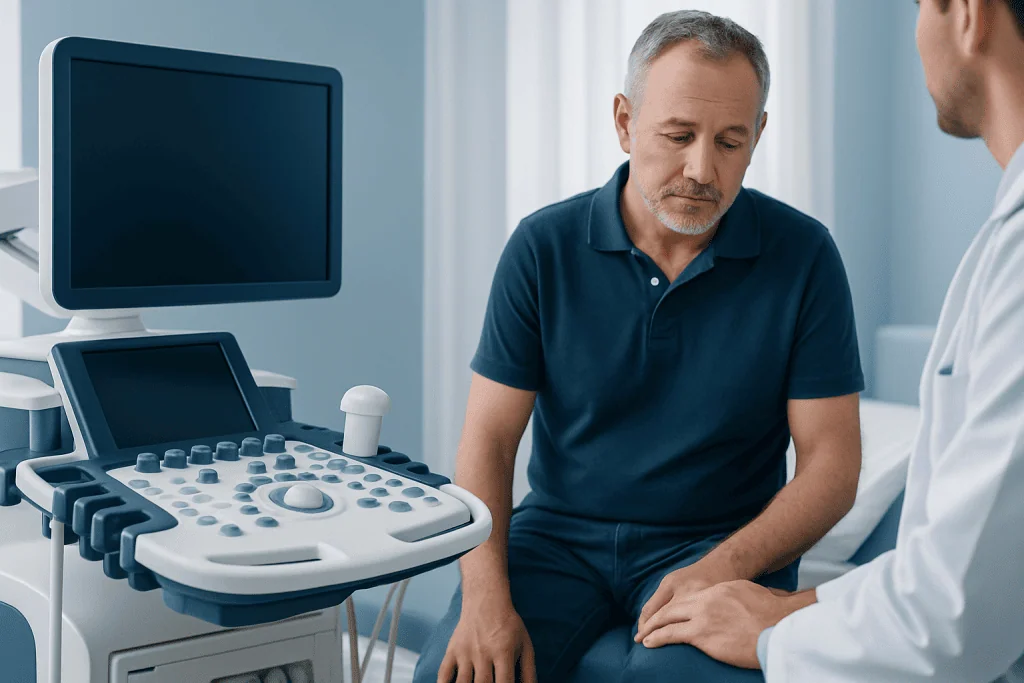
Symptoms of low testosterone can develop gradually and may be mistaken for stress, aging, depression, poor sleep, or other health problems. Sexual symptoms are among the most specific signs. These may include reduced interest in sex, fewer spontaneous or morning erections, erectile difficulties, reduced sexual satisfaction, and, in some cases, infertility due to reduced sperm production.
Non-sexual symptoms can also occur. Men may notice persistent fatigue, decreased motivation, low mood, irritability, difficulty concentrating, reduced exercise tolerance, or a sense that physical strength has declined. Over time, low testosterone may contribute to decreased muscle mass, increased body fat, reduced beard or body hair growth, breast tenderness or enlargement, hot flashes, and lower bone density.
Because these symptoms are not unique to testosterone deficiency, a medical assessment is important before assuming low testosterone is the cause. Conditions such as thyroid disease, diabetes, sleep apnea, anemia, depression, chronic pain, liver or kidney disease, and medication side effects can produce similar symptoms. A thorough evaluation helps avoid unnecessary treatment and ensures that other important health issues are not missed.
Causes and Risk Factors

Low testosterone can be classified as primary or secondary hypogonadism. Primary hypogonadism means the testes cannot produce enough testosterone despite signals from the brain. This may be related to genetic conditions, previous testicular injury, infection, chemotherapy or radiation, testicular surgery, or other disorders affecting testicular function.
Secondary hypogonadism occurs when the hypothalamus or pituitary gland in the brain does not send enough hormonal signals to the testes. Causes may include pituitary disorders, high prolactin levels, certain inflammatory or genetic conditions, head injury, severe chronic illness, and some medications. Opioid pain medicines, anabolic steroid use, some corticosteroids, and certain cancer treatments can affect the hormone system.
Several common health and lifestyle factors are also associated with lower testosterone levels. These include obesity, type 2 diabetes, metabolic syndrome, obstructive sleep apnea, heavy alcohol use, chronic stress, insufficient sleep, and significant acute illness. Aging can be associated with lower levels, but doctors usually look for symptoms, repeated test results, and possible reversible causes before considering treatment.
Risk factors do not always mean a man has testosterone deficiency, and having a low result does not automatically identify the cause. This is why evaluation often includes a wider review of health history, medications, fertility plans, sleep quality, weight changes, and symptoms that may point to pituitary or testicular conditions.
Testing and Diagnosis
Testing for low testosterone should be done when symptoms suggest a possible deficiency. In most men, the first test is a total testosterone blood level collected in the early morning, when testosterone is usually highest. If the first result is low, doctors commonly repeat the test on a different morning before making a diagnosis, because levels can fluctuate from day to day.
Interpreting testosterone results requires clinical judgment. Laboratories may use different reference ranges, and some men have conditions that affect sex hormone-binding globulin, a protein that carries testosterone in the blood. In selected cases, a doctor may order free testosterone or calculated free testosterone, especially if total testosterone results do not clearly match the symptoms.
Additional tests help identify the cause and assess overall safety. These may include luteinizing hormone, follicle-stimulating hormone, prolactin, thyroid tests, blood count, liver and kidney function, blood sugar or HbA1c, lipid profile, and sometimes iron studies or pituitary imaging if there are specific concerns. Evaluation may also include assessment for sleep apnea, depression, medication effects, or fertility issues.
A diagnosis is strongest when symptoms, physical examination, and repeated laboratory findings all fit together. Men should avoid self-diagnosis based on home tests or online symptom checklists alone. Testosterone therapy should not be started without a proper baseline evaluation, because treatment can affect red blood cell levels, fertility, prostate monitoring, and other aspects of health.
Treatment Options
Treatment depends on the cause, severity of symptoms, age, health conditions, and whether a man wants to have children. When a reversible factor is present, the first step may be to address it. Improving sleep, treating sleep apnea, reducing excess weight, managing diabetes, reviewing medications, limiting heavy alcohol use, and stopping anabolic steroids under medical guidance may help improve hormone balance and symptoms.
Testosterone replacement therapy may be considered for men with confirmed testosterone deficiency and bothersome symptoms when benefits are expected to outweigh risks. It is available in several forms, including gels, injections, patches, pellets, and other formulations depending on the country and clinical setting. The choice depends on medical history, preference, convenience, cost, skin sensitivity, and the ability to follow monitoring instructions.
Monitoring is an essential part of safe treatment. Doctors typically check symptoms, testosterone levels, blood count, and other health markers at intervals. They also consider prostate health according to age and risk, and they assess for side effects such as acne, breast tenderness, swelling, mood changes, worsening sleep apnea, or an increase in red blood cell concentration. Men should never use non-prescribed testosterone, bodybuilding hormones, or products marketed as hormone boosters without medical oversight.
Fertility is a key discussion point. Testosterone therapy can reduce the brain signals that drive sperm production and may lower fertility, sometimes significantly. Men who are trying to conceive or may want children in the future should tell their doctor before treatment begins, as alternative approaches may be more appropriate in selected cases.
Prevention and Self-Care
Not every cause of low testosterone can be prevented, especially genetic, testicular, or pituitary conditions. However, many habits that support general health also support normal hormone function. Regular physical activity, especially a combination of resistance training and aerobic exercise, can improve strength, body composition, insulin sensitivity, sleep quality, and mood.
Sleep is particularly important because testosterone production is linked to normal sleep patterns. Men with loud snoring, witnessed breathing pauses, morning headaches, or excessive daytime sleepiness should discuss possible sleep apnea with a clinician. Treating sleep disorders can improve energy and may reduce symptoms that resemble low testosterone.
Self-care strategies that may help include:
- Maintaining a healthy body weight through sustainable nutrition and activity.
- Limiting heavy alcohol use and avoiding illicit anabolic steroids.
- Managing diabetes, high blood pressure, and cholesterol with medical guidance.
- Eating a balanced diet with adequate protein, fiber, healthy fats, and micronutrients.
- Seeking support for chronic stress, anxiety, or depression when present.
Over-the-counter supplements advertised to raise testosterone should be approached cautiously. Many have limited evidence, variable quality, and potential interactions with medications. A safer approach is to identify and treat the underlying cause of symptoms with a qualified healthcare professional.
When to See a Doctor
A man should consider seeing a doctor if he has persistent low sexual desire, erectile difficulties, infertility concerns, unexplained fatigue, depressed mood, loss of muscle, increased body fat, hot flashes, breast enlargement, or a history of testicular or pituitary disease. Medical advice is also important if symptoms appear after starting a new medication or after using anabolic steroids.
Prompt evaluation is recommended when low testosterone symptoms occur with severe headaches, changes in vision, unexplained nipple discharge, very small testes, sudden loss of sexual function, or signs of significant illness. These symptoms do not necessarily mean a serious condition is present, but they may require more detailed hormone or pituitary assessment.
Men already using testosterone should have regular follow-up and should contact their doctor if they experience chest discomfort, significant shortness of breath, leg swelling, severe acne, mood changes, worsening snoring or sleepiness, urinary symptoms, or concerns about fertility. Treatment plans may need adjustment based on blood tests and symptoms.
For international patients seeking coordinated assessment, Acibadem International offers evaluation and treatment through multidisciplinary specialists in JCI-accredited hospitals. As with any medical decision, the best approach is individualized and based on proper diagnosis, safety monitoring, and the patient’s goals.
Frequently asked questions
What is considered low testosterone?
Low testosterone is not diagnosed by a number alone. Doctors look for consistent symptoms plus repeatedly low morning testosterone levels, interpreted using the laboratory’s reference range and the patient’s health context. Additional hormone tests may be needed to understand the cause.
Can low testosterone cause erectile dysfunction?
Yes, low testosterone can contribute to reduced sexual desire and may play a role in erectile difficulties. However, erectile dysfunction is often related to blood vessel health, diabetes, medications, stress, anxiety, or nerve problems. A complete evaluation helps identify the main cause and the most appropriate treatment.
Is testosterone therapy safe?
Testosterone therapy can be safe and helpful for appropriately selected men with confirmed deficiency, but it is not risk-free. It requires medical supervision, baseline assessment, and follow-up testing. It may not be suitable for men with certain prostate, breast, blood, heart, or fertility-related concerns.
Will testosterone treatment improve energy and mood?
Some men with confirmed low testosterone notice improvements in energy, motivation, mood, sexual desire, or body composition. Results vary, and symptoms such as fatigue and low mood can have many causes. If testosterone levels are normal, testosterone therapy is unlikely to be the right solution.
Can lifestyle changes raise testosterone?
Lifestyle changes may help, especially when low levels are associated with excess weight, poor sleep, inactivity, heavy alcohol use, or uncontrolled chronic disease. Regular exercise, weight management, better sleep, and treatment of sleep apnea or diabetes can improve overall health and may support hormone levels. These steps should complement, not replace, medical evaluation when symptoms are significant.
Does testosterone therapy affect fertility?
Yes, testosterone therapy can reduce sperm production by suppressing the hormonal signals that stimulate the testes. Men who want children now or in the future should discuss this before starting treatment. In some cases, doctors may consider other strategies that support testosterone production while preserving fertility.
References
- Endocrine Society
- American Urological Association
- European Association of Urology
- Mayo Clinic
- National Institute of Diabetes and Digestive and Kidney Diseases
This article is for general information only and is not a substitute for professional medical advice. Please consult a qualified doctor about your individual situation.
Explore treatments in Turkey — costs, top hospitals & a free quote
JCI-accredited · board-certified surgeons · reply within 24h
Add us as a Preferred Source to see more of our trusted health content across Google Search, AI Overviews and Discover.
Check your numbers in seconds
BMI, calories, due date, blood pressure and 30+ more clinical calculators — free, instant, doctor-reviewed ranges.