Lower Back and Thigh Pain Female: Possible Causes and When to Seek Care
Muscle strain, joint irritation and nerve-related pain are common reasons for lower back and thigh pain. Pain that travels from the buttock or lower back into one thigh may be caused by irritation of a spinal nerve.
Key Takeaways
- Muscle strain, joint irritation and nerve-related pain are common reasons for lower back and thigh pain.
- Pain that travels from the buttock or lower back into one thigh may be caused by irritation of a spinal nerve.
- Hip problems can be felt in the groin, buttock, lower back or thigh and may resemble back pain.
- Menstrual, pregnancy-related, pelvic or urinary symptoms can point to causes outside the spine.
- New weakness, loss of bladder or bowel control, fever, or severe unexplained pain requires urgent medical assessment.
Lower back and thigh pain in females is often related to muscles, joints, nerves or the hip, but it can sometimes be linked with gynecologic, urinary or other health conditions. The pattern of pain, associated symptoms and any warning signs help a clinician identify the likely cause and appropriate care.
Overview: Why Lower Back and Thigh Pain Can Occur
Lower back and thigh pain in females can develop when structures in the back, pelvis, hip or legs become irritated or injured. Common explanations include a muscle or ligament strain, changes in the small joints of the spine, hip conditions, or irritation of a nerve that travels from the lower back toward the leg. Pain may be mild and short-lived, or it may persist, recur or interfere with walking, sleep and daily activities.
The location and quality of the discomfort provide useful clues. Aching after lifting, prolonged sitting or unfamiliar exercise may suggest a mechanical cause. Burning, tingling, numbness or pain that shoots down the buttock and thigh can occur when a nerve is irritated. Pain related to menstrual periods, pregnancy, urinary symptoms, fever or unusual vaginal bleeding deserves a broader medical assessment because pelvic or internal conditions may sometimes be involved.
Most episodes improve with appropriate self-care and time, especially when there are no warning signs. However, self-diagnosis is not always reliable because pain from the hip, sacroiliac joints and pelvic organs can overlap with pain from the lumbar spine. A qualified clinician can assess the pattern of symptoms and recommend the most suitable next steps.
How the Pain Pattern May Help Identify the Source
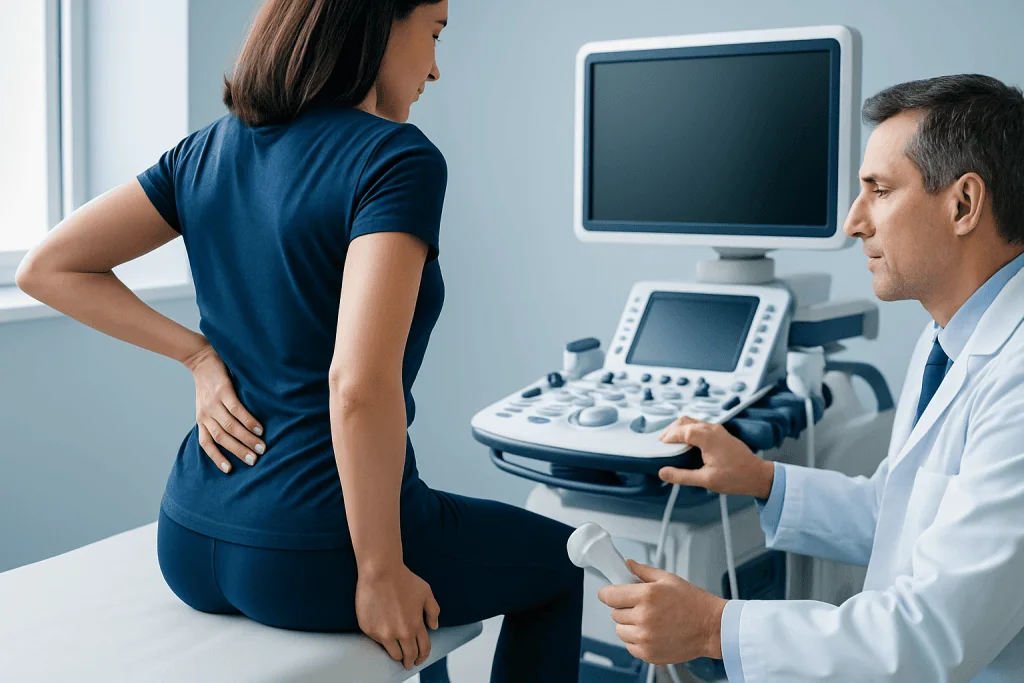
Mechanical lower back pain commonly feels like soreness, stiffness or a localized ache. It may worsen after bending, twisting, standing for a long time, lifting, or remaining in one position. The pain can extend into the buttock or upper thigh without necessarily meaning that a nerve is damaged. Tightness in the hip flexors, gluteal muscles or hamstrings may also contribute to a pulling sensation around the lower back and thigh.
Nerve-related pain is often described as sharp, electric, burning or shooting. It may begin in the lower back or buttock and move down one thigh, sometimes below the knee. Tingling, pins and needles, numbness, or weakness can accompany this pattern. This is often called sciatica, although not every pain in the thigh is sciatica.
Hip-related pain may be most noticeable in the groin, outer hip, buttock or front of the thigh. Difficulty putting on shoes, getting out of a car, climbing stairs or rotating the leg can suggest that the hip is involved. Pain over the outer side of the hip that is worse when lying on that side may result from irritation of tendons or bursae around the hip.
Symptoms that follow the menstrual cycle, occur with pelvic pressure, pain during intercourse, abnormal bleeding, urinary discomfort or bowel changes should be discussed with a doctor. These features may indicate that the pain has a gynecologic, urinary or gastrointestinal contribution rather than being caused only by the back.
Common Causes in Females
Muscle strain and soft-tissue irritation are among the most frequent causes. They can occur after lifting, repetitive bending, household tasks, exercise, a fall, or a sudden increase in activity. Poor sleep, stress and prolonged inactivity can also make muscles more sensitive and can slow recovery. Although uncomfortable, uncomplicated strains often improve gradually over days to a few weeks.
Changes in the lumbar spine may also cause lower back and thigh symptoms. A bulging or herniated disc, narrowing around the nerves, arthritis in spinal joints, or age-related disc changes can irritate nearby nerves. These conditions become more likely with age, but they can affect adults of different ages. Symptoms vary widely, and imaging findings do not always explain the intensity of pain.
The sacroiliac joints, where the spine meets the pelvis, can be another source of pain. Irritation in this area may be felt low on one side of the back and can spread into the buttock, groin or thigh. Pregnancy and the period after childbirth may place additional demands on the pelvis because of posture changes, altered load distribution and ligament-related changes.
<a href="https://acibademinternational.com/diseases/hip-osteoarthritis/”>Hip osteoarthritis, tendon irritation, bursitis and other hip disorders can refer pain into the thigh and lower back. In younger or active people, overuse injuries involving the gluteal muscles, hip flexors or hamstrings may contribute. Less commonly, a fracture after trauma, an inflammatory joint condition, infection, or cancer can cause pain; these possibilities require timely medical evaluation when symptoms or risk factors suggest them.
Female-Specific and Pelvic Considerations
Pregnancy can bring lower back, pelvic and thigh discomfort as the body adapts to weight distribution changes and altered posture. Some people also experience pelvic girdle pain, which may be felt around the pubic bone, buttocks, hips or thighs and can make turning in bed, walking or climbing stairs uncomfortable. A maternity care professional or physiotherapist can advise on safe movement, supportive measures and individualized exercise.
Menstrual cramps can occasionally cause pain that spreads from the lower abdomen or back into the thighs. Endometriosis, fibroids, ovarian cysts and pelvic inflammatory disease are examples of conditions that may cause pelvic or lower back pain, sometimes with thigh discomfort. These conditions cannot be diagnosed from symptoms alone, but cyclic pain, heavy or irregular bleeding, pain during sex, fever, or fertility concerns are important details to share with a clinician.
Urinary tract or kidney problems may cause back or flank discomfort and can occasionally be felt toward the lower abdomen or groin. Burning when passing urine, urgency, blood in the urine, nausea, fever or chills should not be ignored. Severe one-sided pain with nausea may need urgent evaluation, particularly if a kidney stone or infection is possible.
It is important not to assume that all pain in the lower back and thigh is caused by hormones or the menstrual cycle. A careful review of movement-related symptoms, neurologic signs, reproductive health history and general health helps ensure that both musculoskeletal and pelvic causes are considered appropriately.
Diagnosis and Medical Assessment
A clinician usually begins by asking when the pain started, what makes it better or worse, whether it travels down the leg, and whether there has been injury, illness, pregnancy or a change in activity. Questions about numbness, weakness, fever, weight changes, bladder or bowel symptoms, periods and urinary symptoms help identify possible causes and any need for urgent care.
The physical examination may include checking posture, walking, range of motion, areas of tenderness, hip movement, muscle strength, sensation and reflexes. Depending on the symptoms, the clinician may also recommend a pelvic or abdominal examination. This assessment often provides more useful information early on than imaging alone.
Imaging such as X-ray, MRI or ultrasound is not always needed for recent uncomplicated pain. It may be considered when pain is severe or persistent, when there has been significant trauma, when a nerve problem is suspected, or when red-flag symptoms are present. Blood tests, urine tests or gynecologic investigations may be used if infection, inflammation, kidney disease or pelvic conditions are possible.
Accurate diagnosis is especially important when pain has lasted several weeks, repeatedly returns, or limits normal function. A primary care doctor may coordinate care and refer to specialists such as an orthopedist, neurologist, physical medicine and rehabilitation physician, gynecologist, urologist or physiotherapist when appropriate.
Treatment Options and Supportive Self-Care
Treatment depends on the cause, severity and duration of symptoms. For many mechanical causes, staying gently active is more helpful than prolonged bed rest. Short walks, changing positions regularly and gradually returning to usual activities can reduce stiffness and help maintain strength. Activities should be adjusted if they clearly worsen pain, particularly if they trigger pain shooting farther down the leg.
Heat or cold packs may provide short-term comfort for some people. A clinician or pharmacist can advise whether non-prescription pain relief is appropriate based on an individual’s health conditions, pregnancy status and other medicines. Medications should not be used as a substitute for assessment when pain is severe, new or associated with warning signs.
Physiotherapy can be useful for persistent or recurrent symptoms. A tailored program may address movement patterns, core and hip strength, flexibility, balance and gradual return to activity. For nerve-related pain or structural spine and hip conditions, treatment may also include targeted rehabilitation, specialist-guided injections in selected cases, or surgery only when there is a clear indication and less invasive approaches have not been sufficient.
Simple daily changes can support recovery: use supportive seating, avoid prolonged slouched positions, break up long car journeys, use safe lifting techniques, and increase exercise gradually. Sleep position adjustments, such as a pillow between the knees when side-lying or under the knees when lying on the back, may improve comfort for some people. Acibadem International’s multidisciplinary specialists and JCI-accredited hospitals evaluate back, hip and pelvic pain for international patients when specialist assessment is needed.
When to Seek Medical Care
Medical care is advisable when lower back and thigh pain lasts longer than a few weeks, returns frequently, becomes more intense, or makes it difficult to work, sleep, walk or manage normal activities. An appointment is also appropriate if pain follows a fall or injury, begins during pregnancy, or is accompanied by hip or groin pain that limits leg movement.
Seek urgent medical assessment for new or worsening leg weakness, numbness around the genitals or buttocks, or difficulty controlling the bladder or bowels. These symptoms can indicate significant nerve compression and need prompt evaluation. Sudden severe pain after a major injury, especially with difficulty standing or bearing weight, should also be assessed urgently.
Prompt care is important for back or thigh pain with fever, chills, feeling very unwell, unexplained weight loss, a history of cancer, a weakened immune system, or pain that is severe at night and not related to movement. Urgent evaluation is also needed for possible kidney or pelvic infection symptoms, including fever with urinary pain, significant pelvic pain, unusual discharge, or heavy abnormal bleeding.
For pain without warning signs, keeping a brief record of the pain location, timing, triggers, menstrual relationship and associated symptoms can be helpful before a medical visit. This information supports a more focused assessment and helps the clinician recommend safe, individualized care.
Frequently asked questions
Can lower back and thigh pain in females be caused by sciatica?
Yes. Sciatica can cause pain that starts in the lower back or buttock and travels into one thigh, often with burning, tingling or numbness. It occurs when the sciatic nerve or one of its nerve roots is irritated, but an examination is needed because hip and muscle conditions can cause similar symptoms.
Can periods cause lower back and thigh pain?
Menstrual cramps can cause lower back pain that spreads into the thighs in some people. If the pain is severe, increasingly disruptive, occurs outside periods, or is accompanied by heavy bleeding or pelvic symptoms, a gynecologic assessment is advisable.
Why does my thigh hurt when my lower back hurts?
The lower back, buttock, hip and thigh share muscles, joints and nerve pathways, so pain can be referred from one area to another. A strained muscle may ache into the thigh, while an irritated spinal nerve may create sharp or shooting pain along the leg.
Is lower back and thigh pain common during pregnancy?
It is common for pregnancy-related changes in posture, weight distribution and pelvic support to cause back, pelvic or thigh discomfort. However, severe pain, vaginal bleeding, fever, painful urination, leg swelling, weakness or numbness should be discussed promptly with a maternity care professional.
What is the best sleeping position for lower back and thigh pain?
There is no single best position for everyone. Many people find side-lying with a pillow between the knees or lying on the back with a pillow under the knees more comfortable because these positions may reduce strain on the lower back and hips.
When is lower back pain that goes into the thigh an emergency?
Emergency assessment is needed for pain with new leg weakness, loss of bladder or bowel control, numbness in the saddle area, high fever, or severe pain after major trauma. These symptoms can signal conditions that require prompt medical attention.
References
- National Institute of Arthritis and Musculoskeletal and Skin Diseases
- National Institute of Neurological Disorders and Stroke
- American College of Obstetricians and Gynecologists
- National Health Service
- Mayo Clinic
This article is for general information only and is not a substitute for professional medical advice. Please consult a qualified doctor about your individual situation.
Joint and spine care in Turkey — expert assessment & treatment
JCI-accredited · board-certified surgeons · reply within 24h
Add us as a Preferred Source to see more of our trusted health content across Google Search, AI Overviews and Discover.