

Lung Cancer: Causes, Risk Factors, and How It Is Diagnosed
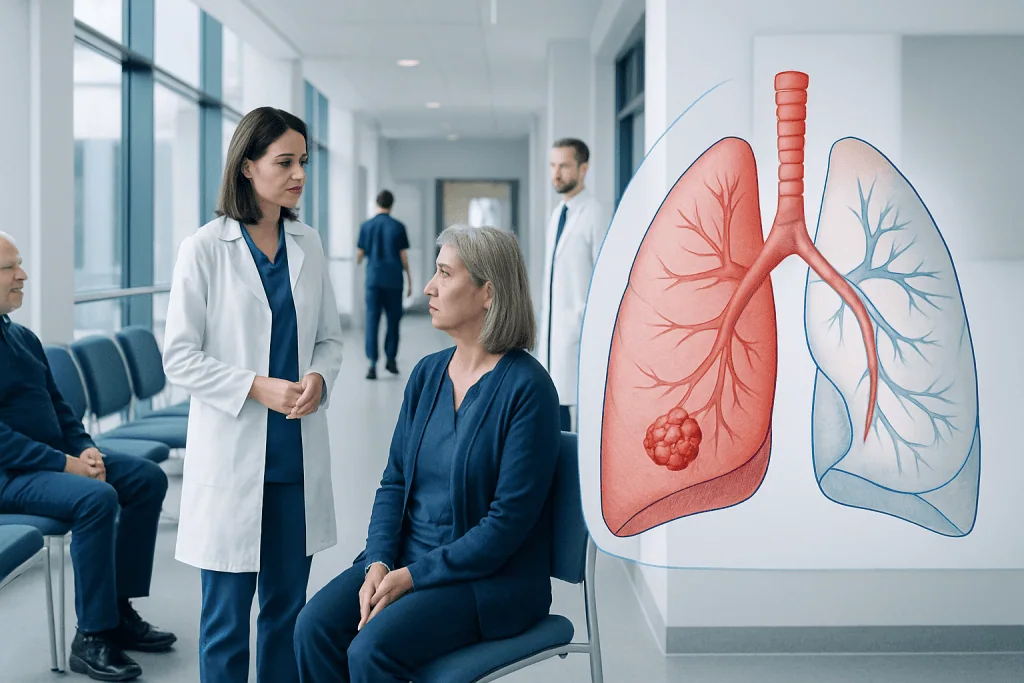
Lung cancer may not cause symptoms early, so persistent respiratory changes should be checked by a doctor. Smoking is the main risk factor, but lung cancer can also occur in people who have never smoked.
Key Takeaways
- Lung cancer may not cause symptoms early, so persistent respiratory changes should be checked by a doctor.
- Smoking is the main risk factor, but lung cancer can also occur in people who have never smoked.
- Diagnosis usually involves imaging tests and a biopsy to confirm the cancer type.
- Finding the stage of lung cancer helps guide treatment planning.
- Early evaluation can improve the chances of starting appropriate treatment sooner.
Lung cancer begins when abnormal cells in the lungs grow uncontrollably and form a tumor. Understanding its symptoms, causes, risk factors, and diagnostic process can help people seek timely medical care and make informed decisions.
Overview of lung cancer
Lung cancer is a type of cancer that starts in the tissues of the lungs, most often in the cells lining the air passages. The lungs bring oxygen into the body and remove carbon dioxide, so any disease affecting them can have a major impact on overall health. In lung cancer, certain cells begin to grow in an abnormal and uncontrolled way, forming a mass called a tumor.
Doctors usually divide lung cancer into two main groups: non-small cell lung cancer and small cell lung cancer. Non-small cell lung cancer is more common and includes several subtypes. Small cell lung cancer is less common but tends to grow and spread more quickly. Identifying the exact type is an important part of diagnosis because treatment decisions depend on it.
Lung cancer can remain unnoticed in its early stages because it may not cause clear symptoms at first. Some cases are found during tests performed for another reason. When symptoms do appear, they often overlap with common lung conditions, which is why persistent or unusual changes should not be ignored.
Symptoms and signs
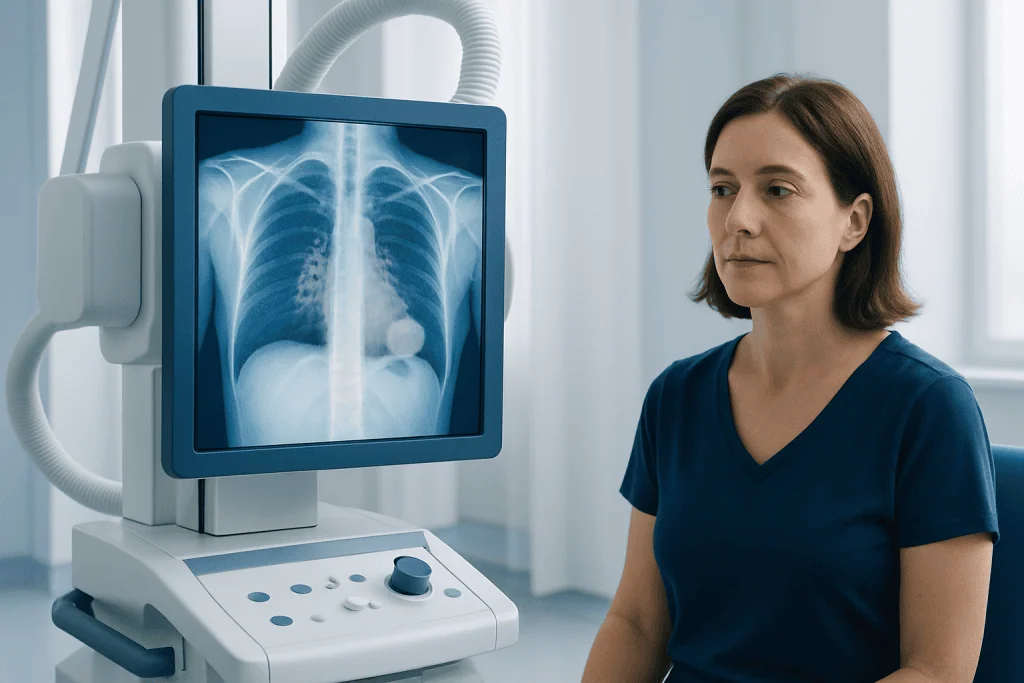
The symptoms of lung cancer vary from person to person and depend on the size and location of the tumor and whether it has spread. A cough that does not go away, a change in a long-standing cough, chest pain, shortness of breath, or wheezing are common warning signs. Some people may also notice coughing up blood, even in small amounts, which should always be evaluated promptly.
General symptoms can include tiredness, unexplained weight loss, loss of appetite, or repeated chest infections such as bronchitis or pneumonia. Hoarseness can happen if a tumor affects a nerve related to the voice box. In some cases, shoulder pain or swelling of the face and neck may occur, depending on where the tumor is located.
If lung cancer spreads outside the lungs, it may cause symptoms in other parts of the body. For example, spread to the bones can cause bone pain, while spread to the brain may lead to headaches, weakness, or balance problems. These symptoms do not always mean cancer is present, but they do deserve careful medical assessment.
- Persistent cough or change in usual cough
- Chest pain or discomfort
- Shortness of breath
- Coughing up blood
- Unexplained weight loss or fatigue
- Repeated lung infections
Causes and risk factors
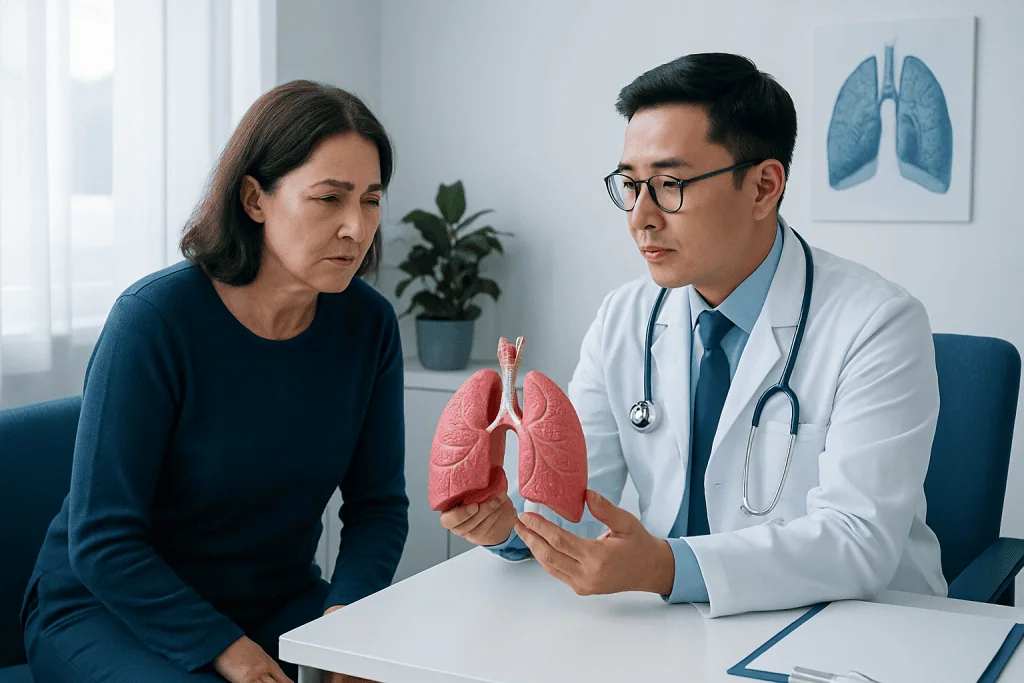
Lung cancer develops because of changes in the genetic material of lung cells. These changes allow cells to grow, divide, and survive when they should not. Over time, the abnormal cells can form a tumor and may spread to nearby tissues or distant organs. The exact reason these changes occur is not always clear, but several well-known risk factors increase the likelihood.
Smoking is the leading risk factor for lung cancer. This includes cigarettes, cigars, and pipes. The risk generally rises with the amount and duration of smoking, but stopping smoking can lower risk over time. People exposed to secondhand smoke also have an increased chance of developing lung cancer.
Other risk factors include exposure to radon gas, asbestos, air pollution, and certain workplace chemicals. A family history of lung cancer may also play a role, especially when combined with environmental exposures. Importantly, lung cancer can also occur in people who have never smoked, so symptoms should be taken seriously regardless of smoking history.
- Tobacco smoking
- Secondhand smoke exposure
- Radon gas exposure
- Asbestos and occupational hazards
- Air pollution
- Family history of lung cancer
- Previous radiation to the chest
How lung cancer is diagnosed
Diagnosis begins with a medical history and physical examination. A doctor will ask about symptoms, smoking history, workplace exposures, family history, and any previous lung disease. If lung cancer is suspected, imaging tests are usually the next step. A chest X-ray may show an abnormal area, but a chest CT scan provides more detailed information about the lungs and nearby structures.
If imaging suggests a suspicious growth, a biopsy is needed to confirm whether cancer is present. A biopsy means taking a small sample of tissue or cells for laboratory examination. This can be done in different ways, such as bronchoscopy, needle biopsy guided by imaging, or a procedure to sample fluid around the lungs if fluid is present. The laboratory then determines the cancer type and may also test for certain molecular or genetic features that can guide treatment.
Additional tests help determine whether the cancer has spread, a process called staging. These may include PET scans, MRI scans, blood tests, and sampling of lymph nodes. Accurate staging is essential because it helps doctors choose the most suitable treatment plan and estimate how advanced the disease is.
Staging and why it matters
Once lung cancer is confirmed, doctors determine its stage. Staging describes how large the tumor is, whether it involves nearby lymph nodes, and whether it has spread to other parts of the body. In non-small cell lung cancer, stages generally range from early localized disease to more advanced metastatic disease. Small cell lung cancer is often described as limited stage or extensive stage.
Staging matters because it shapes treatment decisions. For example, a small tumor that has not spread may be treated very differently from cancer that has reached lymph nodes or distant organs. Staging also helps the care team discuss goals of treatment, possible outcomes, and the sequence of therapies.
Because lung cancer is a complex disease, staging often involves input from specialists in chest diseases, radiology, pathology, oncology, and surgery. This team-based approach helps ensure that important details are not missed and that the person receives a plan tailored to the type and extent of disease, including evaluation for related conditions such as lung nodules when a suspicious spot is first identified.
Treatment options
Treatment for lung cancer depends on the cancer type, stage, molecular features, overall health, and personal preferences. The main treatment options include surgery, radiation therapy, chemotherapy, targeted therapy, immunotherapy, or a combination of these. A doctor explains which treatments are appropriate and why, based on the test results.
Surgery may be recommended when the cancer is limited to the lung and can be removed safely. In other cases, treatment may involve chemotherapy, radiation therapy, or newer medicines that target specific changes in the cancer cells. Some people may also benefit from immunotherapy, which helps the immune system recognize and attack cancer cells more effectively.
Supportive care is an important part of treatment at every stage. This includes managing symptoms such as pain, breathlessness, fatigue, and anxiety, as well as supporting nutrition and daily functioning. Near the end of the care pathway, multidisciplinary specialists at Acibadem International’s JCI-accredited hospitals diagnose and treat lung cancer for international patients using individualized treatment planning.
Prevention and self-care
Not all cases of lung cancer can be prevented, but some steps can lower risk. Avoiding tobacco is the most important measure. People who smoke can benefit from stopping, and those who do not smoke should avoid secondhand smoke whenever possible. Reducing exposure to workplace hazards and testing homes for radon may also be helpful in some regions.
General lung health also matters. Staying physically active, following a balanced diet, keeping up with vaccinations, and seeking treatment for chronic lung problems can support overall respiratory well-being. These steps do not replace medical treatment, but they can help improve resilience and quality of life.
For people at high risk, doctors may discuss screening with low-dose CT scans. Screening is not meant for everyone, but in selected individuals it can help find lung cancer earlier, before symptoms appear. Anyone considering screening should speak with a qualified healthcare professional about its potential benefits, limitations, and follow-up needs.
When to see a doctor
A person should see a doctor if they have a cough that lasts for weeks, cough up blood, feel short of breath without a clear reason, or have chest pain that does not improve. Unexplained weight loss, ongoing fatigue, or repeated chest infections also deserve medical attention. These symptoms often have causes other than cancer, but checking them early is the safest approach.
People with a history of smoking or exposure to lung irritants should be especially mindful of persistent symptoms. Even if someone has never smoked, new or unusual respiratory symptoms should not be dismissed. Early assessment can lead to quicker answers and, if needed, earlier treatment.
If a scan has already shown an abnormal area in the lung, follow-up should be taken seriously. A doctor may arrange repeat imaging, specialist referral, or tests to rule out or confirm conditions such as lung cancer. Prompt evaluation helps reduce uncertainty and supports informed decision-making.
Frequently asked questions
What is the first sign of lung cancer?
There is no single first sign, and early lung cancer may cause no symptoms at all. When symptoms do appear, a persistent cough, chest discomfort, or shortness of breath are common reasons people seek medical advice.
Can non-smokers get lung cancer?
Yes, lung cancer can develop in people who have never smoked. Factors such as secondhand smoke, radon, air pollution, genetics, and occupational exposures may contribute to risk.
How do doctors confirm lung cancer?
Doctors usually start with imaging tests such as a chest X-ray or CT scan. A biopsy is needed to confirm the diagnosis, determine the type of cancer, and guide treatment planning.
Is lung cancer curable?
Some lung cancers can be treated successfully, especially when found at an early stage. The outlook depends on the type of lung cancer, how far it has spread, and how well it responds to treatment.
What is the difference between small cell and non-small cell lung cancer?
Non-small cell lung cancer is the more common group and usually grows more slowly than small cell lung cancer. Small cell lung cancer tends to spread faster and is often treated with a different approach.
Who should ask about lung cancer screening?
People with a significant smoking history or other important risk factors may qualify for screening with low-dose CT. A doctor can assess individual risk and explain whether screening is appropriate.
References
- World Health Organization
- American Cancer Society
- National Cancer Institute
- Centers for Disease Control and Prevention
- National Comprehensive Cancer Network
This article is for general information only and is not a substitute for professional medical advice. Please consult a qualified doctor about your individual situation.
Lung Cancer in Turkey — costs, top hospitals & a free quote
JCI-accredited · board-certified surgeons · reply within 24h
Add us as a Preferred Source to see more of our trusted health content across Google Search, AI Overviews and Discover.

Medical Oncology Department
Medical treatment of cancer with chemotherapy, immunotherapy and targeted therapies under a multidisciplinary tumor board.
60 specialists in this unitMore from the Health Library



Related Specialists

Prof. Dr. Faik Acar Koç
Perinatology & High Risk Pregnancies
Assoc. Prof. Dr. Işık Türkalp
Clinical Laboratory
Assoc. Prof. Dr. Nicel Taşdemir
Gynecology & Obstetrics
Dr. Mehmet Akkuşaklı
Emergency Service