Lung Cancer Symptoms: Early Warning Signs You Shouldn’t Ignore

A cough that does not go away or changes over time should be checked by a doctor. Lung cancer symptoms can also include chest pain, breathlessness, wheezing, hoarseness, and repeated chest infections.
Key Takeaways
- A cough that does not go away or changes over time should be checked by a doctor.
- Lung cancer symptoms can also include chest pain, breathlessness, wheezing, hoarseness, and repeated chest infections.
- Coughing up blood, unexplained weight loss, and ongoing fatigue are important warning signs that need prompt medical attention.
- Symptoms do not always mean cancer, but they should not be ignored, especially in people with smoking or other risk factors.
- Diagnosis usually involves imaging tests and, when needed, procedures such as bronchoscopy or biopsy to confirm the cause.
Lung cancer symptoms may be mild at first and can resemble common chest problems. Knowing the early warning signs can help a person seek medical advice promptly and get the right tests without delay.
Overview
Lung cancer symptoms can begin gradually, and in some people there may be no obvious warning signs in the earliest stages. When symptoms do appear, they often overlap with common conditions such as a chest infection, asthma, chronic bronchitis, or allergies. This is one reason why lung cancer may not be recognized right away.
The most important point is that symptoms that persist, return, or clearly change deserve medical attention. A lingering cough, unexplained breathlessness, chest discomfort, or coughing up blood should not be dismissed as something minor, especially if the person has smoked, has significant exposure to air pollution or workplace chemicals, or has a family history of lung cancer.
Many causes of these symptoms are not cancer. Even so, early assessment is valuable because it helps identify the true reason and, if lung cancer is present, can support earlier treatment planning. People who are concerned about possible lung cancer symptoms should speak with a qualified doctor rather than trying to self-diagnose.
Common lung cancer symptoms
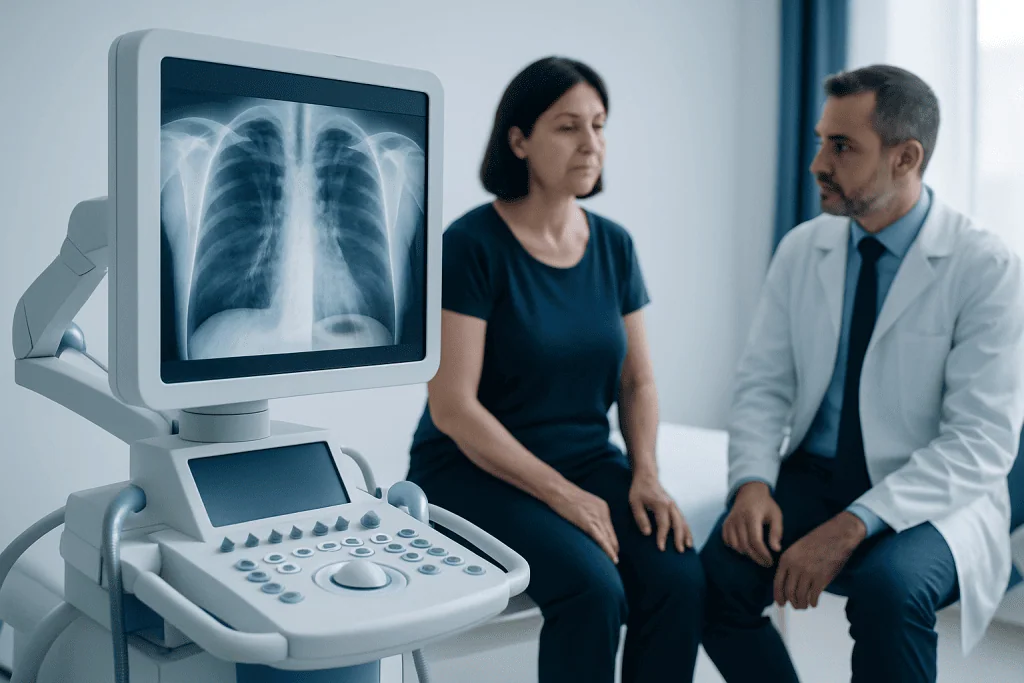
The most frequently reported symptom is a cough that does not go away. This may be a new cough, or it may be a long-standing smoker’s cough that becomes worse, deeper, more frequent, or different in character. Some people notice coughing fits that interrupt sleep or daily activities.
Other common symptoms involve breathing and the chest. Shortness of breath may develop during exercise at first and later with simple daily tasks. Chest pain can feel dull, sharp, or aching, and may become more noticeable with deep breathing, coughing, or laughing. Wheezing or noisy breathing may also occur if airflow is narrowed.
Changes in the voice and repeated respiratory infections can be additional clues. Hoarseness that lasts several weeks may happen if a tumor affects the nerve that helps control the voice box. Some people have repeated bronchitis or pneumonia in the same area of the lung because of blockage in an airway.
- Persistent cough or a cough that changes
- Shortness of breath
- Chest pain
- Wheezing
- Hoarseness
- Repeated chest infections
Early warning signs that should not be ignored
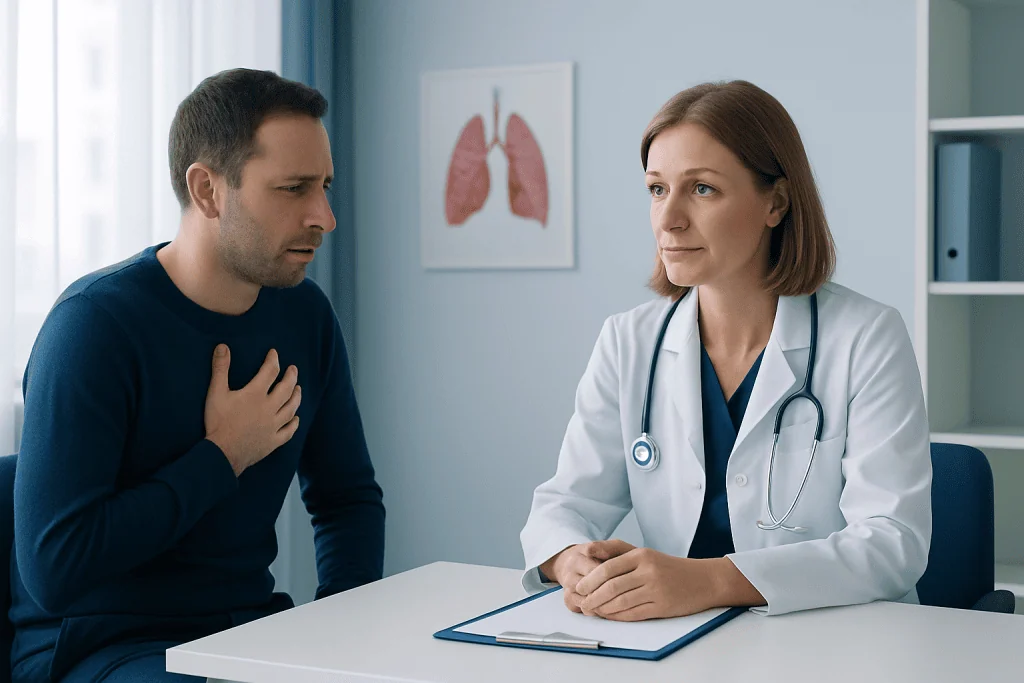
Several symptoms deserve prompt evaluation because they can signal a more serious underlying problem. One of the most important is coughing up blood, even if it is only a small amount or appears as blood-streaked mucus. Blood in sputum should always be discussed with a doctor.
Unexplained weight loss and ongoing tiredness can also be early warning signs. A person may notice reduced appetite, less energy, or fatigue that does not improve with rest. While these symptoms are non-specific and can happen for many reasons, they are important when they occur together with a cough or breathing changes.
Some people develop pain in the shoulder, back, or bones, especially if the disease affects nearby tissues or has spread. Swelling in the face or neck, trouble swallowing, or a feeling of pressure in the chest can also occur in some cases. These symptoms do not prove cancer, but they should not be ignored.
- Coughing up blood
- Unexplained weight loss
- Persistent fatigue
- Loss of appetite
- Back, shoulder, or bone pain
- Swelling of the face or neck
Causes and risk factors
The main risk factor for lung cancer is tobacco smoke. This includes current smoking, past smoking, and exposure to secondhand smoke. However, it is important to remember that lung cancer can also occur in people who have never smoked, so symptoms should still be evaluated even without a smoking history.
Other risks include exposure to radon gas, asbestos, diesel exhaust, silica, and certain other workplace substances. Long-term air pollution exposure may also contribute. A personal or family history of lung cancer, previous chest radiation, and some chronic lung diseases can increase risk as well.
Risk factors help doctors decide how urgently symptoms should be investigated, but they do not determine the diagnosis on their own. Some people with major risk factors never develop lung cancer, while others with few known risks do. This is why paying attention to symptoms and changes in health remains so important.
How lung cancer is diagnosed
A doctor usually begins with a detailed medical history and physical examination. They may ask when the symptoms started, whether the cough has changed, if there is blood in the sputum, and whether there is a history of smoking or other exposures. Depending on the situation, imaging tests are often the next step.
A chest X-ray may show an abnormal area, but it cannot confirm whether the cause is cancer. A chest CT scan provides more detail and is commonly used to look for suspicious nodules, masses, enlarged lymph nodes, or other changes. If needed, doctors may also use PET-CT or other imaging to assess whether the disease has spread.
To make a diagnosis, a tissue sample is usually required. This may be obtained through bronchoscopy, a needle biopsy guided by imaging, or another procedure depending on where the abnormal area is located. Laboratory analysis then identifies the cancer type and may look for molecular features that can help guide care. In some cases, additional evaluation may include lung biopsy or PET-CT imaging as part of staging and treatment planning.
Treatment options
Treatment depends on the type of lung cancer, how advanced it is, the person’s general health, and specific tumor features. The main categories include surgery, radiation therapy, chemotherapy, targeted therapy, and immunotherapy. Some people receive one treatment, while others need a combination.
For early-stage disease, surgery may be considered to remove the tumor and nearby lymph nodes. If surgery is not suitable, radiation therapy or other local treatments may be used. In more advanced cases, systemic treatments such as chemotherapy, targeted medicines, or immunotherapy may help control the disease, relieve symptoms, and improve quality of life.
Care is usually planned by a multidisciplinary team that may include chest physicians, thoracic surgeons, medical oncologists, radiation oncologists, radiologists, and pathologists. Near the end of the care journey, supportive and palliative care also play an important role in symptom relief and overall well-being. Acibadem International’s multidisciplinary specialists in JCI-accredited hospitals diagnose and treat lung cancer for international patients.
Prevention and self-care
The most effective way to reduce lung cancer risk is not smoking or stopping smoking if a person currently smokes. Quitting is beneficial at any age, and support from a doctor, counseling, or smoking cessation programs can make the process easier. Avoiding secondhand smoke is also important.
People can lower risk further by reducing exposure to workplace hazards and testing homes for radon where appropriate. Using recommended protective equipment at work and following occupational safety guidance matter, especially in industries with dusts, fumes, or chemical exposure. General health habits such as regular physical activity, a balanced diet, and routine medical care support overall lung health, even though they do not fully prevent cancer.
Self-care also means monitoring symptoms realistically. If a cough lingers beyond a few weeks, keeps returning, or is clearly getting worse, it is sensible to arrange a medical review. People with high risk may also benefit from discussing screening with their doctor, especially low-dose CT screening when appropriate under local guidelines.
When to see a doctor
A person should see a doctor if they have a cough that lasts more than a few weeks, repeated chest infections, unexplained shortness of breath, ongoing chest pain, or hoarseness that does not improve. It is especially important to arrange assessment if symptoms are new, worsening, or different from a usual pattern of asthma, allergies, or smoker’s cough.
Urgent medical attention is needed if there is coughing up blood, severe breathing difficulty, chest pain that is intense or persistent, or swelling of the face and neck. These symptoms can have several causes, but they need prompt evaluation. Early review does not mean assuming the worst; it means giving the doctor the best chance to find the cause and recommend the right treatment.
It can help to prepare for the visit by noting when symptoms began, how they have changed, and whether there are triggers such as exercise or infection. Bringing a list of medications, smoking history, workplace exposures, and previous scans or test results may also be useful.
Frequently asked questions
What is usually the first symptom of lung cancer?
A persistent cough is one of the most common early symptoms of lung cancer. In some people, the cough is new, while in others a long-term cough changes or becomes worse. Because many non-cancer conditions can also cause cough, a doctor may need tests to find the reason.
Does a cough always mean lung cancer?
No, most coughs are not caused by lung cancer. Infections, asthma, reflux, allergies, and chronic lung diseases are much more common causes. Still, a cough that lasts, returns, or changes should be checked by a healthcare professional.
Is coughing up a small amount of blood serious?
Yes, coughing up blood should always be medically assessed, even if the amount is small or happens only once. It does not always mean cancer, but it can be a sign of a condition that needs prompt diagnosis and treatment. A doctor can decide which tests are needed.
Can lung cancer happen in someone who never smoked?
Yes, lung cancer can occur in people who have never smoked. Other factors such as radon, air pollution, workplace exposures, family history, and chance can also play a role. For this reason, symptoms should not be ignored simply because a person has never smoked.
How is lung cancer confirmed?
Doctors usually use imaging tests such as a chest X-ray or CT scan to look for an abnormal area. To confirm the diagnosis, they often need a tissue sample from the lung or lymph nodes. This sample is examined in a laboratory to identify the type of cancer and help plan treatment.
Can lung cancer symptoms come and go?
Yes, some symptoms can seem mild at first or may come and go, especially cough, chest discomfort, or tiredness. This can make them easier to dismiss. Symptoms that keep returning, persist beyond a few weeks, or gradually worsen should be discussed with a doctor.
References
- World Health Organization
- National Cancer Institute
- American Cancer Society
- National Health Service
- Centers for Disease Control and Prevention
This article is for general information only and is not a substitute for professional medical advice. Please consult a qualified doctor about your individual situation.
Lung Cancer in Turkey — costs, top hospitals & a free quote
JCI-accredited · board-certified surgeons · reply within 24h
Add us as a Preferred Source to see more of our trusted health content across Google Search, AI Overviews and Discover.

Medical Oncology Department
Medical treatment of cancer with chemotherapy, immunotherapy and targeted therapies under a multidisciplinary tumor board.
60 specialists in this unit