Lung Disease: Early Symptoms, Major Types, and How It Is Diagnosed

Lung disease includes many conditions, such as asthma, COPD, pneumonia, interstitial lung disease, and lung cancer. Common early symptoms include ongoing cough, shortness of breath, wheezing, chest discomfort, and unusual fatigue.
Key Takeaways
- Lung disease includes many conditions, such as asthma, COPD, pneumonia, interstitial lung disease, and lung cancer.
- Common early symptoms include ongoing cough, shortness of breath, wheezing, chest discomfort, and unusual fatigue.
- Diagnosis often involves a medical history, physical exam, lung function tests, imaging, and sometimes laboratory or tissue tests.
- Treatment depends on the cause and may include inhalers, medicines, pulmonary rehabilitation, oxygen therapy, or procedures.
- Avoiding smoking, reducing exposure to pollutants, staying vaccinated, and managing chronic conditions can help protect lung health.
Lung disease is a broad term for conditions that affect how the lungs move air and oxygen into the body. Recognizing early symptoms and understanding the main types can help people seek timely medical care and appropriate treatment.
Overview
Lung disease refers to any condition that affects the lungs or the airways. These conditions may interfere with breathing, oxygen exchange, or the movement of air in and out of the body. Some lung diseases are short term, such as infections, while others are chronic and require long-term care.
The term covers several major groups of illness. These include obstructive conditions, such as asthma and chronic obstructive pulmonary disease, restrictive conditions that make the lungs harder to expand, infections such as pneumonia, blood vessel problems in the lungs, and cancers that begin in or spread to lung tissue.
Many lung diseases begin gradually. A mild cough, reduced exercise tolerance, or getting out of breath more easily may be the first clues. Because these changes can be subtle, people sometimes attribute them to aging, lack of fitness, or seasonal illness. Paying attention to persistent symptoms can make diagnosis easier and treatment more effective.
Early Symptoms of Lung Disease
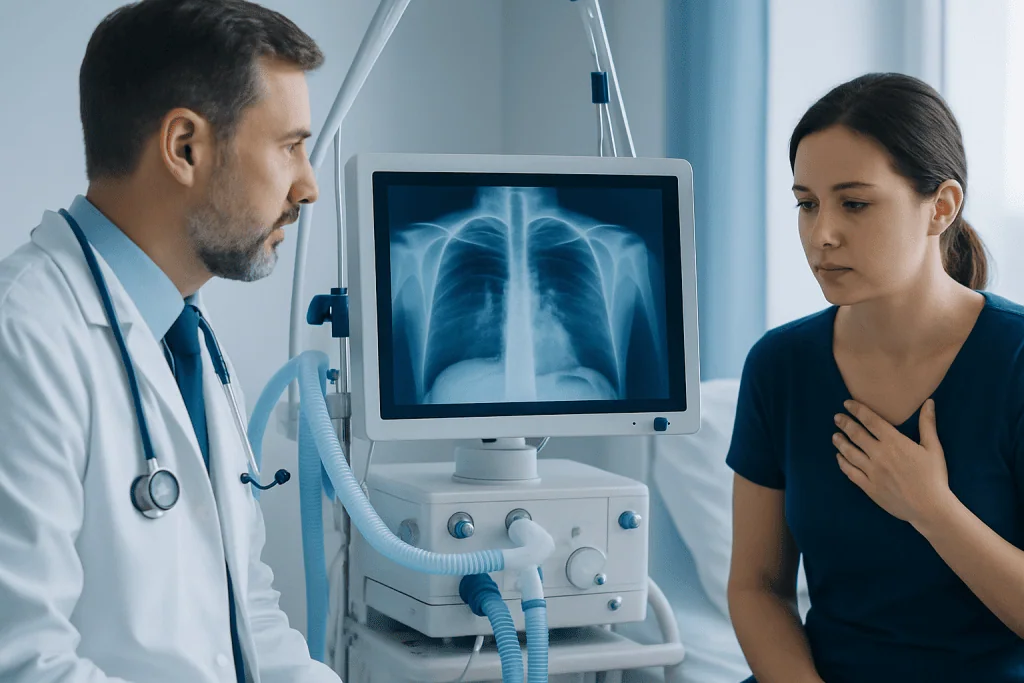
Symptoms vary depending on the type of lung disease, but several warning signs are common across many conditions. A cough that lasts for weeks, breathlessness during usual daily activities, wheezing, chest tightness, or repeated respiratory infections may suggest a problem in the lungs or airways.
Some people notice a change in mucus or phlegm, including increased volume, thicker consistency, or discoloration. Others feel unusually tired because the body may not be getting oxygen as efficiently as it should. In more advanced cases, symptoms can include chest pain, unintended weight loss, swelling in the legs, or bluish lips or fingertips.
Symptoms that deserve attention include:
- A persistent cough or coughing that keeps returning
- Shortness of breath at rest or with mild exertion
- Wheezing or noisy breathing
- Chest discomfort or tightness
- Coughing up blood
- Frequent bronchitis, pneumonia, or chest infections
- Reduced ability to exercise or climb stairs
Not every cough or episode of breathlessness means serious disease. However, symptoms that are severe, worsening, or unexplained should be assessed by a qualified doctor, especially in people who smoke, have a history of asthma, or have been exposed to dust, chemicals, or air pollution.
Major Types of Lung Disease
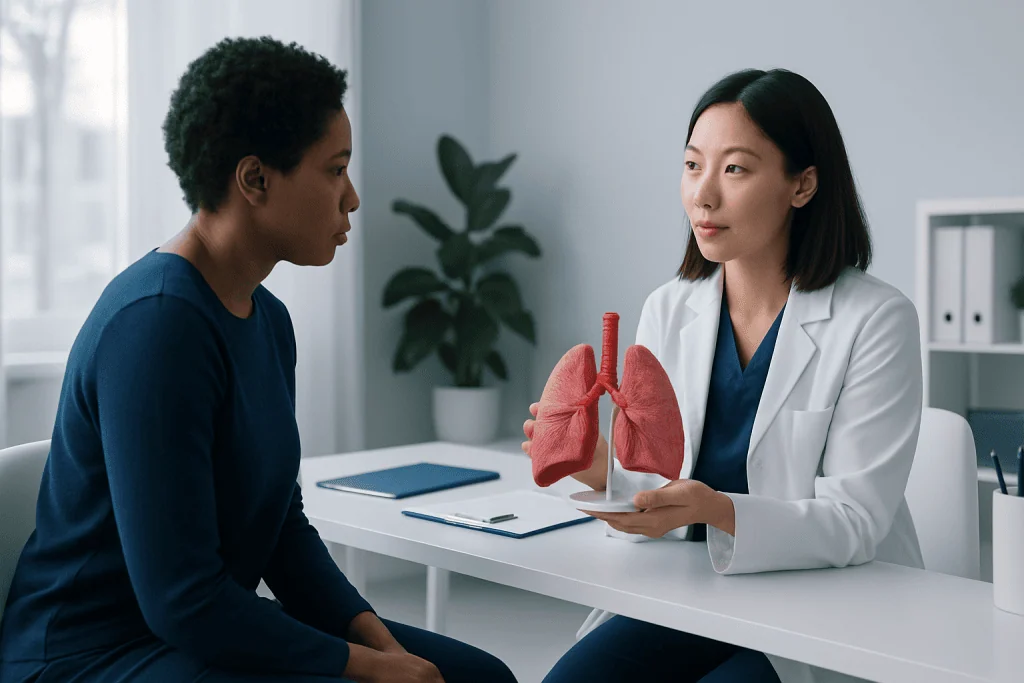
Lung diseases are often grouped by how they affect breathing. Obstructive lung diseases narrow the airways and make it harder to breathe air out. This group includes asthma and chronic obstructive pulmonary disease, which includes emphysema and chronic bronchitis. These conditions commonly cause wheezing, cough, and prolonged shortness of breath.
Restrictive lung diseases limit how much the lungs can expand. They may be caused by scarring in the lungs, inflammation, chest wall problems, neuromuscular disease, or obesity. A well-known example is interstitial lung disease, which can lead to a dry cough and increasing breathlessness over time.
Other important categories include infections, such as pneumonia and tuberculosis; vascular conditions, such as pulmonary embolism and pulmonary hypertension; pleural disease, which affects the lining around the lungs; sleep-related breathing disorders; and tumors, including lung cancer. Because these illnesses can overlap in symptoms, careful diagnosis is important before treatment begins.
Causes and Risk Factors
Lung disease can develop for many reasons. Smoking remains one of the most important risk factors for several chronic and serious lung conditions, including COPD and lung cancer. Exposure to secondhand smoke, indoor biomass fuels, occupational dusts, chemicals, asbestos, and air pollution can also damage the airways and lung tissue over time.
Infections are another major cause. Viruses, bacteria, and fungi may trigger short-term lung illness or worsen an existing chronic condition. Some lung diseases are linked to autoimmune disorders, allergic reactions, or inherited conditions. Others may develop after repeated inflammation or long-standing exposure to environmental irritants.
Risk may be higher in people who:
- Smoke or used to smoke
- Work in mining, construction, farming, manufacturing, or chemical industries
- Have asthma, allergies, or a family history of lung disease
- Live in areas with significant air pollution
- Have weak immune systems or chronic health conditions
- Are older adults, especially with cumulative exposure to irritants
Knowing a person’s exposures and medical history helps doctors narrow the possible causes. Even when a risk factor is present, testing is still needed because similar symptoms can come from the lungs, heart, blood vessels, or other parts of the body.
How Lung Disease Is Diagnosed
Diagnosis usually starts with a detailed history and physical examination. A doctor may ask about symptoms, smoking history, work or environmental exposures, allergies, family history, medicines, and previous lung infections. During the exam, the doctor listens to the chest, checks breathing pattern and oxygen level, and looks for signs such as wheezing, crackles, or swelling.
Lung function tests are often central to diagnosis. Spirometry measures how much air a person can inhale and exhale and how quickly air leaves the lungs. Other pulmonary function tests may assess lung volume and gas exchange. These tests help distinguish obstructive from restrictive patterns and can be useful in monitoring response to treatment.
Imaging studies are also commonly used. A chest X-ray may show infection, fluid, scarring, or masses. A chest X-ray is often one of the first tests, while a CT scan can provide more detailed images of the lungs and surrounding structures. Blood tests, sputum analysis, allergy testing, bronchoscopy, or biopsy may be recommended in selected cases.
Sometimes doctors also use pulse oximetry, arterial blood gas testing, exercise tests, or sleep studies. The exact combination of tests depends on the symptoms and the suspected condition. Because lung diseases are diverse, diagnosis may involve specialists in pulmonary medicine, radiology, pathology, infectious disease, oncology, or thoracic surgery.
Treatment Options
Treatment depends on the type of lung disease, its severity, and the person’s overall health. The goal may be to relieve symptoms, treat the cause, reduce flare-ups, improve daily function, or slow progression. Some conditions respond well to medicine, while others may require oxygen therapy, rehabilitation, or procedures.
Common treatments include inhaled bronchodilators to open the airways, anti-inflammatory medicines, antibiotics for bacterial infections, and medicines that target specific diseases. People with chronic lung conditions may benefit from pulmonary rehabilitation, which combines supervised exercise, breathing techniques, education, and support to improve endurance and quality of life.
When oxygen levels are low, supplemental oxygen may be prescribed. In selected cases, bronchoscopy, drainage of fluid around the lungs, surgery, or cancer treatments may be needed. If a suspicious mass is found, doctors may recommend further imaging or biopsy and refer the patient for specialized care.
Care often works best when it is personalized. Stopping smoking, using inhalers correctly, attending follow-up visits, and treating related conditions such as reflux, sleep apnea, or heart disease can all make a meaningful difference. Near the end of the care pathway, some international patients may choose centers such as Acibadem International, where multidisciplinary specialists in JCI-accredited hospitals diagnose and treat complex lung conditions.
Prevention and Self-care
Not all lung diseases can be prevented, but many risks can be reduced. Avoiding tobacco is one of the most important protective steps. This includes cigarettes, other smoked products, and secondhand smoke. People who smoke may benefit from structured support to quit, as stopping at any stage can improve lung health and reduce future harm.
Everyday self-care also matters. Vaccination against influenza and other recommended respiratory infections can help lower the risk of severe illness, especially for older adults and people with chronic conditions. Good hand hygiene, regular physical activity, and maintaining a healthy weight support both the lungs and the heart.
Helpful prevention and self-care measures include:
- Avoiding smoking and vaping when possible
- Reducing exposure to dust, fumes, and air pollution
- Using protective equipment at work when recommended
- Keeping chronic conditions well managed
- Following prescribed inhaler or medication plans
- Staying up to date with recommended vaccines
People with known lung disease should have an action plan for worsening symptoms. This may include knowing when to use rescue medicines, when to rest, and when to contact a doctor. Self-care does not replace medical evaluation, especially if symptoms are new, rapidly worsening, or affecting sleep and daily function.
When to See a Doctor
A doctor should evaluate breathing symptoms that persist, return often, or interfere with normal activity. Examples include a cough that lasts more than a few weeks, increasing shortness of breath, chest tightness, repeated infections, or wheezing that is new or getting worse. Early evaluation can help identify the cause and reduce the chance of complications.
Urgent medical attention is important for severe shortness of breath, chest pain, confusion, bluish lips or fingertips, high fever with breathing difficulty, or coughing up blood. These symptoms do not always mean a life-threatening condition, but they should be assessed promptly.
People with a history of smoking, occupational exposure, asthma, autoimmune disease, or previous serious lung infections should be especially attentive to new respiratory symptoms. Keeping a record of when symptoms started, what triggers them, and any associated mucus, fever, or weight loss can help the doctor make an accurate diagnosis more quickly.
Frequently asked questions
What are the first signs of lung disease?
Early signs often include a cough that does not go away, shortness of breath with usual activities, wheezing, or chest tightness. Some people also notice unusual fatigue or more frequent chest infections. Persistent symptoms should be discussed with a doctor.
Is shortness of breath always caused by lung disease?
No. Shortness of breath can also be linked to heart conditions, anemia, anxiety, obesity, or poor physical conditioning. Because the symptom has many possible causes, a medical evaluation is important when it is new, worsening, or unexplained.
What tests are commonly used to diagnose lung disease?
Doctors often use a medical history, physical exam, spirometry or other pulmonary function tests, and chest imaging such as X-ray or CT. Depending on the suspected cause, they may also order blood tests, sputum tests, bronchoscopy, or biopsy.
Can lung disease be cured?
Some lung diseases, such as certain infections, may be treated successfully and resolve completely. Others, such as asthma or COPD, are usually managed rather than cured. Even when a condition is chronic, treatment can often improve symptoms and quality of life.
Does every smoker develop lung disease?
No, but smoking significantly increases the risk of several serious lung conditions. The risk depends on factors such as duration of smoking, intensity of exposure, genetics, and other environmental influences. Quitting smoking reduces risk and benefits lung health at any age.
When should someone seek urgent care for breathing symptoms?
Urgent care is needed for severe breathlessness, chest pain, blue lips or fingertips, confusion, coughing up blood, or signs of serious infection with breathing difficulty. These symptoms should not be ignored, even if they improve briefly.
References
- World Health Organization
- American Lung Association
- National Heart, Lung, and Blood Institute
- Centers for Disease Control and Prevention
- European Respiratory Society
This article is for general information only and is not a substitute for professional medical advice. Please consult a qualified doctor about your individual situation.
Lung Disease in Turkey — costs, top hospitals & a free quote
JCI-accredited · board-certified surgeons · reply within 24h
Add us as a Preferred Source to see more of our trusted health content across Google Search, AI Overviews and Discover.