Luteal Phase: What Patients Need to Know

The luteal phase starts after ovulation and usually lasts about 12 to 14 days. Progesterone is the main hormone in this phase and helps prepare the uterine lining for a possible pregnancy.
Key Takeaways
- The luteal phase starts after ovulation and usually lasts about 12 to 14 days.
- Progesterone is the main hormone in this phase and helps prepare the uterine lining for a possible pregnancy.
- Mild breast tenderness, bloating, mood changes, and a rise in basal body temperature can occur in the luteal phase.
- A luteal phase that is repeatedly very short or associated with irregular bleeding may need medical evaluation.
- Tracking cycles, symptoms, and ovulation can help patients better understand their luteal phase and fertility.
The luteal phase is the second half of the menstrual cycle, beginning after ovulation and ending when a menstrual period starts or pregnancy occurs. It is driven mainly by progesterone and can affect bleeding patterns, body temperature, mood, and fertility timing.
Overview: what the luteal phase is
The luteal phase is the part of the menstrual cycle that happens after ovulation and before the next menstrual period. In simple terms, it is the body’s post-ovulation phase. During this time, the ovary releases hormones that help prepare the uterus for a possible pregnancy. If pregnancy does not happen, hormone levels fall and the period begins.
For many patients, the luteal phase is important because it influences cycle timing, premenstrual symptoms, and fertility. While cycle length can vary from person to person, the luteal phase itself is often more consistent than the first half of the cycle. In many people, it lasts around 12 to 14 days, although some variation can still be normal.
The luteal phase is sometimes discussed mainly in fertility settings, but it also matters in everyday menstrual health. Changes in this phase can affect how someone feels physically and emotionally before a period. Understanding it can help patients make sense of symptoms such as bloating, breast tenderness, changes in discharge, or a shift in body temperature.
What happens in the body during the luteal phase
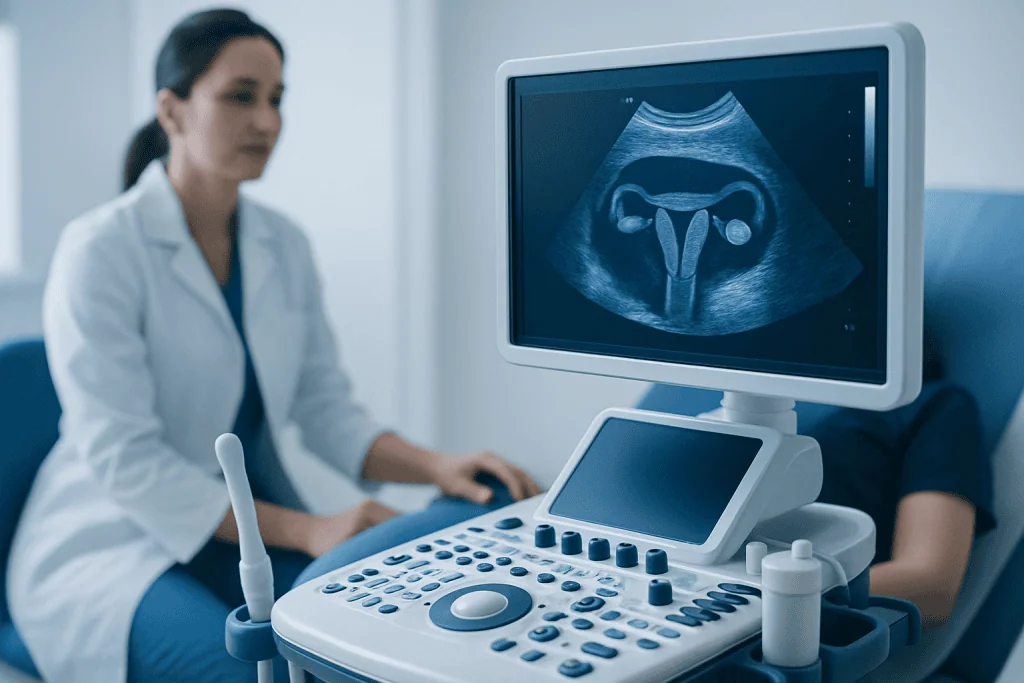
After ovulation, the follicle that released the egg changes into a temporary hormone-producing structure called the corpus luteum. Its main role is to produce progesterone, along with smaller amounts of estrogen. Progesterone helps thicken and stabilize the uterine lining so that a fertilized egg could implant if conception occurs.
This hormonal shift can influence many parts of the body. Basal body temperature typically rises slightly after ovulation because of progesterone. Cervical mucus usually becomes less slippery and less abundant than it was around ovulation. Some people also notice changes in appetite, sleep, energy, or mood in the days before menstruation.
If pregnancy occurs, the body receives signals to keep progesterone levels up, supporting the uterine lining. If pregnancy does not occur, the corpus luteum breaks down, progesterone and estrogen levels drop, and the uterine lining sheds as menstrual bleeding. This natural hormone rise and fall is what defines the luteal phase.
Common luteal phase symptoms and what can feel normal

Symptoms during the luteal phase vary widely. Some people notice very little, while others clearly feel premenstrual changes. Common symptoms can include breast tenderness, mild bloating, fatigue, food cravings, acne flares, headaches, constipation, and mood changes such as irritability or sadness. These symptoms are often linked to changing progesterone and estrogen levels rather than to a disease.
Many patients also notice that their body temperature stays slightly higher than it was before ovulation. Those who track fertility signs may see this pattern on a basal body temperature chart. Others may simply feel warmer, more tired, or more emotionally sensitive in the days leading up to menstruation.
Although some discomfort can be normal, symptoms should still be taken seriously if they are severe, new, or disruptive. Heavy bleeding, intense pelvic pain, very severe mood symptoms, or cycles that change significantly may point to another issue rather than normal luteal phase variation. In some cases, conditions such as endometriosis or hormonal disorders may need evaluation.
- Often considered common: mild bloating, breast tenderness, temporary mood shifts, and light cramping before a period
- Potential warning signs: severe pain, bleeding between periods, very heavy periods, or symptoms that interfere with daily life
- Worth tracking: cycle length, ovulation timing, spotting, and how many days symptoms last
Luteal phase length, fertility, and possible problems
The luteal phase usually lasts about 12 to 14 days, though a range can still be normal. Unlike the follicular phase, which can vary more from cycle to cycle, the luteal phase tends to be relatively steady in the same person. A luteal phase that seems consistently short may sometimes make it harder to time conception, especially if the uterine lining has less time to fully prepare.
Patients may come across the term “luteal phase defect,” which has historically been used to describe inadequate progesterone effect or a shortened luteal phase. Today, this concept is approached carefully because menstrual cycles are complex and there is no single perfect test that confirms it in every case. Instead, doctors usually look at the whole picture: cycle history, ovulation patterns, bleeding patterns, symptoms, and whether a person is trying to conceive.
Repeated spotting before a period, cycles that are difficult to predict, or trouble becoming pregnant may justify a medical review. Doctors may also consider whether other causes are affecting ovulation or hormone balance, such as thyroid disease, elevated prolactin, stress, significant weight change, polycystic ovary syndrome, or intense exercise. Some patients being evaluated for fertility may benefit from broader reproductive assessment, including IVF and fertility treatment evaluation when appropriate.
How doctors assess luteal phase concerns
A doctor usually starts with a detailed menstrual history. This includes cycle length, how bleeding has changed over time, whether ovulation is being tracked, and any symptoms before periods. The doctor may ask about pregnancy goals, past pregnancies, medications, exercise habits, weight changes, sleep, and stress. This history is often more informative than one isolated cycle.
Depending on the concern, evaluation may include a pelvic exam, pregnancy testing, hormone tests, thyroid testing, or ultrasound. Ovulation tracking methods such as basal body temperature charts, ovulation predictor kits, or cycle apps may also help build a clearer picture. In some fertility workups, ultrasound can assess the ovaries and uterine lining, while blood tests may help identify broader hormone patterns.
If symptoms suggest another gynecologic issue, doctors may investigate conditions such as fibroids, endometriosis, or ovulatory disorders. Imaging and specialist review can help distinguish normal luteal phase changes from disorders that affect bleeding, pain, or fertility. When needed, care may include gynecology evaluation and treatment to identify the most likely cause of symptoms.
Treatment and management options
Management depends on the reason the luteal phase is being discussed. If a patient simply wants to understand a normal cycle, no treatment may be needed. Education, cycle tracking, and reassurance can be enough. If symptoms are bothersome, doctors may suggest approaches based on the specific problem, such as premenstrual symptom management, evaluation of ovulation, or treatment of an underlying hormone condition.
For those trying to conceive, treatment focuses on the larger fertility picture rather than on the luteal phase alone. If ovulation is irregular, treatment may aim to support more predictable ovulation. If another condition is involved, such as thyroid disease or PCOS, addressing that condition can improve cycle health. In selected fertility settings, clinicians may consider progesterone support or assisted reproductive care, but this should be guided by a qualified specialist.
If pelvic pain or abnormal bleeding is part of the picture, treatment may be directed at the underlying cause rather than the luteal phase itself. For example, some patients may need assessment for polycystic ovary syndrome or other gynecologic problems. A multidisciplinary approach can be helpful when menstrual symptoms overlap with fertility, endocrine, or pelvic pain concerns.
Self-care, cycle tracking, and when to seek medical care
Practical self-care during the luteal phase can include regular sleep, balanced meals, physical activity, and stress management. Some patients find it helpful to reduce excess caffeine or alcohol if these worsen breast tenderness, sleep problems, or mood symptoms. Warm compresses, hydration, and gentle exercise may also help with mild cramping or bloating.
Cycle tracking can be especially useful. Recording the first day of each period, likely ovulation, spotting, body temperature patterns, and symptoms can help patients notice whether the luteal phase is fairly consistent or changing over time. This information can also help a doctor decide whether symptoms fit a normal cycle pattern or suggest another issue.
Medical care is worth seeking if cycles become very irregular, if spotting happens repeatedly before periods, or if symptoms are severe or disruptive. A patient should also seek care for heavy bleeding, significant pelvic pain, fainting, a missed period with possible pregnancy, or difficulty becoming pregnant after trying for an appropriate period based on age and health history. Near the end of the care pathway, patients may also wish to know that Acibadem International’s multidisciplinary specialists in JCI-accredited hospitals diagnose and treat menstrual, gynecologic, and fertility-related conditions for international patients.
Frequently asked questions
How long is the luteal phase usually?
In many people, the luteal phase lasts about 12 to 14 days. It can vary somewhat, but it is often more consistent than the first half of the menstrual cycle.
What are common luteal phase symptoms?
Common symptoms include bloating, breast tenderness, mild cramping, fatigue, mood changes, and food cravings. Some people also notice a small rise in basal body temperature after ovulation.
Can a short luteal phase affect fertility?
A consistently short luteal phase may sometimes make conception more difficult, especially if the uterine lining has less time to prepare for implantation. However, fertility depends on many factors, so a doctor usually looks at the whole cycle and overall reproductive health.
Is the luteal phase the same as PMS?
No. The luteal phase is a normal part of the menstrual cycle, while PMS refers to a group of symptoms that some people experience during that phase. Not everyone has PMS, and symptoms can range from mild to more disruptive.
How can someone tell when the luteal phase starts?
The luteal phase begins after ovulation. It can be estimated by tracking ovulation with cycle signs such as basal body temperature, ovulation predictor kits, or changes in cervical mucus.
When should luteal phase symptoms be checked by a doctor?
Medical advice is a good idea if symptoms are severe, cycles become irregular, spotting happens often before periods, or bleeding is unusually heavy. Evaluation is also important if there is significant pelvic pain or difficulty becoming pregnant.
References
- American College of Obstetricians and Gynecologists
- Office on Women's Health
- National Institute for Health and Care Excellence
- Centers for Disease Control and Prevention
- World Health Organization
This article is for general information only and is not a substitute for professional medical advice. Please consult a qualified doctor about your individual situation.
IVF & fertility treatment in Turkey — success rates and costs
JCI-accredited · board-certified surgeons · reply within 24h
Add us as a Preferred Source to see more of our trusted health content across Google Search, AI Overviews and Discover.
Check your numbers in seconds
BMI, calories, due date, blood pressure and 30+ more clinical calculators — free, instant, doctor-reviewed ranges.