Lymphoma Skin Cancer Treatment: How It Works, Results and What to Expect

Skin lymphoma is a lymphoma that begins in the skin, not the same condition as melanoma or common skin cancers. A skin biopsy and staging tests help identify the lymphoma subtype and guide treatment choices.
Key Takeaways
- Skin lymphoma is a lymphoma that begins in the skin, not the same condition as melanoma or common skin cancers.
- A skin biopsy and staging tests help identify the lymphoma subtype and guide treatment choices.
- Skin-directed therapies can be appropriate for limited disease, while widespread or aggressive disease may require systemic treatment.
- Outlook varies greatly by subtype; many indolent cutaneous lymphomas have a favorable long-term outlook.
- New, changing or persistent patches, plaques, lumps or unexplained itch should be assessed by a dermatologist or doctor.
Lymphoma skin cancer treatment is tailored to the exact type of cutaneous lymphoma, how much skin is involved and whether disease is limited to the skin or present elsewhere. Many skin lymphomas are slow-growing and can be managed effectively for long periods, while more aggressive forms need prompt specialist-led treatment.
Overview: How lymphoma skin cancer treatment works
Lymphoma skin cancer treatment refers to care for lymphoma that starts in the skin, also called primary cutaneous lymphoma. Although the phrase “skin cancer” is often used, this condition is different from melanoma, basal cell carcinoma and squamous cell carcinoma. It develops from lymphocytes, immune-system white blood cells, rather than from the skin cells themselves.
Treatment works by targeting lymphoma cells in the skin, throughout the body, or both. The right approach depends on the subtype, the extent and location of skin involvement, symptoms, test results and the person’s general health. Some people need treatment promptly, while others with slow-growing, limited disease may be monitored carefully before active treatment is started.
The two broad groups are cutaneous T-cell lymphomas and cutaneous B-cell lymphomas. Mycosis fungoides is a common form of cutaneous T-cell lymphoma and may cause persistent scaly patches or thicker plaques. Sézary syndrome is a less common, more widespread blood and skin form. Accurate classification matters because behavior, expected course and treatment can differ substantially.
Symptoms, causes and who may be a candidate for treatment
Skin lymphoma may appear as red, pink, violet, brown or darker discolored patches, scaly areas, raised plaques, nodules or tumors. Symptoms can include itch, burning, tenderness or discomfort, but some lesions are painless. The appearance may resemble eczema, psoriasis, fungal infection or other inflammatory skin conditions, which is why persistent or unusual changes need medical assessment.
The cause is usually not known. Lymphoma develops after genetic changes occur in a lymphocyte, allowing it to grow abnormally. It is not contagious, and most people have not done anything to cause it. Age, immune suppression and certain infections may be associated with particular lymphoma types, but these factors do not explain every case.
Most people with confirmed skin lymphoma are candidates for some form of specialist follow-up, even if immediate treatment is not necessary. Active treatment is more likely to be recommended when lesions are widespread, troublesome, thickened, ulcerated, rapidly changing, cosmetically distressing, or linked with lymph-node, blood or internal-organ involvement. Decisions should be made with clinicians experienced in dermatology, hematology and oncology.
- Limited patches or plaques may be suitable for topical or localized treatment.
- Multiple skin areas may be treated with whole-skin approaches, light therapy or medicines.
- More aggressive, advanced or extracutaneous disease may require systemic therapy and closer monitoring.
Diagnosis and planning before treatment
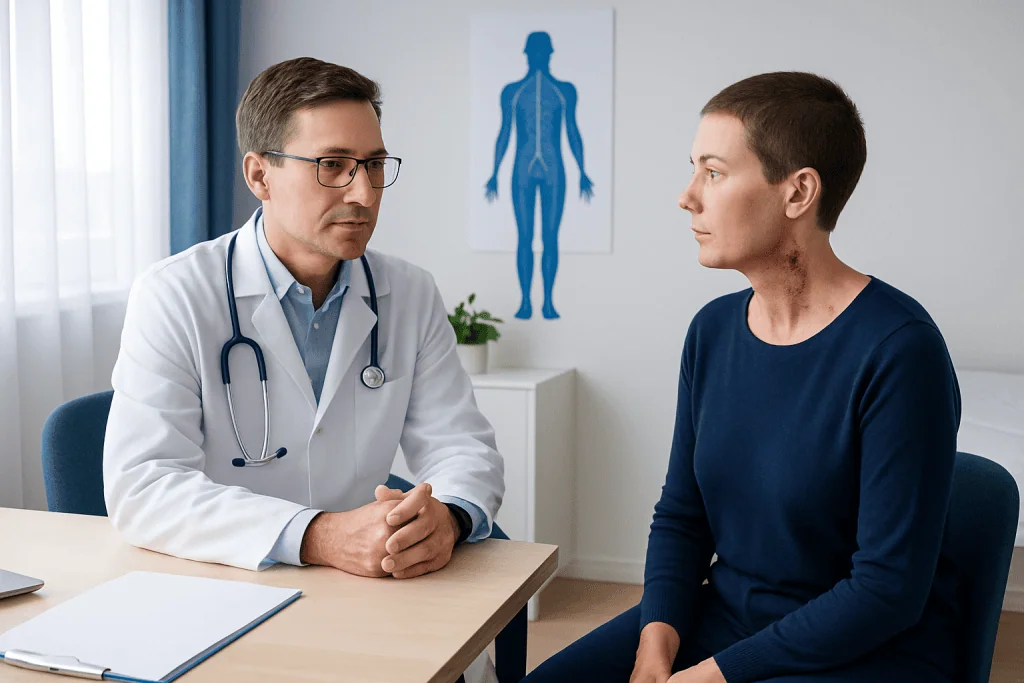
Diagnosis begins with a medical history and full skin examination. A dermatologist usually takes a skin biopsy, removing a small sample for examination under a microscope. More than one biopsy may sometimes be needed because early skin lymphoma can look similar to benign inflammatory rashes and lymphoma changes may be patchy.
Pathologists use specialized tests, including immunohistochemistry and sometimes molecular testing, to identify the type of lymphocyte involved. Blood tests, a physical examination of lymph nodes and imaging may be used to assess whether lymphoma is confined to the skin. Selected patients may need blood-flow testing, lymph-node biopsy or other staging investigations.
Planning is individualized rather than based on appearance alone. The team considers the exact diagnosis, stage, rate of change, previous treatments, skin symptoms and personal priorities. Photographs and body-surface mapping can help monitor response over time, especially when patches are widespread or subtle.
A multidisciplinary review can be valuable because skin lymphoma sits at the intersection of dermatology, hematology, pathology, radiation oncology and medical oncology. Acibadem International’s multidisciplinary specialists and JCI-accredited hospitals support diagnosis and treatment planning for international patients.
Treatment options and the step-by-step process
For localized or early skin lymphoma, treatment often begins with skin-directed therapy. This may include prescribed topical corticosteroids, topical retinoid medicines, other medicated creams, light-based treatment such as ultraviolet B or psoralen plus ultraviolet A, or localized radiation therapy. These methods aim to control lymphoma in affected skin while limiting exposure to the rest of the body.
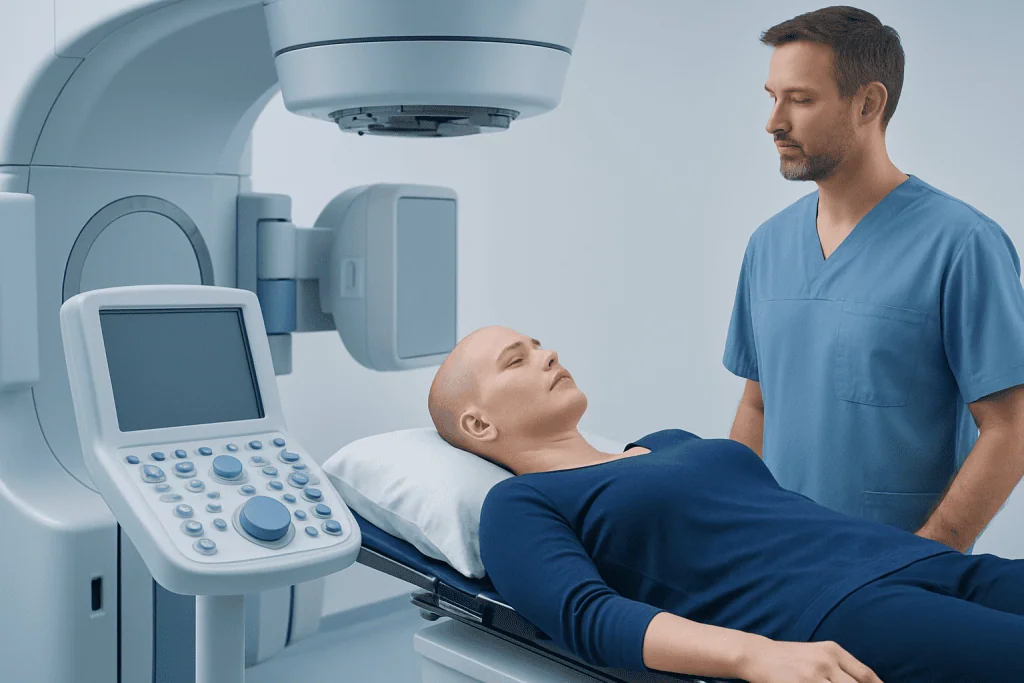
Radiation therapy is commonly considered for a single lesion or a small number of lesions. Before treatment, a radiation oncology team plans the area carefully, sometimes using a custom mask, positioning aid or skin markings. Treatment is delivered in short outpatient sessions over a schedule chosen for the lymphoma type and treatment goal. The skin response is reviewed during and after the course.
When disease is more extensive, persistent, recurrent or aggressive, systemic treatment may be appropriate. Options can include retinoid medicines, immune-modulating therapy, targeted therapy, antibody-based treatment, chemotherapy or extracorporeal photopheresis for selected cutaneous T-cell lymphomas. A stem cell transplant is considered only in particular advanced or high-risk situations, because it carries substantial risks and requires careful assessment.
Treatment may be given in stages. A person may start with a skin-directed option, have follow-up examinations to assess benefit, and move to another approach if symptoms persist or disease changes. The goal may be complete clearing of lesions, long-term control, relief of itch and discomfort, or treatment of disease beyond the skin. Follow-up remains important because some forms can recur after a good response.
Benefits, risks and recovery timeline
The expected benefit of lymphoma skin cancer treatment depends on the subtype and extent of disease. Localized indolent lymphomas can often respond very well to skin-directed therapy. For chronic forms, treatment may control visible lesions and symptoms for long periods, although further treatment may be needed later. In advanced disease, systemic therapy may reduce lymphoma activity and improve symptoms.
Recovery after creams or light therapy is usually gradual and depends on the number of treatment sessions. Skin may become dry, irritated, darker or lighter in color, or more sensitive to sunlight. Radiation can cause temporary redness, tenderness, hair loss in the treated area, dryness or peeling. Longer-term pigment changes, thinning of skin and other local effects are possible, so the team plans treatment carefully.
Systemic medicines have different side effects depending on the specific treatment. These may include fatigue, nausea, changes in blood counts, infection risk, infusion reactions or effects on the liver, thyroid or other organs. Regular appointments and blood tests allow the care team to identify and manage side effects early. Patients should report fever, signs of infection, significant skin pain, rapidly worsening lesions or a new medication reaction promptly.
Recovery also includes emotional and practical support. Visible skin changes and long-term monitoring can affect confidence, sleep and daily routines. Moisturizing, gentle skin care, sun protection when advised, symptom control and discussion of emotional concerns can all be part of a person-centered care plan.
Outlook: life expectancy, seriousness, spread and curability
What is the life expectancy for someone with skin lymphoma? Life expectancy varies widely and cannot be predicted from the diagnosis name alone. It is influenced by the precise subtype, stage, age, overall health, response to treatment and whether lymphoma is limited to the skin. Many people with early-stage, indolent cutaneous lymphomas live for many years and may have a near-normal life expectancy, while aggressive or advanced subtypes require closer assessment and treatment.
How serious is lymphoma of the skin? Skin lymphoma ranges from slow-growing conditions that can be controlled over time to more serious forms that may involve lymph nodes, blood or internal organs. A diagnosis should therefore be taken seriously, but it does not automatically mean the disease is life-threatening. Specialist staging and regular follow-up clarify the individual level of risk.
How quickly does cutaneous lymphoma spread? Many cutaneous lymphomas remain confined to the skin for years or progress slowly. Others, including certain aggressive cutaneous T-cell and B-cell lymphomas, may grow or spread more quickly. New tumors, enlarging lymph nodes, unexplained fever, drenching night sweats, unintentional weight loss or a marked change in skin symptoms should be discussed without delay.
How curable is skin lymphoma? Some localized cutaneous B-cell lymphomas and limited lesions can be treated with curative intent, often using radiation therapy. Many cutaneous T-cell lymphomas are more often considered chronic conditions: treatment can produce long remissions and excellent symptom control, but recurrence may occur. The treating team can explain whether the aim in an individual case is cure, durable remission or long-term disease control.
Self-care and when to seek medical care
Self-care does not replace medical treatment, but it can reduce discomfort and protect sensitive skin. People may benefit from fragrance-free moisturizers, mild cleansers, loose breathable clothing and avoiding scratching where possible. Sun exposure advice differs by treatment type, particularly for people having light therapy; the treatment team should provide individualized guidance.
Keeping a simple record of new lesions, itch severity, treatment side effects and photographs of changing areas can help at follow-up visits. It is important not to stop prescribed therapy or use non-prescribed creams, supplements or alternative treatments without discussing them with the care team, as these can irritate the skin or interact with medicines.
When to seek medical care: A doctor or dermatologist should assess a rash, patch, plaque or skin lump that persists, grows, bleeds, ulcerates or does not improve as expected with routine treatment. Urgent medical advice is appropriate for fever, chills, signs of skin infection, rapidly worsening painful skin lesions, sudden widespread redness, difficulty breathing, or a severe reaction after treatment.
After diagnosis, routine follow-up is essential even when the skin appears clear. Follow-up appointments allow clinicians to examine the skin and lymph nodes, review symptoms and adjust treatment early if needed.
Frequently asked questions
Is skin lymphoma the same as melanoma?
No. Skin lymphoma begins in lymphocytes, which are immune cells, whereas melanoma begins in pigment-producing skin cells. The tests, treatment options and outlook are different, so an accurate biopsy-based diagnosis is important.
Can skin lymphoma be mistaken for eczema or psoriasis?
Yes. Early cutaneous lymphoma can resemble eczema, psoriasis, dermatitis or other common skin conditions. A persistent rash that changes, returns repeatedly or does not respond as expected should be reviewed, and a skin biopsy may be needed.
Does every person with skin lymphoma need chemotherapy?
No. Many people with limited or slow-growing skin lymphoma are treated with skin-directed options such as medicated creams, light therapy or localized radiation. Chemotherapy or other systemic therapy is generally considered for selected advanced, aggressive or treatment-resistant cases.
Can skin lymphoma come back after treatment?
Yes, recurrence can occur, particularly with chronic cutaneous T-cell lymphomas. Recurrence does not mean treatment has failed permanently; another skin-directed or systemic approach may provide further control. Regular follow-up helps detect changes early.
What type of doctor treats cutaneous lymphoma?
Care is often shared by a dermatologist, hematologist or medical oncologist, pathologist and radiation oncologist. This multidisciplinary approach helps confirm the subtype and select treatment based on both skin findings and overall staging.
Should a person with skin lymphoma avoid the sun?
Sun advice should be individualized. Some treatments use controlled ultraviolet light, while uncontrolled sun exposure can cause burns, pigment changes and increase the risk of other skin cancers. The treating team can recommend safe sun protection and explain whether any planned light-based therapy affects this advice.
References
- National Cancer Institute
- American Cancer Society
- European Organisation for Research and Treatment of Cancer
- National Comprehensive Cancer Network
- Lymphoma Coalition
This article is for general information only and is not a substitute for professional medical advice. Please consult a qualified doctor about your individual situation.
Skin Cancer in Turkey — costs, top hospitals & a free quote
JCI-accredited · board-certified surgeons · reply within 24h
Add us as a Preferred Source to see more of our trusted health content across Google Search, AI Overviews and Discover.

Medical Oncology Department
Medical treatment of cancer with chemotherapy, immunotherapy and targeted therapies under a multidisciplinary tumor board.
60 specialists in this unit