Massive Hanging Breasts and Options for Symptom Relief
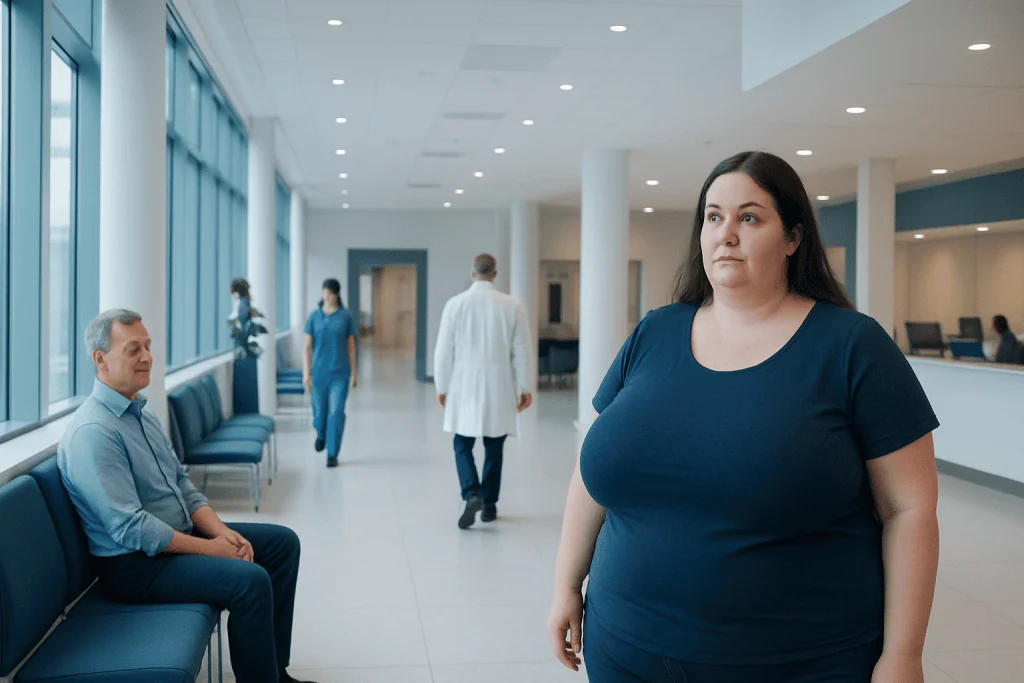
Massive hanging breasts may be related to breast hypertrophy, breast ptosis, or both. Common concerns include neck, shoulder and back pain, bra-strap grooves, rashes beneath the breasts, and difficulty exercising.
Key Takeaways
- Massive hanging breasts may be related to breast hypertrophy, breast ptosis, or both.
- Common concerns include neck, shoulder and back pain, bra-strap grooves, rashes beneath the breasts, and difficulty exercising.
- A clinician assesses symptoms, breast changes, overall health, and whether imaging is needed based on age and individual risk.
- Supportive bras, skin care, physical therapy, and weight management when relevant may reduce symptoms but do not substantially reduce breast tissue.
- Reduction mammoplasty can relieve the weight of very large breasts, but it is major surgery with recovery needs and potential risks.
Massive hanging breasts usually describe very large, heavy breasts that droop substantially and may cause physical discomfort, skin problems, and limitations in daily activities. Medical assessment can identify contributing factors and help a person consider supportive measures or breast reduction surgery when appropriate.
Overview: what are massive hanging breasts?
“Massive hanging breasts” is a non-medical phrase commonly used to describe breasts that are very large, heavy, and noticeably drooping. Clinicians may use terms such as macromastia or breast hypertrophy for excessive breast volume, and breast ptosis for drooping of the breast and nipple. These features can occur together, but they are not the same: breast size refers to volume and weight, while ptosis refers to position and shape.
For some people, large or pendulous breasts are mainly a body-shape concern. For others, the weight and skin-to-skin contact can contribute to persistent neck, shoulder, or upper-back discomfort, deep marks from bra straps, irritation in the breast crease, and challenges with exercise, posture, or finding comfortable clothing. The degree of discomfort matters more clinically than a particular bra size or appearance.
Large, drooping breasts are common and are not inherently dangerous. However, new or one-sided breast enlargement, a new lump, nipple discharge, skin dimpling, or a persistent change in breast shape should be assessed rather than assumed to be caused by breast size alone.
How large breasts can affect comfort and daily life
The physical impact of heavy breasts often develops gradually. Constant downward pull can strain muscles in the neck, shoulders, and upper back. Some people develop painful shoulder grooves where bra straps bear much of the weight. Headaches, poor sleep position, and reduced comfort during prolonged standing or walking can also occur, although these symptoms can have more than one cause.
Skin concerns are especially common when the underside of the breast rests against the chest wall. Warmth, moisture, friction, and limited airflow can lead to redness, itching, odor, soreness, or recurrent rash in the inframammary fold. This may be simple irritation, known as intertrigo, or it may involve yeast or bacterial overgrowth that needs medical treatment.
Emotional and practical effects also deserve attention. A person may avoid sport, feel self-conscious, have difficulty finding supportive garments, or experience limitations at work and in social activities. These experiences are valid reasons to discuss options with a qualified healthcare professional.
- Neck, shoulder, and upper-back aching or muscle fatigue
- Indentations, pain, or skin breakdown from bra straps
- Rash, itching, or recurrent irritation beneath the breasts
- Difficulty with exercise, posture, sleep, or certain daily activities
- Changes in confidence, comfort, or quality of life
Causes and factors that contribute

Breast size and shape are influenced by genetics, body composition, hormones, age, pregnancy, and changes in weight. During puberty, pregnancy, or breastfeeding, hormonal changes can increase breast tissue and glandular activity. After pregnancy, breastfeeding, aging, or weight changes, the skin and supporting ligaments may stretch, making breasts appear lower or more pendulous.
Weight gain can increase fatty tissue in the breasts, but not all breast enlargement is related to body weight. Some people have a strong inherited tendency toward larger breasts despite a stable weight. Conversely, weight loss may reduce breast volume for some people, but it cannot reliably correct drooping because stretched skin and support structures may remain.
Very rapid or extreme breast growth is uncommon and should be medically reviewed. A doctor may consider hormonal factors, medication effects, pregnancy-related changes, and, less commonly, a breast condition requiring further evaluation. The presence of large breasts does not itself mean that cancer is present, but routine breast awareness and age-appropriate screening remain important.
Clinical assessment and diagnosis
Assessment usually begins with a discussion of symptoms, when breast changes occurred, how they affect daily life, prior pregnancies or breastfeeding, weight changes, medicines, and relevant personal or family history. The clinician may ask about rashes, pain patterns, bra support, physical activity, and goals for treatment. It can be helpful to mention treatments already tried, such as supportive garments, topical skin care, or physical therapy.
A breast examination may assess breast size, symmetry, skin condition, nipple position, rashes, shoulder grooves, and any focal tenderness or lump. The clinician may also assess posture and the neck, shoulders, and back, since pain in these areas can have several contributing causes.
Imaging is not automatically required simply because breasts are large or drooping. Mammography, ultrasound, or other tests may be advised according to a person’s age, symptoms, breast cancer screening schedule, or examination findings. A new lump, bloody nipple discharge, persistent focal pain, unexplained skin changes, or a clearly one-sided change warrants timely evaluation.
Treatment options: relief measures and surgery
Care is individualized and should be guided by symptoms, health status, and personal priorities. A professionally fitted, supportive bra with broad straps and a firm underband may improve comfort and reduce movement. Moisture control, gentle cleansing, breathable fabrics, and medical treatment for an active rash can help protect skin in the breast fold. A clinician may recommend physiotherapy or exercises to improve upper-back, shoulder, and core strength when musculoskeletal discomfort is present.
If weight change is appropriate and safe for the individual, gradual weight management may reduce breast volume in some cases and can support overall health. However, it may not adequately relieve symptoms when there is a large amount of glandular breast tissue or significant skin stretching. Pain should not be dismissed, and repeated skin infections or persistent activity limitations should be discussed with a doctor.
For people with substantial symptoms, breast reduction surgery, also called reduction mammoplasty, may be considered. During this operation, a plastic surgeon removes a planned amount of breast tissue, fat, and skin and reshapes the breast. It can also lift the breast and reposition the nipple when needed. The decision is personal and follows a detailed consultation about expected changes in breast size and shape, scars, recovery, possible effects on nipple sensation and breastfeeding, and surgical risks such as bleeding, infection, wound-healing problems, asymmetry, or need for further treatment.
Before surgery, clinicians generally review medical conditions, medications, smoking or nicotine use, previous breast operations, and breast screening needs. Stable weight and stopping nicotine products well before and after surgery are often advised because nicotine can impair healing. Breast reduction surgery should be considered only after an informed conversation with a board-qualified plastic surgeon.
Prevention and self-care for comfort
Breast size cannot always be prevented or changed without medical treatment, and drooping is a normal change that can occur over time. Still, practical steps can reduce discomfort. A well-fitted supportive bra for daily use and a high-support sports bra for activity may decrease breast movement and pressure on the shoulders. A specialist bra fitter can be useful, particularly when standard sizing does not provide enough support.
For the skin beneath the breasts, keep the fold clean and thoroughly dry after bathing, sweating, or exercise. Soft, breathable fabrics and moisture-wicking materials may reduce friction. Avoid applying strong fragranced products to irritated skin. If there is a recurrent rash, cracking, pain, discharge, or spreading redness, a clinician can determine whether treatment for inflammation, yeast, or bacterial infection is needed.
Regular movement, gradual strengthening, and attention to workstation posture may help manage associated muscle strain. These measures cannot remove excess breast tissue, but they may improve mobility and comfort. Any exercise plan should be adapted to the person’s pain level and overall health.
When to seek medical care
A non-urgent appointment is appropriate when breast size or drooping is causing ongoing pain, recurrent skin irritation, shoulder grooves, difficulty exercising, or distress that affects quality of life. A primary care doctor, gynecologist, breast clinic, dermatologist, or plastic surgeon can help identify the source of symptoms and discuss suitable next steps.
Prompt medical assessment is important for a new breast lump, a sudden unexplained change in one breast, persistent localized pain, nipple discharge that is bloody or spontaneous, dimpling or thickening of the skin, a nipple that newly turns inward, or redness and swelling that does not settle. These signs often have non-cancerous explanations, but they should not be self-diagnosed.
Urgent care is advisable if there is fever with a painful, hot, red breast; rapidly spreading redness; severe pain; or signs of a significant skin infection. Acibadem International’s multidisciplinary specialists and JCI-accredited hospitals can assess breast symptoms and discuss medical or surgical care options for international patients.
Frequently asked questions
Are massive hanging breasts a medical condition?
They can be associated with medical terms such as macromastia, breast hypertrophy, and breast ptosis. Large, drooping breasts are not automatically a disease, but they may become a medical concern when they cause pain, recurrent skin problems, or major limitations in daily life.
Can weight loss make very large breasts smaller?
Weight loss may reduce breast volume when a significant portion of the breast is fatty tissue. Results vary because breasts also contain glandular tissue and skin that may not shrink substantially. Weight loss may not correct drooping caused by stretched skin and supporting structures.
Can large hanging breasts cause back and neck pain?
The weight of large breasts can contribute to strain in the neck, shoulders, and upper back, particularly when bra support is inadequate. However, these symptoms can also have other causes, so a clinical assessment is useful when pain persists.
What is the difference between breast reduction and a breast lift?
Breast reduction removes breast tissue, fat, and skin to reduce breast size and weight. A breast lift mainly reshapes and raises the breast position by removing excess skin, with less emphasis on reducing volume. Some patients need a combination of reshaping and reduction.
Will breast reduction affect breastfeeding?
It can. Breast reduction may affect milk production or milk flow, depending on the surgical technique and how much tissue is removed, although some people can breastfeed after surgery. Anyone planning future pregnancy or breastfeeding should discuss this carefully with their surgeon before deciding.
Do rashes under large breasts need medical treatment?
Mild irritation may improve with careful drying, breathable clothing, and reduced friction. A persistent, painful, cracked, weeping, foul-smelling, or recurrent rash should be examined because it may need prescription treatment for inflammation or infection.
References
- American Society of Plastic Surgeons
- American College of Obstetricians and Gynecologists
- Mayo Clinic
- National Health Service
- U.S. Food and Drug Administration
This article is for general information only and is not a substitute for professional medical advice. Please consult a qualified doctor about your individual situation.
Explore treatments in Turkey — costs, top hospitals & a free quote
JCI-accredited · board-certified surgeons · reply within 24h
Add us as a Preferred Source to see more of our trusted health content across Google Search, AI Overviews and Discover.

More from the Health Library



Related Specialists

Assoc. Prof. Dr. Fatma Tokat
Pathology
Dr. Ecem Ertürk
Dermatology
Assoc. Prof. Dr. Mehmet Salih Söylemez
Orthopedic Surgery & Traumatology
Assoc. Prof. Dr. Mustafa Taş
Gynecology & Obstetrics