Maxillary Antrostomy: A Complete Medical Overview

Maxillary antrostomy helps restore drainage from the maxillary sinus rather than removing the whole sinus. It is commonly performed as part of endoscopic sinus surgery for chronic or recurrent sinusitis.
Key Takeaways
- Maxillary antrostomy helps restore drainage from the maxillary sinus rather than removing the whole sinus.
- It is commonly performed as part of endoscopic sinus surgery for chronic or recurrent sinusitis.
- Doctors usually recommend it after symptoms persist despite medical treatment such as nasal sprays, saline rinses, or antibiotics when appropriate.
- Diagnosis and surgical planning often involve nasal endoscopy and sinus CT imaging.
- Recovery is usually gradual over days to weeks, with follow-up care helping the sinus heal well.
Maxillary antrostomy is a surgical procedure that enlarges the natural opening of the maxillary sinus so mucus can drain more normally and air can circulate. It is most often used when chronic or recurrent sinus disease continues despite medicines and other nonsurgical care.
Overview: what maxillary antrostomy is
Maxillary antrostomy is a procedure used to widen the natural drainage opening of the maxillary sinus, the air-filled space located behind the cheeks. The goal is to improve ventilation and drainage, reduce blockage, and help the sinus return to healthier function. In most modern practice, it is performed through the nostrils using small endoscopic instruments, so there is usually no visible facial incision.
This procedure is not the same as removing the sinus. Instead, it creates a more effective pathway for mucus to leave the sinus when swelling, inflammation, polyps, or structural narrowing have blocked the normal opening. For many patients, maxillary antrostomy is part of a broader plan to treat long-standing nasal and sinus inflammation rather than a stand-alone cure for every sinus complaint.
Doctors most often consider maxillary antrostomy when symptoms suggest chronic sinus disease that has not improved enough with medicines. It may be performed alone or together with other endoscopic sinus procedures, depending on which sinuses are affected and what is seen on examination and imaging. This means the exact surgery can vary from person to person.
Why it may be needed
The maxillary sinus normally drains through a small natural opening into the nasal cavity. If that opening becomes blocked, mucus can collect, pressure may build, and ongoing inflammation can develop. This can contribute to repeated infections, chronic nasal congestion, facial pressure, thick drainage, and reduced quality of life.
Maxillary antrostomy is commonly recommended for chronic rhinosinusitis that has not responded well to appropriate medical therapy. It may also be considered for recurrent acute sinus infections, certain fungal sinus conditions, longstanding maxillary sinus blockage, or sinus disease related to nasal polyps. In selected cases, it is also used when a sinus problem is linked to a nearby dental issue or to evaluate tissue inside the sinus.
Because sinus symptoms can overlap with other conditions, surgeons try to match the procedure to the actual cause of the problem. For example, facial pain alone does not always mean sinus disease, and headaches may have another explanation. Careful evaluation helps determine whether maxillary antrostomy is likely to be useful.
Some patients who need this procedure are also being treated for related conditions such as sinusitis or nasal polyps. Identifying and treating the underlying inflammatory condition remains important even when surgery is part of the plan.
Symptoms and conditions linked to the procedure

People who may be evaluated for maxillary antrostomy often have symptoms that persist for many weeks or keep returning. These symptoms can include nasal blockage, thick nasal discharge, postnasal drip, cheek pressure, reduced sense of smell, and a feeling of fullness around the face. Some people also notice fatigue, bad breath, or discomfort that worsens during colds or allergy flares.
In chronic maxillary sinus disease, symptoms may be milder than in an acute infection but more persistent. Rather than a brief severe illness, there may be a pattern of ongoing congestion and drainage that never completely clears. Recurrent episodes of sinus infection between periods of partial recovery can also suggest poor drainage from the maxillary sinus.
Doctors also consider the broader clinical picture. Allergies, asthma, environmental irritants, smoking exposure, anatomical narrowing, and dental problems affecting the upper teeth can all contribute to inflammation in the maxillary sinus. This is why treatment often combines surgery with ongoing medical management and prevention strategies.
- Persistent nasal congestion or obstruction
- Pressure or fullness in the cheeks
- Thick mucus drainage or postnasal drip
- Reduced sense of smell
- Repeated sinus infections or symptoms lasting many weeks
How doctors diagnose the problem and decide on surgery
Before recommending maxillary antrostomy, an ear, nose, and throat specialist reviews symptoms, medical history, allergy history, prior infections, and previous treatments. The doctor will want to know how long symptoms have lasted, what medicines have been tried, whether symptoms improve between episodes, and whether there are possible dental or structural factors.
A nasal endoscopy is often an important part of the evaluation. During this office-based examination, a thin camera allows the doctor to look inside the nasal passages for swelling, pus, polyps, crusting, or narrowing near the sinus openings. This helps confirm that sinus disease is present and can also guide decisions about whether surgery is likely to help.
CT imaging of the sinuses is commonly used to map anatomy and show which sinuses are blocked or inflamed. It can reveal thickened sinus lining, fluid, narrowed drainage pathways, and anatomical variations that may matter during surgery. In some cases, further evaluation is needed if symptoms may be related to migraine, dental disease, immune disorders, or other conditions.
If surgery is being considered, the specialist will also discuss alternatives, expected benefits, possible risks, and the need for follow-up care afterward. Patients who may need broader nasal and sinus treatment are sometimes treated with endoscopic sinus surgery as part of an individualized surgical plan.
What happens during maxillary antrostomy
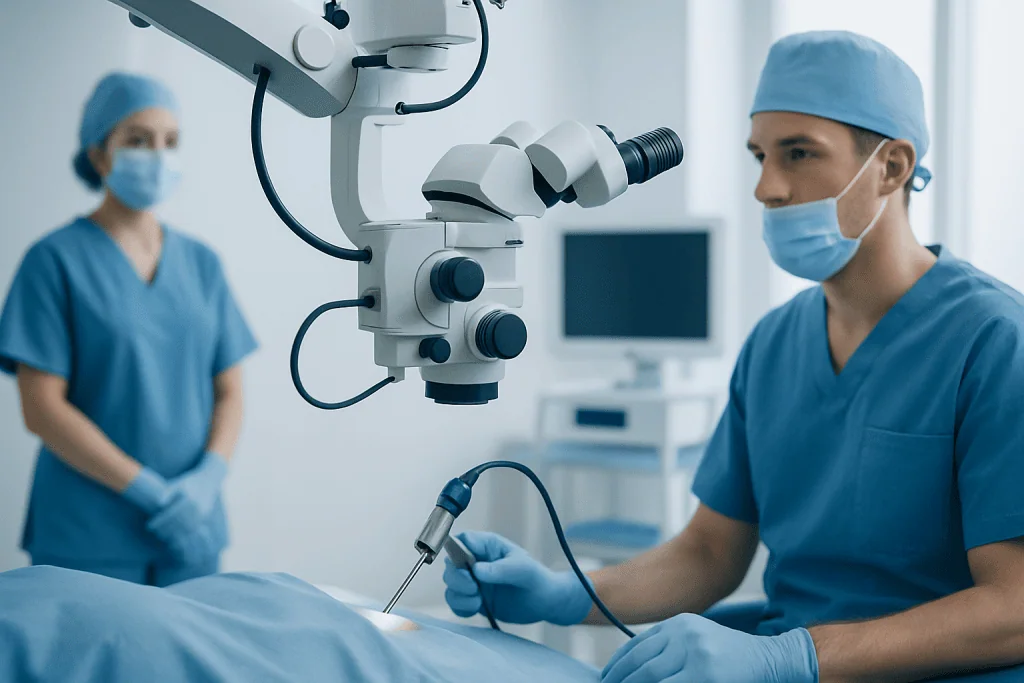
Maxillary antrostomy is usually performed endoscopically through the nostrils. Using a lighted camera and fine instruments, the surgeon identifies the natural opening of the maxillary sinus and carefully enlarges it. This allows mucus to drain more freely and improves access for clearing inflamed tissue, trapped secretions, or other material when needed.
The procedure is often done under general anesthesia, although the exact approach depends on the patient, the extent of disease, and whether other procedures are planned at the same time. Surgeons aim to preserve normal anatomy and mucosal function as much as possible while improving drainage. If there are polyps, diseased tissue, or obstruction in nearby areas, these may be treated during the same operation.
Many patients have maxillary antrostomy along with correction of contributing nasal problems, such as blockage from a deviated septum or extensive sinus inflammation in multiple sinuses. In some cases, procedures such as septoplasty or nasal polyp surgery may be performed when they are relevant to the overall cause of poor sinus drainage.
After the procedure, some packing or absorbable material may be placed inside the nose, though this is not always necessary. The operation itself is only one part of treatment; healing and long-term symptom control also depend on aftercare and management of underlying inflammation.
Recovery, benefits, and possible risks
Recovery after maxillary antrostomy is usually manageable, but healing takes time. It is common to have mild bleeding, congestion, crusting, and a blocked feeling in the nose during the first days after surgery. Saline irrigation is often recommended to help keep the nose clean and support healing, and follow-up visits are important so the surgeon can examine the area and remove crusts if needed.
Many people return to routine daily activities within a relatively short period, although full internal healing takes longer. Symptom improvement may be gradual rather than immediate, especially when chronic inflammation has been present for a long time. Patients are generally advised to follow instructions about nose blowing, activity level, rinses, and prescribed medicines.
The main benefit of maxillary antrostomy is better drainage and access to the sinus, which may reduce infection frequency, pressure, and chronic congestion. It can also improve the delivery of topical treatments into the sinus after surgery. However, surgery does not eliminate the tendency toward inflammation in every patient, so some people still need ongoing medical treatment.
As with any procedure, there are possible risks. These may include bleeding, infection, scar formation, persistent symptoms, reopening problems due to healing changes, or the need for further treatment. Because the sinus area is close to the eye and other important structures, surgery should be performed by an appropriately trained specialist, and patients should discuss their individual risk profile with their doctor.
Self-care, prevention, and long-term management
Although maxillary antrostomy can improve sinus drainage, long-term success usually depends on controlling the factors that contribute to inflammation. This often includes regular saline rinses, consistent use of prescribed nasal medicines, and treatment of allergies when present. Avoiding smoking and reducing exposure to irritants can also support better nasal and sinus health.
People with recurring sinus problems may benefit from managing associated conditions such as allergic rhinitis, asthma, or reflux if these are relevant. Good hydration, hand hygiene during viral illness seasons, and attention to indoor air quality may also help reduce symptom flare-ups. When dental disease affects the upper teeth, dental treatment can be an important part of sinus care.
Patients should keep follow-up appointments even if they feel better, because healing inside the nose and sinus is not always obvious from symptoms alone. The doctor may adjust sprays, rinses, or other treatments based on how the sinus lining looks during recovery. If symptoms return, prompt reassessment can help address inflammation before it becomes more persistent.
For international patients needing specialist assessment, Acibadem International’s multidisciplinary teams in JCI-accredited hospitals diagnose and treat sinus conditions with individualized ENT care plans.
When to seek medical care
Medical care is appropriate when sinus symptoms last more than expected, keep returning, or begin to affect sleep, daily function, or work. A doctor should also assess symptoms that do not improve with standard measures such as saline rinses or prescribed nasal treatment. Persistent cheek pain, ongoing congestion on one side, or repeated infections may need closer evaluation.
Urgent medical attention is important if symptoms are severe or unusual. This includes swelling around the eye, changes in vision, severe headache, high fever, confusion, significant facial swelling, or heavy bleeding after sinus surgery. These problems are not typical and should be assessed promptly.
After maxillary antrostomy, patients should contact their care team if pain suddenly worsens, bleeding is more than expected, fever develops, or symptoms do not gradually improve. Follow-up is a routine part of recovery and helps ensure the sinus opening remains healthy and functional.
Frequently asked questions
Is maxillary antrostomy the same as sinus surgery?
Maxillary antrostomy is one type of sinus surgery. It specifically focuses on widening the natural opening of the maxillary sinus to improve drainage. It is often performed as part of a broader endoscopic sinus surgery plan when more than one sinus area is involved.
Why would someone need a maxillary antrostomy?
It is usually considered when chronic or recurrent maxillary sinus problems continue despite appropriate medical treatment. The goal is to improve ventilation and mucus drainage when swelling, polyps, or anatomical narrowing keep blocking the sinus opening.
How long does recovery take after maxillary antrostomy?
Early recovery often takes days to a couple of weeks, but internal healing may continue for several weeks. Nasal congestion, crusting, and mild bleeding can occur at first. Follow-up visits are important because the doctor may need to clean the area and monitor healing.
Will maxillary antrostomy cure chronic sinusitis?
It can significantly help selected patients, but it does not guarantee that all sinus symptoms will disappear permanently. Chronic sinusitis often involves ongoing inflammation, allergies, or other contributing factors. Many patients still need long-term medical management after surgery.
Is maxillary antrostomy painful?
Most patients describe postoperative discomfort as manageable rather than severe, although experiences vary. Pressure, congestion, and irritation inside the nose are common during healing. The care team usually provides guidance on medicines and home care to keep recovery more comfortable.
Can dental problems affect the maxillary sinus?
Yes. Because the upper teeth sit close to the maxillary sinus, certain dental infections or procedures can affect the sinus lining. If a dental source is suspected, both ENT and dental evaluation may be needed to fully treat the problem.
References
- American Academy of Otolaryngology–Head and Neck Surgery
- National Institute for Health and Care Excellence
- Centers for Disease Control and Prevention
- National Library of Medicine
- European Position Paper on Rhinosinusitis and Nasal Polyps
This article is for general information only and is not a substitute for professional medical advice. Please consult a qualified doctor about your individual situation.
Explore treatments in Turkey — costs, top hospitals & a free quote
JCI-accredited · board-certified surgeons · reply within 24h
Add us as a Preferred Source to see more of our trusted health content across Google Search, AI Overviews and Discover.