Medical Abortion: A Complete Medical Overview

Medical abortion uses medicines to end an early pregnancy and is different from a surgical abortion. It is most often used in early pregnancy and usually involves mifepristone followed by misoprostol, or misoprostol in some settings.
Key Takeaways
- Medical abortion uses medicines to end an early pregnancy and is different from a surgical abortion.
- It is most often used in early pregnancy and usually involves mifepristone followed by misoprostol, or misoprostol in some settings.
- Bleeding and cramping are expected, but very heavy bleeding, severe pain, fainting, or fever need urgent medical review.
- A medical assessment helps confirm pregnancy location and timing and rule out ectopic pregnancy.
- Follow-up is important to confirm that the abortion is complete and to discuss contraception if desired.
Medical abortion is a way to end an early pregnancy using medicines rather than surgery. It is an established medical option that works best within a defined gestational age range and should be guided by a qualified clinician to confirm the pregnancy, rule out complications, and arrange follow-up.
Overview: what medical abortion means
Medical abortion is the ending of a pregnancy with medicines instead of an operation. In most cases, it is used in early pregnancy and involves medicines that stop the pregnancy from continuing and help the uterus empty. The process is well established in modern care and is usually managed with clear instructions, symptom guidance, and follow-up.
The most common regimen uses mifepristone first, followed by misoprostol after a set interval. In some situations, misoprostol may be used on its own. The exact approach depends on local medical practice, the stage of pregnancy, medical history, and whether an ultrasound or blood tests are needed before treatment.
Although many people think of it simply as “abortion pills,” medical abortion is a structured medical treatment. Good care includes confirming the pregnancy, estimating gestational age, checking for warning signs of an ectopic pregnancy, reviewing any health conditions or medicines, and making a plan for pain relief, bleeding expectations, and follow-up.
How it works and what to expect
Mifepristone works by blocking progesterone, a hormone needed to support pregnancy. Misoprostol then causes the uterus to contract and expel pregnancy tissue. Together, these medicines are highly effective in appropriately selected early pregnancies. When misoprostol is used alone, it can still work, but the regimen and follow-up may differ.
After taking the medicines, cramping and bleeding usually begin within hours of misoprostol. For many people, the heaviest bleeding and strongest cramps happen during the first several hours as the uterus empties. The amount of bleeding is often heavier than a period at first and then gradually becomes lighter over days or sometimes a couple of weeks.
Other common effects can include nausea, diarrhea, chills, tiredness, and low-grade fever for a short time after misoprostol. These symptoms are usually temporary. A clinician may recommend pain relief and practical steps such as having sanitary pads, fluids, and support available during the process.
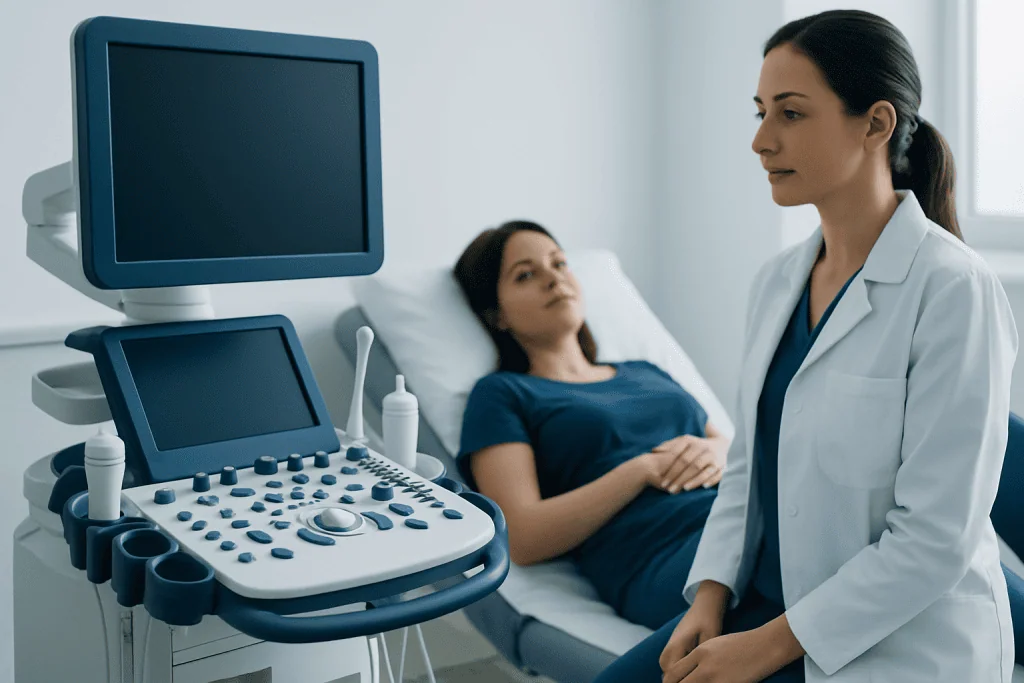
People often ask whether an ultrasound is always necessary. In some cases, medical abortion can be provided without ultrasound if the timing of pregnancy is clear and there are no risk factors or symptoms suggesting a problem. However, ultrasound can be very helpful when dates are uncertain, bleeding is unusual, or there is concern for an ectopic pregnancy or another condition such as an ovarian cyst causing pelvic pain.
Who may be eligible and who needs extra caution

Medical abortion is generally considered for early intrauterine pregnancy within the gestational age limit recommended by the treating clinician and local regulations. Eligibility depends on accurate pregnancy dating, access to follow-up, and the absence of certain contraindications. A healthcare professional will review symptoms, medical history, prior pregnancies, and any medicines being used.
Extra caution is needed if there is possible ectopic pregnancy, an intrauterine device still in place, long-term steroid use, certain bleeding disorders, severe anemia, allergy to the medicines, or inability to access urgent care if needed. People taking anticoagulants or those with serious chronic illness may need a more individualized plan.
Signs that may suggest ectopic pregnancy before treatment include one-sided pelvic pain, shoulder pain, fainting, or bleeding after a positive pregnancy test without a confirmed pregnancy inside the uterus. Ectopic pregnancy is a medical emergency and is not treated by routine abortion pills. It may need prompt imaging and specialist care, sometimes including laparoscopy or other urgent treatment.
Symptoms, side effects, and warning signs
Expected symptoms of medical abortion include cramping, vaginal bleeding, passage of clots or tissue, tiredness, and short-term stomach upset. Many people also notice temporary chills, nausea, or diarrhea after misoprostol. These are common medication effects and usually improve within a day.
The pattern of bleeding varies, but it often starts after misoprostol and can be heavier than a normal period. Cramping can be strong because the uterus is contracting. Bleeding may continue lightly for days to weeks, and the next menstrual period often returns within several weeks, although timing differs from person to person.
Some symptoms are not routine and should not be ignored. Warning signs include soaking through multiple large pads per hour for several hours, severe abdominal pain not improving with usual measures, dizziness or fainting, persistent fever, foul-smelling discharge, or feeling increasingly unwell. These symptoms may point to heavy bleeding, infection, incomplete abortion, or ectopic pregnancy and need urgent evaluation.
- Expected: cramps, bleeding, clots, nausea, chills, diarrhea, fatigue
- Needs prompt medical review: very heavy bleeding, severe pain, fainting, persistent fever, bad-smelling discharge
- Needs emergency assessment: collapse, severe one-sided pain, shoulder pain, or suspected ectopic pregnancy
Diagnosis, assessment, and follow-up
Before treatment, the clinician usually confirms pregnancy with a test and estimates gestational age based on the last menstrual period, examination, ultrasound, or a combination of these. The goal is to make sure the pregnancy is early enough for the chosen regimen and to identify any reason that medical abortion may not be the best option.
Ultrasound may be recommended when dates are uncertain, symptoms are atypical, or there is concern that the pregnancy is not in the uterus. In some cases, blood tests such as hemoglobin or pregnancy hormone levels may be useful. This assessment is also a chance to discuss pain control, expected bleeding, Rh status according to local practice, and future contraception if desired.
Follow-up matters because it confirms that the abortion is complete. This may be done through a clinic visit, ultrasound, serial blood tests, or a home pregnancy test at the time advised by the clinician. If tissue remains in the uterus, additional medicine or a procedure such as dilatation and curettage may occasionally be needed.
Persistent pelvic pain, ongoing heavy bleeding, or a pregnancy test that stays strongly positive beyond the expected timeframe can suggest incomplete abortion or an ongoing pregnancy. In these cases, repeat assessment is important to choose the safest next step.
Treatment options, effectiveness, and recovery
Medical abortion is one of two main ways to end an early pregnancy; the other is a procedural or surgical abortion. The best option depends on gestational age, medical history, personal preference, availability of care, and whether rapid completion is important. Some people prefer medicines because they avoid an operation, while others prefer a procedure because it is completed in a clinic in a shorter timeframe.
When used in the appropriate setting, medical abortion is effective and generally safe. However, no treatment is perfect. A small number of patients may have incomplete abortion, ongoing pregnancy, heavier-than-expected bleeding, or infection. If the abortion is not complete, additional misoprostol or a uterine evacuation procedure may be recommended.
Recovery usually involves rest, hydration, and symptom management for cramping and bleeding. Tampon use, intercourse, bathing, and exercise advice may differ by clinician and setting, so it is best to follow individualized instructions. Most people can return to usual activities relatively soon, but the body may need a few days to feel back to normal.
People who also have gynecologic symptoms such as unusually painful periods, chronic pelvic pain, or concerns about underlying conditions may be assessed for problems like endometriosis during follow-up. If a procedure is needed to complete treatment or investigate symptoms, options may include hysteroscopy in selected cases based on the clinical picture.
Prevention, self-care, and future reproductive health
There is no self-care measure that “prevents” the need for medical abortion in a general sense, but reliable contraception can help prevent unintended pregnancy. A clinician can discuss short- and long-acting contraceptive options, how soon they can be started after abortion, and which methods best fit health needs and personal preference.
During recovery, practical self-care includes using pads to monitor bleeding, drinking fluids, eating lightly if nausea is present, and taking recommended pain relief. Emotional responses vary widely. Some people feel relief, others feel sadness, stress, or a mix of emotions. Support from trusted people or a qualified counselor may help if needed.
Future fertility is generally not affected by an uncomplicated medical abortion. Ovulation can return quickly, so pregnancy can happen again before the next period. For that reason, contraception planning is often part of follow-up care. If there are repeated miscarriages, severe pelvic pain, or difficulty becoming pregnant later, a specialist may advise further evaluation such as fertility assessment and IVF care when appropriate.
Near the end of care, some international patients may seek coordinated follow-up in a specialist center. Acibadem International’s multidisciplinary specialists and JCI-accredited hospitals provide diagnosis and treatment for international patients who need gynecologic evaluation, follow-up imaging, or procedural care.
When to seek medical care
Medical advice should be sought before taking abortion medicines to confirm the pregnancy, estimate how far along it is, and rule out ectopic pregnancy. This is especially important if there is severe pain, uncertain dates, an intrauterine device in place, prior ectopic pregnancy, significant medical illness, or current use of medicines that may affect bleeding or treatment safety.
Urgent medical care is needed after treatment if there is very heavy bleeding, severe or worsening abdominal pain, fainting, persistent fever, foul-smelling discharge, or if pregnancy symptoms continue strongly after the expected timeframe. People should also seek care if they are worried that the medicines did not work or if they cannot manage symptoms at home.
If symptoms are confusing or overlap with other conditions, clinicians may use imaging and gynecologic examination to clarify the cause. This can be important because pelvic pain and bleeding may occasionally relate to issues other than abortion itself, including miscarriage, ectopic pregnancy, or other gynecologic disorders.
Frequently asked questions
What is the difference between medical abortion and surgical abortion?
Medical abortion uses medicines to end a pregnancy, while surgical abortion uses a procedure to empty the uterus. The best option depends on how far the pregnancy has progressed, medical history, access to care, and personal preference.
How early in pregnancy can medical abortion be used?
Medical abortion is mainly used in early pregnancy, within the gestational age limits recommended by the treating clinician and local regulations. Exact timing varies by country, protocol, and the medicines being used, so a medical assessment is important.
Is bleeding normal after medical abortion?
Yes. Bleeding and cramping are expected because the uterus is emptying. However, very heavy bleeding, fainting, severe pain, or symptoms that keep getting worse need urgent medical review.
Do patients always need an ultrasound before medical abortion?
Not always. In some cases, treatment can be planned based on menstrual dates and medical history, but ultrasound is often useful when dates are uncertain or there is concern for ectopic pregnancy or another complication.
Can medical abortion affect future fertility?
An uncomplicated medical abortion does not usually affect future fertility. Ovulation can return quickly, so pregnancy is possible again before the next menstrual period unless contraception is used.
What happens if the medical abortion is incomplete?
If tissue remains in the uterus or the pregnancy continues, the clinician may recommend more medicine or a procedure to complete the abortion. Follow-up testing helps identify this so that treatment can be completed safely.
This article is for general information only and is not a substitute for professional medical advice. Please consult a qualified doctor about your individual situation.
Explore treatments in Turkey — costs, top hospitals & a free quote
JCI-accredited · board-certified surgeons · reply within 24h
Add us as a Preferred Source to see more of our trusted health content across Google Search, AI Overviews and Discover.

More from the Health Library

Moon face: Symptoms, Causes, and Treatment — Complete Patient Guide

Natural red eyes: Symptoms, Causes, and Treatment — Complete Patient Guide

Purple Cabbage Raw: An Evidence-Based Guide for Patients

Pseudobulbar Affect — Explained by Medical Evidence, Not Myths

Heart Failure Prescription — Explained by Medical Evidence, Not Myths