Natural red eyes: Symptoms, Causes, and Treatment — Complete Patient Guide

Natural red eyes are often caused by irritation, dryness, allergy, or infection rather than a serious disease. One or both eyes may look pink, red, watery, itchy, or gritty depending on the cause.
Key Takeaways
- Natural red eyes are often caused by irritation, dryness, allergy, or infection rather than a serious disease.
- One or both eyes may look pink, red, watery, itchy, or gritty depending on the cause.
- Redness with significant pain, blurred vision, injury, or sensitivity to light needs prompt medical evaluation.
- Treatment depends on the cause and may include lubricating drops, allergy care, infection treatment, or avoiding triggers.
- Contact lens users should take red eyes seriously, especially if discomfort or discharge is present.
Natural red eyes usually refer to eyes that look red or bloodshot because surface blood vessels have widened. In many cases this is linked to dryness, irritation, allergy, or a mild infection, but redness with pain, light sensitivity, or vision changes should be assessed by an eye doctor.
What natural red eyes usually mean
Natural red eyes usually describe eyes that appear red, pink, or bloodshot without makeup or other cosmetic influence. The color change happens when tiny blood vessels on the white part of the eye become enlarged or more noticeable. This can happen for everyday reasons such as dryness, lack of sleep, wind exposure, allergy, or screen strain.
In many people, red eyes are temporary and improve once the irritation is removed. For example, resting the eyes, using preservative-free lubricating drops, or avoiding smoke may help. However, redness is a sign rather than a diagnosis, so the most helpful question is not only why are the eyes red? but also what other symptoms are present?
Eye redness can range from mild and harmless to urgent. A painless red eye with itching may point toward allergy, while a red eye with thick discharge may suggest infection. Redness with severe pain, nausea, sensitivity to light, or blurred vision can indicate a more serious eye problem that should be examined quickly.
Common symptoms that can come with red eyes
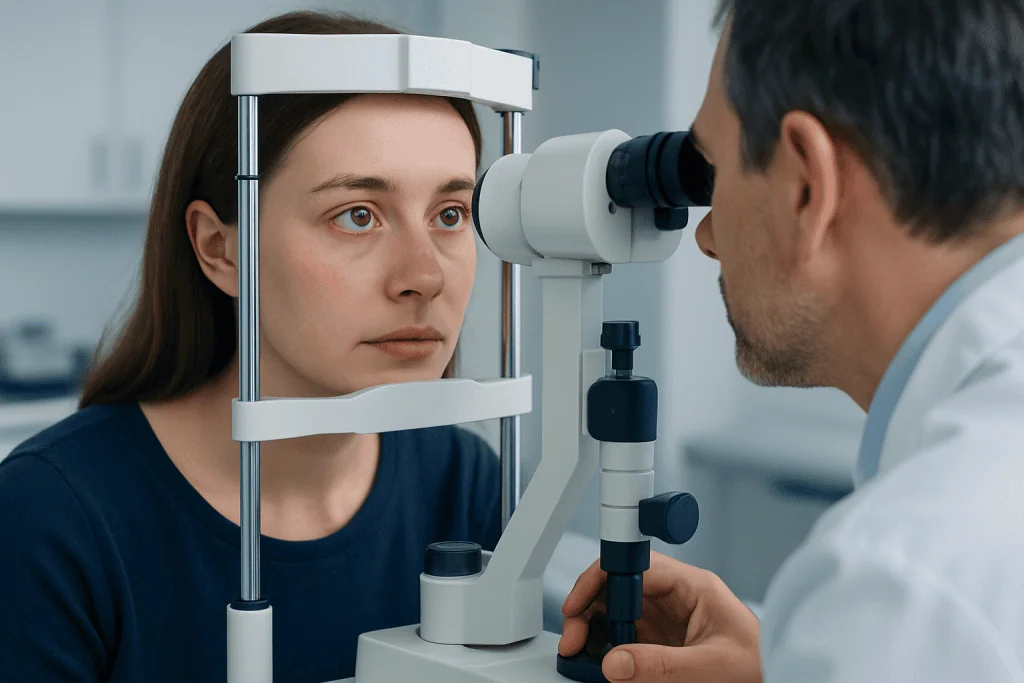
The appearance of natural red eyes can vary. Some people notice a general pink color across the white of the eye, while others see a bright red patch from a small broken blood vessel. Symptoms may affect one eye or both, and the pattern can offer clues to the cause.
Common accompanying symptoms include:
- Itching
- Burning or stinging
- Watery eyes
- A gritty or sandy feeling
- Dryness
- Swollen eyelids
- Mucus or crusting
- Light sensitivity
- Blurred vision
Symptoms such as itching often occur with allergies, while burning and grittiness are more common with dry eye or environmental irritation. Crusting on waking may occur in some infections. A single bright red area without pain may be a subconjunctival hemorrhage, which often looks dramatic but can be harmless.
If the eye also feels deeply painful, vision becomes blurred, or lights seem unusually uncomfortable, the cause may involve more than simple surface irritation. These symptoms deserve medical review, especially if they start suddenly.
Causes and risk factors

There are many possible causes of natural red eyes. Some affect the eye surface, while others involve deeper structures. Frequent everyday causes include dry eye, allergy, smoke, dust, chlorinated water, prolonged screen use, lack of sleep, rubbing the eyes, and contact lens irritation. Viral or bacterial conjunctivitis is also common and may spread easily in households or workplaces.
Other causes include inflammation of the eyelid margins, known as blepharitis, and inflammation of the conjunctiva, often called conjunctivitis. A bright red patch can occur when a tiny vessel breaks under the clear surface of the eye, often after coughing, sneezing, straining, or minor rubbing. This can look alarming but often clears on its own over days to weeks.
Less common but more serious causes include corneal abrasion, corneal ulcer, inflammation inside the eye, or a sudden rise in eye pressure. Contact lens wear increases the risk of corneal problems, especially if lenses are worn overnight, not cleaned properly, or used while swimming. Trauma, chemical exposure, and underlying autoimmune disease can also contribute to redness.
Risk factors include seasonal allergies, chronic dry eye, heavy digital screen time, air-conditioned environments, smoking exposure, contact lens use, recent colds, poor hand hygiene, and previous eye disease. People with conditions such as glaucoma or immune system problems may need a lower threshold for seeking care when new redness appears.
How doctors diagnose the cause
Diagnosis begins with a careful history. A doctor will usually ask when the redness started, whether one or both eyes are affected, whether there is pain or itching, and whether vision has changed. They may also ask about contact lens use, recent illness, eye injury, chemical exposure, new eye products, or allergy history.
The eye examination often includes checking visual acuity, looking at the eyelids and eye surface, and assessing the pattern of redness. The doctor may use a slit-lamp microscope to examine the cornea, conjunctiva, tear film, and front part of the eye in detail. In some cases, a dye is placed in the eye to reveal scratches or surface damage.
If glaucoma or deeper inflammation is a concern, eye pressure may be measured and the inside of the eye may be evaluated. These tests help separate common causes such as irritation or infection from conditions that need urgent treatment. Prompt diagnosis is especially important if there is severe pain, a history of injury, or reduced vision.
Treatment options for natural red eyes
Treatment depends on the underlying cause rather than the redness alone. For dryness or environmental irritation, doctors often recommend lubricating eye drops, avoiding smoke and dust, taking screen breaks, and improving indoor humidity. If allergy is the cause, reducing exposure to triggers and using appropriate anti-allergy eye treatments may help.
When infection is suspected, treatment varies by type. Viral conjunctivitis often improves with supportive care, while bacterial infection may require prescribed medication. Contact lens wearers with a red, painful eye should stop lens use immediately and seek medical review because corneal infection can develop quickly and should not be treated with self-chosen drops alone.
Some cases need more specialized care. Corneal injury, severe dryness, recurrent inflammation, or elevated eye pressure may require assessment by an ophthalmologist and targeted therapies, including corneal treatment procedures in selected advanced corneal diseases or glaucoma surgery when pressure-related eye disease is involved. In certain situations, doctors may also use laser eye procedures or cataract surgery as part of broader eye care, though these are not routine treatments for simple red eyes.
It is generally best to avoid using redness-relief drops for long periods without medical advice. Some can cause rebound redness, making the eyes look red again when the drops wear off. A doctor can help choose safer options based on the reason for the redness.
Self-care and prevention
Many everyday cases of eye redness can be reduced with practical habits. Taking regular screen breaks, blinking more often, and using artificial tears can help maintain the tear film. Sunglasses may protect against wind and sun, while avoiding smoke and harsh fumes can reduce irritation.
Good hygiene also matters. Hands should be washed before touching the eyes or handling contact lenses. Eye makeup should be replaced regularly and not shared. Contact lenses should be worn exactly as directed, cleaned properly, and removed before sleep unless specifically approved for overnight use.
If allergies are a trigger, keeping windows closed during high-pollen periods, showering after outdoor exposure, and using clean pillowcases may help. People who wake with dry or irritated eyes may benefit from discussing nighttime dryness with a clinician. For individuals who experience recurrent symptoms, a full eye examination can identify dry eye, eyelid inflammation, or other treatable causes.
Self-care is useful for mild symptoms, but it should not replace assessment when warning signs are present. Persistent, repeated, or worsening redness deserves professional advice so the true cause can be treated properly.
When to seek medical care
Medical care should be sought promptly if red eyes come with severe pain, sudden vision changes, marked light sensitivity, a feeling that something is stuck in the eye, or recent injury. Urgent assessment is also important after chemical exposure, even if the eye is rinsed and symptoms seem to improve at first.
People who wear contact lenses should seek care sooner if redness is accompanied by discomfort, discharge, blurred vision, or a white spot on the cornea. These features can suggest a corneal problem that should be treated early. Redness that lasts more than a few days, keeps coming back, or affects only one eye repeatedly also deserves medical attention.
Children, older adults, and people with known eye disease may need a lower threshold for evaluation. If there is any doubt, an eye specialist can determine whether the problem is simple surface irritation or a condition needing more specific treatment. Acibadem International’s multidisciplinary specialists and JCI-accredited hospitals evaluate and treat eye conditions for international patients when expert assessment is needed.
Frequently asked questions
Are natural red eyes always a sign of infection?
No. Natural red eyes are often caused by dryness, allergy, irritation, fatigue, or contact lens use rather than infection. Infection becomes more likely if there is discharge, crusting, recent illness, or close contact with someone who has conjunctivitis.
Can lack of sleep cause red eyes?
Yes. Poor sleep can contribute to eye dryness and make surface blood vessels more visible, giving the eyes a bloodshot appearance. Rest, hydration, and lubricating drops may help, but persistent redness should still be checked.
Is a bright red patch on the white of the eye dangerous?
A single bright red patch may be a subconjunctival hemorrhage, which often happens after coughing, sneezing, or minor rubbing. It can look dramatic but is often harmless and clears gradually. However, repeated episodes, pain, injury, or use of blood thinners should be discussed with a doctor.
Should contact lenses be worn if the eyes are red?
No. Contact lenses should usually be removed until the cause of redness is clear and the eye feels normal again. If redness is painful or vision is affected, prompt medical review is important because contact lens wear can increase the risk of corneal infection.
Do over-the-counter redness-relief drops fix the problem?
They may temporarily reduce the appearance of redness, but they do not treat every cause. Some can lead to rebound redness when used too often. Lubricating drops are often a safer option for mild dryness, but persistent symptoms should be evaluated.
When should someone worry about red eyes?
Red eyes should be taken more seriously when they occur with pain, blurred vision, strong light sensitivity, injury, chemical exposure, or a foreign-body sensation. Ongoing or recurrent redness also deserves medical assessment, especially if only one eye is affected.
References
- American Academy of Ophthalmology
- National Eye Institute
- Centers for Disease Control and Prevention
- NHS
- Mayo Clinic
This article is for general information only and is not a substitute for professional medical advice. Please consult a qualified doctor about your individual situation.
Explore treatments in Turkey — costs, top hospitals & a free quote
JCI-accredited · board-certified surgeons · reply within 24h
Add us as a Preferred Source to see more of our trusted health content across Google Search, AI Overviews and Discover.