Medical Compression Socks: What Patients Need to Know

Medical compression socks use graduated pressure to encourage blood flow back toward the heart. They may relieve symptoms such as ankle swelling, aching, tired legs and mild varicose vein discomfort.
Key Takeaways
- Medical compression socks use graduated pressure to encourage blood flow back toward the heart.
- They may relieve symptoms such as ankle swelling, aching, tired legs and mild varicose vein discomfort.
- Not everyone should use compression without advice; significant peripheral artery disease, some heart conditions and skin problems require assessment first.
- Correct sizing, pressure level and daily application are important for comfort, effectiveness and skin safety.
- Sudden one-sided leg swelling, pain, warmth or shortness of breath needs urgent medical assessment rather than self-treatment.
Medical compression socks are specially designed garments that apply controlled pressure to the legs, usually strongest at the ankle and gradually lighter higher up. They may help with swelling, heaviness, varicose vein symptoms and certain clot-prevention needs, but the right type and pressure should be selected with healthcare guidance when circulation problems are possible.
Overview: What Are Medical Compression Socks?
Medical compression socks are elastic garments that place gentle, measured pressure on the feet, ankles and lower legs. Most are graduated, meaning the pressure is greatest around the ankle and gradually decreases toward the knee or thigh. This pressure can support the leg veins and help blood move upward toward the heart rather than pooling in the lower legs.
They are different from ordinary tight socks or fashion support hosiery. Medical-grade products are available in defined compression ranges and are designed for particular health needs, such as managing swelling, supporting veins that do not close efficiently, or reducing clot risk during periods of limited movement. A clinician or trained fitter can help determine whether a person needs over-the-counter support socks or prescribed compression stockings.
Compression socks do not cure an underlying circulation condition, and they are not a substitute for assessment of new leg symptoms. However, when used appropriately, they can be a practical part of day-to-day care for people with chronic venous symptoms, pregnancy-related swelling, travel-related leg discomfort or recovery after selected procedures.
How Compression Supports the Legs
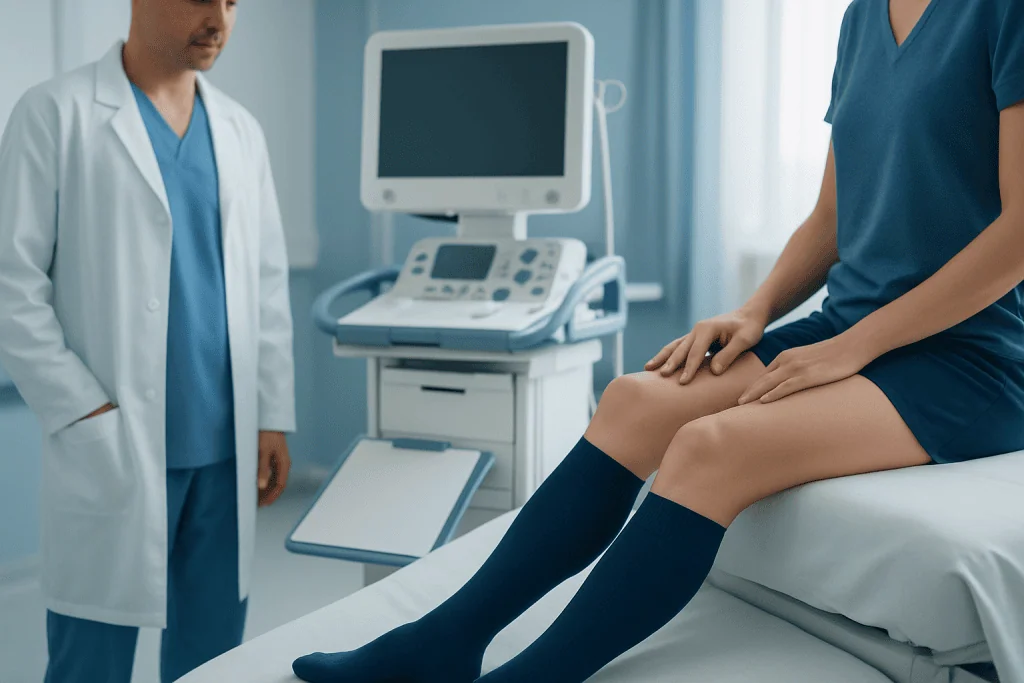
Veins in the legs must work against gravity to return blood to the heart. Walking helps because calf muscles act as a pump, while small valves inside the veins help prevent blood from flowing backward. If the valves are weakened or if a person sits or stands for long periods, fluid and blood may collect in the lower legs. This can contribute to swelling, a heavy feeling, aching, visible veins and skin changes over time.
Graduated compression gently narrows the surface veins and supports the tissues around them. This may improve venous return, reduce fluid leakage into surrounding tissue and lessen ankle or lower-leg swelling. Many people notice that their legs feel less tired or uncomfortable by the end of the day, although results vary according to the cause of symptoms and how consistently the garments are worn.
Compression may also be used after a clinician has assessed a person’s risk of venous thromboembolism, a condition involving blood clots in the veins. It is important to understand that compression socks are not appropriate self-treatment for a suspected deep vein thrombosis. New symptoms must be evaluated promptly because a blood clot may require medical treatment.
Who May Benefit From Medical Compression Socks?
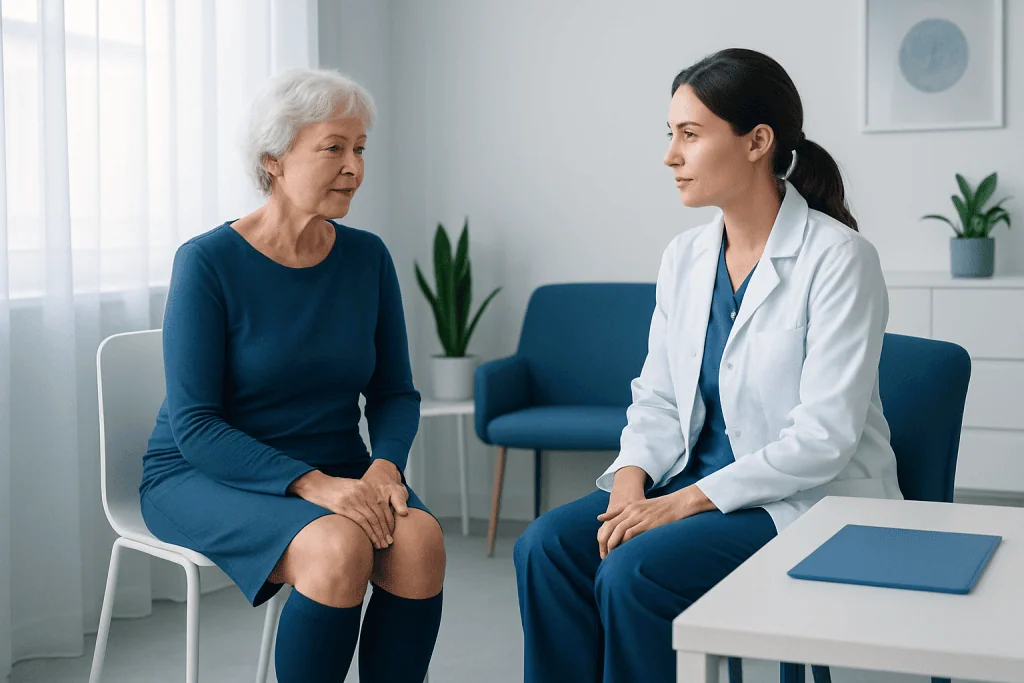
Medical compression socks may be recommended for people with mild to moderate lower-leg swelling, varicose vein symptoms, chronic venous insufficiency or lymphedema as part of a broader care plan. They are also commonly considered during pregnancy when leg swelling or varicose veins cause discomfort, provided an obstetric clinician agrees that they are suitable. For people with varicose veins, compression may ease heaviness and aching but does not remove the enlarged veins.
People whose work involves long periods of sitting or standing may find that low-level compression helps reduce end-of-day discomfort. Some travelers use compression garments during long journeys, particularly if they have personal clot-risk factors. A healthcare professional should advise people with a previous clot, active cancer, recent surgery, reduced mobility, pregnancy complications or a known clotting disorder about the most appropriate preventive measures.
After some operations or vein treatments, clinicians may recommend compression for a defined period to support recovery and control swelling. The recommended garment, wearing schedule and duration depend on the procedure and individual health factors. Patients should follow their surgical or vascular team’s instructions rather than relying on general advice.
Choosing the Right Type, Length and Compression Level
Compression garments come in knee-high, thigh-high and full-length styles, as well as socks, stockings and wraps. Knee-high styles are often sufficient for ankle swelling and many vein-related symptoms because they cover the area where swelling commonly develops. Thigh-high or full-length garments may be used for more extensive swelling or after specific treatments, but they are more likely to roll down or feel uncomfortable if not fitted correctly.
Compression strength is commonly described in millimetres of mercury, or mmHg. Lower levels may be appropriate for minor tiredness or travel-related symptoms, while moderate or stronger medical compression is often used for diagnosed venous disease, significant edema or lymphedema. Stronger compression is not automatically better: it can be difficult to apply and may be unsafe for people with reduced arterial blood supply to the legs.
Accurate measurement matters. Leg circumference and length are usually measured early in the day, before swelling has increased. A pharmacist, nurse, vascular specialist or trained fitter can advise on sizing. If a garment causes numbness, marked pain, color changes in the toes, deep indentations, rolling, bunching or skin injury, it may be the wrong size or pressure and should be reviewed.
How to Wear and Care for Compression Socks
Compression socks are usually easiest to put on first thing in the morning, before the legs become swollen. The skin should be clean and dry. The wearer can turn the sock partly inside out to the heel, place the foot and heel correctly, then gradually unroll the fabric up the leg. Pulling forcefully from the top can overstretch the material and create uneven pressure.
The garment should lie smooth against the skin, with no wrinkles, folds or rolled top band. Wrinkles can create areas of excessive pressure, while a rolled band may restrict circulation. Rubber gloves or a purpose-made stocking aid may improve grip and make application easier for people with arthritis, reduced hand strength, back pain or limited mobility.
Unless a clinician gives different instructions, compression socks are generally removed at bedtime and worn during the day. They should be washed according to the manufacturer’s directions, usually by gentle hand or machine washing, and air-dried away from direct heat. Elastic fibers gradually lose their effectiveness, so garments may need replacement when they no longer feel supportive or when the prescriber or supplier recommends it.
Safety, Skin Care and When Compression May Not Be Suitable
A medical assessment is particularly important before using compression if a person has peripheral artery disease, cold or painful feet, reduced sensation from diabetes or nerve disease, severe heart failure, a leg infection, open wounds, severe dermatitis or unusual skin discoloration. In these situations, pressure on the leg may worsen circulation or damage fragile skin unless it is carefully selected and supervised.
People with diabetes can often use compression, but they should first discuss it with a clinician, especially if they have neuropathy, foot ulcers or known circulation problems. Regular skin and foot checks are important. The wearer should look for blisters, pressure marks, new sores, redness or changes in toe color, and should stop using the garment and seek advice if these develop.
Compression works best alongside healthy movement and condition-specific care. Regular walking, ankle exercises, maintaining hydration and avoiding prolonged stillness may help reduce lower-leg symptoms for many people. Elevating the legs at rest can also be useful for some causes of swelling, although persistent edema should be assessed to identify whether venous, heart, kidney, liver or medication-related factors are involved.
When to Seek Medical Care
Medical compression socks should not delay evaluation of new or unexplained leg symptoms. A person should arrange a medical review for persistent swelling, worsening varicose veins, recurrent leg pain, skin darkening around the ankles, itching, sores that do not heal or symptoms that interfere with daily life. These features may indicate venous disease or another condition that needs a tailored treatment plan.
Urgent medical assessment is needed for sudden swelling of one leg, new calf or thigh pain, warmth, redness, tenderness or a visibly enlarged vein, particularly after surgery, injury, immobility or a long journey. These symptoms can occur with deep vein thrombosis and should not be managed by simply applying compression socks.
Emergency care is needed if leg symptoms occur with sudden shortness of breath, chest pain, coughing up blood, fainting or a rapid heartbeat. These can be signs of a serious complication requiring immediate assessment. Acibadem International’s multidisciplinary specialists and JCI-accredited hospitals evaluate vascular concerns and provide individualized treatment planning for international patients.
Frequently asked questions
Can medical compression socks help with swollen ankles?
They can help reduce ankle and lower-leg swelling when the swelling is related to venous pooling or mild fluid buildup. Persistent or new swelling should still be assessed, as it can have several possible causes, including heart, kidney, liver, medication or circulation conditions.
Should compression socks be worn all day?
Many people wear them during waking hours and remove them before bed, but the schedule should follow the advice of the prescribing clinician. Some people need a different routine after surgery or for specific vascular or lymphatic conditions.
Are compression socks safe for people with diabetes?
They may be safe for some people with diabetes, but medical advice is important before starting them. Diabetes can affect sensation, skin healing and circulation, so the feet and legs should be checked regularly for pressure areas or injury.
Can compression socks prevent blood clots on flights?
Compression socks may be recommended for selected travelers at increased risk of venous blood clots, but they are not needed for everyone. Moving regularly, doing ankle exercises and staying appropriately hydrated are also useful; people with significant risk factors should seek individualized advice before travel.
How tight should medical compression socks feel?
They should feel firm and supportive, especially at the ankle, without causing pain, numbness, tingling, cold toes or color changes. A garment that rolls, pinches or leaves severe marks may be incorrectly sized or applied and should be checked.
Can a person sleep in medical compression socks?
Most people should remove daytime compression socks before sleeping unless a clinician specifically advises otherwise. Lying down changes how blood and fluid move in the legs, and overnight use is only appropriate for certain treatment plans.
References
- National Heart, Lung, and Blood Institute
- National Institute for Health and Care Excellence
- Society for Vascular Surgery
- Centers for Disease Control and Prevention
- American Heart Association
This article is for general information only and is not a substitute for professional medical advice. Please consult a qualified doctor about your individual situation.
Explore treatments in Turkey — costs, top hospitals & a free quote
JCI-accredited · board-certified surgeons · reply within 24h
Add us as a Preferred Source to see more of our trusted health content across Google Search, AI Overviews and Discover.

More from the Health Library
Apap Machine: A Complete Medical Overview
Sciatica Stretches: A Complete Medical Overview

Gallstones Removal Cost: What Patients Need to Know

Anion gap low: Symptoms, Causes, and Treatment — Complete Patient Guide

Ameba: What Patients Need to Know