Memory Loss Specialist: What to Expect at Your First Visit

A memory loss specialist looks for both reversible and progressive causes of memory and thinking changes. The first visit often includes medical history, medication review, cognitive testing, and a physical and neurological exam.
Key Takeaways
- A memory loss specialist looks for both reversible and progressive causes of memory and thinking changes.
- The first visit often includes medical history, medication review, cognitive testing, and a physical and neurological exam.
- Bringing a family member or trusted friend can help provide useful information about symptoms and daily functioning.
- Memory changes are not always caused by dementia; sleep, stress, depression, medications, and other medical conditions can play a role.
- Early evaluation can help clarify the cause and support timely treatment, safety planning, and long-term care.
A first visit with a memory loss specialist is designed to understand changes in thinking, daily function, mood, and overall health. The appointment usually includes a detailed conversation, a cognitive assessment, and a plan for further testing or treatment if needed.
Overview: Why See a Memory Loss Specialist?
A memory loss specialist is a doctor with expertise in evaluating changes in memory, thinking, behavior, and daily functioning. This may be a neurologist, geriatric neurologist, geriatrician, psychiatrist, or another clinician with training in cognitive disorders. The goal of the first visit is not simply to label symptoms, but to understand what is changing, why it may be happening, and what steps can help next.
Many people worry that memory problems automatically mean dementia. In reality, memory concerns can have many causes, including medication side effects, sleep disorders, thyroid problems, vitamin deficiencies, anxiety, depression, stress, hearing loss, or other medical conditions. A specialist looks carefully for treatable causes as well as conditions such as Alzheimer’s disease or other forms of cognitive decline.
Early assessment can be helpful even when symptoms seem mild. It may provide reassurance, identify a reversible problem, or create a plan for monitoring changes over time. It can also help families understand what to expect and how to support safety, communication, and independence.
When a Referral May Be Helpful
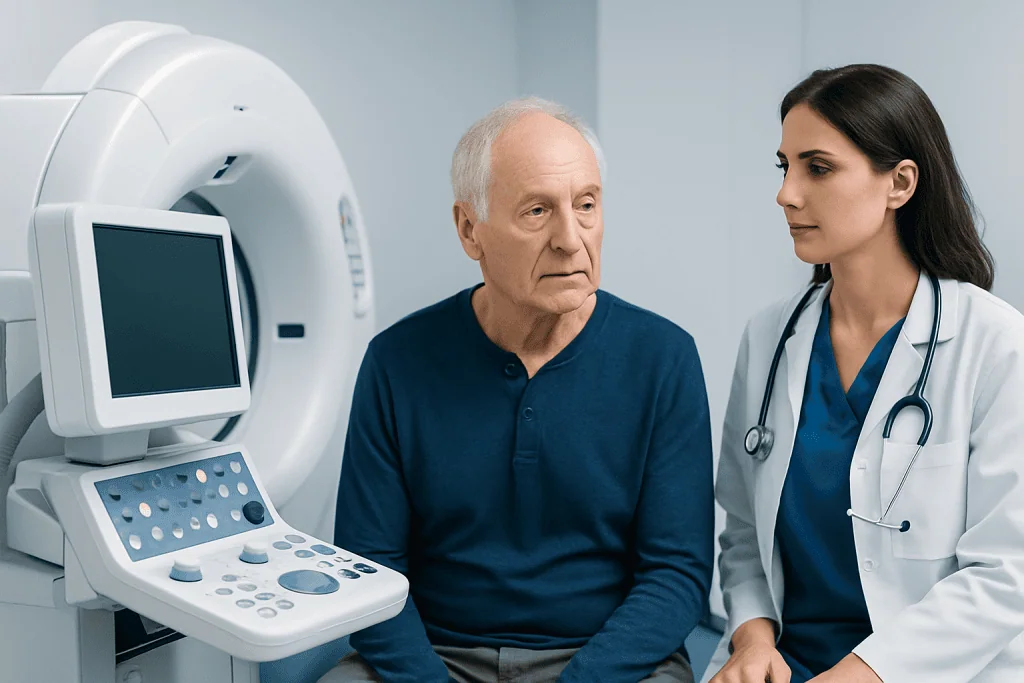
A primary care doctor may suggest seeing a memory loss specialist when memory changes are new, worsening, or beginning to affect everyday life. Examples include repeating questions often, getting lost in familiar places, missing bills or appointments, trouble following conversations, difficulty managing medicines, or changes in judgment and behavior.
Referral may also be useful when symptoms appear at a younger-than-expected age, progress quickly, or involve more than memory alone. Problems with language, planning, balance, personality, sleep, or movement can offer important clues about the cause. A specialist can help sort through these patterns and guide the next steps in diagnosis.
Some people choose an evaluation because they have a strong family history of dementia or feel their memory is different from what is typical for aging. Normal aging can involve slower recall or occasional forgetfulness, but persistent changes that interfere with work, home life, or independent function deserve medical attention.
How to Prepare for the First Appointment

Preparation can make the visit more useful and less stressful. Patients are often encouraged to bring a list of symptoms, when they started, how often they happen, and whether they are getting worse. Examples from daily life can be especially valuable, such as trouble following recipes, forgetting recent conversations, or becoming confused with finances.
It is usually helpful to bring a family member or trusted friend. This person can share observations about changes that the patient may not notice or may remember differently. Their input can help the specialist understand how symptoms affect day-to-day life, while still centering the patient’s own experience and concerns.
Important items to bring may include:
- A list of all prescription medicines, over-the-counter drugs, and supplements
- Past medical records, if available
- Results of prior brain scans or blood tests
- A record of major illnesses, surgeries, and hospitalizations
- Information about family history of memory disorders, stroke, or neurological disease
- Eyeglasses or hearing aids, if used, since vision and hearing can affect testing
It may also help to arrive well rested and to eat normally unless told otherwise. Fatigue, anxiety, pain, and dehydration can influence concentration and test performance. Writing down questions in advance can make it easier to remember what to ask during the visit.
What Happens During the Visit
The first appointment usually starts with a detailed discussion. The specialist may ask about memory, attention, language, problem-solving, mood, sleep, mobility, and the ability to manage everyday tasks such as driving, shopping, cooking, banking, and medication use. They will also ask about medical conditions such as high blood pressure, diabetes, stroke, head injury, depression, and sleep apnea, which can affect brain health.
A careful medication review is an important part of the evaluation. Some medicines can worsen confusion or memory, especially when several are taken together. Alcohol use and use of recreational substances may also be discussed because they can affect cognition and may interact with prescribed treatment.
Most memory loss specialists perform a brief cognitive assessment during the first visit. This may include questions or short tasks that check orientation, attention, memory, language, visuospatial skills, and executive function. These screening tools are not exams to pass or fail; they simply help identify patterns that can guide diagnosis and determine whether more detailed neuropsychological testing would be useful.
A physical and neurological examination is also common. The doctor may assess reflexes, strength, coordination, balance, eye movements, sensation, and gait. Because changes in movement or balance can point toward certain neurological conditions, these findings can be just as important as memory symptoms in understanding the overall picture.
Tests the Specialist May Recommend
After the initial assessment, the specialist may recommend further tests to look for underlying causes. Blood tests are commonly used to check for conditions that can affect memory and thinking, such as thyroid problems, vitamin B12 deficiency, infection, inflammation, or metabolic imbalance. Depending on the person’s history, additional testing may be ordered to evaluate sleep disorders, mood disorders, or cardiovascular risk factors.
Brain imaging is often part of the workup, especially if symptoms are new, unusual, rapidly changing, or associated with falls, headaches, weakness, or other neurological signs. Imaging can help identify stroke, tumors, hydrocephalus, structural brain changes, or patterns linked with neurodegenerative disease. A doctor may discuss whether MRI or another imaging study is appropriate.
Some patients benefit from formal neuropsychological assessment, which provides a more detailed look at memory and other thinking skills than a brief office screening can offer. In selected cases, the specialist may also discuss advanced testing, such as biomarker studies, depending on symptoms, age, and the clinical question being asked. The exact plan is individualized and not everyone needs every test.
Possible Diagnoses and Treatment Options
The first visit may end with a clear diagnosis, but in many cases the specialist needs more information before giving one. Possible outcomes include normal aging, subjective cognitive concerns, mild cognitive impairment, depression-related cognitive symptoms, medication-related memory problems, vascular cognitive changes, or dementia syndromes such as Parkinson’s disease-related cognitive impairment in the right clinical setting. The specialist may explain what seems most likely and what remains uncertain.
Treatment depends on the cause. When symptoms are linked to a reversible issue, care may focus on adjusting medications, treating mood disorders, improving sleep, correcting nutritional deficiencies, or managing medical conditions such as thyroid disease or uncontrolled diabetes. If a neurodegenerative condition is suspected, treatment may include symptom-targeted medicines, counseling, cognitive rehabilitation strategies, safety planning, and regular follow-up.
Supportive care is often just as important as diagnosis. The specialist may recommend exercise, hearing correction, sleep optimization, social engagement, structured routines, and treatment of cardiovascular risk factors. In some cases, referral for neurology care or rehabilitation support can help coordinate a broader care plan. The aim is to preserve function, independence, and quality of life as much as possible.
Questions to Ask and What Follow-Up May Look Like
Patients and families often feel more confident when they leave the first visit with a clear understanding of next steps. Useful questions may include: What are the possible causes of these symptoms? Which tests are needed and why? Could any current medicines be contributing? Are there safety concerns related to driving, falls, cooking, or living alone? What changes should prompt urgent medical attention?
Follow-up may take place after test results are available or after a period of symptom monitoring. At that visit, the specialist may review findings, explain the diagnosis in plain language, and discuss the benefits and limits of available treatments. They may also suggest strategies for memory support at home, such as written reminders, pill organizers, calendars, simplified routines, and help with complex tasks.
It is normal for this process to take time. Cognitive symptoms can develop for many reasons, and careful assessment often requires more than one step. For international patients seeking evaluation, Acibadem International’s multidisciplinary specialists and JCI-accredited hospitals diagnose and treat memory-related conditions with coordinated care across neurology, geriatrics, imaging, and rehabilitation services.
Frequently asked questions
What kind of doctor is a memory loss specialist?
A memory loss specialist is usually a doctor with experience in cognitive disorders, such as a neurologist, geriatric neurologist, geriatrician, or psychiatrist. Some work as part of a multidisciplinary memory clinic with psychologists, radiologists, and rehabilitation professionals.
Does memory loss always mean dementia?
No. Memory problems can be caused by many conditions, including stress, depression, poor sleep, medication effects, thyroid problems, vitamin deficiencies, and hearing loss. A specialist helps determine whether symptoms reflect normal aging, a treatable issue, or a progressive neurological condition.
Should a family member come to the first appointment?
Yes, if possible. A family member or trusted friend can describe changes in daily function, behavior, or memory that may be hard for the patient to notice or remember. Their observations can make the evaluation more complete and accurate.
Will brain imaging be done at the first visit?
Not always on the same day, but the specialist may recommend imaging after the initial assessment. Brain scans are used when they may help identify structural causes, strokes, tumors, or other changes related to memory symptoms.
How long does it take to get a diagnosis?
Some people receive a likely diagnosis after the first visit, while others need blood tests, imaging, or more detailed cognitive testing first. The timing depends on the symptoms, medical history, and how complex the case is.
What if the tests show only mild memory changes?
Mild changes still matter because they can be monitored over time and addressed early. The doctor may recommend lifestyle measures, treatment of contributing conditions, and follow-up visits to see whether symptoms remain stable or change.
References
- National Institute on Aging
- Alzheimer's Association
- World Health Organization
- American Academy of Neurology
- National Institute of Neurological Disorders and Stroke
This article is for general information only and is not a substitute for professional medical advice. Please consult a qualified doctor about your individual situation.
Explore treatments in Turkey — costs, top hospitals & a free quote
JCI-accredited · board-certified surgeons · reply within 24h
Add us as a Preferred Source to see more of our trusted health content across Google Search, AI Overviews and Discover.
Check your numbers in seconds
BMI, calories, due date, blood pressure and 30+ more clinical calculators — free, instant, doctor-reviewed ranges.