Menses for 2 Days: An Evidence-Based Guide for Patients

A 2-day period is not always abnormal, particularly if it is a person’s usual pattern. Sudden shortening of menstrual bleeding may be linked to stress, weight change, contraception, pregnancy, or hormone-related conditions.
Key Takeaways
- A 2-day period is not always abnormal, particularly if it is a person’s usual pattern.
- Sudden shortening of menstrual bleeding may be linked to stress, weight change, contraception, pregnancy, or hormone-related conditions.
- Pregnancy testing is important if there is any chance of pregnancy, especially with unusually light bleeding.
- Medical review is advised if short periods happen repeatedly, are accompanied by pain, or follow a major cycle change.
- Evaluation may include a history, pelvic exam, blood tests, and imaging such as ultrasound.
Menses for 2 days can be normal for some people, especially if their cycles are consistently short and light. However, a sudden change in period length or flow can sometimes point to pregnancy, stress, hormonal changes, or an underlying gynecologic condition that should be assessed by a clinician.
What does menses for 2 days mean?
Menses for 2 days often means the menstrual bleeding lasted a shorter time than expected. For some people, this is simply their normal cycle pattern and does not indicate illness. Menstrual cycles vary widely, and healthy periods can differ in duration, flow, and symptoms from person to person.
The key question is whether the 2-day period is typical or a new change. If periods have always lasted about 2 days and occur regularly, this may be a normal variation. If bleeding used to last longer and suddenly becomes much shorter, lighter, or irregular, it is reasonable to look more closely at possible causes.
It also helps to distinguish a short period from other types of bleeding. Spotting, implantation bleeding, breakthrough bleeding on hormonal contraception, or bleeding related to a gynecologic condition may be mistaken for a true menstrual period. Tracking timing, amount of bleeding, and related symptoms can help a doctor understand what is happening.
When a 2-day period may be normal
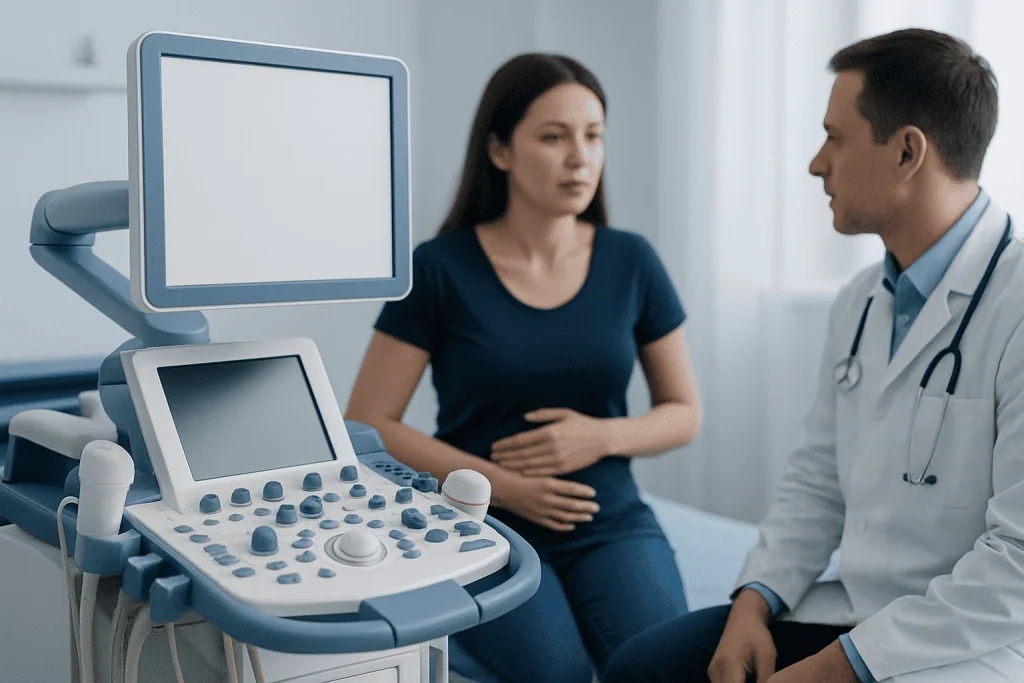
A 2-day menstrual period can be normal if it fits an individual’s usual cycle pattern. Some people naturally have light bleeding that lasts only 2 to 3 days, while others bleed for longer. Cycle regularity matters as much as duration.
Periods can also become temporarily shorter during normal life transitions. Adolescence, the months after starting hormonal birth control, and the years approaching menopause may all bring changes in flow and cycle length. In these settings, short bleeding episodes are common, although persistent or troublesome symptoms still deserve medical advice.
A short period is more likely to be reassuring when:
- it happens regularly month to month
- the flow pattern is familiar for that person
- there is no severe pain, dizziness, or very heavy bleeding
- there is no chance of pregnancy
- there are no other symptoms such as unusual discharge, fever, or pelvic pain
Common causes of menses for 2 days

Many factors can shorten menstrual bleeding. Hormonal fluctuations are among the most common. Stress, sleep disruption, intense exercise, significant weight loss, or changes in eating habits can affect ovulation and the buildup of the uterine lining, leading to lighter or shorter bleeding.
Hormonal contraception is another frequent reason. Birth control pills, hormonal intrauterine devices, implants, injections, and some emergency contraception methods can make periods shorter, lighter, or occasionally absent. This is often an expected effect rather than a sign of a problem.
Pregnancy should also be considered. Some people mistake early pregnancy-related bleeding for a short period. If there is any possibility of pregnancy, a home pregnancy test or clinician-guided testing is important. Rarely, abnormal pregnancy-related bleeding can happen with ectopic pregnancy, which requires urgent medical care.
Other causes include conditions that affect hormones or the uterus. These may include thyroid disorders, polycystic ovary syndrome, elevated prolactin, scarring inside the uterus, or the transition toward menopause. Conditions such as ovarian cysts or endometriosis do not always cause short periods, but they can contribute to broader menstrual changes and pelvic symptoms in some patients.
Symptoms that may suggest an underlying issue
The length of bleeding is only one part of the picture. Doctors usually assess short periods alongside the full menstrual pattern, including cycle timing, heaviness, pain, and symptoms between periods. A 2-day period is more likely to need evaluation when it appears suddenly or happens along with other changes.
Symptoms that can suggest a need for further assessment include missing periods, bleeding between periods, pain during sex, severe cramps, new acne or excess hair growth, nipple discharge, or symptoms of anemia such as fatigue and dizziness. Pelvic pain, foul-smelling discharge, or fever may point to infection or another condition that needs prompt attention.
It is also important to look for patterns over time. One unusually short cycle may not be significant, especially during stress or travel. Repeated short periods, increasingly irregular cycles, or changes after age 40 may call for a more complete hormonal and gynecologic evaluation.
How doctors evaluate short menstrual bleeding
Assessment begins with a detailed history. A clinician may ask about cycle length, flow, pregnancy possibility, contraception, medications, weight changes, stress, exercise, and symptoms such as pelvic pain or abnormal discharge. Recording cycle dates and bleeding patterns in an app or calendar can be very helpful at this stage.
The next step may include a physical or pelvic exam, depending on the person’s age, symptoms, and health history. Pregnancy testing is often one of the first checks if there is any chance of pregnancy. Blood tests may also be used to assess thyroid function, hormone levels, or anemia when indicated.
If symptoms suggest a structural problem, imaging may be recommended. A pelvic ultrasound can help evaluate the uterus and ovaries and may be used when there is concern about fibroids, polyps, ovarian cysts, or other causes of bleeding changes. In selected cases, clinicians may discuss further evaluation such as pelvic ultrasound imaging or MRI when more anatomical detail is needed.
Treatment and management options
Treatment for menses for 2 days depends on the cause rather than the number of bleeding days alone. If the pattern is normal for the individual and there are no concerning symptoms, no treatment may be needed. Reassurance and cycle tracking are often enough.
When lifestyle factors appear to be contributing, management may focus on restoring regular eating, reducing excessive exercise, improving sleep, and addressing stress. If a medication or birth control method is affecting bleeding, a clinician can discuss whether the pattern is expected or whether another option would be better tolerated.
If an underlying condition is identified, treatment is tailored to that diagnosis. Hormonal imbalances, thyroid conditions, uterine abnormalities, and gynecologic disorders are managed differently depending on symptoms, age, and fertility goals. In some cases, a doctor may recommend evaluation by specialists in gynecology care or fertility and reproductive medicine if cycle changes are linked to difficulty conceiving or ovulation problems.
Near the end of the evaluation process, patients who need coordinated care may benefit from a multidisciplinary approach. Acibadem International’s specialists in JCI-accredited hospitals diagnose and treat menstrual and reproductive health concerns for international patients when further assessment is needed.
Self-care and cycle tracking
Good self-observation can make medical visits more productive. Tracking start and end dates, flow level, clots, pain, and associated symptoms helps identify whether a 2-day period is a one-time change or part of a pattern. It is also useful to note new medications, travel, illness, stress, or weight changes around the time the cycle changed.
General health habits support menstrual health. Balanced nutrition, adequate sleep, moderate exercise, and stress management may help keep ovulation and hormone patterns more stable. People with heavy training schedules or restrictive diets should be especially aware that low energy availability can affect periods.
Self-care is helpful, but it should not replace medical advice when symptoms are persistent or worrisome. Home pregnancy testing is a sensible first step if bleeding is lighter or shorter than expected and pregnancy is possible.
When to seek medical care
Medical care is appropriate if menses for 2 days is a new or repeated change, especially when it differs clearly from a person’s usual cycle. A doctor should also be consulted if there is concern about pregnancy, trouble conceiving, or symptoms that suggest a hormonal or gynecologic condition.
Prompt medical attention is important for severe pelvic pain, fainting, heavy bleeding, bleeding after a positive pregnancy test, fever, or signs of significant weakness or dizziness. These symptoms can occasionally point to urgent problems that should not be monitored at home.
In general, patients should seek evaluation if:
- periods suddenly become much shorter or lighter than usual
- cycles are frequently irregular or missed
- there is pelvic pain, unusual discharge, or pain during sex
- pregnancy is possible or a pregnancy test is positive
- there are symptoms of anemia, endocrine problems, or fertility concerns
Frequently asked questions
Is menses for 2 days normal?
Yes, a 2-day period can be normal if it is the usual pattern for that person and there are no other concerning symptoms. It is more important to pay attention when the period suddenly becomes shorter than before or is accompanied by pain, irregularity, or pregnancy concerns.
Can pregnancy cause what seems like a 2-day period?
Yes, some early pregnancy bleeding can be mistaken for a short period. If there is any chance of pregnancy, taking a pregnancy test is a sensible first step. Bleeding with significant pain or a positive test should be assessed promptly by a doctor.
Does stress cause short periods?
Stress can affect hormones that regulate ovulation and menstruation, which may lead to lighter or shorter bleeding. Travel, poor sleep, illness, and major emotional or physical stress can all contribute. If the change continues over several cycles, medical advice is recommended.
Can birth control make periods last only 2 days?
Yes, many hormonal contraceptives can make periods shorter, lighter, or less regular. This can be an expected effect of the method rather than a health problem. Still, a doctor can help if the bleeding pattern is confusing, persistent, or bothersome.
When should someone worry about a 2-day period?
Concern is more appropriate when a short period is a sudden change, happens repeatedly, or occurs with severe pain, dizziness, unusual discharge, or missed periods. It also deserves attention if pregnancy is possible or fertility is a concern. In these situations, a clinician can check for hormonal, uterine, or pregnancy-related causes.
What tests might be done for repeated short periods?
Depending on symptoms and medical history, a doctor may recommend a pregnancy test, blood tests, a pelvic exam, or pelvic ultrasound. The goal is to determine whether the short bleeding is a normal variation, a hormonal issue, or part of another gynecologic condition.
References
- American College of Obstetricians and Gynecologists
- National Institute for Health and Care Excellence
- Office on Women's Health
- Mayo Clinic
- World Health Organization
This article is for general information only and is not a substitute for professional medical advice. Please consult a qualified doctor about your individual situation.
Explore treatments in Turkey — costs, top hospitals & a free quote
JCI-accredited · board-certified surgeons · reply within 24h
Add us as a Preferred Source to see more of our trusted health content across Google Search, AI Overviews and Discover.
Check your numbers in seconds
BMI, calories, due date, blood pressure and 30+ more clinical calculators — free, instant, doctor-reviewed ranges.