Menstrual Cycle Phases Explained: Causes, Management, and When to See a Doctor
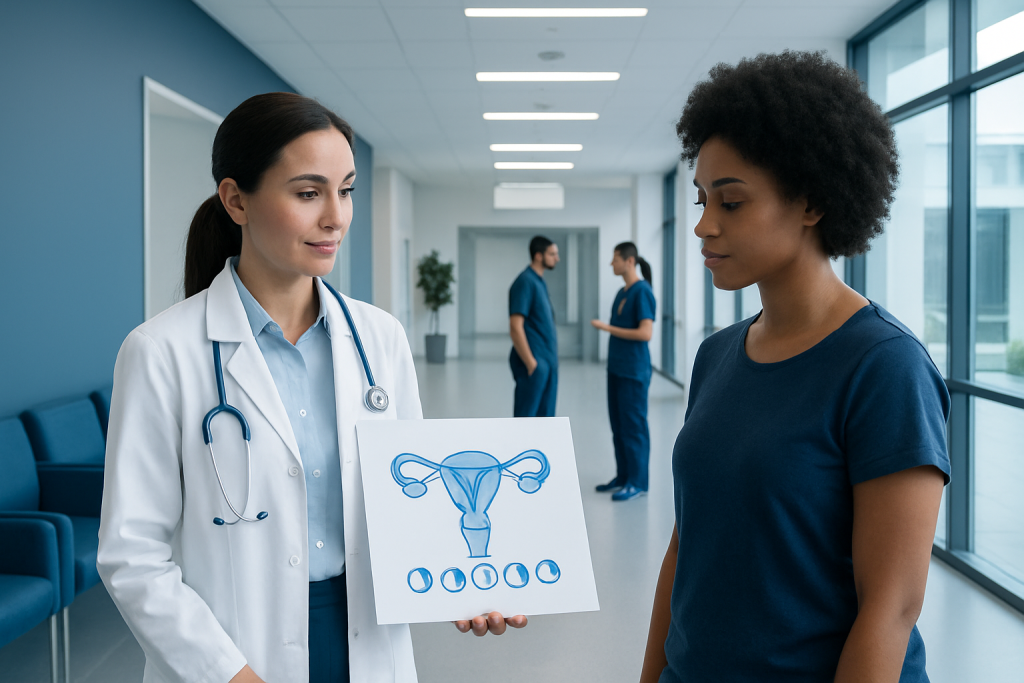
The menstrual cycle has four main phases: menstruation, follicular phase, ovulation, and luteal phase. Hormones such as estrogen, progesterone, follicle-stimulating hormone, and luteinizing hormone control the cycle.
Key Takeaways
- The menstrual cycle has four main phases: menstruation, follicular phase, ovulation, and luteal phase.
- Hormones such as estrogen, progesterone, follicle-stimulating hormone, and luteinizing hormone control the cycle.
- Cycle length and symptoms can vary from person to person and from month to month.
- Tracking bleeding patterns, pain, and timing can help identify what is normal for the individual.
- Very heavy bleeding, severe pain, missed periods, or bleeding between periods should be assessed by a doctor.
The menstrual cycle phases are menstruation, the follicular phase, ovulation, and the luteal phase. These stages are guided by changing hormone levels, and they can affect bleeding, cervical mucus, energy, mood, and common symptoms such as cramps or breast tenderness.
Overview of the Menstrual Cycle Phases
The menstrual cycle phases describe the body’s repeating pattern of hormonal and physical changes that prepare for a possible pregnancy. In most people of reproductive age, the cycle includes four main stages: menstruation, the follicular phase, ovulation, and the luteal phase. Although many people are taught that a cycle lasts 28 days, a healthy cycle can be shorter or longer, and regularity may change over time.
The first day of menstrual bleeding is counted as day 1 of the cycle. From there, the ovaries and brain communicate through hormones to mature an egg, release it, and prepare the lining of the uterus. If pregnancy does not occur, hormone levels fall and the uterine lining sheds, beginning the next period.
Understanding menstrual cycle phases can help explain why symptoms such as cramps, bloating, discharge changes, appetite shifts, acne, mood changes, and breast tenderness often happen at predictable times. It can also help a person recognize when a pattern seems unusual and may need medical attention.
What Happens During Each Phase
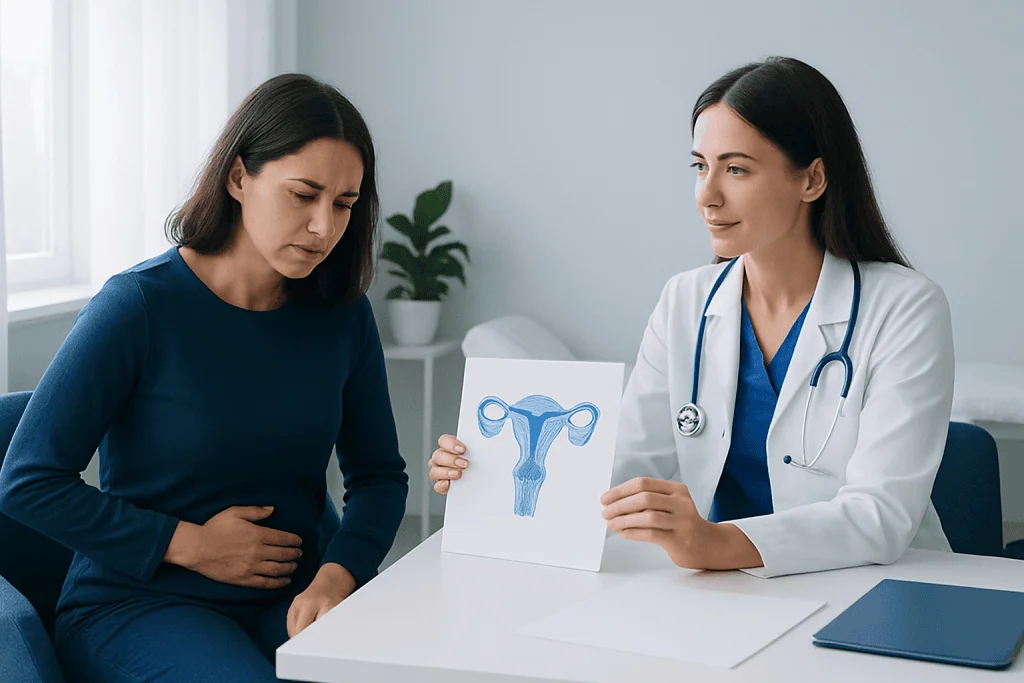
Menstruation is the phase when the uterine lining sheds and leaves the body as menstrual bleeding. This is often associated with cramping, fatigue, low energy, or headaches in some people. Bleeding commonly lasts a few days, but the exact duration varies.
The follicular phase begins on day 1 as well, but it extends beyond the bleeding days. During this phase, follicle-stimulating hormone helps several ovarian follicles start developing, and one usually becomes dominant. At the same time, estrogen gradually rises and helps rebuild the uterine lining after the period ends.
Ovulation happens when a mature egg is released from the ovary, usually around the middle of the cycle, though timing varies. A rise in luteinizing hormone triggers this release. Around ovulation, some people notice clear, stretchy cervical mucus, mild one-sided pelvic discomfort, or a slight increase in sexual desire.
The luteal phase follows ovulation. The empty follicle becomes the corpus luteum and produces progesterone, which supports the uterine lining in case pregnancy occurs. If pregnancy does not happen, progesterone and estrogen fall, which can lead to premenstrual symptoms before the next period begins.
Hormones, Timing, and Common Symptoms
The menstrual cycle is coordinated by several hormones. The brain releases signals that lead to production of follicle-stimulating hormone and luteinizing hormone, while the ovaries produce estrogen and progesterone. These hormones influence the ovaries, the uterine lining, cervical mucus, body temperature, and sometimes mood, sleep, skin, and digestion.
Cycle timing differs between individuals. Some have cycles that are very regular, while others notice modest monthly variation. Adolescence, the years approaching menopause, stress, illness, significant weight change, intense exercise, and certain medications can all affect timing. A change is not always a sign of disease, but persistent shifts are worth discussing with a clinician.
Common symptoms across the menstrual cycle phases may include:
- Pelvic cramps or lower back pain during bleeding
- Changes in vaginal discharge around ovulation
- Bloating, constipation, or appetite changes before a period
- Breast tenderness in the luteal phase
- Mood changes, irritability, or fatigue before menstruation
- Acne flare-ups linked to hormone changes
Symptoms become more concerning when they are severe, sudden, interfere with daily life, or differ markedly from a person’s usual pattern. In some cases, symptoms that seem like “bad periods” may be linked to conditions such as endometriosis or fibroids.
Why Cycles May Become Irregular or Problematic
Irregular cycles can happen for many reasons. Common contributors include stress, travel, sleep disruption, eating disorders, major weight loss or gain, and high-intensity athletic training. Hormonal conditions such as thyroid disease or polycystic ovary syndrome can also affect ovulation and cycle timing.
Some menstrual problems involve bleeding rather than timing. Heavy periods, prolonged bleeding, spotting between periods, or bleeding after sex can have a range of causes, including hormonal imbalance, infections, pregnancy-related causes, polyps, adenomyosis, fibroids, or bleeding disorders. Symptoms should be interpreted in context, rather than assuming all variations are normal.
Pain can also offer clues. Cramping is common, but severe pain that causes missed school, work, or normal activities deserves evaluation. Conditions such as uterine fibroids or endometriosis may cause heavy bleeding, pressure, or pelvic pain, while infections may be associated with fever, unusual discharge, or pain with intercourse.
How Doctors Evaluate Menstrual Cycle Concerns
Assessment begins with a detailed history. A doctor may ask about cycle length, duration of bleeding, amount of bleeding, pain severity, spotting, sexual health, medications, contraceptive use, pregnancy possibility, and family history. Keeping a period diary or using a cycle-tracking app can make this discussion more accurate and helpful.
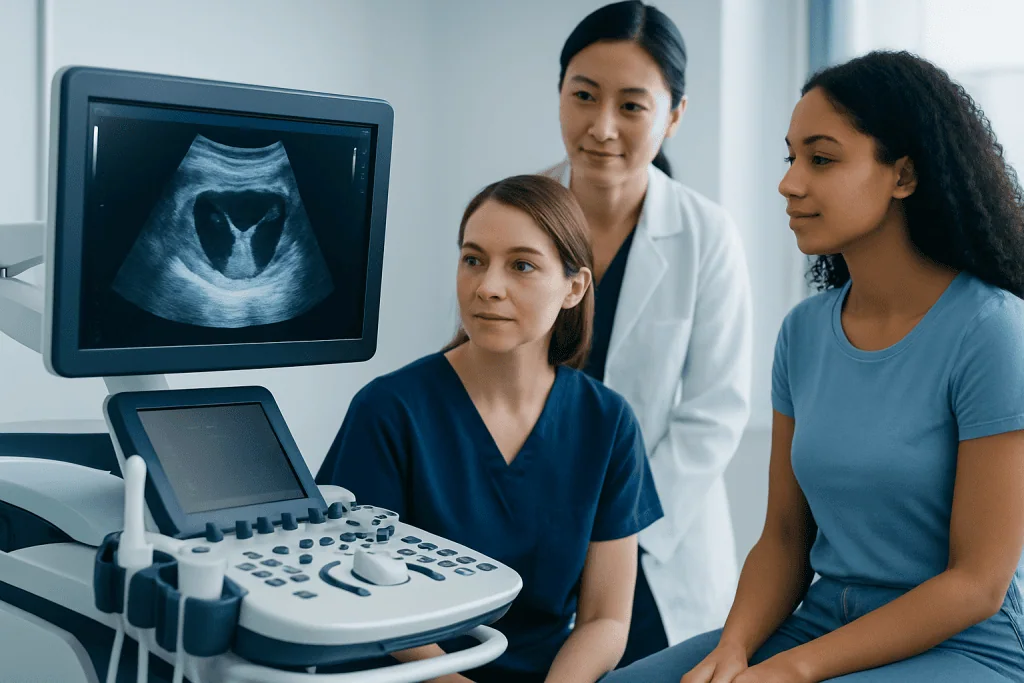
A physical examination may be recommended depending on symptoms and age. Additional tests can include blood tests to check for anemia, thyroid problems, pregnancy, or hormone-related conditions. If there is concern about structural causes, imaging such as pelvic ultrasound may be used to look at the uterus and ovaries.
In selected cases, further evaluation is needed to investigate heavy or unusual bleeding. This may involve assessment for fibroids, polyps, ovarian cysts, or endometriosis. Diagnostic planning is individualized, based on the person’s symptoms, age, reproductive goals, and medical history.
Treatment and Management Options
Management depends on the issue being treated. For many people, education and symptom tracking are enough to understand normal menstrual cycle phases and manage mild symptoms. For cramps, bloating, or headaches, a doctor may recommend general measures such as rest, hydration, exercise, heat therapy, and over-the-counter pain relief when appropriate.
If symptoms are disruptive, treatment may focus on regulating the cycle, reducing bleeding, improving pain, or addressing an underlying cause. Hormonal birth control is one option that may help some people with painful or heavy periods. When a structural problem is found, treatment may range from observation to medication or procedures, depending on severity and fertility goals.
Some patients with significant fibroid symptoms may be evaluated for procedures such as uterine fibroid embolization or, in specific situations, surgery such as myomectomy. If severe pelvic pain is related to advanced gynecologic disease, treatment may involve a broader women’s health and surgical care plan, tailored by specialists.
Near the end of the care pathway, some people benefit from multidisciplinary evaluation. Acibadem International’s specialists in women’s health, radiology, and minimally invasive procedures at JCI-accredited hospitals diagnose and treat menstrual disorders for international patients when further assessment is needed.
Prevention, Self-care, and Cycle Tracking
A menstrual cycle cannot be fully controlled through lifestyle, but healthy habits can support overall hormonal health and symptom management. Regular sleep, balanced nutrition, stress management, and appropriate physical activity may help reduce fatigue, premenstrual symptoms, and cycle disruption in some people. Avoiding smoking and seeking support for significant stress can also be beneficial.
Tracking the menstrual cycle phases can be especially useful. Recording the first day of each period, bleeding heaviness, pain level, mood changes, headaches, and discharge patterns can help identify ovulation timing, premenstrual symptoms, and early warning signs of a problem. This information is often valuable during a medical appointment.
Simple self-care steps may include:
- Using a heating pad for cramps
- Staying hydrated during menstruation
- Planning exercise according to energy levels
- Eating iron-rich foods if periods are heavy
- Seeking care if over-the-counter measures are no longer effective
Self-care supports comfort, but it should not replace medical evaluation for severe symptoms, frequent missed periods, or sudden changes. If a person is trying to conceive, understanding ovulation and cycle timing can also help guide discussions about fertility and further testing when needed.
When to Seek Medical Care
Medical care is appropriate when menstrual changes are persistent, severe, or outside a person’s usual pattern. A doctor should assess very heavy bleeding, periods that last unusually long, severe pain, frequent bleeding between periods, missed periods without a clear reason, or new symptoms such as dizziness or fainting. Bleeding after menopause should always be evaluated.
Urgent care may be needed if heavy bleeding is accompanied by weakness, shortness of breath, chest discomfort, severe one-sided pelvic pain, fever, or possible pregnancy. These symptoms do not always signal an emergency, but they should not be ignored.
It is also reasonable to seek advice when symptoms interfere with school, work, exercise, sleep, or daily life, even if the pattern has been present for years. Persistent menstrual pain is not something a person has to simply accept. If a structural or pelvic cause is suspected, specialists may consider targeted imaging, MRI in selected cases, or referral for gynecologic evaluation and treatment.
Frequently asked questions
What are the four menstrual cycle phases?
The four menstrual cycle phases are menstruation, the follicular phase, ovulation, and the luteal phase. Together, these phases reflect the body’s hormonal preparation for a possible pregnancy and the shedding of the uterine lining if pregnancy does not occur.
How long does each menstrual cycle phase last?
The length of each phase can vary between individuals and between cycles. Menstruation often lasts a few days, the follicular phase continues until ovulation, ovulation is brief, and the luteal phase usually lasts about two weeks, though exact timing differs.
Is a 28-day cycle necessary to be healthy?
No. A 28-day cycle is often used as a teaching example, but many healthy cycles are shorter or longer. What matters most is the person’s overall pattern, symptom burden, and whether there has been a meaningful change from what is typical for them.
What symptoms are normal during the menstrual cycle?
Common symptoms can include cramps, bloating, breast tenderness, acne, mood changes, headaches, fatigue, and changes in cervical mucus. These symptoms are often linked to normal hormone shifts, but severe or disabling symptoms should be evaluated.
Can stress affect menstrual cycle phases?
Yes. Stress can influence the hormones that regulate ovulation and menstruation, which may delay a period or make cycles less predictable. Sleep disruption, illness, major travel, and significant weight changes can have similar effects.
When should someone worry about period pain or heavy bleeding?
Medical advice is important if pain prevents normal daily activities, if bleeding seems unusually heavy, or if periods become much more severe than usual. Bleeding between periods, very long periods, or symptoms such as dizziness and fainting should also be checked by a doctor.
References
- American College of Obstetricians and Gynecologists
- Office on Women's Health
- National Institute of Child Health and Human Development
- Mayo Clinic
- National Health Service
This article is for general information only and is not a substitute for professional medical advice. Please consult a qualified doctor about your individual situation.
IVF & fertility treatment in Turkey — success rates and costs
JCI-accredited · board-certified surgeons · reply within 24h
Add us as a Preferred Source to see more of our trusted health content across Google Search, AI Overviews and Discover.
Check your numbers in seconds
BMI, calories, due date, blood pressure and 30+ more clinical calculators — free, instant, doctor-reviewed ranges.

More from the Health Library



Related Specialists

Prof. Dr. Moşe Benhabib
Gynecology & Obstetrics
Dr. Nihat Ağar
General Surgery
Dr. Ioseb Gabunia
Inpatient Clinic Physicians Clinical Service
Dr. Ayla Oktay
Pediatric Cardiology