Menstrual Disc Explained: Causes, Management, and When to See a Doctor
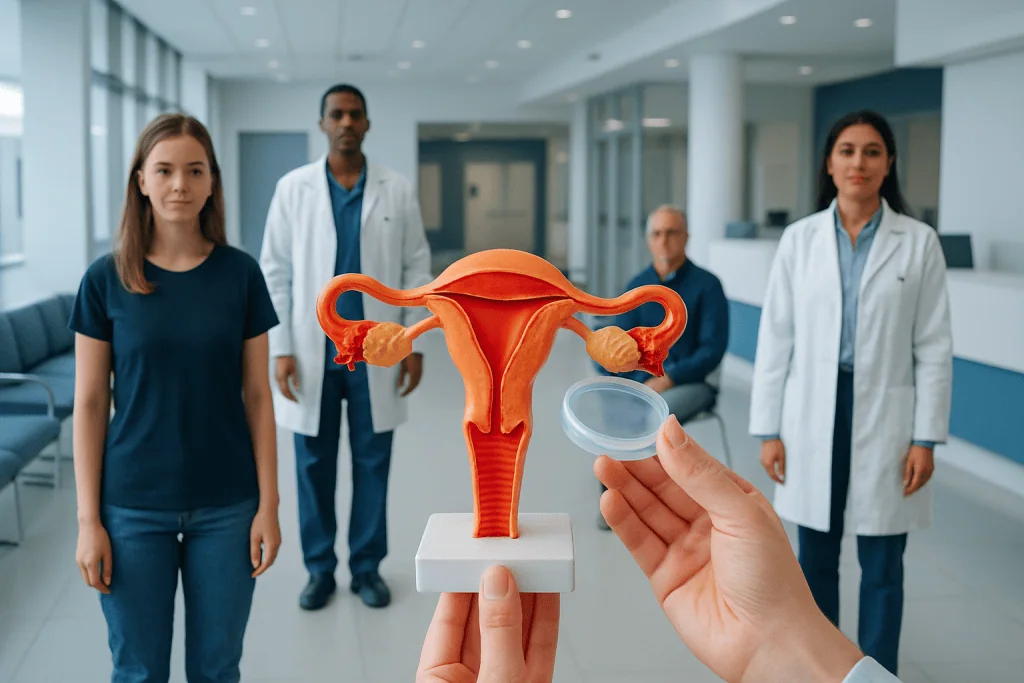
A menstrual disc collects menstrual blood and sits in the vaginal fornix, rather than in the vaginal canal like a tampon. Reusable and disposable discs are available, and the right size and insertion technique affect comfort and leakage.
Key Takeaways
- A menstrual disc collects menstrual blood and sits in the vaginal fornix, rather than in the vaginal canal like a tampon.
- Reusable and disposable discs are available, and the right size and insertion technique affect comfort and leakage.
- Mild learning-curve issues are common at first, but ongoing pain, heavy bleeding, fever, foul odor, or persistent leakage should be assessed by a doctor.
- A menstrual disc does not treat period disorders; painful or very heavy periods may need medical evaluation.
- Good hand hygiene, regular emptying, and following product instructions help support safe use.
A menstrual disc is a reusable or disposable period product that sits high in the vagina, just below the cervix, to collect menstrual blood. For many people it is comfortable and convenient, but pain, leakage, difficulty removing it, or unusual symptoms may mean the fit is not right or that medical advice is needed.
What a menstrual disc is and how it works
A menstrual disc is a flexible period product designed to collect, rather than absorb, menstrual blood. It is placed high in the vagina so that the rim rests behind the pubic bone and the disc sits just below the cervix. Some menstrual discs are disposable after a single cycle of use, while others are made of medical-grade materials intended to be washed and reused according to the manufacturer’s guidance.
People often choose a menstrual disc because it can hold more fluid than some other period products and may feel less noticeable once positioned correctly. Because it sits differently from a tampon or a menstrual cup, many users describe it as comfortable during daily activities. However, comfort depends on individual anatomy, the product’s size and firmness, and proper insertion.
A menstrual disc is not a treatment for gynecologic symptoms. If a person has severe cramps, very heavy bleeding, pelvic pain, irregular bleeding, or symptoms that interfere with daily life, a doctor may evaluate for causes such as endometriosis or uterine fibroids. In this way, the disc is best understood as a menstrual management tool rather than a solution for underlying period-related conditions.
Menstrual disc vs other period products

Compared with pads and tampons, a menstrual disc collects blood internally and may need to be changed less often, depending on flow and the specific product instructions. Unlike a tampon, it does not absorb fluid. This can be helpful for people who prefer a product that does not dry the vaginal tissues.
A menstrual disc is also different from a menstrual cup. A cup usually sits lower in the vaginal canal and creates a seal, while a disc sits higher and is tucked behind the pubic bone. Because of this design, the way it is inserted and removed is not the same. A person who has not liked a cup may still find a disc suitable, but the opposite can also be true.
Choosing between products often depends on comfort, lifestyle, manual dexterity, pelvic anatomy, and menstrual flow. There is no single best option for everyone. A patient-friendly approach is to expect a short adjustment period and to remember that if a product repeatedly causes discomfort, there may be a better alternative.
- Pads are external and easy to use but may feel bulky to some people.
- Tampons are familiar and convenient but absorb fluid and need regular replacement.
- Menstrual cups are reusable and collect blood lower in the vagina.
- Menstrual discs sit higher in the vagina and may suit some users better than cups.
Common concerns: leakage, discomfort, and removal problems

The most common early challenges with a menstrual disc are leakage, a feeling that the disc has shifted, and uncertainty about removal. In many cases, these are related to positioning. If the rim is not fully tucked behind the pubic bone or if the disc is too large or too small for the user, it may not stay in place as intended.
Some people notice pressure in the pelvis, discomfort during insertion, or cramping. Mild awareness of the product may happen while learning to use it, but ongoing pain is not expected. Pain can be a sign that the disc is not positioned well, that the fit is unsuitable, or that an underlying pelvic condition should be evaluated.
Removal may feel challenging at first because the disc sits high in the vagina. Relaxing the pelvic floor, changing body position, and following the manufacturer’s steps often help. If a disc cannot be removed, or if repeated attempts cause pain or significant distress, medical assistance may be needed. Persistent discomfort with internal period products can also lead a clinician to assess for issues such as pelvic floor tension or other gynecologic concerns.
Another issue some users ask about is odor. Menstrual blood itself can develop an odor when exposed to air or left too long in a collection product. Strong foul odor, however, especially when combined with discharge, itching, fever, or pain, may suggest infection and should be medically assessed rather than attributed to the disc alone.
Safety, hygiene, and who should be cautious
Menstrual discs are generally considered safe when used as directed. Good hygiene is important: hands should be washed before insertion and removal, and reusable discs should be cleaned according to the product’s instructions. A disc should not be worn longer than the recommended time. Following these simple steps reduces the chance of irritation and helps keep use comfortable.
Anyone with a recent pelvic infection, unexplained vaginal bleeding, significant vaginal pain, or recent gynecologic surgery should ask a doctor before using internal menstrual products. People with a history of sensitivity to certain materials should also check the product label carefully. If insertion is very painful, it is reasonable to stop and discuss alternatives with a healthcare professional.
As with tampons and cups, awareness of rare but serious symptoms is important. Fever, rash, vomiting, dizziness, faintness, or sudden severe illness during menstruation should be treated as urgent medical symptoms. While uncommon, these symptoms need prompt medical attention.
For some patients, difficulty using a disc may reveal a broader women’s health issue rather than a product problem alone. Painful periods, pain during penetration, or chronic pelvic discomfort may warrant evaluation by a gynecologist. Depending on the symptoms, assessment may include a pelvic exam, ultrasound, or discussion of treatment options such as gynecology care for diagnosis and symptom management.
When a menstrual disc may not be enough: periods that need evaluation
A menstrual disc can help manage the blood flow of a menstrual period, but it cannot address the cause of heavy bleeding, severe cramps, irregular cycles, or pelvic pain. If a person is soaking through products very quickly, passing large clots, missing daily activities because of period pain, or developing fatigue and dizziness, these symptoms should be evaluated by a doctor.
Heavy or painful periods can occur for many reasons, including hormone-related changes, fibroids, endometriosis, adenomyosis, polyps, bleeding disorders, and pregnancy-related causes. Evaluation may involve a medical history, physical examination, blood tests, and imaging. In many cases, pelvic ultrasound is one of the first tests used to look for structural causes.
Treatment depends on the cause and the person’s age, symptoms, reproductive plans, and overall health. It may include medication, hormonal therapy, iron support when blood loss has led to deficiency, or procedures in selected cases. If imaging or symptoms suggest a structural condition, a doctor may discuss options such as myomectomy or other targeted treatments when appropriate.
How doctors diagnose period-related symptoms
If a patient seeks care because of problems experienced while using a menstrual disc, the clinician will first determine whether the issue is product-related or due to an underlying medical condition. Questions usually cover the menstrual pattern, amount of bleeding, pain level, cycle regularity, sexual history, contraception, pregnancies, pelvic symptoms, and any vaginal discharge or odor.
A pelvic examination may be recommended in some cases, particularly if there is pain, abnormal discharge, difficulty inserting or removing products, or concern about infection. This exam can help identify tenderness, structural differences, signs of irritation, or other findings that explain symptoms. Not every person will need an exam, and the approach is tailored to age, symptoms, and comfort.
Tests may include pregnancy testing, blood tests for anemia or hormone-related concerns, and imaging such as pelvic ultrasound. When symptoms suggest more complex conditions, referral to women’s health specialists may follow. In selected cases, procedures such as hysteroscopy can help evaluate abnormal uterine bleeding from inside the uterus, although this is not needed for most people simply trying a menstrual disc.
Practical self-care tips for comfortable use
For many users, the best way to improve the menstrual disc experience is to focus on technique and routine. Reading the product instructions carefully, inserting the disc in a relaxed position, and checking that the rim is tucked behind the pubic bone can reduce leakage. It may also help to try insertion at home first, rather than during a busy day, to allow time to get used to the process.
If leakage continues, keeping a brief record of when it happens can be useful. Leaks during very heavy flow may mean the disc needs to be emptied more often. Leaks only with certain movements may suggest a positioning issue. Recurrent leakage despite correct technique may indicate that another size, shape, or product type would be more suitable.
People who have period pain, pelvic pressure, or known gynecologic conditions should be especially attentive to symptoms. A menstrual disc should not worsen quality of life. If the product consistently causes pain or anxiety, switching to another period product is reasonable while a medical evaluation is arranged.
Near the end of the care pathway, some patients benefit from a more comprehensive women’s health review, especially if menstrual symptoms have changed over time. Acibadem International’s multidisciplinary specialists in JCI-accredited hospitals evaluate and treat period-related conditions for international patients when further assessment is needed.
When to seek medical care
Medical advice is appropriate if a menstrual disc causes ongoing pain, repeated difficulty with insertion or removal, or persistent leakage despite careful use. A doctor should also be consulted for heavy menstrual bleeding, severe cramps, bleeding between periods, new pelvic pain, or symptoms that interfere with school, work, sleep, or everyday life.
Prompt medical attention is especially important for fever, foul-smelling discharge, severe abdominal or pelvic pain, fainting, dizziness, rash, or a feeling of being acutely unwell during menstruation. These symptoms are not explained by a normal learning curve with a menstrual disc. They may point to infection, significant blood loss, or another condition that needs professional care.
If symptoms are long-standing or recurring, specialist evaluation can help identify the underlying cause and guide treatment. The goal is not only to find a period product that works, but also to protect long-term gynecologic health and overall wellbeing.
Frequently asked questions
Is a menstrual disc safe to use?
For most people, a menstrual disc is safe when used according to the product instructions. Washing hands, cleaning reusable discs properly, and not wearing the disc longer than recommended are important safety steps. If there is pain, fever, unusual discharge, or severe discomfort, medical advice is needed.
What is the difference between a menstrual disc and a menstrual cup?
A menstrual disc sits higher in the vagina, just below the cervix, and is tucked behind the pubic bone. A menstrual cup usually sits lower in the vaginal canal and forms a seal. Because of this, insertion, fit, and removal can feel quite different between the two products.
Why does my menstrual disc leak?
Leakage often happens because the disc is not fully positioned behind the pubic bone, the size is not a good fit, or it is too full and needs emptying. Heavy flow days can also increase the chance of leaking. If leakage is frequent despite careful technique, a doctor can help rule out pelvic anatomy concerns or heavy bleeding disorders.
Should a menstrual disc hurt?
A menstrual disc should not cause ongoing pain when it fits and is placed correctly. Mild awareness during the learning phase can happen, but persistent pressure, cramping, or sharp pain is not expected. If discomfort continues, it is sensible to stop using it and seek medical guidance.
Can a menstrual disc get stuck?
A menstrual disc can feel difficult to remove at first because it sits high in the vagina, but it is usually removable with the right technique and a relaxed body position. If repeated attempts are painful or unsuccessful, medical help may be needed. Seeking assistance is appropriate and should not be delayed if distress is significant.
Can a menstrual disc help with heavy periods?
A menstrual disc may help manage heavy flow because it collects menstrual blood, but it does not treat the cause of heavy bleeding. If periods are unusually heavy, prolonged, or associated with fatigue, dizziness, or large clots, a doctor should evaluate the symptoms. Treatment depends on the underlying reason for the bleeding.
References
- American College of Obstetricians and Gynecologists
- U.S. Food and Drug Administration
- National Health Service
- World Health Organization
This article is for general information only and is not a substitute for professional medical advice. Please consult a qualified doctor about your individual situation.
Explore treatments in Turkey — costs, top hospitals & a free quote
JCI-accredited · board-certified surgeons · reply within 24h
Add us as a Preferred Source to see more of our trusted health content across Google Search, AI Overviews and Discover.