Menstruation and Pain: Possible Causes and When to Seek Care
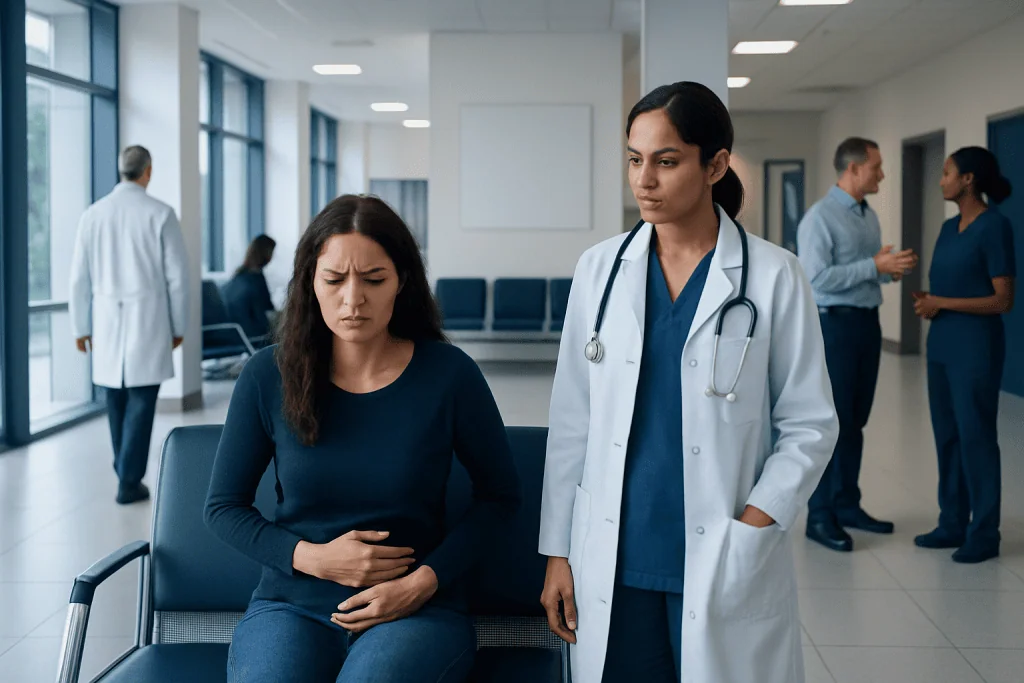
Period pain is common, but pain that is severe, disabling, or different from usual should not be ignored. Primary dysmenorrhea is menstrual pain without another disease; secondary dysmenorrhea is pain caused by an underlying condition.
Key Takeaways
- Period pain is common, but pain that is severe, disabling, or different from usual should not be ignored.
- Primary dysmenorrhea is menstrual pain without another disease; secondary dysmenorrhea is pain caused by an underlying condition.
- Causes of painful menstruation can include endometriosis, fibroids, adenomyosis, pelvic inflammatory disease, or ovarian cysts.
- Doctors diagnose the cause using medical history, pelvic examination when appropriate, and imaging such as ultrasound.
- Treatment depends on the cause and may include lifestyle measures, pain relief medicines, hormonal treatment, or procedures.
Menstruation and pain commonly occur together because the uterus contracts to shed its lining, but not all period pain is the same. Mild to moderate cramping can be normal, while severe, worsening, or unusual pain may point to an underlying gynecologic condition that deserves medical evaluation.
Overview: what menstruation and pain can mean
Menstruation and pain often occur together because the body releases hormone-like chemicals called prostaglandins during a period. These chemicals help the uterus contract so it can shed its lining, but stronger contractions can reduce blood flow to the uterine muscle for short periods and cause cramping pain. For many people, this discomfort starts just before bleeding or on the first day of the period and improves within one to three days.
Not all menstrual pain has the same cause. Doctors usually describe primary dysmenorrhea as period pain that happens without another pelvic disease, often beginning in the teen years or early adulthood. Secondary dysmenorrhea means period pain linked to another condition, such as endometriosis, fibroids, adenomyosis, infection, or an ovarian cyst.
The main question is not simply whether pain is present, but whether it fits a typical pattern. Pain that is suddenly more intense, lasts longer than usual, causes missed school or work, occurs with heavy bleeding, or continues outside the menstrual period may need medical assessment. This distinction helps separate common cramps from symptoms that deserve closer attention.
How period pain feels and which symptoms can come with it
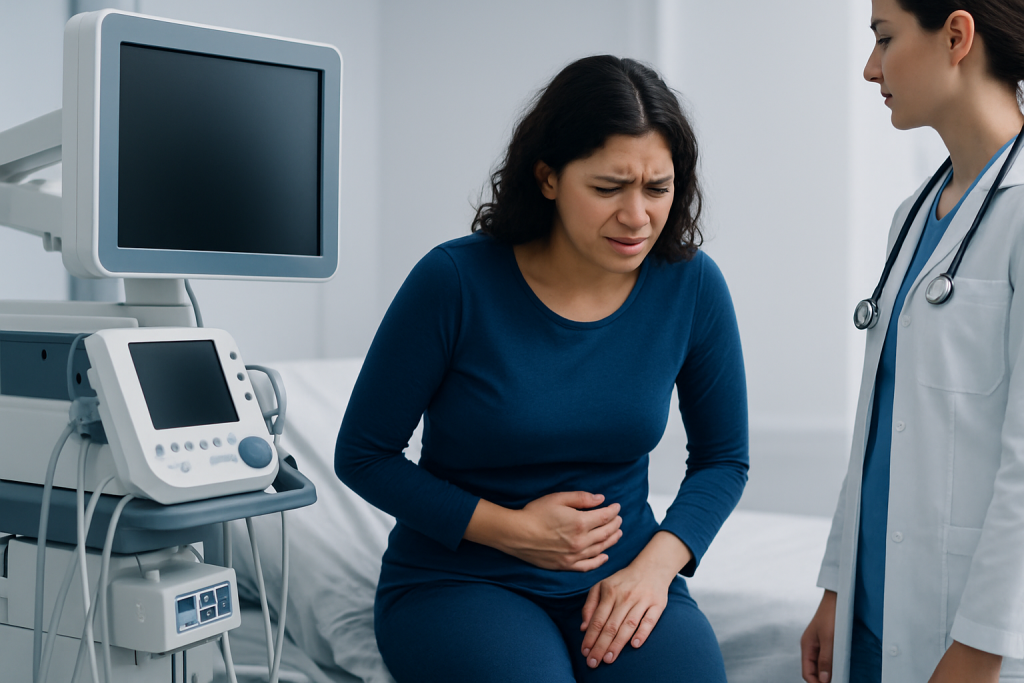
Typical menstrual cramps are usually felt in the lower abdomen or pelvis and may spread to the lower back or thighs. The sensation can be dull, throbbing, aching, or cramping. Some people also notice nausea, loose stools, headache, tiredness, or a general sense of discomfort on the first day or two of bleeding.
Painful periods can vary from cycle to cycle. A person may have mild symptoms one month and stronger cramps the next, especially during times of stress, poor sleep, or changes in routine. Even so, pain that remains manageable with rest, heat, and standard pain relief is often different from pain that disrupts normal daily life.
Symptoms that may suggest a cause beyond ordinary cramps include:
- Very heavy bleeding or passing large clots
- Pain that starts many days before bleeding begins
- Pain during sex
- Pain with bowel movements or urination during a period
- Bleeding between periods
- Fever, unusual vaginal discharge, or pelvic tenderness
- New severe pain after years of relatively mild periods
These patterns do not confirm a specific diagnosis on their own, but they give useful clues. Keeping a symptom diary that records timing, pain intensity, bleeding, and associated symptoms can help a clinician understand what is happening.
Possible causes of menstruation and pain
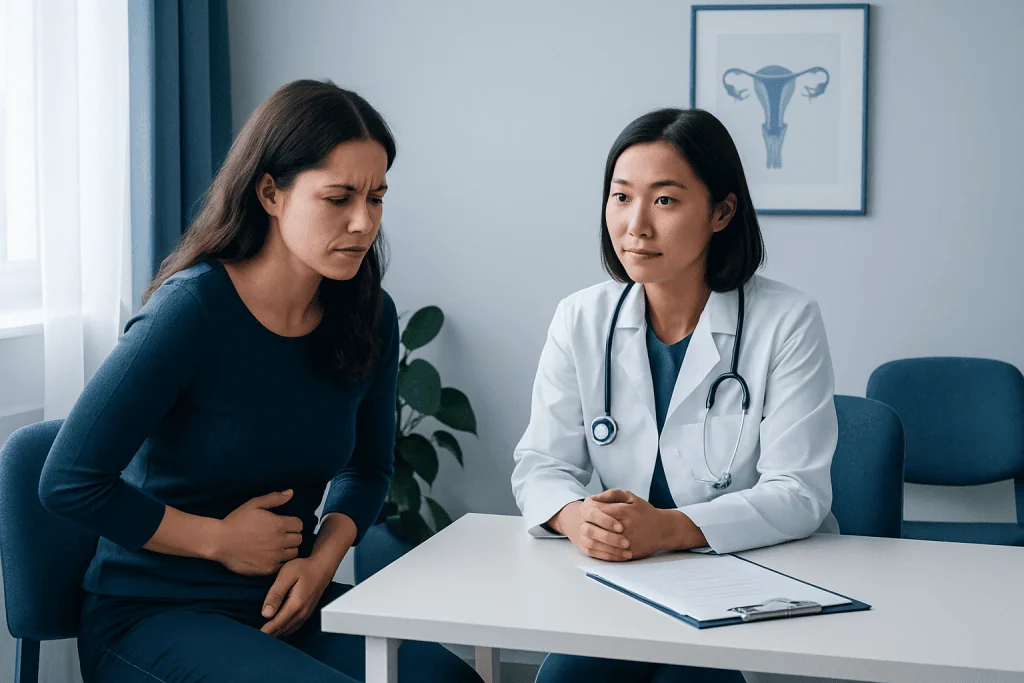
The most common explanation is primary dysmenorrhea, which is linked to prostaglandin release and stronger uterine contractions. This type of pain is common in the first years after menstruation begins and may improve with age or after pregnancy for some people. It does not mean there is damage to the reproductive organs.
When pain is more severe or unusual, doctors look for secondary causes. Endometriosis can cause tissue similar to the uterine lining to grow outside the uterus, leading to significant pain, especially around menstruation. Uterine fibroids and adenomyosis can also cause cramping, pelvic pressure, and heavy bleeding. Pelvic inflammatory disease, ovarian cysts, or cervical narrowing may contribute as well.
Other conditions outside the reproductive system can sometimes mimic menstrual pain. Irritable bowel syndrome, inflammatory bowel conditions, bladder pain syndromes, or musculoskeletal problems may worsen during a period and be mistaken for uterine cramps. For this reason, the location, timing, and pattern of pain matter.
Risk factors for stronger period pain can include an early age at first period, heavy or prolonged menstrual bleeding, smoking, family history of painful periods, and certain gynecologic conditions. A clinician considers the whole picture rather than any single risk factor alone.
How doctors evaluate painful periods
Assessment usually begins with a detailed conversation about the menstrual cycle, the type of pain, how long it lasts, and whether it has changed over time. A doctor may ask about bleeding volume, sexual health, pregnancy possibility, bowel or bladder symptoms, medications, and family history. This history is often the most important first step.
A physical examination may be recommended depending on age, symptoms, and individual circumstances. In some cases, a pelvic exam helps identify tenderness, masses, infection, or signs of another gynecologic problem. Not everyone with menstrual pain needs the same type of exam, and care is usually tailored to the person and their symptoms.
If an underlying condition is suspected, imaging may be useful. Pelvic ultrasound is often the first test because it can help detect fibroids, ovarian cysts, adenomyosis, or other structural causes. In selected cases, doctors may recommend advanced imaging or minimally invasive evaluation such as laparoscopy when symptoms strongly suggest a condition like endometriosis and the diagnosis remains unclear.
Blood tests or other laboratory tests may be used if there is concern about anemia from heavy bleeding, infection, pregnancy, or endocrine issues. The goal is not just to confirm that pain exists, but to find out why it is happening and which treatment is most likely to help.
Treatment options for menstruation and pain
Treatment depends on the cause, the severity of symptoms, age, reproductive plans, and personal preferences. For common period cramps, doctors often recommend nonsteroidal anti-inflammatory drugs if suitable for the individual, because they reduce prostaglandin production and can be most effective when started early in the cycle. Heat therapy, regular sleep, hydration, and gentle activity may also help some people manage symptoms.
Hormonal treatment may be considered when pain is frequent, severe, or linked to conditions affected by the menstrual cycle. This may include options that reduce ovulation, thin the uterine lining, or lessen monthly bleeding. When symptoms are related to structural problems or persistent disease, a gynecologist may discuss gynecologic evaluation and treatment tailored to the cause.
If pain is due to fibroids, adenomyosis, endometriosis, or cysts, management can range from medication to procedures. For example, persistent endometriosis-related pain may benefit from a combination of hormonal therapy and, in selected cases, endometriosis treatment. If fibroids are contributing to pain and heavy bleeding, treatment may include observation, medication, or procedures depending on size, location, and symptoms.
People with heavy bleeding and ongoing pelvic pain sometimes need broader assessment of the uterus and surrounding organs. In that setting, a specialist may suggest imaging follow-up or procedures connected to uterine fibroids treatment when fibroids are found to be a major factor. Treatment plans work best when they address both pain control and the underlying reason for the symptoms.
Self-care, tracking symptoms, and prevention
Although not all menstrual pain can be prevented, symptom control often improves with practical habits. Applying a heating pad to the lower abdomen, staying gently active, and getting adequate rest can reduce discomfort for some people. Relaxation techniques, stretching, and regular exercise between periods may also support overall pelvic comfort.
Tracking the cycle can be especially helpful. Writing down when pain starts, where it is felt, how severe it is, what the bleeding is like, and which remedies help can reveal patterns over time. This record is valuable during a medical visit because it helps distinguish short-lived monthly cramps from pain that is progressively worsening or linked to other symptoms.
It is also sensible to avoid smoking and to discuss medication use with a clinician, especially if over-the-counter pain relievers are needed frequently. Self-care should not replace medical advice when symptoms are severe, but it can be an important part of day-to-day management.
Near the end of the care pathway, some patients may seek multidisciplinary support if symptoms continue or if a complex diagnosis is suspected. Acibadem International’s multidisciplinary specialists and JCI-accredited hospitals evaluate and treat menstrual and pelvic pain for international patients when specialist assessment is needed.
When to seek medical care
Medical care is important if menstrual pain is severe enough to interfere with school, work, sleep, or normal activities, or if the pain is becoming worse over time. Pain that begins suddenly, feels very different from previous periods, or does not improve with standard measures should also be assessed. A healthcare professional can help determine whether the symptoms fit primary dysmenorrhea or suggest another condition.
Prompt evaluation is also recommended when pain occurs with very heavy bleeding, bleeding between periods, fever, fainting, unusual vaginal discharge, pain during sex, or pain with urination or bowel movements. These symptoms can point to infection, structural gynecologic problems, or another pelvic disorder that needs targeted treatment.
Emergency care may be needed for sudden severe pelvic pain, especially if it occurs on one side, is accompanied by vomiting, dizziness, or collapse, or if pregnancy is possible. These situations can have causes other than menstruation and should not be ignored.
Frequently asked questions
Is it normal to have pain during menstruation?
Yes, mild to moderate cramping during a period is common. It usually happens because the uterus contracts to shed its lining. However, pain that is severe, worsening, or disruptive is not something a person should simply accept without medical advice.
What is the difference between normal period cramps and a medical problem?
Typical cramps tend to occur around the start of bleeding and improve within a few days. A medical problem is more likely when pain is unusually intense, lasts longer, starts well before the period, or comes with heavy bleeding, fever, or pain during sex. A doctor uses symptom pattern, examination, and sometimes imaging to tell the difference.
Can endometriosis cause painful periods?
Yes, endometriosis is a well-known cause of severe menstrual pain. It can also cause pelvic pain outside the period, pain during sex, and pain with bowel movements. Diagnosis may take time because symptoms can overlap with other conditions.
When should someone see a doctor for menstruation and pain?
A medical visit is recommended if pain prevents normal activities, keeps getting worse, or is different from usual. Care is also important if there is very heavy bleeding, bleeding between periods, fever, unusual discharge, or sudden severe pelvic pain. These signs may indicate a condition that needs treatment.
How are painful periods treated?
Treatment depends on the cause. Many people improve with anti-inflammatory pain relief, heat, and supportive lifestyle measures, while others may benefit from hormonal treatment. If an underlying condition such as fibroids or endometriosis is found, treatment is directed at that cause.
Can lifestyle changes help with period pain?
They can help some people, especially when symptoms are mild to moderate. Heat, regular physical activity, stress management, and tracking symptoms may make cycles easier to manage. Lifestyle changes are supportive, but they do not replace medical evaluation when pain is severe or unusual.
References
- American College of Obstetricians and Gynecologists
- National Institute for Health and Care Excellence
- Office on Women's Health
- Mayo Clinic
- World Health Organization
This article is for general information only and is not a substitute for professional medical advice. Please consult a qualified doctor about your individual situation.
Explore treatments in Turkey — costs, top hospitals & a free quote
JCI-accredited · board-certified surgeons · reply within 24h
Add us as a Preferred Source to see more of our trusted health content across Google Search, AI Overviews and Discover.