Mental Illness vs Normal Stress: When Symptoms May Need Professional Care
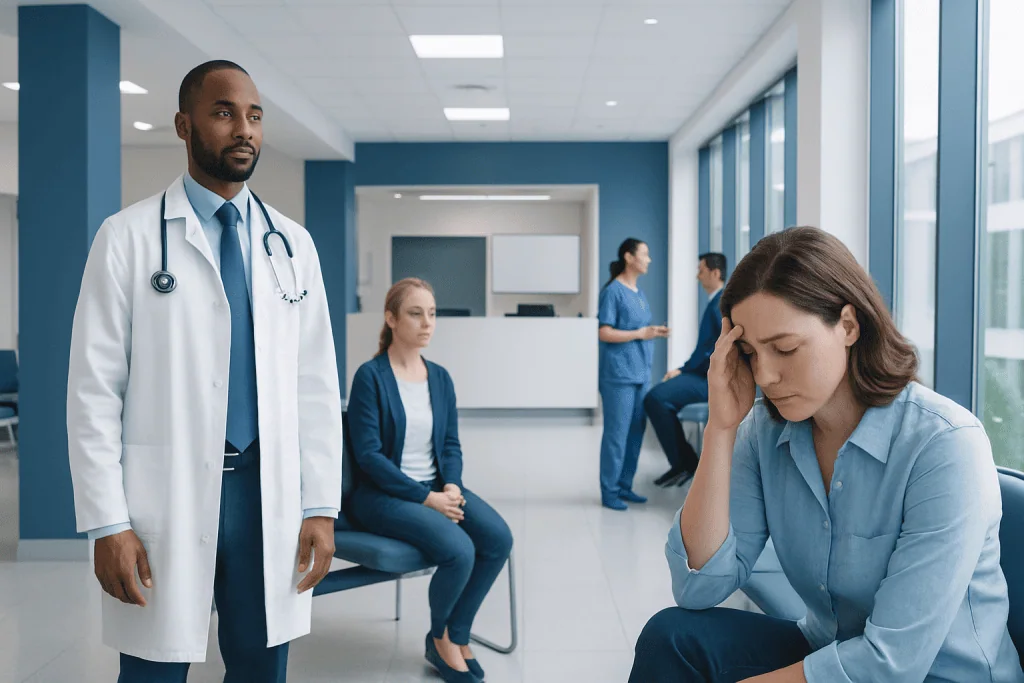
Normal stress is usually linked to a clear challenge and often improves when the situation changes or coping strategies help. Mental illness symptoms tend to be more persistent, more intense, or more disruptive to work, school, sleep, self-care, or relationships.
Key Takeaways
- Normal stress is usually linked to a clear challenge and often improves when the situation changes or coping strategies help.
- Mental illness symptoms tend to be more persistent, more intense, or more disruptive to work, school, sleep, self-care, or relationships.
- Warning signs include lasting sadness, severe anxiety, panic, major mood changes, withdrawal, hopelessness, or thoughts of self-harm.
- A mental health evaluation considers symptoms, duration, triggers, medical causes, and how daily functioning is affected.
- Early support may include lifestyle changes, counseling, psychotherapy, and sometimes medication, depending on the condition.
Stress is a normal part of life, but mental health symptoms may need professional care when they last longer, feel overwhelming, or begin to disrupt daily life. Understanding the difference can help people seek support early and reduce unnecessary worry or delay.
Overview: Stress Is Common, but Symptoms Can Cross a Line
Everyone experiences stress. It may appear during exams, deadlines, financial pressure, family conflict, illness, or major life changes. In many cases, stress is a normal response that helps the body and mind react to challenge. It can cause temporary worry, irritability, poor sleep, muscle tension, or trouble concentrating, but these symptoms often ease as the stressful situation improves or the person adapts.
Mental illness is different from everyday stress, even though the two can overlap. A mental health condition usually involves symptoms that last longer, feel more intense, or interfere more seriously with daily life. A person may find it hard to function at work or school, maintain relationships, care for personal hygiene, manage emotions, or enjoy activities that once felt meaningful.
The phrase “mental illness vs normal stress” is not about labeling every difficult emotion as a disorder. Instead, it helps people recognize when a normal reaction may be turning into something that deserves professional attention. Seeking help does not mean a person is weak or overreacting. It means the symptoms are important enough to understand and address.
How Normal Stress Usually Feels
Normal stress is often connected to a specific event or pressure. For example, a person may feel worried before a presentation, irritable during a busy workweek, or emotionally drained after a family disagreement. These reactions can be uncomfortable, but they usually make sense in context and tend to improve with rest, support, problem-solving, or time.
Common stress symptoms may include headaches, muscle tension, upset stomach, trouble sleeping, fatigue, racing thoughts, or feeling more emotional than usual. Some people become quieter and withdrawn, while others become restless or short-tempered. These responses do not automatically mean a mental health disorder is present.
In general, everyday stress is more likely to be temporary, proportionate to the situation, and manageable with coping tools. Helpful strategies may include sleep, regular movement, healthy meals, limiting alcohol, relaxation exercises, and talking with trusted family or friends. If symptoms settle when life becomes calmer, they are more likely to reflect stress rather than a longer-term condition.
Signs That Symptoms May Need Professional Care
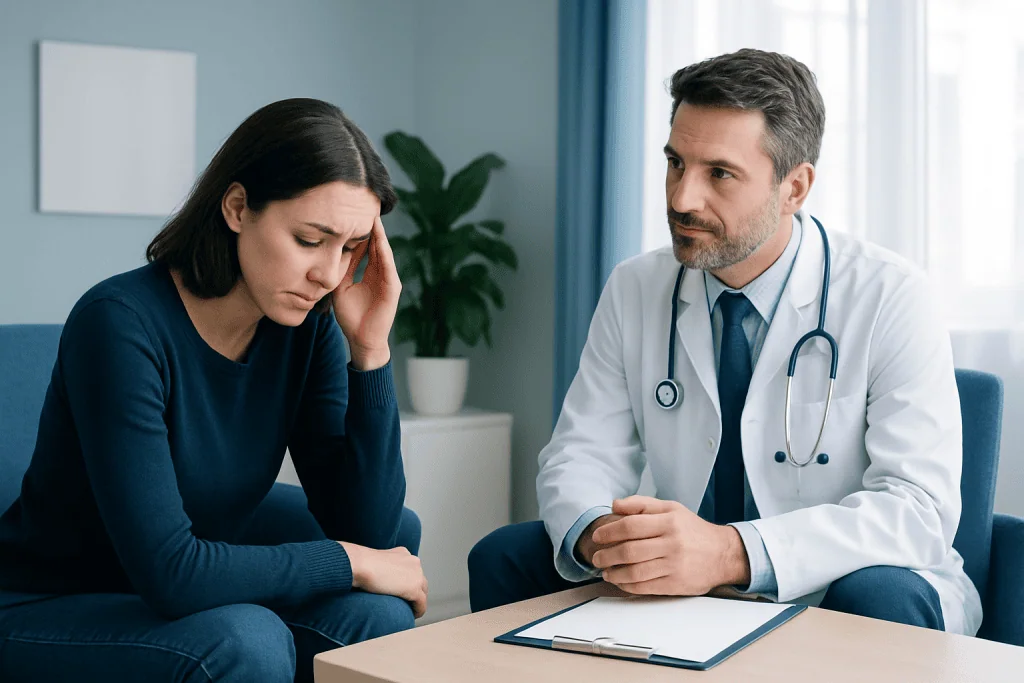
Symptoms may need professional care when they become persistent, severe, or disruptive. A key warning sign is duration. If sadness, anxiety, irritability, panic, sleep disturbance, or loss of motivation continues for weeks rather than days, it may be more than situational stress. Another important sign is impact: if symptoms make it difficult to work, study, maintain relationships, or handle daily responsibilities, an evaluation is reasonable.
Certain emotional and behavioral changes should be taken seriously. These can include feeling hopeless, losing interest in previously enjoyable activities, having frequent panic attacks, avoiding social contact, extreme mood swings, unusual suspiciousness, major appetite changes, or using alcohol or drugs to cope. Some people experience physical symptoms such as chest tightness, stomach upset, unexplained aches, or chronic fatigue, especially when emotional distress has gone on for a long time.
It can help to watch for patterns such as:
- Symptoms that persist beyond the stressful event
- Reactions that seem out of proportion to the trigger
- Ongoing problems with sleep, concentration, or memory
- Withdrawal from family, friends, or usual routines
- Declining performance at work or school
- Thoughts of self-harm, self-neglect, or hopelessness
When symptoms do not improve with self-care, or when they begin to dominate daily life, professional mental health support can provide clarity and relief. Conditions such as depression or anxiety disorders can sometimes begin gradually and be mistaken for “just stress,” especially in the early stages.
Causes and Risk Factors: Why the Difference Is Not Always Clear
The line between stress and mental illness is not always sharp. Stressful events can trigger or worsen mental health conditions in people who are vulnerable, and mental illness can also make ordinary stress feel much harder to manage. For example, a person with underlying anxiety may experience everyday responsibilities as overwhelming, while someone with depression may have less energy and resilience during challenging times.
Risk factors for mental health conditions include a family history of psychiatric illness, previous episodes of depression or anxiety, trauma, chronic medical illness, sleep problems, substance misuse, prolonged caregiving stress, social isolation, and major life transitions. Hormonal changes, grief, burnout, and financial hardship can also affect emotional health. Children, adolescents, and older adults may show distress differently, which can make symptoms easier to miss.
Physical health is also important. Thyroid disorders, vitamin deficiencies, chronic pain, neurological conditions, medication side effects, and sleep disorders can contribute to low mood, anxiety, poor concentration, or irritability. That is why a careful medical and psychological assessment is often the best way to understand what is happening.
How Doctors and Mental Health Professionals Make the Distinction
Diagnosis is based on more than one symptom. A doctor, psychologist, or psychiatrist will usually ask about what the person is feeling, when the symptoms began, whether there was a trigger, how long the symptoms have lasted, and how much they affect daily function. They may also ask about sleep, appetite, substance use, physical symptoms, family history, and any previous mental health concerns.
A mental health evaluation may include screening questionnaires, a physical examination, and sometimes blood tests or other investigations to rule out medical causes. The goal is not simply to give a label. It is to understand whether the person is experiencing temporary stress, burnout, grief, an adjustment reaction, or a diagnosable condition such as depression, generalized anxiety, panic disorder, or bipolar disorder.
This process matters because treatment depends on the cause. Someone coping with short-term stress may benefit mostly from practical support and lifestyle changes, while a person with a clinical disorder may need structured psychotherapy, medication, or both. In some cases, a specialist may recommend a broader health check-up to look for physical conditions that can affect mood and energy.
Treatment Options and Support
Treatment depends on the symptoms, their severity, and the diagnosis. For stress-related difficulties, care may focus on sleep habits, exercise, relaxation techniques, social support, workload adjustments, and healthy coping skills. Learning stress-management tools can be very effective, especially when difficulties are identified early.
When a mental health condition is present, treatment often includes psychotherapy. Approaches such as cognitive behavioral therapy can help people identify unhelpful thought patterns, regulate emotions, and build practical coping strategies. If symptoms are moderate to severe, a doctor may also discuss medication. The best plan is individualized and may change over time depending on response and life circumstances.
Some people benefit from coordinated care that addresses both body and mind, especially if they have sleep problems, chronic illness, or overlapping neurological symptoms. In selected cases, referral for psychiatric evaluation and care or support from clinical psychology services may be appropriate. If headaches, memory changes, dizziness, or other neurological features are part of the picture, doctors may also assess for related conditions such as migraine.
Near the end of the care pathway, some patients may seek assessment in a comprehensive center. Acibadem International’s multidisciplinary specialists and JCI-accredited hospitals diagnose and treat mental health concerns for international patients, with care guided by individual clinical needs.
Prevention and Self-Care for Emotional Well-Being
Not all mental health conditions can be prevented, but healthy routines can improve resilience and reduce the effects of stress. Regular sleep, physical activity, balanced nutrition, time outdoors, and limiting alcohol or recreational drugs all support emotional health. Many people also benefit from setting boundaries, reducing constant screen exposure, and building time for rest into their week.
Self-awareness is equally important. Keeping track of mood, energy, sleep, and stress triggers can help a person notice changes early. It may also be useful to ask trusted family members or friends if they have noticed differences in behavior, motivation, or mood. Sometimes others see a pattern before the person experiencing it does.
Helpful self-care steps include:
- Keeping a regular sleep and wake schedule
- Eating at consistent times and staying hydrated
- Using breathing exercises, mindfulness, or relaxation practices
- Staying socially connected, even in small ways
- Breaking large problems into manageable steps
- Seeking help early rather than waiting for symptoms to worsen
Self-care can be powerful, but it is not a substitute for professional treatment when symptoms are severe, persistent, or unsafe. The goal is not to handle everything alone, but to combine healthy habits with timely expert support when needed.
When to See a Doctor or Seek Urgent Help
A doctor should be consulted when emotional symptoms last more than a few weeks, keep returning, or interfere with sleep, work, school, family life, or self-care. An appointment is also important if symptoms seem to be worsening, if the person is using alcohol or drugs to cope, or if physical symptoms such as fatigue, weight change, pain, or palpitations are part of the problem. Early evaluation can reduce suffering and help prevent symptoms from becoming more severe.
Urgent help is needed if a person talks about self-harm, feels that life is not worth living, shows severe agitation, becomes unable to care for basic needs, or appears out of touch with reality. In these situations, immediate support from emergency services, a crisis line, or the nearest emergency department is appropriate. Loved ones should not leave the person alone if there is a concern about immediate safety.
Reaching out for mental health care is a practical and responsible step. Whether symptoms turn out to be stress, burnout, grief, or a mental health disorder, a professional assessment can guide the next steps and offer reassurance.
Frequently asked questions
How can someone tell if it is stress or a mental illness?
Stress is often linked to a clear challenge and may improve when the situation changes or coping improves. A mental health condition is more likely when symptoms are intense, last for weeks, or interfere with work, sleep, relationships, or self-care.
Can normal stress cause physical symptoms?
Yes. Stress can cause headaches, muscle tension, stomach upset, fatigue, faster heartbeat, and trouble sleeping. These symptoms may be temporary, but if they persist or become severe, a doctor should assess both physical and emotional causes.
When should a person seek professional mental health help?
Professional help is advisable when symptoms last more than a few weeks, keep coming back, or start affecting daily life. Help is also important if there is hopelessness, panic, major mood change, substance misuse, or difficulty coping safely.
Can stress turn into depression or anxiety?
Long-term stress does not automatically cause a mental illness, but it can contribute to or worsen conditions such as anxiety and depression in some people. This is especially true when there are other risk factors like trauma, family history, poor sleep, or chronic illness.
What happens during a mental health evaluation?
A clinician usually asks about symptoms, their duration, possible triggers, medical history, sleep, substance use, and daily functioning. In some cases, physical examination or lab tests are used to rule out medical conditions that can mimic mental health symptoms.
Is it helpful to wait and see if symptoms go away on their own?
A short period of watchful self-care may be reasonable for mild stress reactions after a clear event. However, waiting too long can delay treatment if symptoms are persistent, worsening, or affecting safety, relationships, or basic functioning.
References
- World Health Organization
- National Institute of Mental Health
- American Psychiatric Association
- National Health Service
- Centers for Disease Control and Prevention
This article is for general information only and is not a substitute for professional medical advice. Please consult a qualified doctor about your individual situation.
FESS in Turkey — costs, top hospitals & a free quote
JCI-accredited · board-certified surgeons · reply within 24h
Add us as a Preferred Source to see more of our trusted health content across Google Search, AI Overviews and Discover.