Migraine Aura Without Headache: Symptoms, Causes, and When to Get Checked
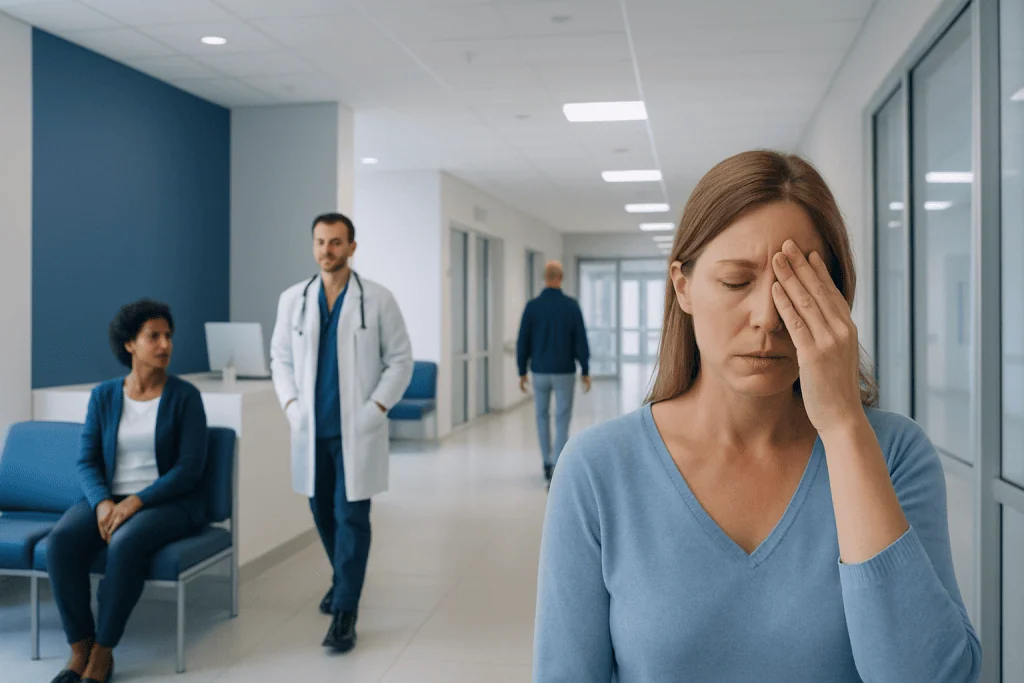
Migraine aura without headache causes temporary symptoms such as visual changes, numbness, or speech difficulty without head pain. Aura symptoms usually build gradually and resolve on their own, often within an hour.
Key Takeaways
- Migraine aura without headache causes temporary symptoms such as visual changes, numbness, or speech difficulty without head pain.
- Aura symptoms usually build gradually and resolve on their own, often within an hour.
- Common triggers may include stress, lack of sleep, hormonal changes, dehydration, and certain foods or environmental factors.
- New, first-time, prolonged, or unusual symptoms need medical assessment to rule out stroke, transient ischemic attack, seizure, or eye problems.
- Treatment focuses on confirming the diagnosis, avoiding triggers, and using preventive or symptom-based migraine care when needed.
Migraine aura without headache, sometimes called silent migraine, causes temporary neurological symptoms such as flashing lights, zigzags, tingling, or speech changes without the usual migraine pain. Although it is often harmless, new or changing aura symptoms should be evaluated because they can resemble other conditions.
Overview
Migraine aura without headache is a form of migraine in which a person experiences aura symptoms but does not develop the typical headache phase. It is often called silent migraine or acephalgic migraine. The symptoms are real neurological events, but they are usually temporary and reversible.
Aura most commonly affects vision. A person may notice flashing lights, shimmering lines, zigzag patterns, blind spots, or a sense that part of the visual field is missing. Some people also experience tingling, numbness, difficulty finding words, or a feeling of mental slowing for a short period.
Because these symptoms can overlap with conditions such as stroke, transient ischemic attack, seizures, or certain eye disorders, it is important not to assume every episode is migraine. A medical evaluation helps confirm the cause, especially if symptoms are new, sudden, or different from prior episodes.
Many people who have migraine aura without headache have had migraine headaches in the past, while others may develop aura later in life with little or no pain. In general, the outlook is good once the diagnosis is clear, but ongoing follow-up may be helpful if episodes become more frequent or change over time.
Symptoms
The hallmark of migraine aura without headache is a temporary neurological symptom that typically develops gradually and then clears. Visual symptoms are the most common. They may affect one or both eyes and often appear as bright spots, flashing lights, wavy lines, shimmering edges, tunnel vision, or a spreading blind spot.
Sensory symptoms can also occur. A person may feel tingling or numbness that starts in the hand or face and slowly moves. Speech or language changes may happen as well, such as trouble finding words or speaking clearly for a brief period. Some people feel mildly confused, dizzy, or unusually sensitive to light.
Aura symptoms often last between 5 and 60 minutes. They usually spread gradually rather than starting all at once. This gradual build-up is one clue that helps doctors distinguish migraine aura from some other conditions, although it is not enough to diagnose it without proper assessment.
- Flashing lights or shimmering shapes
- Zigzag lines or blind spots
- Tingling or numbness
- Brief speech or language difficulty
- Light sensitivity or mild nausea without head pain
Causes and Risk Factors
The exact cause of migraine aura is not fully understood, but experts believe it involves a wave of changing electrical activity in the brain, followed by temporary changes in blood flow. This process can affect areas responsible for vision, sensation, or language, which explains why symptoms vary from person to person.
People with a personal or family history of migraine are more likely to have aura. Hormonal fluctuations, especially around menstruation, can contribute in some people. Sleep disruption, emotional stress, dehydration, missed meals, bright lights, strong smells, and long periods of screen exposure are also common triggers.
Some individuals notice episodes after alcohol, caffeine changes, or certain foods, although triggers are highly personal and not the same for everyone. Keeping a symptom diary can help identify patterns. It is also important to review medications and general health conditions with a clinician, as some factors may increase the chance of migraine-like symptoms.
In older adults, a first episode of aura without headache deserves particular attention because other conditions become more common with age. When needed, doctors may assess for vascular risk factors such as high blood pressure, diabetes, smoking, and high cholesterol to make sure another cause is not being missed.
How It Is Diagnosed
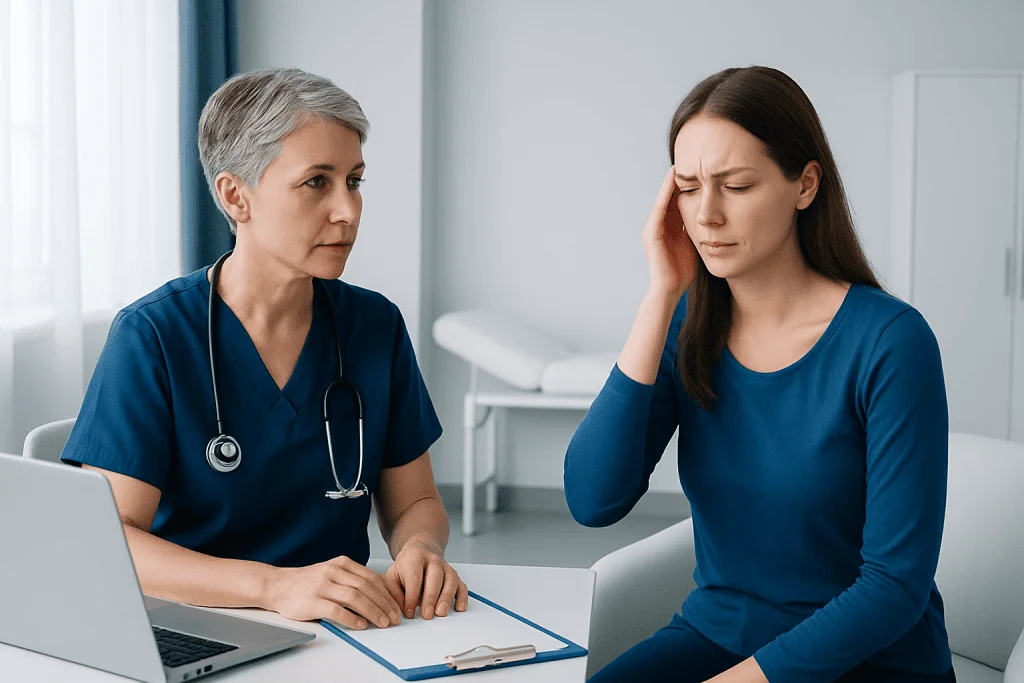
Diagnosis begins with a careful history. A doctor will ask what the symptoms looked like, how quickly they started, how long they lasted, whether they spread from one symptom to another, and whether there was any weakness, confusion, or loss of consciousness. Previous migraine history and family history are also useful clues.
The main goal is to distinguish migraine aura without headache from other causes of temporary neurological symptoms. Depending on the situation, the doctor may consider conditions such as epilepsy, transient ischemic attack, retinal problems, or other neurological disorders. A physical and neurological examination is usually part of the assessment.
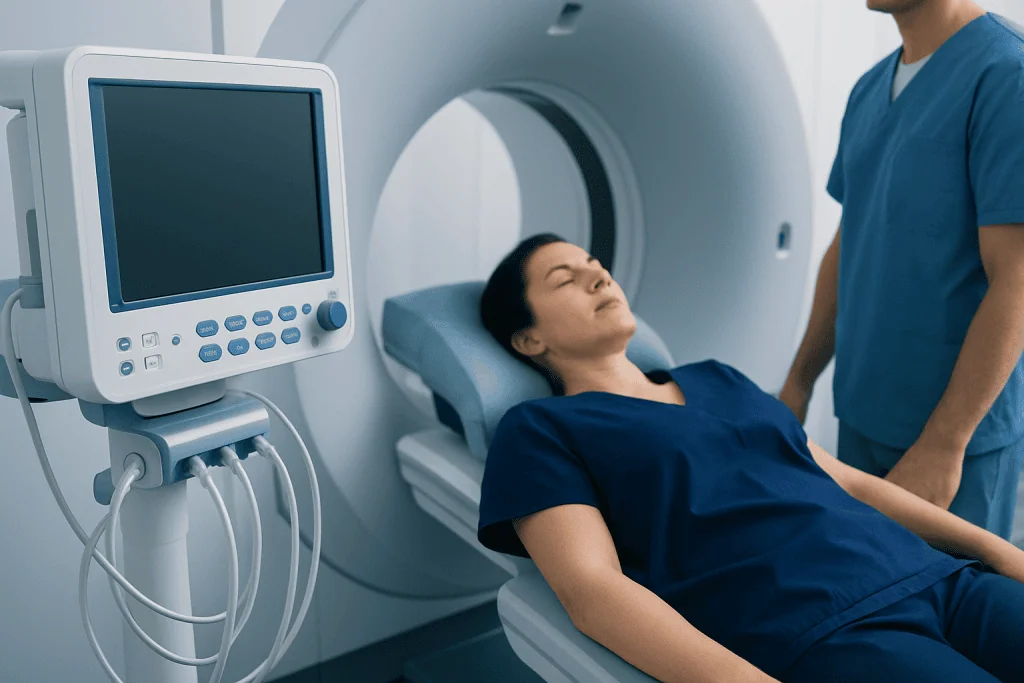
Some people do not need extensive testing if the pattern is classic and stable. However, imaging or other tests may be recommended if the aura is new, occurs for the first time after midlife, lasts longer than expected, happens with weakness, or does not follow a typical pattern. In these situations, doctors may use MRI scanning or other tests to rule out structural or vascular causes.
If visual symptoms are limited to one eye or there is concern about an eye condition, an eye examination may also be needed. The most important point is that diagnosis should be made by a qualified clinician rather than by self-diagnosis, especially early on.
Treatment Options
Treatment depends on how often aura occurs, how disruptive it is, and whether there are any warning signs for another condition. If episodes are infrequent and the diagnosis is clear, treatment may focus mainly on education, trigger management, and reassurance. Many auras resolve on their own without needing urgent intervention.
When episodes are frequent or interfere with daily life, a doctor may suggest migraine-directed treatment. This can include preventive strategies and, in some cases, prescription medicines chosen according to the person’s health history and symptom pattern. If headaches do occur at other times, the broader approach to migraine may also be relevant.
During an episode, it can help to rest in a calm, dim environment and avoid driving until vision and concentration are fully normal again. If the diagnosis is uncertain or symptoms are changing, prompt medical review is more important than self-treatment.
Care is individualized. In specialized centers, assessment may involve neurologists, headache specialists, and imaging experts. Where appropriate, doctors may use neurological rehabilitation strategies for patients whose symptoms overlap with other neurological issues or who need support returning to usual activities after repeated episodes.
Prevention and Self-care
One of the most practical ways to reduce episodes is to identify and manage triggers. A symptom diary can include the time of day, foods, sleep quality, stress level, menstrual cycle timing, hydration, and screen exposure before symptoms begin. Over time, this can reveal useful patterns.
Healthy routine habits often help. Regular meals, enough fluids, consistent sleep, and stress reduction may lower the likelihood of aura in some people. Gentle exercise, relaxation techniques, and limiting long periods of visual strain can also be useful, especially for those who notice symptoms after fatigue or screen use.
People who smoke or have vascular risk factors should discuss risk reduction with their doctor. Although migraine aura is not the same as stroke, it is sensible to support overall brain and heart health through routine medical care, blood pressure control, and management of cholesterol or diabetes when present.
Near the end of the care journey, some people benefit from a specialist review if episodes continue despite lifestyle changes. Acibadem International’s multidisciplinary specialists and JCI-accredited hospitals evaluate and treat migraine-related conditions for international patients when further assessment is needed.
When to See a Doctor
Medical advice is recommended for any first episode of migraine aura without headache, especially if there has never been a migraine diagnosis before. A doctor should also review symptoms that are becoming more frequent, lasting longer than usual, or changing in pattern.
Urgent assessment is important if symptoms start suddenly rather than gradually, involve one-sided weakness, severe confusion, fainting, new trouble walking, or loss of vision in one eye. These features are not typical of standard migraine aura and may suggest a more serious cause that needs immediate evaluation.
People should also seek care if aura lasts more than an hour, occurs after a head injury, or happens alongside chest pain, severe shortness of breath, or a sudden severe headache. In some cases, emergency doctors may use CT scanning or other tests to quickly rule out urgent conditions.
It is always reasonable to ask for specialist advice if there is uncertainty. A clear diagnosis can reduce worry, guide treatment, and help a person know which symptoms are expected and which require immediate care.
Frequently asked questions
Is migraine aura without headache dangerous?
It is often a benign form of migraine, but it should not be assumed harmless without proper assessment. New, unusual, or prolonged symptoms can mimic stroke, transient ischemic attack, seizure, or eye disease, so a doctor should evaluate them.
How long does migraine aura without headache last?
Aura symptoms usually last between 5 and 60 minutes. In many people, they begin gradually, spread over several minutes, and then fully resolve.
Can aura happen without ever getting a migraine headache?
Yes. Some people have aura with no headache at all, even if they have never had classic migraine pain. Others may have had headaches earlier in life and later begin having aura alone.
What does visual aura look like?
Visual aura may appear as flashing lights, shimmering edges, zigzag lines, sparkling spots, or a blind area in the field of vision. These changes are usually temporary and often move or expand gradually before disappearing.
How is migraine aura without headache different from a stroke?
Migraine aura often develops gradually and may spread from one symptom to another over several minutes. Stroke symptoms are more likely to be sudden, but because the difference is not always obvious, urgent medical evaluation is important for first-time or concerning symptoms.
Can stress or lack of sleep trigger silent migraine?
Yes. Stress, poor sleep, dehydration, missed meals, hormonal changes, and sensory triggers such as bright lights can contribute in some people. A symptom diary can help identify individual patterns.
References
- World Health Organization
- American Migraine Foundation
- National Institute of Neurological Disorders and Stroke
- National Health Service
- International Headache Society
This article is for general information only and is not a substitute for professional medical advice. Please consult a qualified doctor about your individual situation.
Migraine in Turkey — costs, top hospitals & a free quote
JCI-accredited · board-certified surgeons · reply within 24h
Add us as a Preferred Source to see more of our trusted health content across Google Search, AI Overviews and Discover.
Check your numbers in seconds
BMI, calories, due date, blood pressure and 30+ more clinical calculators — free, instant, doctor-reviewed ranges.

More from the Health Library



Related Specialists

Prof. Dr. Andaç Salman
Dermatology
Assoc. Prof. Dr. Ceren Yıldız Eren
Gynecology & Obstetrics
Dr. Ertuğrul Tekçe
Radiation Oncology
Prof. Dr. Bora Peynircioğlu
Interventional Radiology