Minimally Invasive Orthopedic Surgery: When Is It an Option?

Minimally invasive orthopedic surgery uses smaller incisions and specialized instruments to treat selected musculoskeletal conditions. It may reduce soft tissue disruption, pain, blood loss, and recovery time in appropriate cases.
Key Takeaways
- Minimally invasive orthopedic surgery uses smaller incisions and specialized instruments to treat selected musculoskeletal conditions.
- It may reduce soft tissue disruption, pain, blood loss, and recovery time in appropriate cases.
- Not all orthopedic problems can or should be treated with a minimally invasive approach.
- The best surgical method depends on the condition, imaging findings, anatomy, health status, and treatment goals.
- A full orthopedic evaluation helps determine whether minimally invasive surgery is suitable.
Minimally invasive orthopedic surgery can be a good option for some bone, joint, and soft tissue problems, but it is not the best choice for every patient or every condition. The decision depends on the diagnosis, the joint involved, the extent of damage, overall health, and the surgeon’s assessment of which approach offers the safest and most effective result.
Overview: What Minimally Invasive Orthopedic Surgery Means
Minimally invasive orthopedic surgery refers to procedures performed through smaller incisions than traditional open surgery. Surgeons use specialized cameras, fine instruments, and imaging guidance to diagnose or treat problems affecting bones, joints, cartilage, tendons, ligaments, and sometimes the spine. The goal is to reach the area that needs treatment while limiting disruption to surrounding muscles and other soft tissues.
This approach is common in procedures such as arthroscopy, some joint replacements, fracture fixation, tendon repairs, and selected spine operations. For example, a surgeon may use a small camera to look inside a joint and repair damaged tissue, or may place implants through carefully planned smaller incisions. In many cases, minimally invasive techniques can support quicker movement and rehabilitation.
However, “minimally invasive” does not automatically mean “minor” surgery. These operations still require careful planning, anesthesia or sedation in many cases, and a structured recovery period. The main question is not whether the incision is smaller, but whether the approach can safely and effectively treat the problem with durable results.
When It May Be an Option
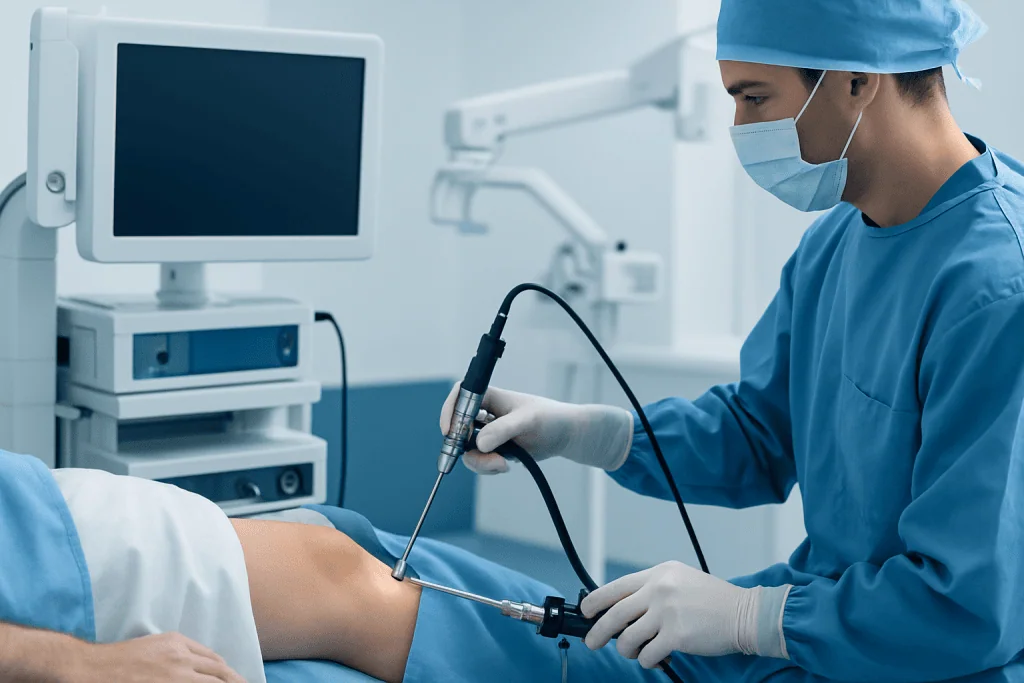
Minimally invasive orthopedic surgery may be considered when the condition is clearly defined, the affected area can be reached safely with smaller instruments, and the expected outcome is equal to or better than open surgery. Common examples include meniscus tears, ligament injuries, cartilage damage, shoulder impingement, certain rotator cuff problems, some hand and foot conditions, and selected joint replacements such as hip or knee surgery. Some procedures are performed using knee replacement techniques designed to reduce tissue trauma, while others may involve hip replacement through smaller incisions in suitable patients.
It may also be used for selected sports injuries and overuse conditions that have not improved with rest, physiotherapy, medication, bracing, or injections. Arthroscopic procedures are especially common in the knee, shoulder, ankle, hip, wrist, and elbow. In the spine, some patients with disc-related nerve compression or instability may be candidates for spine surgery using less invasive methods, depending on anatomy and the exact diagnosis.
Good candidates are often those with a localized problem rather than widespread damage. Imaging tests, symptoms, joint function, age, activity level, bone quality, body structure, and previous surgeries all play a role. Even when a minimally invasive approach is possible, the surgeon may still recommend open surgery if it is more likely to provide a complete repair or a safer operation.
Potential Benefits and Important Limitations
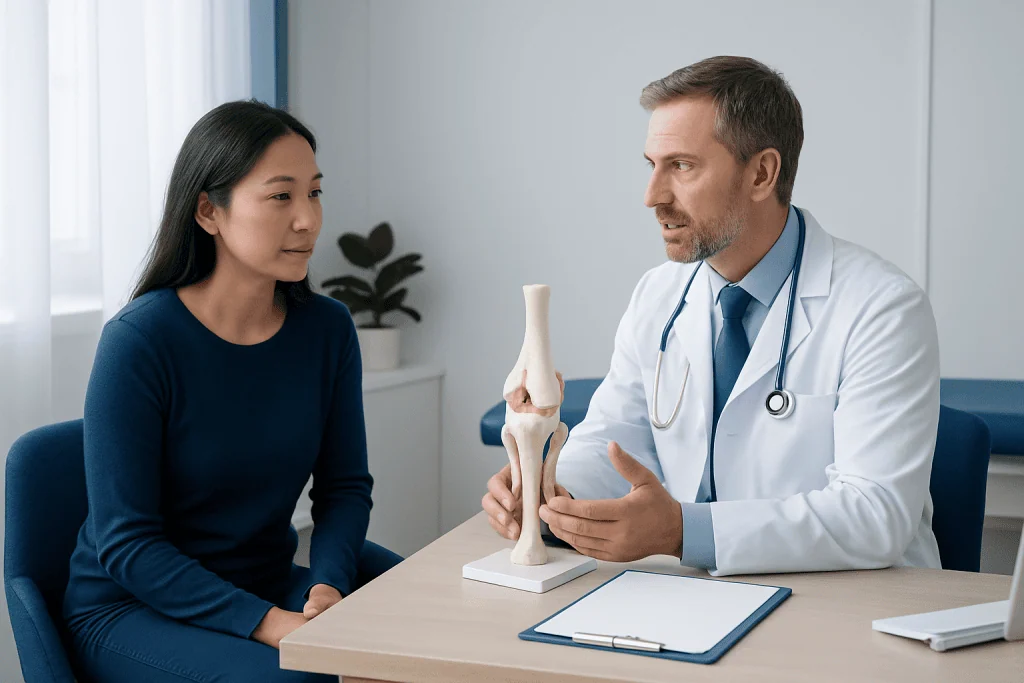
For the right patient, minimally invasive orthopedic surgery may offer several advantages. Smaller incisions can mean less injury to skin and soft tissues, which may lead to less postoperative pain, less scarring, shorter hospital stay, and earlier return to some daily activities. In some procedures, blood loss may also be lower, and rehabilitation may begin sooner.
At the same time, these benefits are not guaranteed. Recovery depends on what is repaired inside the joint or bone, not only on the incision size. For example, repairing a tendon or reconstructing a ligament still requires healing time even if the operation is done through small cuts. A person may feel better externally while the deeper tissues are still recovering.
There are also limits to what smaller-incision surgery can achieve. Severe joint deformity, advanced arthritis, complex fractures, extensive scar tissue, major instability, infection, or revision surgery after a previous procedure may require an open approach. In some cases, a surgery planned as minimally invasive may need to be converted to open surgery during the operation if visibility, safety, or repair quality becomes a concern.
- Possible benefits: smaller scars, less soft tissue damage, earlier mobilization, shorter hospitalization in some cases
- Possible limitations: not suitable for every condition, technical complexity, similar recovery timelines for deeper tissue healing
- Possible risks: infection, bleeding, blood clots, nerve or vessel injury, stiffness, ongoing pain, need for further treatment
Conditions Commonly Treated This Way
One of the best-known minimally invasive orthopedic techniques is arthroscopy. During arthroscopic surgery, a small camera is inserted into a joint so the surgeon can see the internal structures on a screen. This method is often used for meniscus tears, ligament injuries, loose bodies, cartilage problems, shoulder labral injuries, and some forms of tendon irritation or damage. Arthroscopy can be useful for both diagnosis and treatment in the same session.
Joint replacement can also sometimes be performed with tissue-sparing techniques. These approaches may be considered in selected people needing hip or knee replacement, especially when joint damage is significant but anatomy still allows safe implant placement through smaller openings. The goal is not simply cosmetic; it is to balance implant accuracy, muscle protection, and recovery planning.
Other examples include fracture fixation through small incisions, selected tendon or ligament repairs, and some surgeries for carpal tunnel syndrome or foot and ankle conditions. Certain patients with disc herniation or nerve compression related to herniated disc disease may also benefit from less invasive spine techniques. The exact options vary widely, so treatment should be individualized rather than based on a general preference for “smaller surgery.”
How Doctors Decide if It Is Right for a Patient
The decision starts with a careful orthopedic assessment. The doctor asks about symptoms, when they began, what movements make them worse, prior injuries, and which treatments have already been tried. A physical examination helps assess pain location, swelling, range of motion, strength, stability, walking pattern, and signs of nerve involvement.
Imaging is often central to planning. X-rays show bone alignment, arthritis, and fractures, while MRI can reveal cartilage, ligaments, tendons, and other soft tissues. CT scans may be helpful for complex bone anatomy, and ultrasound may be used for some tendon or soft tissue problems. These tests help determine whether the problem is focal and accessible enough for a minimally invasive approach.
Doctors also review broader health factors such as age, weight, smoking status, diabetes, osteoporosis, circulation, medications, and previous operations. A patient’s goals matter too. Some people want pain relief for daily activities, while others hope to return to sports or physically demanding work. The recommended procedure should match both the medical findings and the individual’s expected level of function.
Treatment, Recovery, and Rehabilitation
If surgery is recommended, preparation may include blood tests, imaging review, medication adjustments, and planning for anesthesia and postoperative support. The surgeon explains the intended technique, expected recovery, possible alternatives, and situations in which a larger incision may become necessary. This discussion helps patients make an informed choice and set realistic expectations.
Recovery after minimally invasive orthopedic surgery varies by body part and by what was repaired or replaced. Some patients go home the same day, while others need a short hospital stay. Early movement is often encouraged, but weight-bearing, sports, driving, and work activities may still need to be restricted for a period. Pain control, wound care, swelling management, and prevention of stiffness are important in the early phase.
Rehabilitation is a major part of treatment success. Physiotherapy may help restore movement, strength, balance, and confidence in the affected limb or joint. Following the exercise plan matters just as much as the operation itself in many cases. Near the end of the treatment journey, patients seeking care abroad may wish to know that Acibadem International’s multidisciplinary specialists and JCI-accredited hospitals diagnose and treat orthopedic conditions for international patients, including procedures such as orthopedic rehabilitation after surgery when appropriate.
Questions to Ask and When to Seek Medical Advice
Anyone considering surgery may benefit from asking a few practical questions. These include: What exactly is the diagnosis? Why is surgery being recommended now? Is a minimally invasive approach appropriate in this case? What are the benefits, risks, and alternatives? How long will recovery take, and what kind of rehabilitation will be needed? Clear answers can help patients feel informed and prepared.
Medical advice should be sought when joint or limb pain persists, function is declining, or symptoms interfere with sleep, work, walking, sports, or basic daily activities. Urgent evaluation is important after major injury, sudden deformity, inability to bear weight, loss of joint motion, numbness, weakness, fever with joint pain, or signs of infection around a previous surgical site.
In general, minimally invasive orthopedic surgery is best understood as one possible tool rather than a universal solution. The safest and most effective operation is the one that treats the condition completely and appropriately. A qualified orthopedic specialist can explain whether a less invasive method is realistic and whether it aligns with the patient’s diagnosis, anatomy, and long-term goals.
Frequently asked questions
Is minimally invasive orthopedic surgery always better than open surgery?
Not necessarily. A smaller incision can reduce soft tissue disruption, but the best approach depends on the condition, the joint involved, and the quality of repair or implant placement needed. In some cases, open surgery provides safer access or better long-term results.
What types of orthopedic problems are commonly treated with minimally invasive techniques?
Common examples include some meniscus and ligament injuries, shoulder problems, selected tendon repairs, certain fractures, and some hip, knee, and spine procedures. Arthroscopic surgery is especially common for joint conditions. Eligibility varies from one patient to another.
Will recovery always be faster after minimally invasive surgery?
Recovery may be easier in the early period for some patients, especially when less muscle and soft tissue are disturbed. However, healing still depends on what was repaired inside the body. Tendons, ligaments, cartilage, and bone all need time to heal, even when the incisions are small.
Can a planned minimally invasive operation change during surgery?
Yes. If the surgeon cannot safely see or treat the problem through the planned small incisions, the procedure may need to be converted to an open approach. This is done to protect the patient and achieve the best possible surgical result.
How do doctors decide whether someone is a good candidate?
They consider the diagnosis, symptom severity, imaging findings, anatomy, age, activity level, and overall health. Previous surgeries, bone quality, obesity, infection risk, and the extent of damage also matter. The decision is individualized rather than based on one factor alone.
Does minimally invasive surgery leave no scar?
It usually leaves smaller scars, but not no scars. Scar appearance depends on the procedure, the number of incisions, skin type, healing, and postoperative care. Most scars fade over time, though they do not disappear completely.
References
- American Academy of Orthopaedic Surgeons
- National Institute for Health and Care Excellence
- OrthoInfo
- MedlinePlus
- World Health Organization
This article is for general information only and is not a substitute for professional medical advice. Please consult a qualified doctor about your individual situation.
Minimally Invasive in Turkey — costs, top hospitals & a free quote
JCI-accredited · board-certified surgeons · reply within 24h
Add us as a Preferred Source to see more of our trusted health content across Google Search, AI Overviews and Discover.

Robotic Surgery
Robot-assisted procedures across urology, gynecology and general surgery for greater precision and faster recovery.