Myasthenia Gravis Crisis: Emergency Warning Signs and When to Seek Urgent Care

Myasthenia gravis crisis is an emergency because it can weaken the muscles used for breathing and swallowing. Shortness of breath, trouble clearing secretions, choking, and rapidly worsening weakness need urgent evaluation.
Key Takeaways
- Myasthenia gravis crisis is an emergency because it can weaken the muscles used for breathing and swallowing.
- Shortness of breath, trouble clearing secretions, choking, and rapidly worsening weakness need urgent evaluation.
- Common triggers include infections, surgery, stress, missed medicines, and certain medications.
- Hospital treatment may include breathing support, close monitoring, and therapies such as IVIG or plasma exchange.
- People with myasthenia gravis should have an emergency plan and know which symptoms require immediate medical attention.
Myasthenia gravis crisis is a serious complication in which muscle weakness becomes severe enough to affect breathing, swallowing, or airway protection. Recognizing early warning signs and seeking urgent medical care quickly can be lifesaving.
Overview
Myasthenia gravis crisis, often called myasthenic crisis, is a severe worsening of myasthenia gravis that affects the muscles responsible for breathing, swallowing, or protecting the airway. Myasthenia gravis itself is an autoimmune neuromuscular condition that causes fluctuating muscle weakness. In a crisis, that weakness becomes dangerous enough to require emergency medical assessment and often hospital treatment.
The most urgent concern is respiratory failure, which means the breathing muscles are too weak to work effectively. Some people notice worsening swallowing problems first, such as choking on saliva, coughing with drinks, or being unable to clear mucus. These symptoms can quickly lead to complications, including aspiration, low oxygen levels, and exhaustion from the effort of breathing.
A crisis can happen in someone already diagnosed with myasthenia gravis, but sometimes it is the event that leads to the diagnosis. Prompt recognition matters because early treatment can stabilize breathing and reduce the risk of serious complications. Families and caregivers should also know the warning signs, since a person in crisis may struggle to speak or explain what is happening.
Emergency Warning Signs and Symptoms
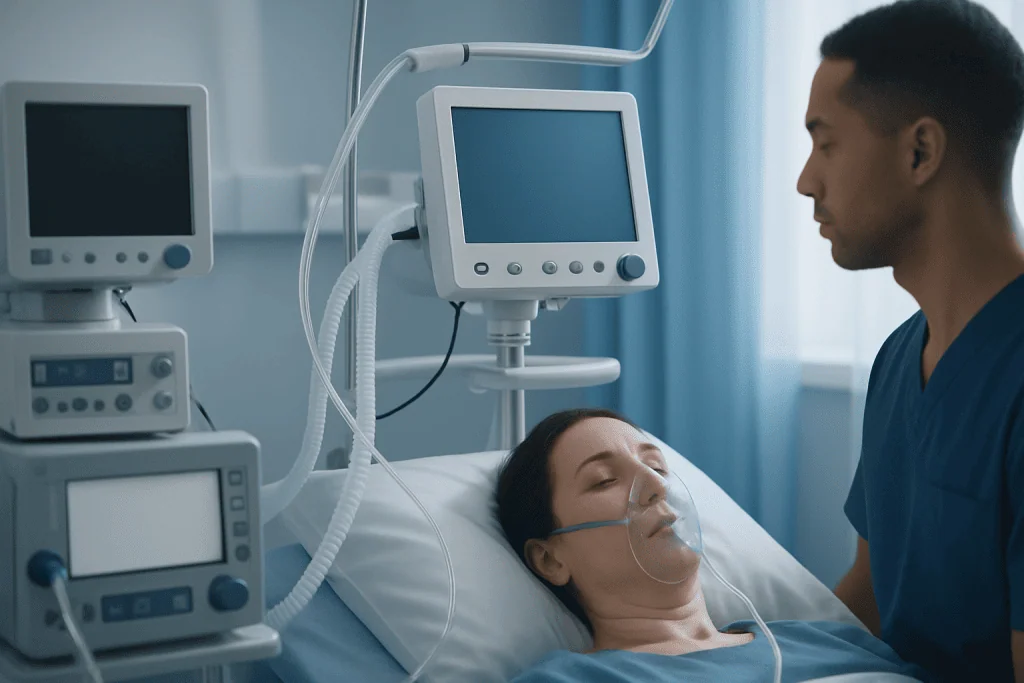
The hallmark of myasthenia gravis crisis is worsening weakness involving the chest, throat, or facial muscles. Breathing may become shallow, fast, or labored. A person may not be able to take a full breath, lie flat comfortably, count out loud without pausing, or finish a sentence because of breathlessness.
Swallowing and airway symptoms are also especially important. These can include choking when eating or drinking, coughing after swallowing, trouble handling saliva, a weak cough, a wet or gurgly voice, or a feeling that mucus cannot be cleared. The voice may become faint or nasal, and the head or neck may feel too weak to hold up comfortably.
Other signs often accompany these symptoms, such as marked fatigue, drooping eyelids, double vision, facial weakness, or weakness in the arms and legs that worsens through the day. However, eye symptoms alone are not usually what makes a crisis dangerous; the urgent issue is whether breathing and swallowing muscles are becoming too weak.
- Call emergency services or go to urgent medical care right away for shortness of breath, bluish lips, confusion, inability to swallow, repeated choking, or rapidly worsening weakness.
- Seek urgent evaluation if there is new trouble speaking clearly, a weak cough, difficulty clearing saliva, or increasing fatigue with breathing.
- Do not wait for symptoms to “pass” if breathing or swallowing is involved.
Causes and Risk Factors

Myasthenia gravis crisis is often triggered by stress on the body. Infections are among the most common triggers, especially respiratory infections such as flu, pneumonia, or other illnesses that increase mucus and make breathing harder. Fever, dehydration, poor sleep, and significant emotional or physical stress may also contribute.
Surgery, anesthesia, and the recovery period after an operation can increase the risk in some people with myasthenia gravis. Pregnancy, the postpartum period, and other major health changes may also affect symptom control. In people whose disease is newly diagnosed or not yet well managed, the risk of severe worsening may be higher.
Certain medications can worsen myasthenia gravis or interfere with nerve-muscle communication. This does not mean every medicine is unsafe, but all new prescriptions, over-the-counter drugs, and supplements should be reviewed with a qualified clinician who understands myasthenia gravis. Missing regular treatments or stopping medicines suddenly can also contribute to worsening.
Some people have associated conditions such as a thymus abnormality or thymoma, which may be part of the overall evaluation and treatment plan. If surgery such as thymectomy is recommended for selected patients, it is usually part of long-term disease management rather than emergency crisis treatment itself.
How Doctors Diagnose a Crisis
Doctors diagnose myasthenia gravis crisis based on symptoms, physical examination, and careful monitoring of breathing and swallowing function. In an emergency setting, the first priority is not simply confirming the diagnosis but assessing whether the airway is safe and whether the person can breathe effectively without assistance.
The medical team may check oxygen levels, blood gases, breathing strength, and signs of respiratory fatigue. They will also evaluate speech, cough strength, ability to handle secretions, and swallowing safety. Because oxygen levels can remain normal until weakness becomes advanced, the overall clinical picture is very important.
Tests may be used to look for triggers or complications, such as infection, aspiration, or other lung problems. For people not yet diagnosed with myasthenia gravis, neurologists may arrange blood tests for antibodies, electrodiagnostic testing, and imaging when appropriate. General evaluation and follow-up may include tools such as electromyography to support the diagnosis of myasthenia gravis outside the immediate emergency phase.
Treatment Options in the Hospital
Treatment for myasthenia gravis crisis focuses first on protecting breathing and the airway. Some people need close monitoring in a high-dependency or intensive care setting. If breathing becomes too weak, temporary ventilatory support may be necessary until the muscles recover enough to work on their own again.
Doctors also treat the underlying flare and any trigger that contributed to it. This may include treating an infection, adjusting regular myasthenia gravis medicines, and avoiding medications that can worsen weakness. In many cases, specialist therapies are used to reduce the effects of harmful antibodies more quickly.
Common crisis treatments include intravenous immunoglobulin and plasma exchange, also called plasmapheresis. Plasma exchange removes antibodies from the blood and can be an important option for severe weakness; in some centers this may be offered as plasmapheresis as part of comprehensive neurology care. Corticosteroids or other immune treatments may also be used, depending on the person’s medical history and specialist guidance.
Recovery time varies. Some people improve within days, while others need a longer hospital stay and rehabilitation. During recovery, nutrition, chest physiotherapy, swallowing safety, and gradual return to activity are all important parts of care.
Prevention and Self-care
Not every crisis can be prevented, but good long-term management can lower risk. People with myasthenia gravis should take prescribed medicines exactly as directed, attend regular neurology follow-up, and discuss any change in symptoms early rather than waiting until weakness becomes severe. A clear treatment plan can help identify what is normal fluctuation and what may signal a dangerous flare.
Reducing known triggers is also helpful. This includes staying up to date with recommended vaccinations when appropriate, seeking prompt care for infections, maintaining good hydration, pacing physical activity, and getting enough rest. Before surgery, dental procedures, or new prescriptions, it is wise to tell all healthcare professionals about the diagnosis.
An emergency plan is especially important. Many patients find it helpful to carry a medical information card listing their diagnosis, usual medicines, known triggers, and the contact details of their neurologist. Family members should know the signs of respiratory or swallowing weakness and when to call emergency services.
- Keep a list of medications that may worsen myasthenia gravis and review it with a doctor or pharmacist.
- Monitor for increasing breathlessness, choking, weak cough, or difficulty speaking.
- Seek help early during infections or sudden symptom changes.
- Do not stop prescribed treatment without medical advice.
When to Seek Urgent Care
Urgent medical care is needed whenever myasthenia gravis symptoms affect breathing, swallowing, or airway protection. A person should not try to drive themselves if they are short of breath, severely weak, or choking. Emergency services are the safest option if symptoms are rapidly worsening or if there is any sign of respiratory distress.
Warning signs that should never be ignored include struggling to breathe, inability to lie flat because of breathlessness, chest movement that seems weak, a very soft or fading voice, repeated choking, inability to swallow saliva, or severe fatigue from the effort of breathing. Confusion, blue lips, or drowsiness are late and especially serious warning signs.
Even milder but clearly worsening symptoms deserve same-day medical advice, especially during an infection or after a medication change. Quick evaluation can help prevent progression to a full crisis. If specialist assessment is needed, centers such as Acibadem International provide multidisciplinary care for international patients through JCI-accredited hospitals with experience in neuromuscular conditions.
Frequently asked questions
What is the difference between myasthenia gravis and myasthenic crisis?
Myasthenia gravis is a chronic autoimmune condition that causes muscle weakness that often fluctuates. Myasthenic crisis is a severe worsening of that weakness that affects breathing or swallowing and needs emergency medical care.
Can myasthenia gravis crisis happen suddenly?
Yes, it can develop over hours or days, especially if there is an infection, stress on the body, or a medication-related trigger. Sometimes symptoms build gradually, but they can still become dangerous quickly once breathing or swallowing muscles are involved.
What are the earliest warning signs to watch for?
Early warning signs may include increasing shortness of breath, trouble speaking clearly for long, a weak cough, choking with food or drinks, or difficulty clearing saliva or mucus. Any clear change in breathing or swallowing in a person with myasthenia gravis should be taken seriously.
Should a person with myasthenia gravis go to the emergency room for trouble swallowing?
Yes, especially if swallowing problems are new, worsening, or causing choking, coughing, or inability to handle saliva. Trouble swallowing can signal that the airway is not being protected well and may be part of an evolving crisis.
How is myasthenia gravis crisis treated?
Treatment usually takes place in the hospital and focuses on breathing support, close monitoring, and treating the underlying flare or trigger. Therapies may include intravenous immunoglobulin, plasma exchange, and adjustments to long-term myasthenia gravis treatment.
Can a person recover fully after a myasthenic crisis?
Many people do recover well with timely treatment, but recovery time can vary. Some improve quickly, while others need longer hospital care, rehabilitation, and careful adjustment of their long-term treatment plan.
This article is for general information only and is not a substitute for professional medical advice. Please consult a qualified doctor about your individual situation.
Myasthenia Gravis in Turkey — costs, top hospitals & a free quote
JCI-accredited · board-certified surgeons · reply within 24h
Add us as a Preferred Source to see more of our trusted health content across Google Search, AI Overviews and Discover.

More from the Health Library

Is DMD a Neuromuscular Disease? Understanding Duchenne Muscular Dystrophy

Neurological vs Neuromuscular Disorders: What Is the Difference?

Peripheral Nerve Disorders: Symptoms That Should Not Be Ignored

Neuromuscular Diseases: How Doctors Find the Cause of Progressive Weakness

Peripheral Neuropathy in Diabetes: Early Signs and When to Seek Testing