

Myomectomy vs Hysterectomy: Which Fibroid Surgery Is Right for You?

Myomectomy removes fibroids while preserving the uterus, so it may be preferred by patients who want future pregnancy or want to keep their uterus. Hysterectomy removes the uterus and is the only definitive surgical treatment that prevents fibroids from coming back.
Key Takeaways
- Myomectomy removes fibroids while preserving the uterus, so it may be preferred by patients who want future pregnancy or want to keep their uterus.
- Hysterectomy removes the uterus and is the only definitive surgical treatment that prevents fibroids from coming back.
- The best option depends on symptom severity, fibroid number and size, age, fertility goals, and overall health.
- Both procedures can be performed in different ways, including open, laparoscopic, or robotic approaches in selected cases.
- A gynecologist can help weigh benefits, risks, recovery time, and long-term expectations for each surgery.
Myomectomy and hysterectomy are two common surgical options for uterine fibroids, but they serve different goals. The right choice depends on factors such as symptoms, fibroid size and location, future pregnancy plans, and personal preferences about keeping the uterus.
Overview: Understanding the Difference
Uterine fibroids are noncancerous growths that develop in or around the uterus. They are common and may cause heavy menstrual bleeding, pelvic pressure, pain, frequent urination, constipation, or difficulty becoming pregnant. Some fibroids do not cause symptoms at all and may only be found during a routine pelvic exam or imaging test.
When symptoms are significant or fibroids affect fertility, surgery may be considered. The two most discussed operations are myomectomy and hysterectomy. In simple terms, a myomectomy removes the fibroids and leaves the uterus in place, while a hysterectomy removes the uterus itself. Because these procedures have different long-term effects, the choice is highly personal as well as medical.
For many patients, the decision centers on future pregnancy plans, symptom control, and whether they want to keep the uterus. Myomectomy may relieve symptoms and preserve fertility potential, but fibroids can return. Hysterectomy offers permanent treatment for uterine fibroids because the uterus is removed, but pregnancy is no longer possible afterward.
When Fibroid Surgery May Be Considered

Not every fibroid needs surgery. Many people manage fibroids with watchful waiting, medications, or less invasive procedures depending on their symptoms, age, and general health. Surgery is usually considered when fibroids cause ongoing problems that interfere with daily life or do not improve with other treatments.
A doctor may discuss surgery if a patient has very heavy periods, iron deficiency anemia from blood loss, chronic pelvic pain or pressure, rapid increase in abdominal size, bladder or bowel symptoms caused by fibroid pressure, or fertility-related concerns. In some cases, the location of the fibroid matters as much as its size, especially if it distorts the uterine cavity.
Before deciding on an operation, the gynecologist usually reviews several factors:
- How severe the symptoms are
- The number, size, and location of the fibroids
- Whether the patient wants future pregnancy
- Age and stage of life, including approaching menopause
- Past surgeries and other medical conditions
- Personal feelings about keeping or removing the uterus
Myomectomy: Benefits, Limits, and Who It May Suit
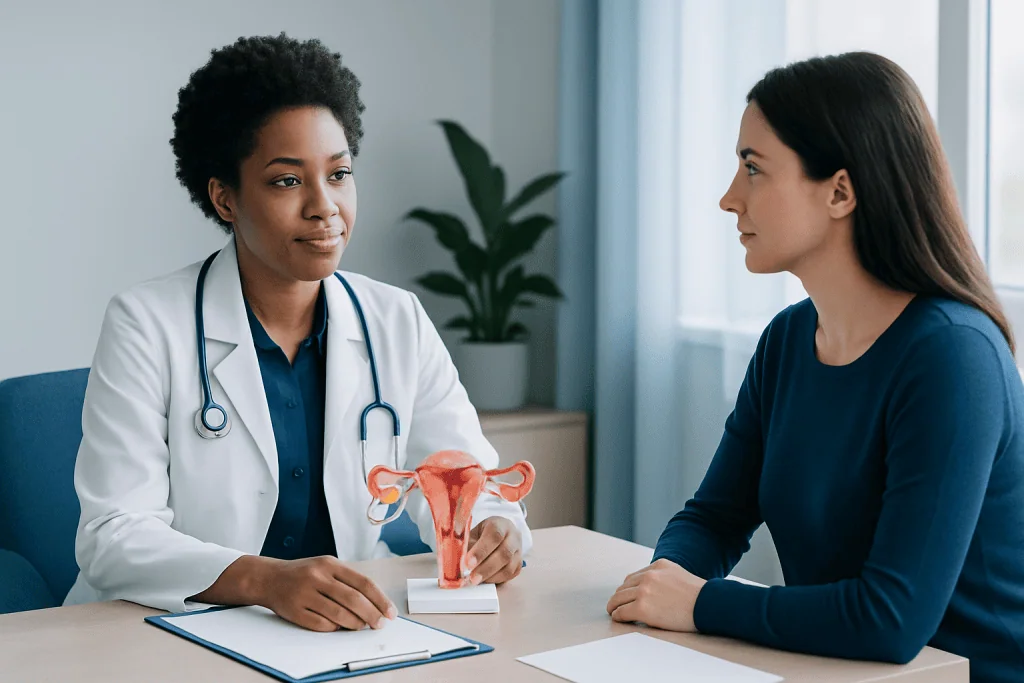
Myomectomy is surgery to remove fibroids while keeping the uterus. It is often considered for patients who want to preserve fertility or who prefer uterine-sparing treatment. Depending on the type and location of the fibroids, myomectomy may improve heavy bleeding, pelvic pressure, and certain fertility-related problems. It may be performed through different techniques, including hysteroscopic, laparoscopic, robotic, or open abdominal surgery.
The biggest advantage of myomectomy is that the uterus remains in place. This can be especially important for someone planning pregnancy in the future or for someone who prefers not to have a hysterectomy. For carefully selected patients, minimally invasive approaches may reduce hospital stay, postoperative pain, and recovery time. Patients discussing myomectomy surgery with their doctor often ask how fibroid type influences the surgical approach.
Myomectomy also has limitations. Fibroids can grow back, and new fibroids can develop over time because the uterus remains. The operation may involve bleeding, scar tissue formation, and in some cases a later recommendation for cesarean birth in pregnancy, depending on how deeply the uterine wall was repaired. A patient’s doctor will explain that symptom relief is often very good, but myomectomy is not always permanent.
Hysterectomy: Benefits, Limits, and Who It May Suit
Hysterectomy removes the uterus and is the only definitive surgical treatment for fibroids. Because the uterus is removed, fibroids cannot return. This may make hysterectomy a suitable option for patients with severe symptoms, multiple or very large fibroids, repeated fibroid recurrence after prior treatment, or no desire for future pregnancy.
One of the main benefits of hysterectomy is long-term certainty. It usually resolves bleeding related to fibroids and removes the source of uterine pressure symptoms. For some patients, especially those who are finished with childbearing and want to avoid the possibility of future fibroid surgery, this can provide peace of mind. Depending on the case, hysterectomy may be performed through vaginal, laparoscopic, robotic, or open abdominal methods.
However, hysterectomy is a major life decision. Pregnancy is no longer possible afterward, and menstrual periods stop because the uterus has been removed. Recovery varies by surgical approach, and some patients need more time to return to regular activities than they would after a minimally invasive myomectomy. If the ovaries are not removed, the body may continue to produce hormones; if the ovaries are removed for another medical reason, menopause-related effects may need separate discussion.
How Doctors Decide Which Surgery Is Right
There is no single best surgery for everyone with fibroids. The right option depends on the patient’s goals and the details of the fibroids themselves. A small number of fibroids in accessible locations may be well suited to myomectomy, while a uterus enlarged by many fibroids may make hysterectomy more practical and definitive. In some situations, the surgical plan can only be finalized after detailed imaging and physical examination.
Fertility goals are often the most important factor. If future pregnancy is desired, myomectomy is usually the procedure considered first when surgery is appropriate. If pregnancy is not desired and the patient wants permanent treatment with no risk of fibroid recurrence, hysterectomy may be the clearer choice. The decision can also be influenced by prior surgeries, anemia, recovery priorities, and how strongly symptoms affect work, sleep, and quality of life.
Doctors may also discuss alternatives to surgery in selected patients. These can include medication, hormonal treatment, or procedures designed to shrink fibroids or reduce bleeding. For example, some patients may be candidates for uterine fibroid embolization, while others need surgery because of fibroid size, location, or reproductive goals. A diagnosis of uterine fibroids does not automatically mean that hysterectomy is necessary.
Diagnosis and Pre-Surgical Evaluation
Choosing between myomectomy and hysterectomy starts with a careful diagnosis. The doctor will usually ask about menstrual bleeding, pelvic symptoms, pressure on the bladder or bowel, pain, and pregnancy plans. A pelvic exam may suggest fibroids, but imaging is usually needed to understand their number, size, and location.
Ultrasound is often the first imaging test used because it is widely available and helpful for confirming fibroids. In more complex cases, magnetic resonance imaging may be recommended to map fibroids in greater detail and support surgical planning. Blood tests may also be ordered to check for anemia if bleeding has been heavy.
The pre-surgical discussion should cover expected benefits, possible risks, type of incision or minimally invasive approach, impact on fertility, and typical recovery. For some patients, treatment of anemia or temporary medication to reduce bleeding before surgery may be helpful. A second opinion can also be useful when the patient is uncertain, especially if both uterine-sparing and definitive options are reasonable.
Recovery, Risks, and Long-Term Expectations
Recovery differs from person to person and depends greatly on whether surgery is performed through a minimally invasive technique or an open abdominal incision. In general, smaller incisions may allow faster return to walking, work, and normal routines, while open surgery often requires a longer healing period. A surgeon will advise when it is safe to lift, exercise, drive, and resume sexual activity.
Both myomectomy and hysterectomy carry general surgical risks such as bleeding, infection, injury to nearby organs, blood clots, or reactions related to anesthesia. Myomectomy may involve a risk of fibroid recurrence and, in some cases, scar tissue that can affect fertility or pelvic comfort. Hysterectomy removes the possibility of recurrence, but it is irreversible and ends the ability to carry a pregnancy.
Long-term expectations should be discussed clearly. After myomectomy, periods usually continue, and symptom improvement can be substantial, though follow-up may be needed if fibroids return. After hysterectomy, menstrual bleeding stops completely because the uterus is gone. Near the end of the treatment journey, some international patients choose centers such as Acibadem International, where multidisciplinary specialists in JCI-accredited hospitals evaluate and treat fibroid-related conditions using individualized surgical planning.
Questions to Ask the Surgeon and When to Seek Medical Advice
Patients often feel more confident when they prepare questions before the appointment. Helpful topics include whether surgery is truly needed now, which procedure best fits fertility goals, which surgical approach is recommended, how much bleeding or pain relief to expect, and what the likely recovery timeline will be. It is also reasonable to ask about the chance of needing blood transfusion, the possibility of converting from minimally invasive to open surgery, and whether future pregnancy would require special monitoring.
Medical advice should be sought promptly if fibroid symptoms become more disruptive, bleeding becomes very heavy, fainting or severe fatigue suggests anemia, or pelvic pain is persistent. Urgent assessment is important for sudden severe pain, very heavy bleeding, fever after surgery, or symptoms such as chest pain or shortness of breath during recovery.
In many cases, there is time to compare options carefully. A thoughtful conversation with a gynecologist can help match the treatment to the patient’s priorities rather than choosing based on fear or pressure. The most appropriate decision is the one that balances symptom relief, safety, and long-term goals.
Frequently asked questions
Is myomectomy better than hysterectomy for fibroids?
Neither surgery is universally better. Myomectomy may be better for someone who wants to keep the uterus or hopes to become pregnant, while hysterectomy may be better for someone seeking a permanent solution without fibroid recurrence. The best choice depends on symptoms, fibroid characteristics, and personal goals.
Can fibroids come back after myomectomy?
Yes. Myomectomy removes existing fibroids but does not prevent new fibroids from developing later because the uterus remains in place. The chance of recurrence varies, so follow-up with a gynecologist is important.
Can a person get pregnant after myomectomy?
Many people can become pregnant after myomectomy, and preserving fertility is one reason this surgery is often chosen. However, fertility depends on many factors, including age, other reproductive conditions, and the size and location of the fibroids. A doctor can explain the individual outlook and any pregnancy-related precautions.
Does hysterectomy always remove the ovaries too?
No. A hysterectomy removes the uterus, but the ovaries may or may not be removed depending on the medical situation and the treatment plan. If the ovaries are left in place, the body may continue producing hormones until natural menopause.
Which surgery has a shorter recovery time?
Recovery depends more on the surgical approach than on the procedure name alone. Minimally invasive operations often have shorter recovery than open abdominal surgery. The surgeon can give a more accurate estimate based on the planned technique and the complexity of the case.
Are there alternatives to myomectomy or hysterectomy?
Yes, in selected patients there may be alternatives such as medications, hormonal treatment, or procedures that reduce blood flow to fibroids. These options are not right for everyone, especially if fertility is a priority or fibroids are very large. A specialist can explain which treatments are appropriate for the individual case.
References
- World Health Organization
- American College of Obstetricians and Gynecologists
- National Institute for Health and Care Excellence
- U.S. National Library of Medicine
- Royal College of Obstetricians and Gynaecologists
This article is for general information only and is not a substitute for professional medical advice. Please consult a qualified doctor about your individual situation.
Hysterectomy in Turkey — costs, top hospitals & a free quote
JCI-accredited · board-certified surgeons · reply within 24h
Add us as a Preferred Source to see more of our trusted health content across Google Search, AI Overviews and Discover.

Gynecology & Obstetrics
Women’s health across pregnancy, gynecologic surgery and high-risk pregnancy care.
187 specialists in this unitMore from the Health Library



Related Specialists

Prof. Dr. Refik Erdim
Cardiology
Prof. Dr. Ahmet Onur Odabaşı
Ear Nose & Throat
Dr. Semra Kavas
Infectious Diseases & Clinical Microbiology
Özge Bölükbaşı
Physical Medicine & Rehabilitation