Nasal Polyps: Why They Come Back and How Treatment Is Planned

Nasal polyps are linked to chronic inflammation, not simply a structural problem. They can come back after treatment if the underlying causes are not well controlled.
Key Takeaways
- Nasal polyps are linked to chronic inflammation, not simply a structural problem.
- They can come back after treatment if the underlying causes are not well controlled.
- Doctors usually combine symptom review, nasal examination, and imaging to plan treatment.
- Treatment often starts with medication and may include surgery when symptoms remain significant.
- Long-term follow-up and daily self-care can lower the risk of recurrence.
Nasal polyps are soft, noncancerous growths inside the nose or sinuses that develop when the lining stays inflamed over time. Because the underlying inflammation may continue even after treatment, care is usually planned as a long-term strategy rather than a one-time fix.
Overview: What Nasal Polyps Are and Why Recurrence Matters
Nasal polyps are soft, painless growths that form from the lining of the nose or the paranasal sinuses. They are not tumors and are usually benign. Small polyps may cause few symptoms, while larger or multiple polyps can block airflow, affect sinus drainage, and reduce the sense of smell.
These growths are closely related to long-lasting inflammation. For that reason, many specialists view nasal polyps as part of a chronic inflammatory condition rather than as an isolated mass that simply needs to be removed. This is one of the main reasons they may return after initial improvement.
Recurrence does not always mean that treatment has failed. In many people, it reflects the ongoing nature of inflammation in the nose and sinuses. A good treatment plan therefore aims to shrink existing polyps, improve breathing and smell, reduce infection risk, and keep inflammation controlled over time.
Symptoms of Nasal Polyps
Nasal polyps often develop slowly, so symptoms can build up gradually. The most common complaint is nasal blockage or congestion that does not fully clear. Some people also notice a constant runny nose, postnasal drip, facial pressure, or a reduced sense of smell and taste.
Because the sinuses may not drain well, recurrent sinus infections can occur. Headache, disturbed sleep, snoring, and mouth breathing may follow, especially when both sides of the nose are affected. Not every person has pain, and many people describe the problem more as persistent obstruction than severe discomfort.
Common symptoms include:
- Blocked or stuffy nose
- Reduced or lost sense of smell
- Reduced sense of taste
- Runny nose or mucus drainage
- Postnasal drip
- Facial pressure or heaviness
- Frequent sinus infections
- Snoring or poor sleep quality
These symptoms can overlap with allergies, chronic rhinosinusitis, and other nasal conditions. That is why persistent symptoms deserve medical assessment rather than repeated self-treatment alone.
Why Nasal Polyps Come Back

The main reason nasal polyps recur is that the inflammation that caused them may still be active. Even when medication shrinks the polyps or surgery removes them, the lining of the nose and sinuses can remain prone to swelling and polyp regrowth. This is especially true in chronic rhinosinusitis with nasal polyps, a long-term inflammatory disease.
Several factors can make recurrence more likely. These include allergies, asthma, aspirin-exacerbated respiratory disease, chronic sinus inflammation, and sensitivity to environmental irritants. Some people also have an inflammatory pattern that strongly affects the nasal lining, making polyps more persistent or more likely to return.
Structural issues alone do not usually explain recurrence, although they can contribute to poor sinus drainage. Doctors may also consider whether associated conditions such as chronic sinusitis or lower airway disease are part of the same inflammatory picture. In practice, treatment works best when it targets both the polyps and the conditions driving them.
Recurrence is therefore not simply a surgical issue. It is usually a sign that long-term control of inflammation is needed, often with ongoing medication, trigger management, and regular follow-up.
How Doctors Diagnose and Assess Severity
Diagnosis begins with a careful history. A doctor will ask about nasal blockage, smell loss, recurrent infections, allergy symptoms, asthma, medication sensitivity, and how long symptoms have been present. The pattern of symptoms often helps distinguish nasal polyps from short-term infections or simple congestion.
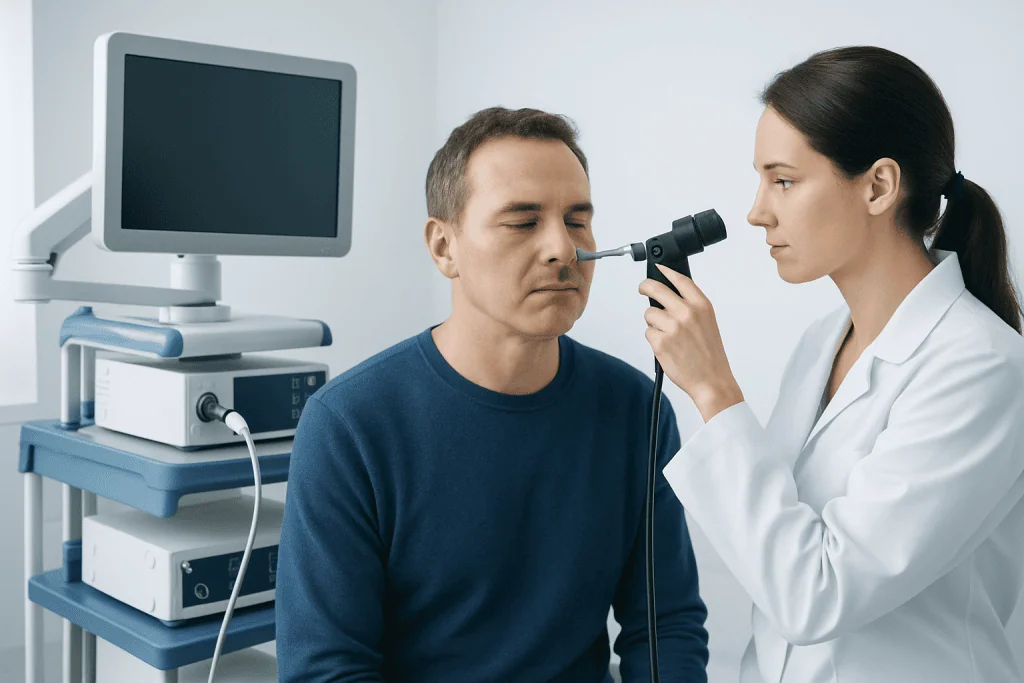
An examination of the nasal passages is important. Specialists commonly use nasal endoscopy, which involves a thin camera to look inside the nose and sinuses in more detail. This helps show the size and location of polyps and whether there are signs of infection, severe swelling, or other causes of obstruction.
Imaging, usually with a CT scan of the sinuses, may be used when symptoms are significant, surgery is being considered, or the diagnosis needs clarification. Imaging can show how much of the sinus system is affected and whether drainage pathways are blocked. In some situations, allergy testing or assessment for asthma may also be helpful.
Good treatment planning depends on severity, not just the presence of polyps. Doctors consider symptom burden, impact on sleep and smell, frequency of infections, prior treatment response, and whether coexisting diseases are contributing to inflammation.
How Treatment Is Planned
Treatment planning for nasal polyps is usually stepwise and individualized. The first question is how much the symptoms affect daily life. A person with mild symptoms and small polyps may do well with medical therapy and monitoring, while someone with major blockage, repeated infections, or major smell loss may need a more intensive plan.
In most cases, treatment begins with medicines that reduce inflammation. Nasal corticosteroid sprays or drops are often the foundation of care because they help shrink polyps and improve airflow over time. Some patients may also need saline rinses to clear mucus and support nasal hygiene.
When symptoms are more severe, doctors may use a short course of oral corticosteroids to reduce swelling more quickly. If infection is suspected, treatment may address that as well. In selected patients with difficult-to-control disease, biologic therapies may be considered, particularly when nasal polyps are linked with asthma or a strong inflammatory pattern.
Surgery is considered when medications do not provide enough relief or when polyps repeatedly cause major blockage. The goal of endoscopic sinus surgery is not only to remove polyps but also to open sinus pathways and improve delivery of ongoing medical treatment. Many patients also benefit from ENT evaluation and follow-up to monitor healing and adjust long-term care.
Medical and Surgical Treatment Options
Medical therapy remains central even if surgery is performed. Daily anti-inflammatory treatment helps lower the risk of regrowth and supports symptom control. Nasal steroid sprays, irrigations, and regular saline rinses are commonly used for long-term management because they work directly on the inflamed lining.
Short-term oral steroids may temporarily improve smell and reduce blockage, but they are not usually a long-term solution because repeated use can lead to side effects. If allergies are present, managing them may reduce irritation in the nose. When asthma coexists, coordinated treatment of the upper and lower airways may improve overall control.
If symptoms persist despite appropriate medication, surgery may help restore ventilation and drainage. Modern sinus surgery is typically minimally invasive and performed through the nostrils without external cuts. In suitable patients, doctors may also discuss other approaches to improve nasal airflow and sinus access, depending on the overall anatomy and disease pattern.
Even after surgery, follow-up matters. Doctors often reassess symptoms, repeat nasal endoscopy when needed, and continue anti-inflammatory treatment. This long-term approach is what helps convert a cycle of recurrence into a more stable, manageable condition.
Prevention, Self-care, and Long-Term Control
Although nasal polyps cannot always be prevented, recurrence risk may be lowered by controlling inflammation consistently. This means using prescribed nasal treatment as directed even when symptoms improve. Stopping treatment too early can allow swelling to build up again gradually.
Saline rinses can help clear mucus, reduce irritants, and support the normal function of the nasal lining. Avoiding tobacco smoke and limiting exposure to known triggers, such as allergens or workplace irritants, may also help. Good hydration and indoor humidity control can support comfort, though these measures do not replace medical care.
People with asthma, allergies, or aspirin sensitivity often do best when those conditions are managed alongside their nasal disease. In some cases, doctors coordinate care across specialties because the nose, sinuses, and lungs can be part of the same inflammatory process. This is one reason treatment may involve both local nasal therapy and broader disease management.
For international patients who need specialist assessment, Acibadem International’s multidisciplinary teams at JCI-accredited hospitals diagnose and treat nasal polyps with medical and surgical options tailored to the individual. Ongoing follow-up remains a key part of maintaining results and reducing recurrence.
When to See a Doctor
A medical review is appropriate when nasal blockage, smell loss, or sinus symptoms last for more than a few weeks or keep returning. Professional assessment is also important if over-the-counter measures are not helping, if infections are frequent, or if symptoms are affecting sleep, concentration, or quality of life.
Urgent evaluation is needed if there is swelling around the eyes, severe facial pain, high fever, double vision, or a sudden worsening of symptoms. These features are not typical of uncomplicated nasal polyps and may point to another problem that needs prompt care.
People who have asthma, medication sensitivity, or repeated sinus problems should mention this during evaluation because it can change treatment planning. Early specialist input can be especially helpful when symptoms recur after earlier therapy or after prior surgery.
Frequently asked questions
Are nasal polyps dangerous?
Nasal polyps are usually benign and are not considered cancer. Their main effect is to block airflow and sinus drainage, which can cause congestion, smell loss, and repeated infections. A doctor should still assess persistent symptoms to confirm the diagnosis.
Why do nasal polyps come back after surgery?
Surgery removes existing polyps, but it does not always eliminate the inflammation that caused them. If the underlying inflammatory condition remains active, the lining can swell again and new polyps may form. This is why long-term medical treatment is often recommended after surgery.
Can nasal polyps go away without treatment?
Small polyps may cause few symptoms, but established nasal polyps often do not fully resolve on their own. Medical treatment is commonly needed to reduce inflammation and improve breathing. A doctor can decide whether watchful follow-up or active treatment is the better option.
Is loss of smell from nasal polyps reversible?
In many cases, smell can improve when swelling and blockage are reduced. Improvement may happen with nasal steroid treatment, oral medication in selected cases, or surgery if obstruction is significant. Recovery varies from person to person and may depend on how long symptoms have been present.
Do allergies cause nasal polyps?
Allergies can contribute to chronic nasal inflammation, which may increase the likelihood of polyp formation in some people. However, nasal polyps are not caused by allergies alone in every case. Doctors often look for a combination of factors such as chronic sinus inflammation, asthma, and medication sensitivity.
When is surgery recommended for nasal polyps?
Surgery is usually considered when symptoms remain troublesome despite appropriate medical treatment or when polyps repeatedly block the nose and sinuses. It may also be useful when smell loss is significant or infections are frequent. Even after surgery, ongoing medical therapy is often needed to reduce recurrence.
References
- American Academy of Otolaryngology–Head and Neck Surgery
- European Position Paper on Rhinosinusitis and Nasal Polyps
- National Health Service
- National Institute of Allergy and Infectious Diseases
- Mayo Clinic
This article is for general information only and is not a substitute for professional medical advice. Please consult a qualified doctor about your individual situation.
Explore treatments in Turkey — costs, top hospitals & a free quote
JCI-accredited · board-certified surgeons · reply within 24h
Add us as a Preferred Source to see more of our trusted health content across Google Search, AI Overviews and Discover.