Neuro-Oncology: What It Treats and When Specialist Care Is Needed

Neuro-oncology cares for tumors in the brain, spinal cord, and related nervous system structures. Symptoms can include headaches, seizures, weakness, balance problems, vision changes, or changes in thinking and behavior.
Key Takeaways
- Neuro-oncology cares for tumors in the brain, spinal cord, and related nervous system structures.
- Symptoms can include headaches, seizures, weakness, balance problems, vision changes, or changes in thinking and behavior.
- Diagnosis often combines neurological examination, MRI or CT imaging, and sometimes biopsy or surgery.
- Treatment may involve surgery, radiation therapy, chemotherapy, targeted therapy, rehabilitation, and supportive care.
- Specialist evaluation is especially important for new neurological symptoms, rapidly changing symptoms, or a known tumor diagnosis.
Neuro-oncology is the medical field focused on tumors that affect the brain, spinal cord, and nervous system. Specialist care is important when symptoms suggest a nervous system tumor or when a person needs coordinated treatment, surgery, radiation, rehabilitation, and long-term follow-up.
Overview of Neuro-Oncology
Neuro-oncology is a specialist area of medicine that diagnoses and treats tumors affecting the brain, spinal cord, and nervous system. This includes both cancerous and noncancerous tumors, as well as cancers that begin elsewhere in the body and spread to the brain or spine. Because these conditions can affect movement, sensation, speech, memory, and other essential functions, care usually involves close coordination between multiple specialists.
A neuro-oncology team may include neurologists, neurosurgeons, medical oncologists, radiation oncologists, neuroradiologists, neuropathologists, rehabilitation physicians, and supportive care professionals. Each specialist helps address a different part of care, from identifying the tumor type to preserving quality of life during and after treatment.
Neuro-oncology does not treat one single disease. Instead, it covers a broad group of conditions, such as brain tumors, spinal tumors, meningiomas, gliomas, pituitary tumors, nerve sheath tumors, and brain metastases. Some tumors grow slowly and may be monitored over time, while others require prompt treatment because of their location, growth pattern, or symptoms.
What Conditions Neuro-Oncology Treats
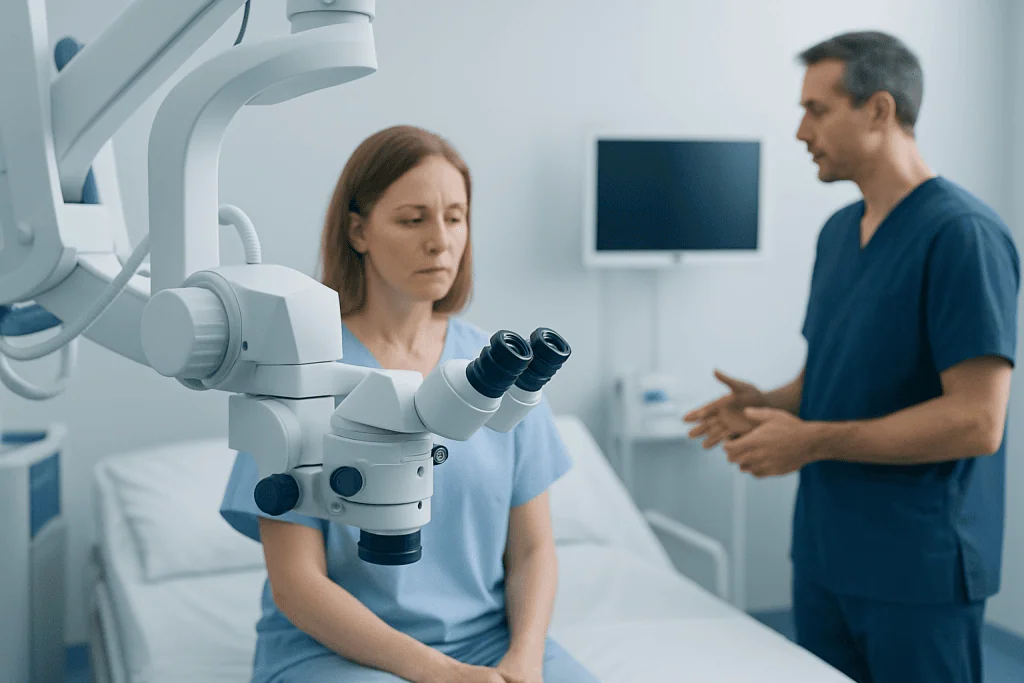
Neuro-oncology commonly treats primary tumors, which start in the brain or spinal cord, and secondary tumors, which spread there from another part of the body. Primary tumors include gliomas, astrocytomas, oligodendrogliomas, ependymomas, meningiomas, and tumors involving the pituitary region. Secondary tumors are often called brain metastases and may come from cancers such as lung, breast, kidney, melanoma, or colorectal cancer.
Not all tumors in neuro-oncology are malignant. Benign tumors can still need specialist care if they press on nearby brain tissue, block fluid pathways, affect hormones, or threaten vision, hearing, balance, or mobility. Even a slow-growing tumor may require treatment if it causes seizures, headaches, or progressive neurological symptoms.
Neuro-oncologists also help manage treatment-related neurological issues. These may include seizures, swelling in the brain, fatigue, nerve problems, memory difficulties, and side effects from surgery, radiation, or medicines. In this way, neuro-oncology is not only about treating the tumor itself but also about protecting brain and nerve function as much as possible.
- Brain tumors
- Spinal cord tumors
- Brain metastases
- Meningiomas and pituitary region tumors
- Nerve sheath and other nervous system tumors
- Neurological symptoms caused by cancer or its treatment
Symptoms That May Need Specialist Attention
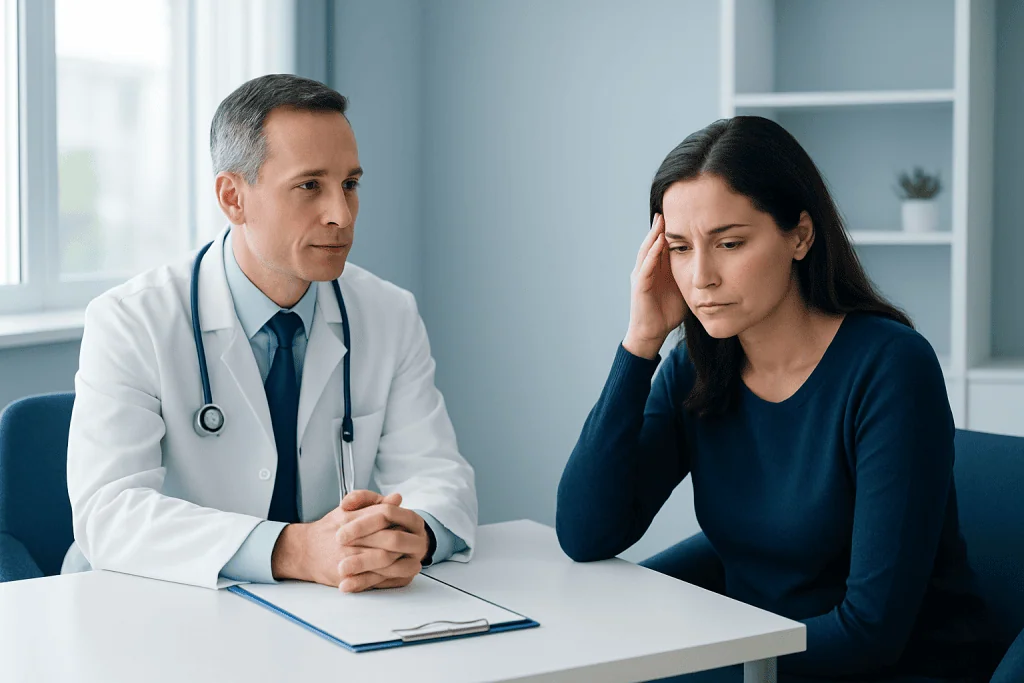
Symptoms vary widely depending on the tumor’s size, location, and growth rate. Some people develop symptoms gradually, while others notice sudden changes. Headaches, especially if they are new, persistent, or associated with nausea or vomiting, may lead a doctor to investigate further, although headaches are common and usually have causes other than a tumor.
Other possible symptoms include seizures, weakness or numbness in an arm or leg, difficulty walking, balance problems, double vision, hearing changes, speech difficulty, and trouble swallowing. Changes in memory, concentration, personality, or behavior may also occur when certain brain regions are affected.
Spinal cord tumors can cause back pain, arm or leg weakness, sensory changes, or problems with bladder or bowel control. Because many of these symptoms can also occur in noncancerous conditions, specialist assessment helps clarify the cause and guide next steps. In general, new neurological symptoms, worsening symptoms, or symptoms that interfere with daily life should be evaluated promptly.
Causes and Risk Factors
For many nervous system tumors, the exact cause is not known. Most are not linked to anything a person did or did not do. In some cases, inherited genetic syndromes can raise risk, and a personal history of cancer elsewhere in the body can increase the possibility of metastatic disease reaching the brain or spine.
Exposure to prior radiation therapy to the head is a recognized risk factor for certain tumors, although this applies to a relatively small number of people. Age can also influence risk, as some tumors are more common in children and others in older adults. The pattern depends on the tumor type.
It is important to know that common daily activities, minor head injuries, stress, or using mobile phones have not been established as clear causes of most brain tumors. A specialist focuses on identifying the tumor accurately rather than assuming a cause. When there is a strong family history or a concern about hereditary risk, genetic counseling may be recommended.
How Neuro-Oncology Diagnoses These Conditions
Diagnosis usually starts with a careful medical history and neurological examination. The doctor asks about symptoms such as headaches, seizures, weakness, sensory changes, and changes in memory or behavior. The neurological exam helps assess strength, reflexes, coordination, vision, speech, and other brain and nerve functions.
Imaging is central to diagnosis. MRI is often the main test because it gives detailed pictures of the brain and spinal cord. CT scans may also be used, especially in urgent situations or when MRI is not suitable. Depending on the case, additional tests may include advanced imaging, blood tests, or spinal fluid analysis.
In many cases, tissue diagnosis is needed to confirm the exact tumor type and grade. This may be done through a biopsy or during neurosurgery to remove part or all of the tumor. The tissue is examined by a neuropathologist, and molecular testing may help guide treatment decisions. A clear diagnosis is important because treatment can differ greatly between tumor types.
Treatment Options in Neuro-Oncology
Treatment depends on the type of tumor, its size and location, whether it is primary or metastatic, how quickly it is growing, and the person’s age, general health, and symptoms. Some tumors are monitored with regular scans if they are small, slow-growing, and not causing significant problems. Others need active treatment soon after diagnosis.
Surgery is often used to obtain a diagnosis, relieve pressure, reduce symptoms, and remove as much tumor as safely possible. Many patients also benefit from radiation oncology to target remaining tumor cells or treat tumors that cannot be fully removed. In some situations, medical oncology treatments such as chemotherapy, targeted therapy, or immunotherapy may be part of the plan.
Supportive treatment is also an important part of care. Medicines may help control seizures, reduce swelling, relieve pain, or ease nausea. Rehabilitation can support strength, mobility, speech, and daily function after treatment. Follow-up care usually includes repeat imaging and ongoing assessment to watch for response, recurrence, and long-term effects.
When care is complex, patients often benefit from a multidisciplinary approach. Near the end of the treatment journey or during long-term follow-up, some people may also need endocrine care, cognitive support, or psychological counseling. Acibadem International’s multidisciplinary specialists and JCI-accredited hospitals diagnose and treat neuro-oncology conditions for international patients when specialist assessment and coordinated treatment are needed.
When Specialist Care Is Needed
Specialist care is recommended when a person has unexplained neurological symptoms, abnormal brain or spine imaging, a known tumor diagnosis, or cancer elsewhere in the body with new nervous system symptoms. It is especially important if symptoms are progressing, seizures are new, or there are signs of increased pressure in the brain, such as severe headache with vomiting or worsening confusion.
People may also need specialist review when they want a second opinion about diagnosis or treatment options. This can be helpful if the tumor is in a delicate area, if surgery may affect speech or movement, or if pathology results are complex. Neuro-oncology teams can explain the likely benefits and limits of each option in a balanced way.
Specialist care is valuable not only at diagnosis but throughout the treatment process. Ongoing follow-up helps monitor treatment response, manage side effects, support rehabilitation, and detect any recurrence or progression early. For some patients, specialist care also includes planning around work, school, travel, fertility, and daily activities.
Living With a Neuro-Oncology Diagnosis
A neuro-oncology diagnosis can affect many parts of daily life, but practical support can make treatment more manageable. Keeping a symptom diary, bringing a family member or friend to appointments, and asking for clear explanations of scan results and treatment goals can help people feel more informed and involved. Many patients also benefit from rehabilitation, counseling, and social support during recovery.
Self-care focuses on safety, symptom monitoring, and overall well-being. Good sleep, balanced nutrition, physical activity as advised by the care team, and taking medicines exactly as prescribed may help support recovery. People with seizures may need specific precautions related to driving, swimming, heights, or operating machinery, based on local medical advice and regulations.
It is also useful to know which symptoms require urgent attention. Worsening weakness, a first seizure, sudden confusion, severe or rapidly escalating headache, loss of consciousness, or new problems with speech or vision should be evaluated urgently. Even after treatment ends, regular follow-up remains important because some tumors can return or cause late effects that need ongoing care.
Frequently asked questions
What is neuro-oncology?
Neuro-oncology is the area of medicine that cares for tumors affecting the brain, spinal cord, and nervous system. It includes diagnosis, treatment planning, symptom management, rehabilitation, and long-term follow-up.
Does neuro-oncology only treat brain cancer?
No. Neuro-oncology treats both cancerous and noncancerous tumors, as well as cancers that spread to the brain or spine from elsewhere in the body. It also helps manage neurological symptoms caused by tumors or cancer treatments.
What symptoms should prompt a neuro-oncology evaluation?
Symptoms such as new seizures, unexplained weakness, balance problems, persistent or unusual headaches, vision changes, speech difficulty, or changes in memory and behavior may need specialist review. These symptoms can have many causes, but prompt evaluation helps identify whether a nervous system tumor is involved.
How are brain and spinal tumors diagnosed?
Doctors usually combine a medical history, neurological examination, and imaging such as MRI or CT scans. In many cases, a biopsy or surgery is needed to confirm the exact tumor type and help guide treatment.
What treatments might a neuro-oncology team recommend?
Treatment may include observation, surgery, radiation therapy, chemotherapy, targeted therapy, immunotherapy, rehabilitation, and supportive medications. The best plan depends on the tumor type, location, symptoms, and the person’s overall health.
When is a second opinion useful in neuro-oncology?
A second opinion can be helpful when the diagnosis is complex, the tumor is in a sensitive area, or there are several possible treatment options. It may also give patients more confidence in understanding the plan and asking informed questions.
References
- World Health Organization
- National Cancer Institute
- American Brain Tumor Association
- National Comprehensive Cancer Network
- European Association of Neuro-Oncology
This article is for general information only and is not a substitute for professional medical advice. Please consult a qualified doctor about your individual situation.
Joint and spine care in Turkey — expert assessment & treatment
JCI-accredited · board-certified surgeons · reply within 24h
Add us as a Preferred Source to see more of our trusted health content across Google Search, AI Overviews and Discover.

Medical Oncology Department
Medical treatment of cancer with chemotherapy, immunotherapy and targeted therapies under a multidisciplinary tumor board.
60 specialists in this unit