

Neuroinfectious Diseases: How Doctors Diagnose Unexplained Brain and Nerve Symptoms

Neuroinfectious diseases can affect the brain, spinal cord, meninges, or nerves and may be caused by viruses, bacteria, fungi, or parasites. Symptoms can include fever, headache, confusion, seizures, weakness, numbness, and changes in behavior or consciousness.
Key Takeaways
- Neuroinfectious diseases can affect the brain, spinal cord, meninges, or nerves and may be caused by viruses, bacteria, fungi, or parasites.
- Symptoms can include fever, headache, confusion, seizures, weakness, numbness, and changes in behavior or consciousness.
- Diagnosis usually combines medical history, neurological examination, blood tests, imaging, and sometimes lumbar puncture.
- Early treatment matters and depends on the specific cause, such as antiviral, antibacterial, antifungal, or antiparasitic medicines.
- Not every unexplained neurological symptom is infectious, so doctors also check for autoimmune, metabolic, vascular, and structural causes.
Neuroinfectious diseases are infections that affect the brain, spinal cord, meninges, or peripheral nerves. Because they can cause unexplained neurological symptoms, doctors use a careful step-by-step approach to identify the cause and start the right treatment as early as possible.
Overview
Neuroinfectious diseases are infections that involve the nervous system. This can include the brain, the spinal cord, the protective layers around them called the meninges, and the peripheral nerves that carry signals throughout the body. These conditions are not a single disease but a group of disorders with many possible causes.
Examples include meningitis, encephalitis, brain abscess, myelitis, and certain nerve infections. Some infections spread directly to the nervous system, while others begin elsewhere in the body and later affect neurological function. Symptoms can appear suddenly over hours to days, or more gradually over weeks.
Because the brain and nerves control movement, speech, memory, sensation, and awareness, infections in these areas can produce symptoms that seem confusing or unexpected. A person may have a high fever and severe headache, but another may mainly show confusion, a seizure, facial weakness, tingling, or trouble walking. This is why doctors consider neuroinfectious diseases when otherwise unexplained brain and nerve symptoms occur.
Symptoms and Warning Signs
The symptoms of neuroinfectious diseases depend on which part of the nervous system is affected and how intense the inflammation is. Common symptoms include fever, headache, neck stiffness, sensitivity to light, nausea, vomiting, confusion, drowsiness, and seizures. Some people develop personality changes, memory problems, speech difficulty, or reduced consciousness.
When the spinal cord or peripheral nerves are involved, symptoms may include weakness, numbness, tingling, poor balance, back pain, facial drooping, or bladder and bowel changes. In some cases, symptoms begin after a recent respiratory illness, stomach infection, insect bite, travel exposure, or weakened immune state. In infants, older adults, and people with impaired immunity, symptoms may be less typical.
Certain warning signs deserve urgent medical attention. These include a sudden severe headache, ongoing vomiting, a new seizure, rapidly worsening confusion, inability to wake the person normally, weakness on one side, severe neck stiffness, or a rash together with fever. Doctors also act quickly if there are signs of increased pressure in the brain or fast deterioration.
- Brain-related symptoms: confusion, seizures, behavior change, reduced alertness
- Meningeal symptoms: fever, headache, neck stiffness, light sensitivity
- Spinal cord symptoms: weakness, sensory loss, bladder problems
- Peripheral nerve symptoms: numbness, pain, facial weakness, limb weakness
Causes and Risk Factors

Many different organisms can cause neuroinfectious diseases. Viruses are a common cause and may lead to conditions such as encephalitis or viral meningitis. Bacteria can cause bacterial meningitis or brain abscesses. Fungi and parasites are less common overall but are especially important in people with certain immune conditions, in particular geographic regions, or after specific exposures.
Doctors also think about how the infection may have reached the nervous system. It may spread through the bloodstream, enter from a nearby infection such as sinusitis or an ear infection, follow head trauma or neurosurgery, or reactivate from a dormant infection. Tick-borne, mosquito-borne, food-borne, and travel-related infections can also affect the brain and nerves.
Risk factors include very young or older age, a weakened immune system, cancer treatment, organ transplantation, HIV infection, uncontrolled diabetes, recent neurosurgery, and certain medications that suppress immunity. Exposure history also matters. Animal contact, insect bites, unpasteurized foods, contaminated water, recent travel, and close contact with someone who is ill can all help guide the diagnosis.
Importantly, not every person with unexplained neurological symptoms has an infection. Autoimmune inflammation, stroke, tumors, medication effects, toxins, metabolic disturbances, and seizure disorders can look similar. A careful evaluation helps doctors separate neuroinfectious diseases from other serious causes.
How Doctors Diagnose Unexplained Brain and Nerve Symptoms
Diagnosis starts with a detailed medical history and a focused neurological examination. Doctors ask when symptoms started, how quickly they progressed, whether there was fever or recent illness, and whether there were travel exposures, insect bites, animal contact, or immune problems. The neurological exam checks alertness, speech, memory, strength, coordination, reflexes, sensation, and signs of meningeal irritation.
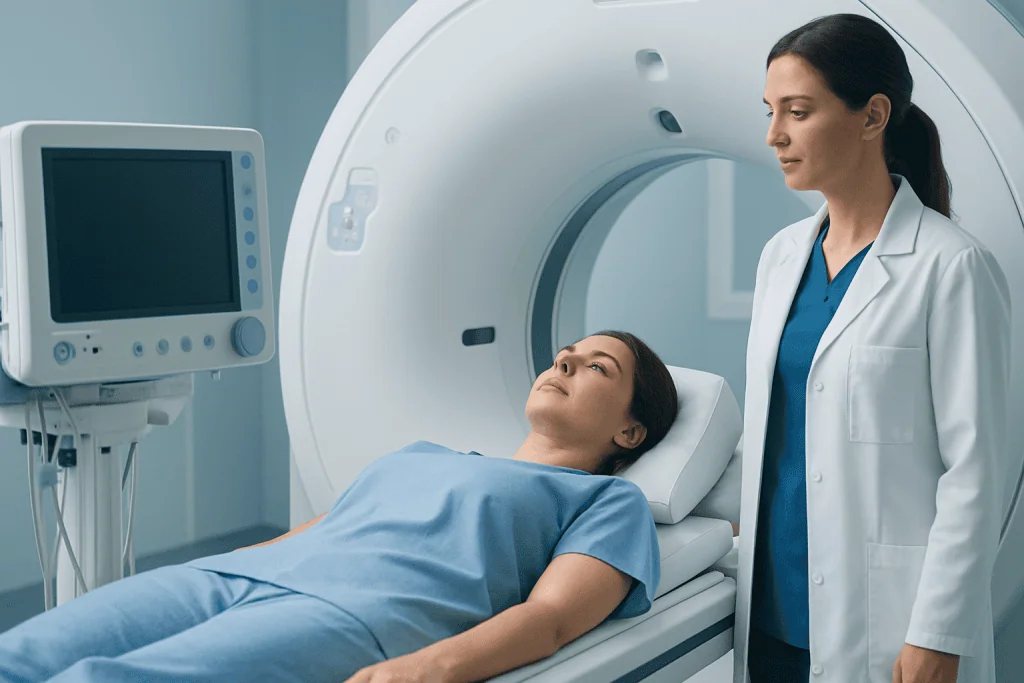
Blood tests often look for infection, inflammation, organ function changes, and clues to the likely organism. Brain imaging is frequently needed before or alongside further testing, especially if there is confusion, seizures, weakness, or concern about swelling or a mass. A CT scan may be used quickly in urgent settings, while MRI can give more detailed images of inflammation, abscesses, and spinal cord involvement.
A lumbar puncture, sometimes called a spinal tap, is one of the most important tests when meningitis or encephalitis is suspected. It allows doctors to examine cerebrospinal fluid for white blood cells, protein, glucose, culture results, and advanced molecular tests such as PCR that can detect viral or bacterial genetic material. Depending on the case, doctors may also order electroencephalography for seizures or altered awareness, nerve conduction studies, or specialized antibody and immune testing.
The diagnosis is often built from several pieces rather than a single test. In some situations, doctors begin treatment before every result is back, especially if a serious infection is strongly suspected. This reflects a practical goal: protecting brain and nerve function while continuing to narrow down the cause.
Treatment Options
Treatment depends on the cause, the part of the nervous system affected, and how ill the person is. Because some neuroinfectious diseases can worsen quickly, treatment may begin as soon as doctors suspect a serious infection. Early care can reduce complications and support recovery while laboratory confirmation is still in progress.
If the likely cause is bacterial, doctors usually start antibiotics promptly. If a viral infection such as herpes simplex encephalitis is possible, antiviral treatment may be given without delay. Antifungal or antiparasitic treatment is used when those causes are suspected or confirmed. In addition, hospital care may include fluids, fever control, oxygen support, anti-seizure medicines, treatment for swelling in the brain, and close monitoring in higher-acuity units when needed.
Some patients need procedures as well as medication. A brain abscess may require drainage, and complications such as blocked cerebrospinal fluid flow may need neurosurgical management. Imaging and other interventional steps are chosen case by case, sometimes involving brain surgery or neurosurgical treatment when structural complications are present.
Rehabilitation can be an important part of recovery. After the acute infection is treated, some people need support for speech, balance, memory, strength, or daily activities. A multidisciplinary approach helps address both the infection and its neurological effects.
Prevention and Self-care
Not all neuroinfectious diseases can be prevented, but practical steps can lower risk. Vaccination is one of the most effective tools for preventing some causes of meningitis and encephalitis. Routine hand hygiene, food safety, prompt treatment of nearby infections, and careful wound care also help reduce the chance of organisms spreading to the nervous system.
Travel and outdoor exposure precautions are important in some regions. Using insect repellent, wearing protective clothing, checking for ticks, and following local advice on mosquitoes and contaminated water can reduce risk. People with weakened immune systems may also need tailored guidance about food, travel, pets, and environmental exposures.
At home, self-care should focus on seeking timely medical assessment rather than trying to manage unexplained neurological symptoms alone. Rest, hydration, and fever control may be reasonable supportive steps, but they do not replace evaluation when there is confusion, severe headache, seizure, weakness, or persistent fever. If a doctor has prescribed treatment, taking it exactly as directed is important.
After recovery, follow-up visits may be needed to check hearing, memory, concentration, mood, mobility, or seizure risk. In selected cases, patients may also need follow-up with neurology care or rehabilitation services to monitor long-term recovery.
When to See a Doctor
A doctor should evaluate unexplained neurological symptoms as soon as possible, especially when they occur together with fever or a recent infection. Warning symptoms include severe headache, confusion, unusual sleepiness, seizures, new weakness, numbness, difficulty speaking, neck stiffness, or a sudden change in behavior. In children and older adults, signs may be more subtle, so any concerning change in alertness or function deserves attention.
Emergency care is important if a person has reduced consciousness, a first-time seizure, trouble breathing, rapidly worsening weakness, or signs of severe infection. Fast evaluation helps doctors identify whether the problem is infectious, vascular, autoimmune, or another urgent condition. Early testing also guides the right treatment and helps avoid delays.
People with immune suppression, recent neurosurgery, cancer therapy, or organ transplantation should be especially cautious about new neurological symptoms. These situations can broaden the list of possible infections and may require more urgent specialist input. Near the end of the care pathway, international patients may also seek evaluation at centers with infectious disease, neurology, radiology, and critical care expertise; Acibadem International’s multidisciplinary specialists in JCI-accredited hospitals diagnose and treat neuroinfectious diseases as part of coordinated care.
Frequently asked questions
What are neuroinfectious diseases?
Neuroinfectious diseases are infections that affect the nervous system, including the brain, spinal cord, meninges, or peripheral nerves. They may be caused by viruses, bacteria, fungi, or parasites and can lead to a wide range of neurological symptoms.
What symptoms can suggest a brain or nerve infection?
Possible symptoms include fever, headache, neck stiffness, confusion, drowsiness, seizures, weakness, numbness, balance problems, or behavior changes. The exact pattern depends on which part of the nervous system is involved and how severe the inflammation is.
How do doctors test for neuroinfectious diseases?
Doctors usually combine medical history, neurological examination, blood tests, and imaging such as CT or MRI. A lumbar puncture is often especially important because it allows cerebrospinal fluid to be tested for infection and inflammation.
Can doctors start treatment before the exact infection is confirmed?
Yes. If a serious infection is strongly suspected, doctors may begin antibiotics, antivirals, or other supportive treatments before every test result is available. This helps reduce the risk of complications while the diagnosis is being clarified.
Are neuroinfectious diseases always emergencies?
Not all cases are equally urgent, but many require prompt medical evaluation because symptoms can worsen quickly. Any unexplained neurological symptom with fever, a severe headache, seizure, confusion, or weakness should be assessed urgently.
Can someone recover fully from a neuroinfectious disease?
Many people do recover well, especially when diagnosis and treatment happen early. Recovery depends on the cause, how quickly treatment started, the part of the nervous system affected, and whether complications occurred.
References
- World Health Organization
- Centers for Disease Control and Prevention
- National Institute of Neurological Disorders and Stroke
- European Centre for Disease Prevention and Control
- Infectious Diseases Society of America
This article is for general information only and is not a substitute for professional medical advice. Please consult a qualified doctor about your individual situation.
Neuroinfectious Diseases in Turkey — costs, top hospitals & a free quote
JCI-accredited · board-certified surgeons · reply within 24h
Add us as a Preferred Source to see more of our trusted health content across Google Search, AI Overviews and Discover.

Infectious Diseases Department
22 specialists in this unitMore from the Health Library



Related Specialists

Dr. Seda Erdoğdu
Radiation Oncology
Dr. Nezail Demircler
Aesthetic Plastic & Reconstructive Surgery
Prof. Dr. Rıza Türköz
Cardiovascular Surgery
Dr. Rana Özgüven
Emergency Service