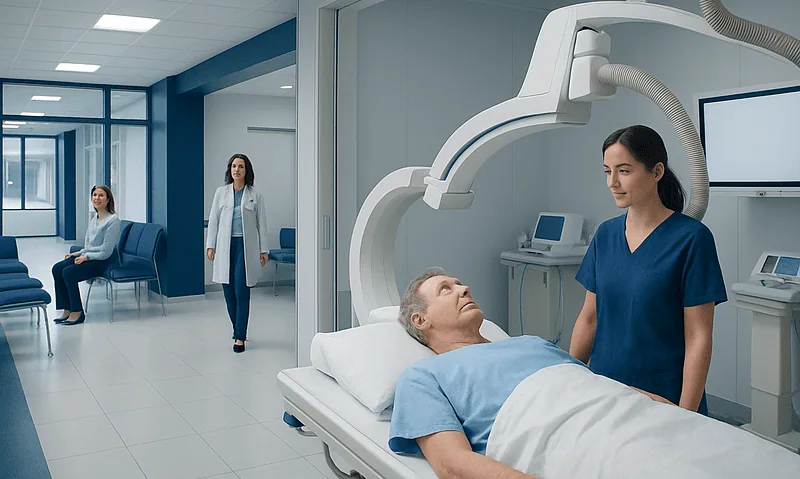
Neurointervention Procedures: What to Expect Before, During, and After

Neurointervention procedures use catheters and imaging guidance to reach blood vessels or targeted areas without open surgery. They may be used for conditions such as stroke, aneurysms, vascular malformations, and some spine-related pain conditions.
Key Takeaways
- Neurointervention procedures use catheters and imaging guidance to reach blood vessels or targeted areas without open surgery.
- They may be used for conditions such as stroke, aneurysms, vascular malformations, and some spine-related pain conditions.
- Preparation often includes imaging tests, blood tests, medication review, and fasting instructions.
- Recovery varies by procedure, but monitoring afterward is important to watch for bleeding, neurological changes, or contrast-related effects.
- Most patients benefit from clear aftercare instructions, follow-up imaging, and ongoing communication with their specialist team.
Neurointervention procedures are minimally invasive, image-guided treatments used to diagnose or treat certain conditions affecting the brain, spine, head, and neck. Knowing what happens before, during, and after the procedure can help patients feel more prepared and confident.
Overview of neurointervention procedures
Neurointervention procedures are minimally invasive treatments performed by specialists using real-time imaging to diagnose or treat conditions of the brain, spinal cord, head, neck, and blood vessels. Instead of making a large surgical opening, the doctor usually guides a thin tube called a catheter through a blood vessel, often starting in the wrist or groin, to reach the treatment area. This approach can reduce tissue disruption and may shorten recovery time for selected patients.
These procedures are commonly part of interventional neuroradiology or interventional neurology care. They can be used in emergencies, such as some forms of stroke, or as planned treatment for conditions like aneurysms, arteriovenous malformations, narrowing of blood vessels, or certain causes of chronic pain related to the spine. Some procedures are done mainly to diagnose a problem, while others are intended to treat it during the same session.
The exact experience depends on the reason for treatment. Some patients receive local anesthesia with sedation, while others need general anesthesia. The care team may include an interventional neuroradiologist, neurologist, neurosurgeon, anesthesiologist, nurses, and imaging specialists, all working together to support safety and the best possible result.
Why these procedures are performed
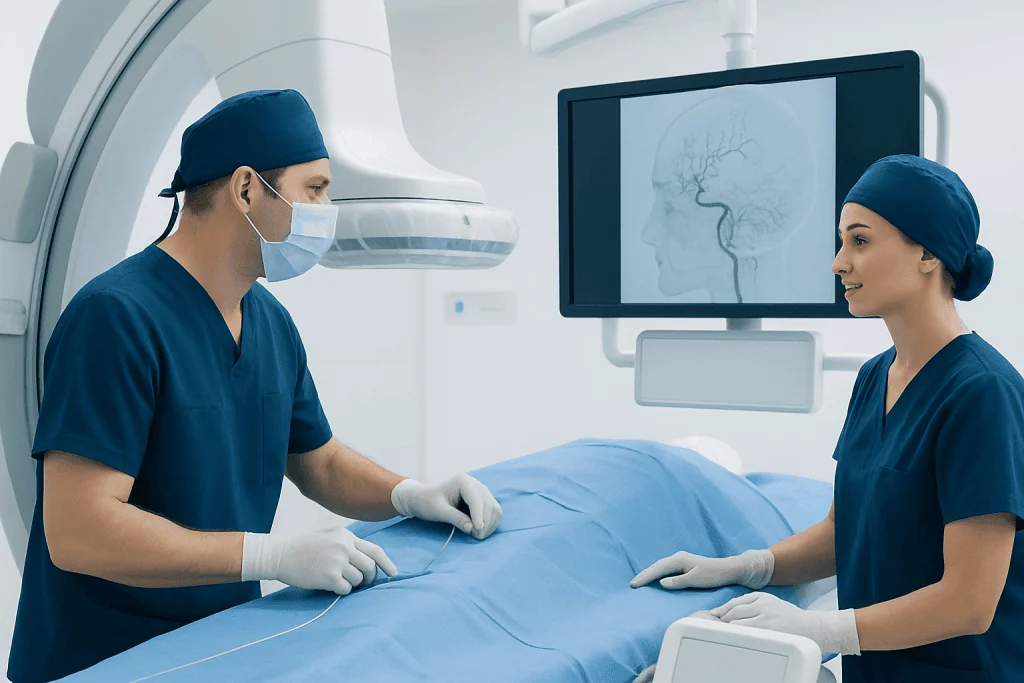
Neurointervention procedures are used when doctors need a precise way to access blood vessels or targeted structures in and around the nervous system. A common example is emergency treatment for ischemic stroke, where a clot may be removed to restore blood flow to the brain. Another example is treating a brain aneurysm by sealing it from inside the blood vessel to reduce the risk of rupture or rebleeding.
They may also be used for vascular malformations, including some arteriovenous malformations and fistulas, or to open narrowed arteries that affect blood flow. In some cases, they help deliver medication directly to a specific area, block abnormal blood vessels, or control bleeding. Doctors may also use imaging-guided spinal procedures for selected causes of pain or fractures.
Because neurointervention is highly specialized, the decision to proceed is based on symptoms, imaging findings, overall health, and treatment goals. For some people, it offers an alternative to open surgery. For others, it may be the most effective emergency option. Conditions sometimes evaluated in this setting include stroke and brain aneurysm.
Before the procedure: evaluation and preparation

Preparation begins with a detailed medical review. The specialist asks about symptoms, past illnesses, allergies, previous procedures, and all medicines being taken, including blood thinners, diabetes medicines, supplements, and herbal products. This step is important because some medications may need to be adjusted before the procedure, while others should be continued as directed.
Patients usually undergo imaging tests such as CT, MRI, ultrasound, or angiography to define the problem clearly and help plan the safest route for treatment. Blood tests may check kidney function, blood counts, and clotting. If contrast dye will be used, the team also considers a history of contrast allergy or reduced kidney function.
Before the day of treatment, patients receive instructions about fasting, arrival time, and whether they need someone to accompany them home. In urgent situations, there may be less time to prepare, but the team still works through key safety checks as quickly as possible. Patients should also ask what type of anesthesia is planned and how long they may need to stay in hospital afterward.
It can be helpful to wear comfortable clothing, leave jewelry at home, and bring a current medication list. Many centers encourage patients to ask questions in advance so they know what to expect and can give informed consent with confidence. Feeling nervous is common, and the care team can explain each step in clear, reassuring terms.
During the procedure: step by step
On arrival, the patient is checked in, vital signs are recorded, and an intravenous line is placed for fluids or medications. The team confirms identity, reviews the planned procedure, and completes safety checks. Depending on the treatment, the patient may receive local anesthesia at the access site, sedation to help them relax, or general anesthesia so they remain fully asleep.
Once in the procedure room, the skin is cleaned and covered with sterile drapes. Using imaging guidance, the specialist places a catheter into a blood vessel, usually through the wrist or groin, and carefully moves it toward the area being treated. Contrast dye may be injected to make blood vessels visible on imaging. Patients who are awake may feel pressure at the access site or a brief warm sensation from the contrast, but they should tell the team about any pain or discomfort.
The treatment itself depends on the condition. For example, the doctor may remove a clot, place coils or flow-diverting devices in an aneurysm, deliver an embolic material to block an abnormal vessel, or perform another targeted therapy. In some situations, related care may overlap with stroke treatment, aneurysm treatment, or embolization.
Procedure times vary widely. Some take less than an hour, while others are more complex and take longer. Throughout the procedure, the team closely monitors blood pressure, heart rate, oxygen levels, and neurological status when appropriate. The goal is precise treatment with continuous attention to safety.
After the procedure: recovery and monitoring
After the procedure, the patient is moved to a recovery area or intensive monitoring unit, depending on the type of treatment. Nurses and doctors observe blood pressure, heart rhythm, the access site, and neurological function. This monitoring is important because some complications, such as bleeding, vessel blockage, or changes in brain function, can appear in the hours after treatment.
If the catheter was placed through the groin, the patient may need to lie flat for a period of time. If the wrist was used, recovery positioning is usually different, but the access site still needs monitoring. Mild bruising or tenderness around the entry site can happen. Some patients also feel tired, groggy, or mildly nauseated after anesthesia or sedation.
The length of stay depends on the condition treated, the complexity of the procedure, and the patient’s general health. Some people go home the same day after smaller procedures, while others stay overnight or longer for observation. Before discharge, the team explains medications, activity restrictions, warning signs, and follow-up appointments or imaging tests.
Good hydration, rest, and careful adherence to aftercare instructions support recovery. Follow-up is especially important after treatment for vascular conditions because doctors may need to confirm that the vessel remains open, the aneurysm stays sealed, or the abnormal connection has been fully treated.
Benefits, risks, and possible side effects
For suitable patients, neurointervention procedures can offer important benefits. They may avoid large incisions, reduce hospital stay, and allow highly targeted treatment in delicate areas. In emergency situations, they can be lifesaving or help preserve brain function by restoring blood flow quickly. In planned cases, they may provide an effective option with less recovery time than traditional surgery.
Even so, all medical procedures carry some risk. Possible complications vary by procedure but may include bleeding at the catheter site, bruising, infection, allergic reaction to contrast dye, kidney strain from contrast, blood vessel injury, clot formation, or stroke-like neurological changes. Risks can also relate to anesthesia. The doctor discusses these possibilities in the context of the patient’s individual condition and health history.
Most side effects are temporary and manageable, such as mild soreness, fatigue, or a small bruise where the catheter entered the body. Patients should report severe headache, new weakness, difficulty speaking, chest pain, heavy bleeding, confusion, or increasing swelling right away. Prompt evaluation helps the team treat problems early if they occur.
It is reasonable for patients to ask why this procedure is recommended, what alternatives exist, how urgent the treatment is, and what outcomes are expected. Understanding both benefits and risks helps patients and families make informed decisions together with their care team.
Self-care, follow-up, and when to seek medical help
At home, recovery usually focuses on rest, hydration, and gradual return to activity as advised by the doctor. Patients should keep the access site clean and dry, take medicines exactly as prescribed, and avoid heavy lifting or strenuous exercise until cleared. Some may need antiplatelet or other medicines after vascular procedures, and it is important not to stop them without medical guidance.
Follow-up visits allow the team to assess healing, review symptoms, and arrange repeat imaging when needed. Recovery also includes management of the underlying condition and risk factors. For example, patients may be advised to control blood pressure, stop smoking, manage cholesterol, treat diabetes, and follow rehabilitation if a neurological event has affected movement, speech, or daily function. Depending on the diagnosis, care may also involve neurosurgery as part of a broader treatment plan.
Patients should seek medical care urgently if they develop sudden weakness, numbness, trouble speaking, vision loss, severe headache, seizure, fainting, shortness of breath, heavy bleeding, or rapidly increasing pain or swelling at the access site. Fever, persistent vomiting, or signs of infection should also be reported promptly. These warning signs do not always mean a serious complication, but they should not be ignored.
For international patients and those seeking coordinated specialty care, Acibadem International’s multidisciplinary specialists and JCI-accredited hospitals diagnose and treat conditions that may require neurointervention procedures, with individualized planning and follow-up support. A qualified doctor can explain whether this approach is appropriate and what recovery may look like in a specific case.
Frequently asked questions
Are neurointervention procedures considered surgery?
They are minimally invasive procedures rather than traditional open surgery. They are usually performed through a small catheter inserted into a blood vessel, guided by imaging. Even so, they are specialized medical treatments and require careful planning, monitoring, and follow-up.
Will the patient be awake during a neurointervention procedure?
It depends on the type of procedure and the patient’s condition. Some procedures are done with local anesthesia and sedation, while others require general anesthesia. The care team explains the plan beforehand whenever possible.
How long does recovery take after neurointervention procedures?
Recovery varies widely based on the reason for treatment and the complexity of the procedure. Some patients recover quickly and go home the same day, while others need hospital monitoring for one or more days. Full recovery can also depend on the underlying neurological condition being treated.
What are the most common side effects afterward?
Common short-term effects can include tiredness, mild bruising, tenderness at the catheter site, or nausea related to sedation or anesthesia. Some patients also notice a brief warm sensation during contrast use or mild soreness afterward. The care team provides instructions on what is expected and what symptoms should prompt urgent review.
Why might doctors choose neurointervention instead of open surgery?
Neurointervention may allow precise treatment through a catheter without a large incision. For selected conditions, this can mean less tissue disruption and a shorter recovery period. However, the best approach depends on the diagnosis, urgency, anatomy, and overall health of the patient.
Do patients need follow-up imaging after treatment?
Many do, especially after treatment of aneurysms, vascular malformations, or narrowed blood vessels. Follow-up imaging helps confirm that the treatment worked as intended and checks for changes over time. The timing and type of imaging depend on the condition and procedure performed.
This article is for general information only and is not a substitute for professional medical advice. Please consult a qualified doctor about your individual situation.
Joint and spine care in Turkey — expert assessment & treatment
JCI-accredited · board-certified surgeons · reply within 24h
Add us as a Preferred Source to see more of our trusted health content across Google Search, AI Overviews and Discover.

Neurosurgery
Surgical treatment of the brain, spine and nervous system, including minimally invasive and functional procedures.
70 specialists in this unitMore from the Health Library

Preparing for Neurointervention: Tests, Medicines, and Questions to Ask

What Is Interventional Neuroradiology? Treatments, Conditions, and How It Works

Brain Aneurysm Symptoms: When Urgent Endovascular Treatment May Be Needed

Neurointerventional Radiology Cost: What Affects the Total Price?

How to Choose a Neurointerventional Radiologist or Hospital