Neurological Disease vs Brain Disorder: When Symptoms May Signal Degeneration

A brain disorder is a broad term that can include structural, functional, psychiatric, vascular, or degenerative conditions affecting the brain. A neurological disease affects the nervous system, including the brain, spinal cord, nerves, and muscles.
Key Takeaways
- A brain disorder is a broad term that can include structural, functional, psychiatric, vascular, or degenerative conditions affecting the brain.
- A neurological disease affects the nervous system, including the brain, spinal cord, nerves, and muscles.
- Not every symptom such as headache, dizziness, or forgetfulness means degeneration, but persistent or progressive changes should be evaluated.
- Warning patterns include worsening movement problems, memory decline, language difficulty, personality change, and loss of independence.
- Diagnosis often involves a neurological exam, brain imaging, blood tests, and sometimes neuropsychological or genetic testing.
- Early evaluation can improve symptom control, clarify the cause, and help patients plan treatment and support.
The terms neurological disease and brain disorder are often used broadly, but they do not always mean the same thing. Understanding the difference can help patients recognize when symptoms may reflect a temporary problem, a functional condition, or an underlying degenerative disease that needs medical attention.
Overview: What Is the Difference?
The phrase neurological disease vs brain disorder can be confusing because the two terms overlap. In everyday language, a brain disorder usually refers to any condition that affects how the brain works. This may include problems related to mood, memory, movement, seizures, blood flow, infection, injury, or structural changes in the brain. A neurological disease is a more specific medical term for a condition affecting the nervous system, which includes the brain, spinal cord, and peripheral nerves.
Some brain disorders are neurological diseases, but not all brain disorders are degenerative. For example, migraines, traumatic brain injury, epilepsy, depression, stroke, and dementia can all affect the brain, yet they have different causes and patterns. Neurodegenerative diseases are a smaller group within neurology in which nerve cells gradually lose function over time. Examples include Parkinson’s disease, Alzheimer’s disease, amyotrophic lateral sclerosis, and some forms of frontotemporal dementia.
This distinction matters because symptoms may look similar at first. Forgetfulness may be related to stress, poor sleep, medication effects, depression, or normal aging. In other cases, it may be an early sign of a degenerative condition. The same is true for tremor, imbalance, speech changes, or weakness. The key question is not only what symptom is present, but whether it is persistent, progressive, and affecting daily life.
Symptoms That May Suggest a Degenerative Process
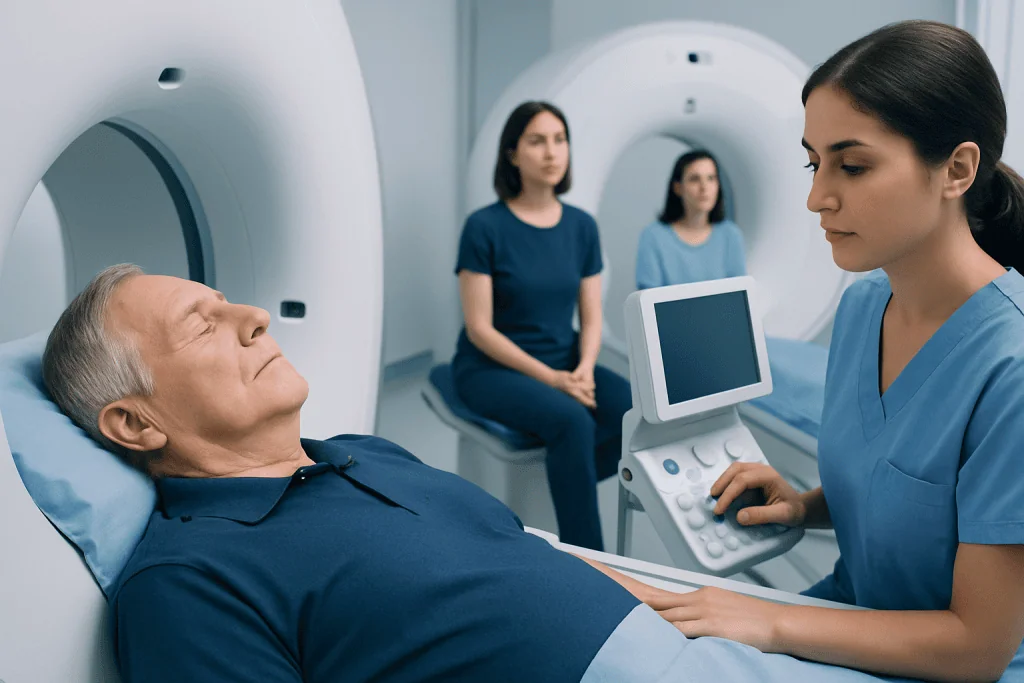
Many neurological symptoms can happen for short-term or reversible reasons. However, doctors pay special attention when symptoms slowly worsen over months or years. Degeneration often causes gradual decline rather than sudden change, although early signs may be subtle. Family members sometimes notice these changes before the person affected does.
Symptoms that may raise concern include increasing memory loss, repeated confusion, trouble finding words, getting lost in familiar places, changes in judgment, or personality changes that are out of character. Movement-related clues can include tremor at rest, stiffness, slower walking, shuffling steps, poor balance, reduced facial expression, or frequent falls. Weakness that progresses, muscle twitching, difficulty swallowing, and loss of hand coordination may also need urgent assessment.
Other symptoms can involve the senses and daily functioning. A person may develop visual-spatial difficulty, reduced sense of smell, unusual sleep behaviors, bladder changes, or difficulty doing familiar tasks. These symptoms do not automatically mean a neurodegenerative disease, but a pattern of steady progression is important.
- Symptoms that are getting worse rather than improving
- Problems affecting work, driving, finances, or self-care
- Changes noticed by family or caregivers
- More than one area involved, such as memory plus movement or speech plus behavior
Common Causes of Brain Symptoms That Are Not Degenerative
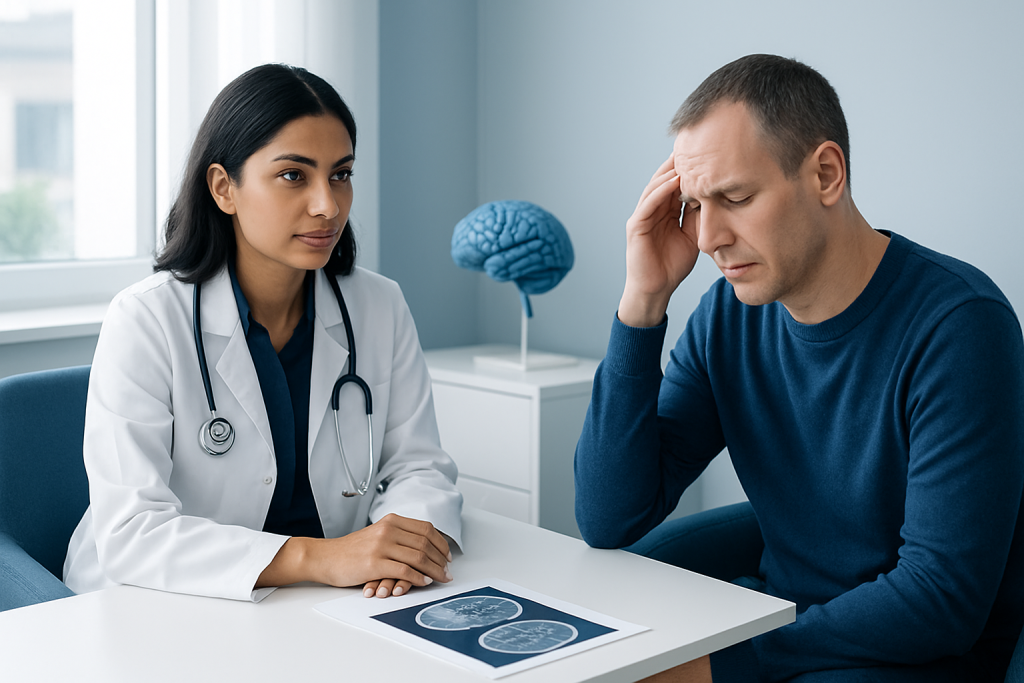
It is equally important to remember that many brain-related symptoms are caused by conditions other than degeneration. Sleep deprivation, anxiety, depression, vitamin deficiencies, thyroid disease, medication side effects, alcohol use, dehydration, and infections can all affect memory, attention, balance, or mood. Some of these are temporary or treatable, which is why medical assessment is so valuable.
Structural and vascular conditions may also mimic or overlap with degenerative disease. These include stroke, brain tumors, <a href="https://acibademinternational.com/diseases/normal-pressure-hydrocephalus/”>normal pressure hydrocephalus, head injury, and inflammation of the nervous system. Seizure disorders and migraine can sometimes cause temporary confusion, sensory changes, or speech difficulty. In older adults, hearing or vision loss can also make memory complaints appear worse than they are.
Doctors often approach symptoms by asking whether the problem is sudden or gradual, stable or worsening, and whether it affects one area of function or several. This broad evaluation helps distinguish a neurodegenerative condition from other diagnoses such as Parkinson’s disease, Alzheimer’s disease, or non-degenerative disorders that may still need prompt treatment.
Risk Factors and Who May Be More Vulnerable
Age is one of the most important risk factors for many neurodegenerative diseases, but these conditions are not a normal part of aging. Some people develop symptoms because of genetic factors, while others have no clear family history. The chance of certain disorders may also be influenced by vascular health, long-term inflammation, toxin exposure, repeated head injury, or other medical conditions.
Family history can be relevant, especially if close relatives developed dementia, Parkinsonism, motor neuron disease, or unexplained neurological decline at a younger age. Still, having a relative with one of these conditions does not mean a person will necessarily develop it. In most cases, risk reflects a combination of genetics, environment, and overall health.
Protective steps may help support brain health even when they cannot fully prevent disease. Good blood pressure control, diabetes management, regular physical activity, smoking avoidance, healthy sleep, hearing protection, and social and mental engagement are all sensible measures. These habits support the brain and may also reduce the burden of other conditions that can worsen cognition and mobility.
How Doctors Evaluate Symptoms
Diagnosis begins with a careful history and neurological examination. The doctor asks when symptoms started, how they have changed, what functions are affected, and whether there are triggers such as illness, new medication, stress, or injury. Information from a spouse, relative, or caregiver can be very helpful, especially when memory or behavior changes are involved.
The neurological exam looks at strength, reflexes, coordination, walking, balance, eye movements, speech, sensation, and mental status. Depending on the symptoms, testing may include blood work to look for thyroid problems, vitamin deficiency, infection, inflammation, or metabolic disorders. Brain imaging such as MRI scan or CT scan may help identify stroke, tumor, hydrocephalus, atrophy, or other structural causes.
Some patients also need more specialized assessment. Cognitive testing can examine memory, attention, language, and executive function in detail. Nerve studies, sleep studies, spinal fluid analysis, or genetic counseling may be considered in selected cases. In people with seizures or episodes of altered awareness, EEG testing may be part of the evaluation. The goal is to identify the cause accurately rather than assume that all neurological symptoms are degenerative.
Treatment Options and Ongoing Care
Treatment depends on the diagnosis. If symptoms are caused by a reversible or treatable condition, care focuses on the underlying problem, such as correcting vitamin deficiency, adjusting medications, treating depression, improving sleep, or addressing vascular risk factors. When a neurodegenerative disease is confirmed, treatment usually aims to slow functional decline where possible, manage symptoms, and preserve quality of life.
Management often involves more than one specialist. A neurologist may coordinate care with rehabilitation physicians, physiotherapists, speech and swallowing therapists, occupational therapists, neuropsychologists, and mental health professionals. Medicines may help certain movement, memory, mood, or sleep symptoms, but they are only one part of treatment. Rehabilitation, home safety changes, nutritional support, and caregiver education are often just as important.
Follow-up matters because symptoms and needs can change over time. Patients may benefit from periodic reassessment of mobility, cognition, communication, nutrition, and emotional wellbeing. Near the end of the diagnostic and treatment journey, some international patients choose centers such as Acibadem International, where multidisciplinary specialists in JCI-accredited hospitals evaluate and treat complex neurological conditions.
Self-care, Prevention, and Living With Uncertainty
Waiting for answers can be stressful, especially when symptoms are subtle or not yet clearly explained. Practical self-care during this period includes keeping a symptom diary, bringing a family member to appointments, and noting any change in memory, walking, speech, sleep, or daily functioning. This information can help the doctor see patterns over time.
Healthy lifestyle choices support brain function at every stage. Regular exercise, a balanced diet, adequate hydration, restorative sleep, hearing and vision checks, and management of blood pressure, cholesterol, and blood sugar are worthwhile. Mental stimulation and social interaction may also support wellbeing, especially in older adults.
Safety should not be overlooked. If someone is becoming forgetful, unsteady, or easily confused, it may be wise to review driving, fall risks, medication management, and financial decision-making. Families do not need to wait for a final diagnosis before putting sensible support in place. Early planning can reduce stress and help maintain independence for longer.
When to See a Doctor Urgently
Some symptoms need immediate medical attention because they may signal stroke, infection, severe inflammation, seizure, or another emergency rather than a slow degenerative process. Sudden weakness, facial drooping, severe new confusion, loss of consciousness, sudden vision loss, a first seizure, or a sudden severe headache should be treated as urgent.
Even when symptoms are not sudden, a medical appointment is important if changes are persistent or progressive. A person should arrange a neurological assessment if they are having worsening tremor, repeated falls, new difficulty speaking, increasing memory loss, trouble swallowing, or changes in behavior that interfere with relationships or independence. Early evaluation can make a meaningful difference in treatment options and planning.
It is often best not to self-diagnose based on one symptom alone. The same complaint can have many causes, ranging from temporary stress to a chronic neurological condition. A qualified doctor can help determine whether symptoms suggest a brain disorder, a neurological disease, or a neurodegenerative process that needs ongoing care.
Frequently asked questions
Is every brain disorder a neurological disease?
No. Brain disorder is a broad term that can include neurological, psychiatric, vascular, infectious, and structural conditions affecting the brain. A neurological disease specifically involves the nervous system and may affect the brain, spinal cord, or nerves.
Do memory problems always mean dementia or degeneration?
No. Memory complaints can be related to stress, sleep loss, depression, medications, vitamin deficiency, thyroid problems, or other treatable issues. Persistent, worsening, or functionally significant memory change should still be assessed by a doctor.
What symptoms are most concerning for neurodegeneration?
Doctors are more concerned when symptoms gradually worsen and begin to affect independence. Examples include progressive memory decline, personality change, increasing tremor or stiffness, repeated falls, worsening speech difficulty, and slowly advancing weakness.
How is a neurodegenerative disease diagnosed?
Diagnosis usually involves a medical history, neurological examination, and tests chosen according to the symptoms. These may include blood tests, brain imaging, cognitive assessment, and sometimes more specialized studies such as EEG, nerve studies, or genetic evaluation.
Can neurodegenerative diseases be cured?
Many neurodegenerative diseases cannot currently be cured, but symptoms can often be managed and quality of life supported. Early diagnosis helps patients access treatment, rehabilitation, safety planning, and family support at the right time.
When should someone see a neurologist?
A neurology review is appropriate when symptoms are persistent, progressive, unexplained, or affecting daily life. Urgent care is needed for sudden weakness, severe confusion, a first seizure, sudden vision loss, or other symptoms that may indicate an emergency such as stroke.
References
- World Health Organization
- National Institute on Aging
- National Institute of Neurological Disorders and Stroke
- Alzheimer's Association
- Parkinson's Foundation
This article is for general information only and is not a substitute for professional medical advice. Please consult a qualified doctor about your individual situation.
Explore treatments in Turkey — costs, top hospitals & a free quote
JCI-accredited · board-certified surgeons · reply within 24h
Add us as a Preferred Source to see more of our trusted health content across Google Search, AI Overviews and Discover.