Neurological Disorders: Diagnosis, Outlook, and Modern Treatment Approaches

Neurological disorders include many different conditions affecting the brain, spinal cord, and peripheral nerves. Symptoms can involve movement, sensation, speech, memory, balance, mood, sleep, or seizures.
Key Takeaways
- Neurological disorders include many different conditions affecting the brain, spinal cord, and peripheral nerves.
- Symptoms can involve movement, sensation, speech, memory, balance, mood, sleep, or seizures.
- Accurate diagnosis often requires a neurological exam, brain or spine imaging, and sometimes blood tests or electrical studies.
- Treatment may include medicines, rehabilitation, lifestyle support, procedures, or surgery depending on the condition.
- New or sudden neurological symptoms should be assessed urgently, especially weakness, speech trouble, severe headache, or seizures.
Neurological disorders are conditions that affect the brain, spinal cord, and nerves, causing symptoms such as headaches, weakness, seizures, numbness, movement changes, or memory problems. Diagnosis usually combines a neurological exam with imaging and other tests, and treatment depends on the specific cause, severity, and how symptoms affect daily life.
Overview: what neurological disorders are
Neurological disorders are health conditions that affect the nervous system, including the brain, spinal cord, and nerves throughout the body. They can interfere with movement, sensation, balance, speech, memory, behavior, or automatic functions such as swallowing and bladder control. Some develop suddenly, while others appear gradually over months or years.
This is a broad medical group rather than a single disease. It includes conditions such as stroke, epilepsy, migraines, neuropathy, Parkinson’s disease, multiple sclerosis, dementia, spinal cord problems, and nerve compression disorders. Because the nervous system controls so many body functions, symptoms can vary widely from one person to another.
Outlook depends on the exact diagnosis, how early it is recognized, and whether the condition is temporary, chronic, progressive, or treatable. Many neurological disorders can be managed effectively with the right combination of medication, rehabilitation, lifestyle support, and, in selected cases, procedures or surgery. The first step is a clear diagnosis rather than assuming all symptoms have the same cause.
Common symptoms and how they may appear
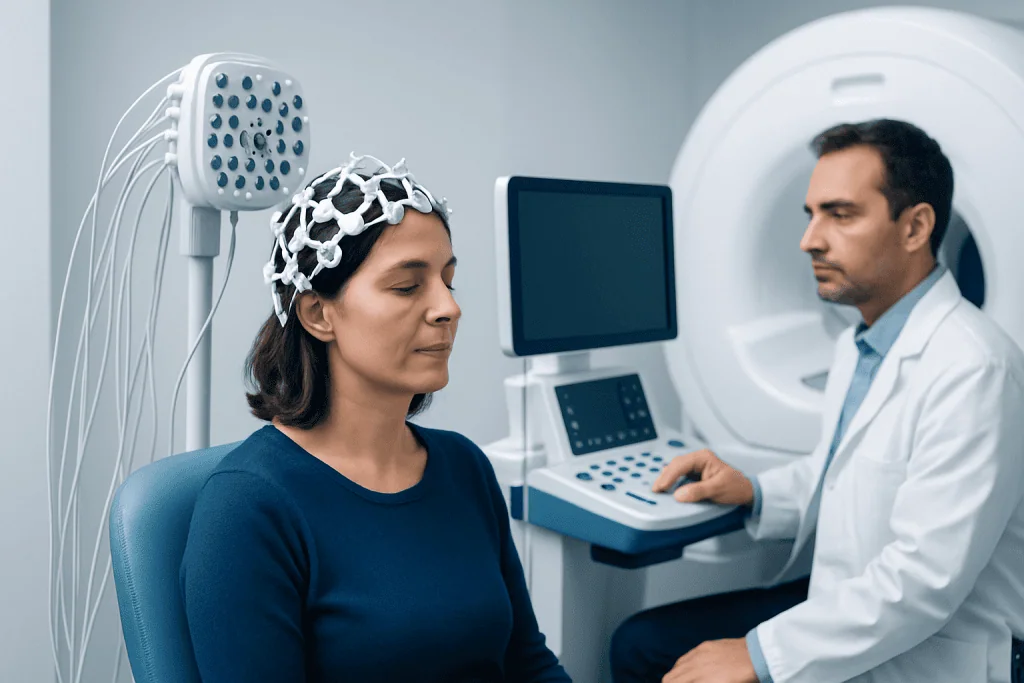
Symptoms of neurological disorders may begin abruptly or progress slowly. Some affect one part of the body, such as a hand, leg, or side of the face, while others involve more general changes in energy, cognition, or movement. A symptom does not confirm a diagnosis on its own, but patterns help doctors decide which tests are most useful.
Common symptoms include headache, dizziness, fainting, weakness, tremor, numbness, tingling, burning pain, vision changes, double vision, speech difficulty, poor coordination, imbalance, memory problems, confusion, sleep changes, and seizures. Some people notice trouble walking, muscle stiffness, involuntary movements, or episodes of loss of awareness.
Symptoms can also reflect where the problem is located. Brain conditions may affect thinking, language, vision, or seizures. Spinal cord disorders may lead to weakness, balance problems, or bladder symptoms. Peripheral nerve disorders often cause numbness, pain, or weakness in the hands and feet.
- Sudden one-sided weakness or facial droop may suggest stroke.
- Recurrent seizures or brief spells of altered awareness may point to epilepsy.
- Progressive tremor, slowness, or stiffness can occur with movement disorders such as Parkinson’s disease.
- Numbness, burning, or reduced sensation in the feet may be related to peripheral nerve disease.
Causes and risk factors
Neurological disorders have many possible causes. These include reduced blood flow to the brain, infections, autoimmune inflammation, inherited conditions, degenerative changes, trauma, tumors, vitamin deficiencies, metabolic disorders, and exposure to certain toxins or medications. In some cases, even after careful testing, the exact cause may remain uncertain for a time.
Age is an important factor for some disorders, especially stroke, dementia, and neurodegenerative conditions. Family history can matter in migraine, epilepsy, neuromuscular disorders, and some inherited movement or nerve diseases. Other risk factors include high blood pressure, diabetes, smoking, high cholesterol, obesity, sleep apnea, alcohol misuse, repeated head injury, and lack of physical activity.
Symptoms that arise after an infection, a recent injury, or the start of a new medicine can provide useful clues. Doctors also consider whether symptoms are constant, come in attacks, or worsen with fatigue, heat, or stress. Understanding the pattern helps distinguish conditions that may have very different treatments even when they look similar at first.
How neurological disorders are diagnosed
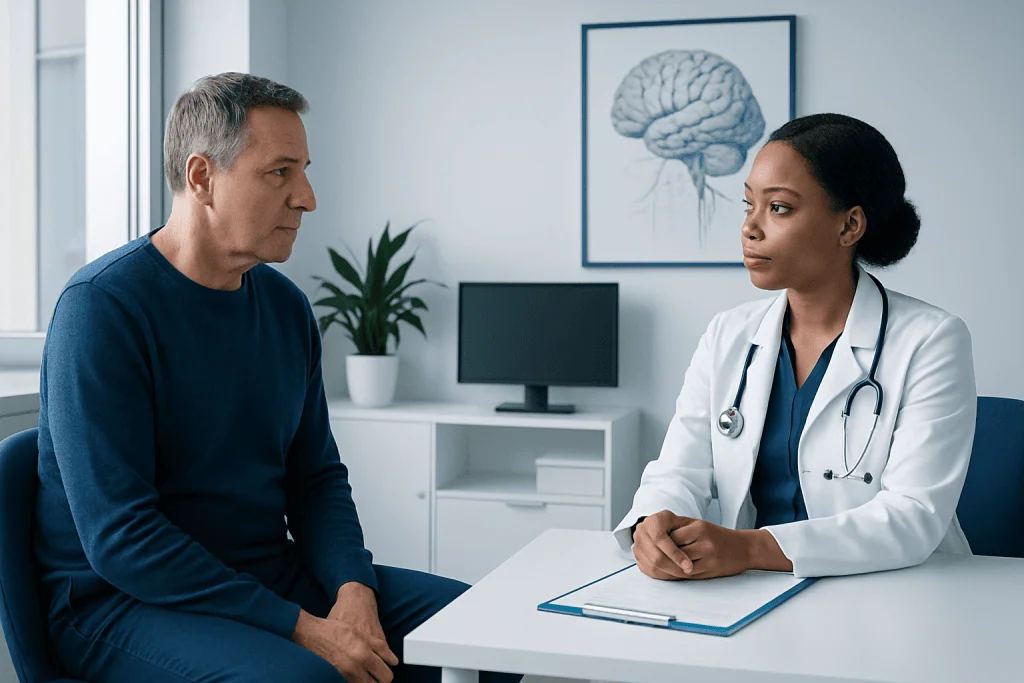
Diagnosis begins with a detailed medical history and neurological examination. The doctor asks about when symptoms began, whether they came on suddenly or gradually, what makes them better or worse, and whether there is a family history of neurological disease. The neurological exam may assess strength, reflexes, sensation, coordination, gait, speech, eye movements, and memory.
Testing is chosen according to the symptoms and exam findings. Imaging such as MRI or CT can show structural changes in the brain or spine, bleeding, stroke, inflammation, tumors, or nerve compression. In some situations, doctors may request MRI imaging or CT scanning to clarify the diagnosis quickly and safely.
Other tests may include blood work, nerve conduction studies, electromyography, electroencephalography for seizures, lumbar puncture, cognitive testing, vascular imaging, or sleep studies. Diagnosis is often a stepwise process. If symptoms change over time, repeat assessment may be needed to confirm the underlying condition and guide treatment decisions.
Because many neurological symptoms overlap with problems in other organ systems, diagnosis sometimes involves a multidisciplinary team. Neurologists may work with neuroradiologists, neurosurgeons, rehabilitation physicians, psychiatrists, pain specialists, and internal medicine doctors to build the most accurate picture.
Modern treatment approaches
Treatment for neurological disorders is individualized. The main goals are to treat the cause when possible, reduce symptoms, protect brain and nerve function, prevent complications, and support independence in daily life. Some conditions improve completely, while others require long-term management and regular follow-up.
Medicines are often central to care. Depending on the diagnosis, treatment may involve drugs for seizures, inflammation, muscle stiffness, migraine prevention, pain control, blood clot prevention, blood pressure management, or symptom relief for tremor and movement difficulties. Treatment plans are adjusted over time based on benefit, side effects, and changes in symptoms.
Rehabilitation is a major part of modern neurology care. Physical therapy can improve strength, balance, and mobility. Occupational therapy can help with hand function, daily activities, and home adaptations. Speech and language therapy may support communication and swallowing. For selected structural conditions affecting the brain or spine, specialists may consider neurosurgery or other targeted procedures.
Some patients benefit from interventional or advanced therapies, such as treatment for blocked blood vessels, nerve procedures, or device-based care in carefully selected cases. When symptoms are complex, coordinated care often improves comfort and function. Near the end of the care pathway, Acibadem International’s multidisciplinary specialists in JCI-accredited hospitals diagnose and treat neurological disorders for international patients using individualized plans.
Living with neurological disorders: outlook, monitoring, and self-care
The outlook for neurological disorders varies widely. Some conditions, such as certain infections, medication-related symptoms, or compressed nerves, may improve significantly once the cause is treated. Others, including chronic migraine, epilepsy, multiple sclerosis, Parkinson’s disease, or dementia-related disorders, often need ongoing monitoring and long-term treatment.
Living well with a neurological condition often depends on consistent follow-up and symptom tracking. Keeping a record of headaches, seizures, falls, numbness, sleep quality, or medication effects can help the care team identify patterns and refine treatment. Follow-up also allows doctors to monitor for side effects, recovery progress, or signs that the diagnosis needs to be reconsidered.
Self-care supports medical treatment but does not replace it. Helpful measures may include taking medicines as prescribed, protecting sleep, staying physically active within safe limits, eating a balanced diet, managing blood pressure and diabetes, avoiding smoking, and limiting alcohol when advised. For people with balance problems or weakness, home safety changes can reduce falls and support independence.
Emotional health also matters. Anxiety, depression, fatigue, and frustration are common with chronic neurological symptoms and should be discussed openly. Support from family, rehabilitation professionals, counseling services, and patient education can make day-to-day management more manageable and reassuring.
When to seek medical care
New neurological symptoms should not be ignored, especially if they appear suddenly. Urgent medical care is needed for sudden weakness or numbness on one side, facial drooping, trouble speaking, confusion, sudden vision loss, severe unexplained headache, loss of consciousness, or a first seizure. These symptoms can signal a medical emergency and should be assessed without delay.
Medical review is also important for persistent headaches, repeated falls, worsening balance, progressive memory problems, tremor, numbness in the hands or feet, frequent dizziness, or ongoing back or neck symptoms with weakness. Even when symptoms seem mild, early assessment may help identify conditions before complications develop.
People who already have a neurological diagnosis should contact their doctor if symptoms change noticeably, medicines stop working as expected, side effects become difficult, or daily function declines. Prompt evaluation can help adjust treatment and prevent avoidable setbacks.
Frequently asked questions
What are neurological disorders?
Neurological disorders are conditions that affect the brain, spinal cord, or peripheral nerves. They can influence movement, sensation, memory, speech, balance, behavior, or automatic body functions. The term covers many different diagnoses, so treatment depends on the exact cause.
What are the first signs of neurological disorders?
Early signs may include headaches, numbness, weakness, tremor, dizziness, balance problems, memory changes, vision changes, or seizures. Some symptoms appear suddenly, while others develop gradually. A neurological assessment is important when symptoms are new, persistent, or worsening.
How are neurological disorders diagnosed?
Doctors usually begin with a medical history and neurological examination. Depending on the symptoms, they may order imaging such as MRI or CT, blood tests, electrical studies of nerves or brain activity, or other specialized tests. Diagnosis is often based on combining symptoms, examination findings, and test results.
Can neurological disorders be treated?
Many neurological disorders can be treated or managed, although the best approach varies by condition. Treatment may include medicines, rehabilitation, lifestyle changes, procedures, or surgery in selected cases. Even when a condition is chronic, symptom control and function often improve with ongoing care.
Are neurological disorders always progressive?
No, not all neurological disorders are progressive. Some are temporary or reversible, such as certain infections, medication-related problems, or nerve compression conditions. Others are chronic and may need long-term follow-up to monitor symptoms and maintain quality of life.
When should someone go to the emergency room for neurological symptoms?
Emergency care is needed for sudden weakness, facial drooping, difficulty speaking, sudden severe headache, loss of consciousness, a first seizure, or sudden vision loss. These symptoms may indicate stroke or another urgent neurological problem. Immediate assessment can be very important.
References
- World Health Organization
- National Institute of Neurological Disorders and Stroke
- American Academy of Neurology
- National Institute on Aging
- Centers for Disease Control and Prevention
This article is for general information only and is not a substitute for professional medical advice. Please consult a qualified doctor about your individual situation.
Joint and spine care in Turkey — expert assessment & treatment
JCI-accredited · board-certified surgeons · reply within 24h
Add us as a Preferred Source to see more of our trusted health content across Google Search, AI Overviews and Discover.
Check your numbers in seconds
BMI, calories, due date, blood pressure and 30+ more clinical calculators — free, instant, doctor-reviewed ranges.