Neuromodulation for Movement Disorders: Which Patients Are Candidates?
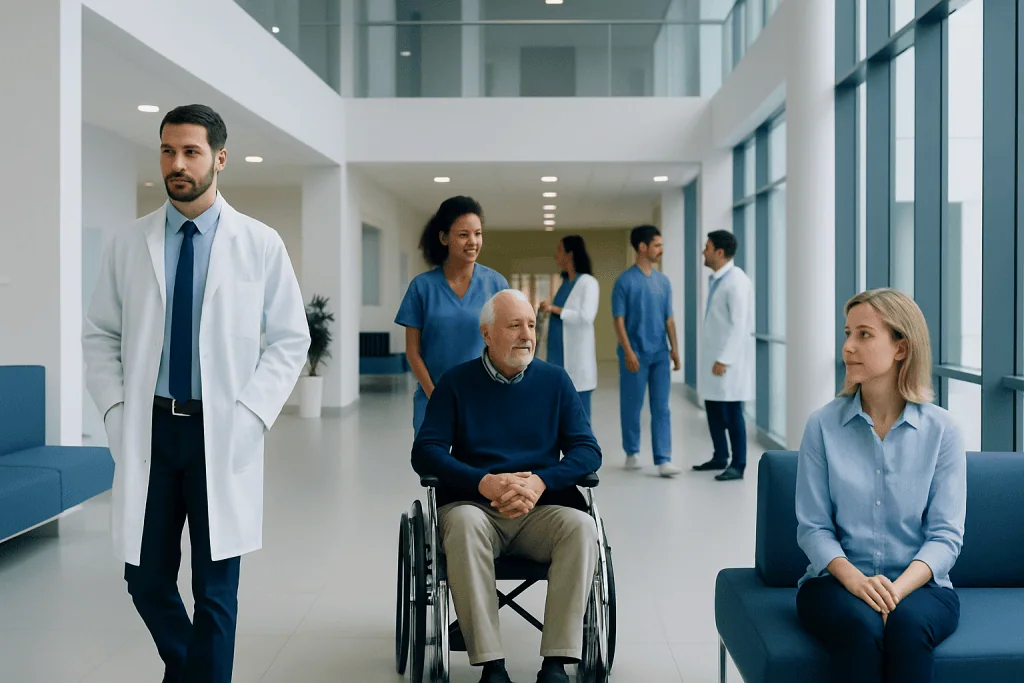
Neuromodulation is most often considered when movement disorder symptoms remain disabling despite optimized medication. Deep brain stimulation is the best-known neuromodulation option for conditions such as Parkinson’s disease, essential tremor, and some forms of dystonia.
Key Takeaways
- Neuromodulation is most often considered when movement disorder symptoms remain disabling despite optimized medication.
- Deep brain stimulation is the best-known neuromodulation option for conditions such as Parkinson’s disease, essential tremor, and some forms of dystonia.
- Good candidates are selected through a detailed evaluation by a multidisciplinary movement disorders team.
- Treatment can improve symptom control and quality of life, but it does not cure the underlying neurological condition.
- Careful follow-up is essential because device settings and medications often need adjustment over time.
Neuromodulation for movement disorders refers to treatments that change abnormal nerve signaling to reduce symptoms such as tremor, stiffness, slowness, or involuntary movements. It is not right for everyone, but carefully selected patients may benefit when medicines no longer provide enough control or cause troublesome side effects.
Overview
Neuromodulation for movement disorders is a treatment approach that uses targeted electrical stimulation to change activity in specific parts of the nervous system. The goal is to reduce symptoms caused by abnormal brain signaling, such as tremor, rigidity, slowness of movement, twisting postures, or involuntary movements. In many cases, neuromodulation is considered only after medications and rehabilitation have been used carefully and consistently.
The most established form of neuromodulation for movement disorders is deep brain stimulation. In this procedure, thin electrodes are placed in carefully selected brain regions and connected to a pulse generator, which sends controlled electrical impulses. Unlike destructive brain procedures, stimulation can be adjusted over time and, if needed, turned off.
Neuromodulation does not cure the underlying disease. Instead, it aims to improve day-to-day function, reduce symptom fluctuations, and support quality of life. For the right patient, it may help with activities such as eating, writing, walking, dressing, or speaking more comfortably, although results vary depending on the diagnosis and individual symptom pattern.
Which movement disorders may be treated
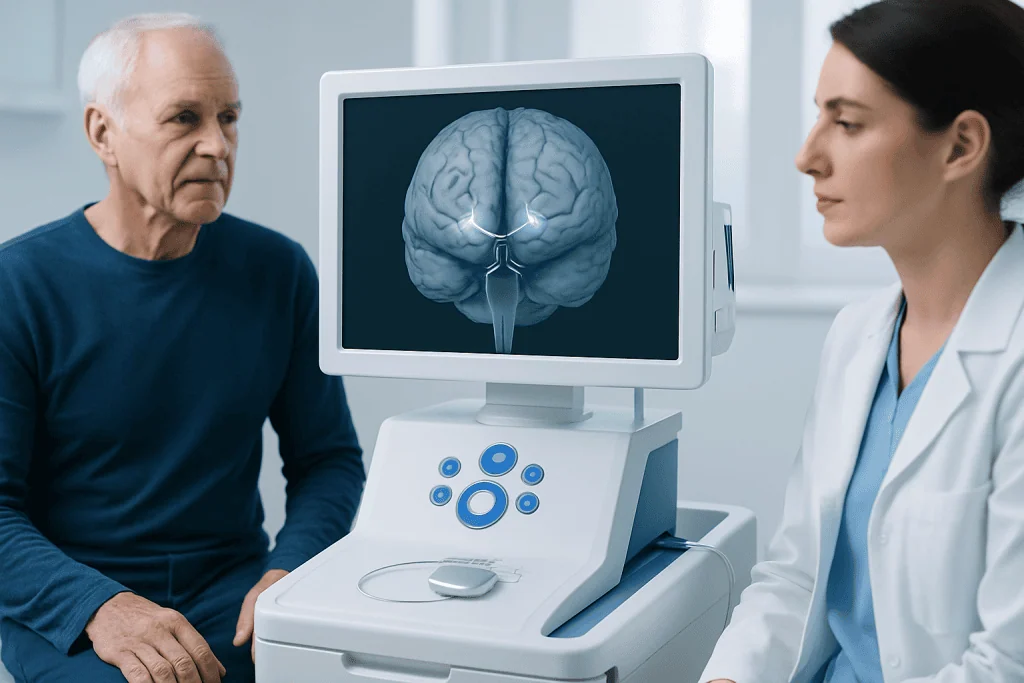
Several movement disorders may respond to neuromodulation, but the degree of benefit depends on the condition and the symptom being targeted. The best-known use is in Parkinson’s disease, especially when patients have motor fluctuations, medication “off” periods, troublesome dyskinesias, or tremor that remains difficult to control. It is generally used for symptoms that still respond at least partly to levodopa, even if the response has become inconsistent.
Neuromodulation is also widely used for essential tremor, particularly when hand tremor interferes with eating, drinking, writing, or other daily tasks despite medication. In selected cases, it may also be used for dystonia, especially generalized dystonia or certain focal forms that cause painful muscle contractions and abnormal postures.
Other movement disorders may occasionally be evaluated for neuromodulation in highly specialized centers, but evidence is strongest for Parkinson’s disease, essential tremor, and dystonia. Candidacy is never based on diagnosis alone. Doctors also look closely at symptom type, severity, progression, overall health, thinking and memory, mood, and the patient’s goals for treatment.
Who may be a good candidate

A good candidate is usually someone with a confirmed movement disorder diagnosis, disabling symptoms, and a realistic expectation of what treatment can and cannot do. Neuromodulation is most often considered when symptoms remain bothersome despite the best available medicines, or when medicines work but cause side effects such as involuntary movements, sleepiness, or wearing-off between doses.
In Parkinson’s disease, specialists often look for patients who still show meaningful improvement with levodopa but have significant fluctuations or dyskinesias. For essential tremor, candidates are often those whose tremor remains functionally limiting despite medication trials. For dystonia, the best candidates typically have specific patterns of symptoms and a diagnosis known to respond to stimulation.
Several factors may make neuromodulation less suitable or require extra caution. These can include uncontrolled depression or anxiety, significant memory or thinking problems, untreated psychiatric illness, severe balance difficulty that is unlikely to improve, advanced frailty, or medical conditions that increase surgical risk. The decision is individualized, and being “not a candidate now” does not always mean “never”; sometimes other health issues can be treated first.
- Symptoms that interfere with daily life
- Incomplete control with medication
- Medication side effects that limit treatment
- Stable enough overall health for a procedure
- Ability to attend long-term follow-up and device programming visits
How candidacy is evaluated
Choosing the right patient for neuromodulation is a detailed process. It usually begins with a consultation with a movement disorders neurologist, who reviews the diagnosis, symptom history, medication response, and previous treatments. The team often asks practical questions such as which daily activities are most affected, whether symptoms are present all day or mainly during medication “off” times, and what the patient hopes to improve.
Further assessment may include a neurological examination, standardized movement scoring, brain imaging, and medication response testing. Many centers also perform neuropsychological testing to assess memory, attention, language, and mood. This helps identify patients who may benefit most and reduces the chance of disappointment after treatment by clarifying which symptoms are likely to improve and which are not.
A multidisciplinary review is especially important because neuromodulation sits at the intersection of neurology, neurosurgery, rehabilitation, and mental health. Discussion may involve movement disorder specialists, neurosurgeons, neuroradiologists, neuropsychologists, anesthesiologists, and rehabilitation professionals. In experienced centers, candidates for specialist neurology care and advanced therapies are assessed as a whole person, not just by diagnosis.
What the treatment involves
Deep brain stimulation is the most common neuromodulation procedure used for movement disorders. It involves placing electrodes in carefully chosen brain targets, then connecting them to a battery-powered stimulator implanted under the skin, usually near the chest. After surgery, the device is programmed over a series of follow-up visits to find settings that best reduce symptoms while limiting side effects.
The exact brain target depends on the disorder and symptom pattern. Different targets may be chosen for Parkinson’s disease, essential tremor, or dystonia. This is one reason a precise diagnosis matters so much. A treatment plan is built around the individual, including whether medication changes will be needed after the procedure and how quickly benefits are expected to appear.
Benefits are often significant for well-selected patients, but they are not immediate in every case and they are rarely all-or-nothing. Some symptoms improve more than others. For example, tremor may respond especially well, while balance, speech, or non-motor symptoms may improve less or not at all. Alongside surgery, many patients continue rehabilitation and may benefit from ongoing physical therapy and rehabilitation to support mobility, posture, and daily function.
Benefits, limits, and possible risks
The main benefits of neuromodulation are improved symptom control, reduced tremor or involuntary movements, and better consistency from one part of the day to another. Some patients are able to reduce certain medications, although this depends on the diagnosis and individual response. Better symptom control can also make it easier to work, socialize, sleep, and take part in everyday routines.
At the same time, it is important to understand the limits of treatment. Neuromodulation does not stop disease progression, and it does not treat every symptom equally well. In Parkinson’s disease, for example, it may help motor fluctuations and dyskinesia more than speech, swallowing, or advanced balance problems. Setting realistic goals before treatment is one of the best predictors of satisfaction afterward.
As with any procedure, there are risks. These include bleeding, infection, device-related problems, temporary or persistent stimulation side effects, and the need for future battery replacement or hardware revision. Some patients may also notice changes in mood, speech, or balance, depending on the target and settings. Careful programming and regular follow-up help manage many of these issues. In centers such as Acibadem International, multidisciplinary specialists in JCI-accredited hospitals evaluate and treat international patients with advanced movement disorder therapies.
Preparation, recovery, and long-term follow-up
Before neuromodulation, patients are usually advised to optimize general health as much as possible. This may include reviewing medications, managing blood pressure or diabetes, stopping smoking if relevant, and planning support at home for the early recovery period. Patients and families also benefit from discussing practical expectations, such as how many follow-up visits may be needed for programming and medication adjustments.
Recovery after implantation varies, but most people need time for wound healing before the device is fully programmed. Several programming sessions are often required over weeks or months. This phase is an expected part of care, not a sign that treatment is failing. Finding the best settings can be gradual, especially in conditions with several symptom types.
Long-term care is essential. Movement disorders change over time, and the device may need reprogramming as symptoms evolve. Ongoing appointments also allow doctors to monitor mood, thinking, walking, speech, and medication effects. Some patients may also use robotic rehabilitation or other structured therapy programs to support mobility and independence alongside medical management.
When to see a specialist
It may be time to speak with a movement disorders specialist when tremor, stiffness, slowness, or involuntary movements begin to interfere with daily life despite treatment. Another reason to ask for a specialist review is when medications help but wear off too quickly, cause troublesome side effects, or require increasingly complex schedules that are difficult to manage.
Patients do not need to wait until symptoms become severe to ask whether neuromodulation could be appropriate. In fact, assessment is often most useful before disability becomes advanced, because some symptoms respond better earlier in the course of disease than later. A specialist can explain whether the patient appears likely to benefit now, later, or not at all.
Urgent medical attention is needed for sudden neurological changes such as new weakness, loss of consciousness, severe confusion, or sudden speech difficulty, as these are not typical signs of a stable movement disorder and may point to another medical problem. For routine concerns about candidacy, questions are best discussed with a neurologist or neurosurgeon experienced in advanced movement disorder care.
Frequently asked questions
Is neuromodulation the same as deep brain stimulation?
Deep brain stimulation is the most established type of neuromodulation used for movement disorders, but the term neuromodulation is broader. It refers to treatments that alter nerve activity using targeted stimulation. In practice, when discussing movement disorders, deep brain stimulation is often the main procedure being considered.
Does neuromodulation cure Parkinson’s disease or essential tremor?
No. Neuromodulation does not cure the underlying condition or stop it from progressing. Its purpose is to improve selected symptoms, reduce day-to-day fluctuations, and support better function and quality of life.
How do doctors know if someone is a candidate?
Doctors look at the diagnosis, the specific symptoms, how well medicines work, and whether those medicines cause limiting side effects. They also assess memory, mood, overall health, and the patient’s goals. A multidisciplinary evaluation helps determine whether expected benefits are likely to outweigh risks.
What symptoms usually improve the most?
This depends on the condition, but tremor often responds particularly well. In Parkinson’s disease, motor fluctuations and dyskinesias may also improve significantly. Some symptoms, such as speech, balance, swallowing, or cognitive changes, may improve less or may not improve with stimulation.
Is the treatment reversible?
Neuromodulation with deep brain stimulation is considered adjustable and, in that sense, more flexible than permanent lesioning procedures. The stimulation can be changed or turned off if needed. However, it still involves surgery and implanted hardware, so it should be approached as a serious medical decision.
Will patients still need medication after treatment?
Many patients continue to need medication, although the doses or schedule may change after successful treatment. Some are able to reduce certain medicines, while others still need a combination of device programming, medication, and rehabilitation. The exact plan depends on the diagnosis and individual response.
References
- World Health Organization
- National Institute of Neurological Disorders and Stroke
- International Parkinson and Movement Disorder Society
- National Institute for Health and Care Excellence
- American Academy of Neurology
This article is for general information only and is not a substitute for professional medical advice. Please consult a qualified doctor about your individual situation.
Movement Disorders in Turkey — costs, top hospitals & a free quote
JCI-accredited · board-certified surgeons · reply within 24h
Add us as a Preferred Source to see more of our trusted health content across Google Search, AI Overviews and Discover.