Neuromodulation for Tremor: Which Patients May Benefit?
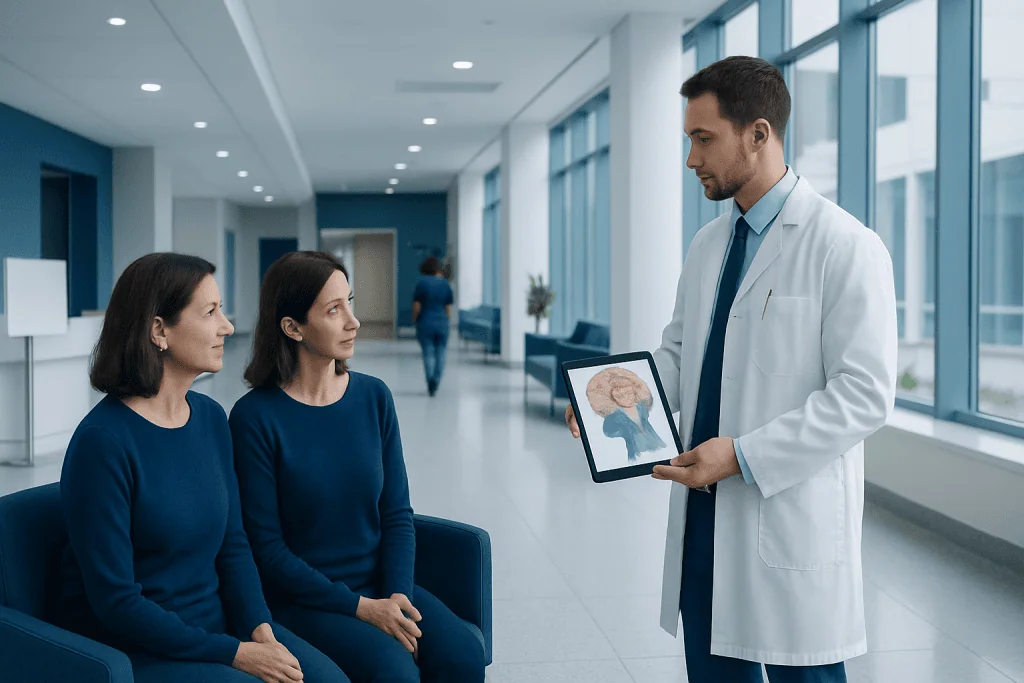
Neuromodulation for tremor is usually considered when symptoms interfere with daily activities and medicines are not enough. The best-known neuromodulation option is deep brain stimulation, but other procedures may also be appropriate for some patients.
Key Takeaways
- Neuromodulation for tremor is usually considered when symptoms interfere with daily activities and medicines are not enough.
- The best-known neuromodulation option is deep brain stimulation, but other procedures may also be appropriate for some patients.
- Not every tremor responds equally well, so an accurate diagnosis is essential before treatment.
- Careful evaluation by a movement disorder specialist and neurosurgical team helps identify who may benefit most.
- Benefits, risks, and recovery differ between procedures, so treatment should be individualized.
Neuromodulation for tremor can reduce troublesome shaking in carefully selected patients, especially when medicines do not provide enough relief or cause side effects. Treatment choice depends on the type of tremor, how severe it is, and a person’s overall health and goals.
Overview: What Neuromodulation for Tremor Means
Neuromodulation for tremor refers to treatments that change abnormal brain signaling linked to involuntary shaking. Tremor is a rhythmic movement that can affect the hands, arms, head, voice, or other body parts. It may happen at rest, during posture, or while performing actions such as writing, drinking from a cup, or using utensils.
For many people, tremor improves with medication, lifestyle changes, or treatment of an underlying condition. However, some patients continue to have symptoms that limit independence, work, sleep, social activities, or emotional well-being. In these situations, specialists may discuss procedural options designed to target the brain circuits involved in tremor.
The most established neuromodulation approach is deep brain stimulation, often called DBS. In selected patients, other procedure-based options such as focused ultrasound may also be considered. These treatments do not cure the underlying disease, but they may significantly reduce tremor and improve quality of life in appropriately chosen patients.
Which Types of Tremor May Respond
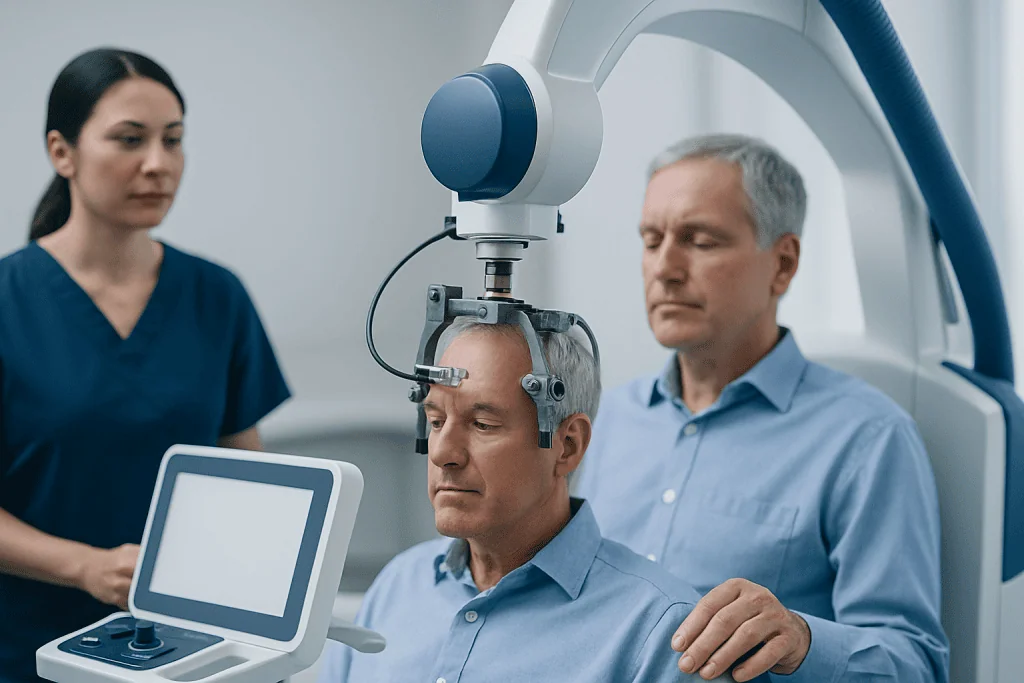
Neuromodulation is not a one-size-fits-all treatment. It tends to work best for specific tremor disorders, especially essential tremor and some tremor related to Parkinson’s disease. Essential tremor commonly affects the hands and may worsen with action, while Parkinson’s tremor often occurs at rest and may be accompanied by stiffness or slowness of movement.
Some patients with dystonic tremor or tremor from multiple sclerosis may also be evaluated, but outcomes can be more variable. Tremor caused by medications, thyroid disease, anxiety, alcohol withdrawal, stroke, or certain metabolic problems usually requires treatment of the underlying cause rather than neuromodulation alone.
This is why diagnosis matters so much. A tremor that looks similar on the surface may have very different causes and expected responses to treatment. Before recommending any procedure, doctors aim to define the tremor type as precisely as possible through a detailed history, examination, and, when needed, additional tests.
Which Patients May Benefit Most

In general, patients may benefit from neuromodulation for tremor when the shaking is severe enough to affect daily life. This may include difficulty eating, drinking, dressing, writing, using a phone, working, or maintaining balance and confidence in social settings. The goal is not simply to treat a visible symptom, but to improve meaningful day-to-day function.
Doctors often consider procedural treatment when medications have not provided enough relief, when benefits fade over time, or when side effects become hard to tolerate. Side effects may include sleepiness, dizziness, cognitive slowing, or other problems that limit continued use. Some patients may also be unable to take higher doses because of age, other medical conditions, or interactions with other medicines.
Good candidates are usually people with a confirmed tremor diagnosis, realistic expectations, and symptoms that match the strengths of the procedure being considered. They should also be healthy enough for the evaluation and treatment process. In many centers, decision-making involves a multidisciplinary team that may include a neurologist, neurosurgeon, neuroradiologist, psychiatrist or psychologist, and rehabilitation specialists.
Even when tremor is troublesome, not everyone is an ideal candidate. Significant uncontrolled medical illness, active infection, certain cognitive or psychiatric concerns, or a tremor type unlikely to respond well may lead the team to recommend other options first. A balanced discussion helps patients understand both potential gains and limitations.
How Doctors Evaluate Candidacy
Evaluation usually begins with a detailed clinical review. The specialist asks when the tremor began, which body parts are affected, what makes it better or worse, and how much it interferes with everyday activities. A neurological examination helps distinguish tremor from other movement disorders and identifies signs that may point to essential tremor, Parkinson’s disease, or another cause.
Medication history is especially important. Doctors need to know which drugs have already been tried, how well they worked, and what side effects occurred. They also review general health conditions such as heart disease, bleeding risk, sleep apnea, or prior brain problems, because these can influence whether a procedure is safe or suitable.
Brain imaging, commonly with MRI, may be used to assess anatomy and help plan treatment. Some patients also undergo cognitive testing or mental health assessment, particularly when implanted devices are being considered. These evaluations are not meant to exclude people unfairly; they help match the right treatment to the right patient and support safer care.
In some cases, specialists may suggest more than one option. The choice depends on factors such as symptom pattern, whether tremor affects one side or both, the need for adjustability over time, and the patient’s personal preferences about implants, reversibility, and follow-up visits.
Treatment Options: Deep Brain Stimulation and Other Approaches
Deep brain stimulation is the most widely used neuromodulation procedure for medically refractory tremor. In DBS, thin electrodes are placed in carefully selected brain targets and connected to a device that delivers controlled electrical stimulation. The stimulation can be adjusted after surgery to improve tremor control while minimizing side effects, which is one reason DBS is often attractive for long-term management.
DBS may be especially helpful for patients with disabling essential tremor or Parkinson’s tremor, including those with symptoms on both sides of the body. Because the system is programmable, treatment can be tailored over time as symptoms change. However, it does involve surgery and an implanted device, so patients need to understand the procedure, follow-up needs, and possible risks.
Another option in selected cases is focused ultrasound, a non-invasive procedure that uses targeted energy to treat specific brain areas involved in tremor. It does not require implanted hardware, which some patients prefer. On the other hand, it may not be suitable for every tremor pattern or every patient, and its use depends on anatomical and clinical factors.
Some patients may also hear about lesioning procedures or other advanced therapies. These can be appropriate in specific situations, but the best choice depends on individual goals, symptom severity, and the expertise of the treating center. A movement disorders team can explain which option is most likely to provide meaningful benefit with an acceptable level of risk.
Benefits, Limits, and Possible Risks
The main benefit of neuromodulation for tremor is improved control of shaking that has not responded well to medication. Many patients hope to regain steadier hand function for meals, self-care, hobbies, or work. When treatment is successful, the improvement may reduce embarrassment, frustration, and dependence on others.
Still, it is important to keep expectations realistic. These treatments aim to reduce tremor, not necessarily eliminate it completely. They may help one symptom more than another, and they do not stop every part of the underlying neurological condition from progressing. For example, a patient with Parkinson’s disease may still need medication for stiffness, slowness, or other symptoms.
Risks vary by procedure. Surgical options can carry risks such as bleeding, infection, hardware-related problems, speech or balance changes, or temporary side effects from stimulation adjustments. Non-invasive procedures may also have side effects, including numbness, imbalance, or other neurological symptoms in some patients. The care team reviews these risks carefully before treatment.
Follow-up is a key part of success, especially after DBS. Device programming, medication adjustments, and rehabilitation support may all influence outcomes. Patients who understand the need for ongoing care are often better prepared for the treatment journey.
Preparing for Treatment and Recovery Afterward
Preparation usually includes medical clearance, imaging, and conversations about goals, expected results, and recovery. Patients are often encouraged to bring a family member or trusted support person to appointments, because there is a lot of information to absorb. Questions about work, travel, exercise, implanted devices, and future scans should be discussed in advance.
Recovery differs depending on the procedure. After DBS, there may be separate stages for surgery, healing, and later device programming. Improvement is often not fully immediate, because settings need to be adjusted over time. In contrast, some patients notice changes more quickly after focused ultrasound, although monitoring and follow-up still remain important.
Occupational therapy, physical therapy, or speech support may help certain patients adapt after treatment, especially if tremor has affected writing, balance, or daily activities for a long time. Continued attention to sleep, stress reduction, and careful use of caffeine or other stimulants may also support symptom management, even after a successful procedure.
Near the end of the treatment pathway, patients may wish to seek care in a center experienced in movement disorders and functional neurosurgery. Acibadem International’s multidisciplinary specialists and JCI-accredited hospitals evaluate and treat tremor disorders for international patients when advanced procedures are being considered.
When to See a Doctor About Tremor
A person should consider medical evaluation if tremor is new, worsening, or beginning to interfere with daily life. It is also important to seek medical advice if tremor appears along with stiffness, slowness, walking difficulty, weakness, numbness, confusion, or other neurological symptoms. Even when symptoms seem mild, proper assessment can help identify treatable causes.
Patients already diagnosed with essential tremor or Parkinson’s disease should speak with their doctor if medicines no longer control symptoms well or side effects are becoming difficult to manage. This does not automatically mean a procedure is needed, but it may be the right time to review all options, including advanced therapies.
Urgent medical attention is needed if shaking starts suddenly after a head injury, stroke-like symptoms, severe infection, or exposure to a toxin. In those cases, the priority is to identify and treat the underlying emergency. Neuromodulation is considered only after the cause is clearly understood and the patient is stable.
Frequently asked questions
Is neuromodulation for tremor the same as a cure?
No. Neuromodulation is used to reduce tremor symptoms, especially when they interfere with daily activities and do not respond well enough to medication. It can improve function and quality of life, but it does not usually cure the underlying neurological condition.
Who is the best candidate for deep brain stimulation?
The best candidates are usually people with a clearly diagnosed tremor disorder, such as essential tremor or Parkinson’s tremor, whose symptoms remain disabling despite medication. They also need to be healthy enough for the procedure and willing to attend follow-up visits for programming and monitoring.
Can neuromodulation help all types of tremor?
No, response depends on the cause of the tremor. Essential tremor and Parkinson’s tremor are among the most common and best-studied indications. Tremor related to other conditions may respond less predictably, so specialist evaluation is important.
What if medication still helps a little?
A patient may still be considered for neuromodulation if medication provides only partial relief or causes side effects that limit daily life. The decision is individualized and usually based on how much tremor remains and how much it affects function. Doctors often compare expected benefits of a procedure with the risks and burdens of continued medication therapy.
Is deep brain stimulation reversible?
DBS is considered adjustable and, unlike lesioning procedures, does not rely on permanently destroying brain tissue. The stimulation settings can be changed over time, and the system can be turned off if needed. However, it is still a surgical treatment and should be approached with careful counseling.
How long does recovery take after tremor procedures?
Recovery time varies by procedure and by the individual patient. After DBS, there is usually a healing period followed by programming sessions, so improvement may continue over weeks to months. Some non-invasive procedures may have a shorter immediate recovery period, but follow-up remains important.
References
- National Institute of Neurological Disorders and Stroke
- National Institute for Health and Care Excellence
- International Parkinson and Movement Disorder Society
- American Academy of Neurology
- Mayo Clinic
This article is for general information only and is not a substitute for professional medical advice. Please consult a qualified doctor about your individual situation.
Neuromodulation in Turkey — costs, top hospitals & a free quote
JCI-accredited · board-certified surgeons · reply within 24h
Add us as a Preferred Source to see more of our trusted health content across Google Search, AI Overviews and Discover.

More from the Health Library



Related Specialists
Dr. Tarik Elri
Nuclear Medicine
Dr. Mahmut Hakan Ertürk
Physical Medicine & Rehabilitation
Prof. Dr. Ilgaz Doğusoy
Thoracic Surgery
Prof. Dr. İnan Anaforoğlu
Endocrinology