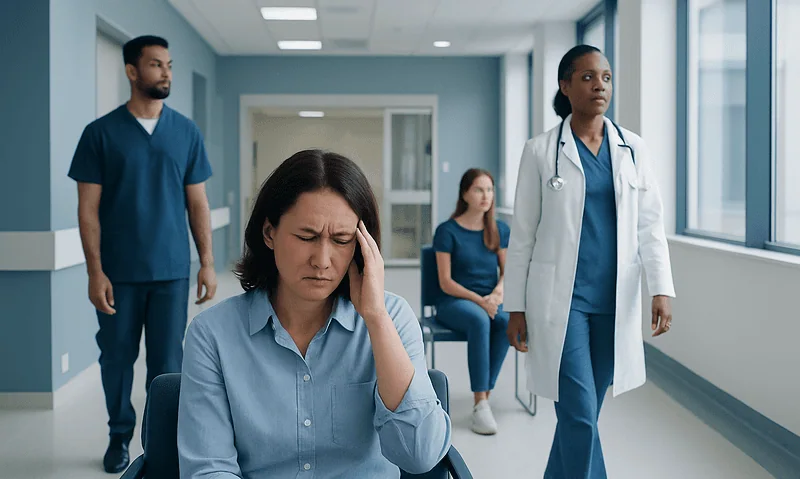
Neurostimulation Explained: Types, Uses, and Expected Benefits

Neurostimulation delivers mild electrical impulses to nerves, the spinal cord, or certain brain regions to modify abnormal signaling. Different types are used for different conditions, including chronic pain, Parkinson’s disease, epilepsy, bladder dysfunction, and some headache disorders.
Key Takeaways
- Neurostimulation delivers mild electrical impulses to nerves, the spinal cord, or certain brain regions to modify abnormal signaling.
- Different types are used for different conditions, including chronic pain, Parkinson’s disease, epilepsy, bladder dysfunction, and some headache disorders.
- Many neurostimulation treatments are considered only after a careful specialist evaluation and when conservative options have not worked well enough.
- Benefits can include better symptom control, improved daily function, and reduced dependence on some medications in selected patients.
- Treatment plans are individualized, and follow-up is important to adjust settings, monitor results, and address side effects.
Neurostimulation is a form of neuromodulation that uses carefully controlled electrical signals to change how nerves or specific brain areas communicate. It may help reduce symptoms such as chronic pain, tremor, stiffness, or bladder problems when medicines, physical therapy, or other treatments have not provided enough relief.
Overview: what neurostimulation means
Neurostimulation is a medical treatment that uses small electrical impulses to influence the way the nervous system sends signals. It is one form of neuromodulation, a broader term for therapies that change nerve activity in a controlled way. Depending on the condition being treated, the stimulation may be delivered to peripheral nerves, the spinal cord, or specific parts of the brain.
The goal of neurostimulation is not usually to cure the underlying condition. Instead, it is designed to improve symptoms and quality of life by helping the nervous system process signals differently. For example, it may reduce pain messages traveling to the brain, improve movement control in certain neurological disorders, or help regulate organ function such as bladder activity.
Neurostimulation can be noninvasive, minimally invasive, or surgically implanted, depending on the technique. Some systems use external devices placed on the skin, while others involve leads and a small implanted generator. A specialist team decides whether a person is a good candidate based on symptoms, diagnosis, previous treatment response, and overall health.
How neurostimulation works
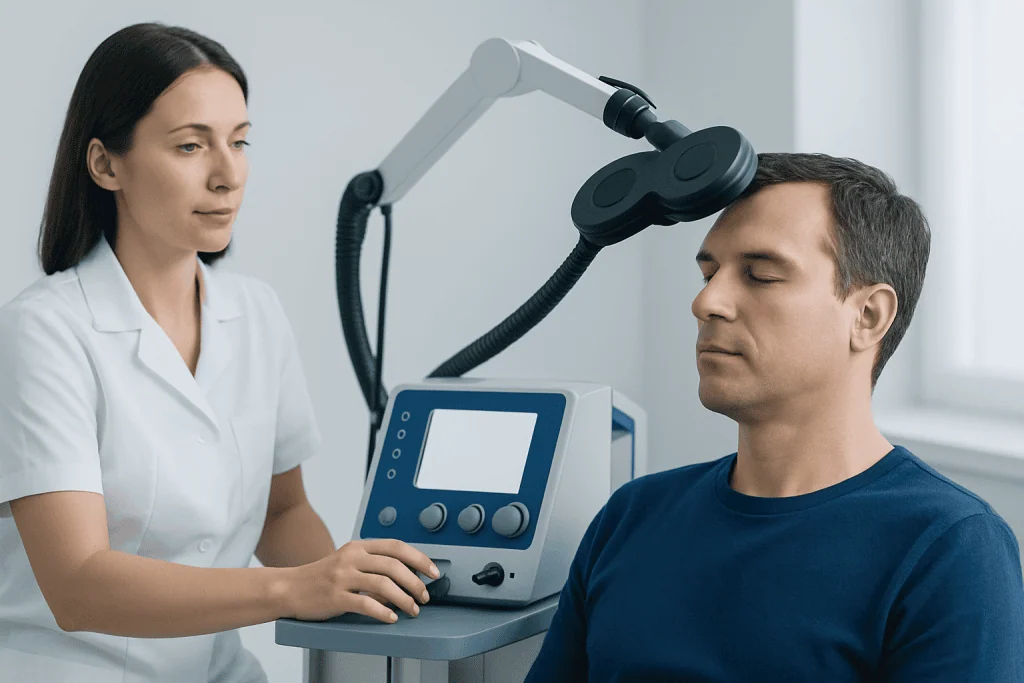
The nervous system relies on electrical and chemical signals to send messages between the brain, spinal cord, nerves, and the rest of the body. In some conditions, these signals become overactive, poorly coordinated, or disrupted. Neurostimulation aims to adjust these abnormal patterns so the body receives more balanced information.
Although the exact effect varies by therapy and condition, the general principle is similar: a device delivers controlled electrical pulses to a target area. These pulses can block pain transmission, interrupt unwanted nerve activity, or support more normal signaling in movement and sensory pathways. Settings such as pulse width, frequency, and intensity are tailored to the individual.
One important point for patients is that neurostimulation is highly personalized. Two people with the same diagnosis may not need the same target, device, or stimulation settings. Follow-up visits are often needed to fine-tune the therapy and achieve the best balance between symptom relief and comfort.
Types of neurostimulation
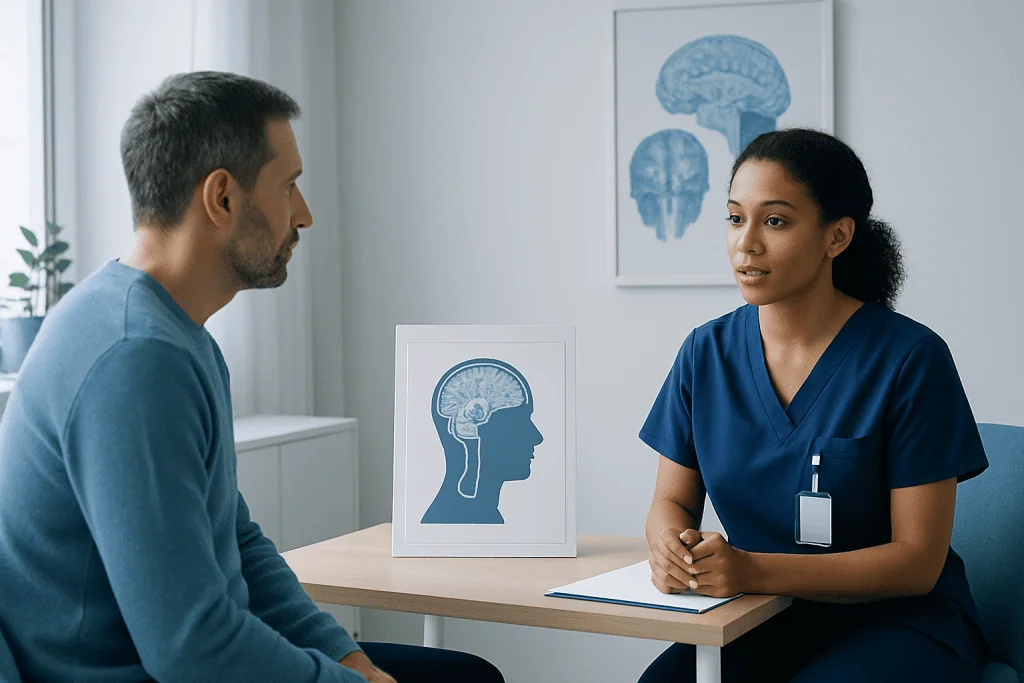
There are several forms of neurostimulation, and each one is used for specific symptoms or conditions. The most suitable option depends on where the problem begins in the nervous system and what treatment goals are most important for the patient.
Common types include:
- Spinal cord stimulation: electrodes are placed near the spinal cord to help reduce certain types of chronic pain, especially nerve-related pain.
- Deep brain stimulation: electrodes are placed in targeted brain regions to help manage conditions such as Parkinson’s disease, tremor, or dystonia. Patients exploring deep brain stimulation usually undergo detailed neurological and imaging evaluation first.
- Peripheral nerve stimulation: small electrodes stimulate a specific nerve linked to pain or other symptoms.
- Vagus nerve stimulation: the vagus nerve is stimulated to help with some cases of epilepsy and other selected disorders.
- Sacral nerve stimulation: nerves that help control the bladder and bowel are targeted in selected urinary or bowel dysfunction.
- Transcutaneous electrical stimulation: external devices deliver impulses through the skin without surgical implantation.
Some methods are reversible and adjustable, which is one reason they may be attractive when medication side effects are difficult or symptoms remain disabling. In carefully selected people with movement disorders such as Parkinson’s disease, neurostimulation can become an important part of long-term symptom management alongside medication and rehabilitation.
What conditions can neurostimulation help treat?
Neurostimulation is used in several medical specialties, especially neurology, pain medicine, neurosurgery, and rehabilitation. It is most often considered when symptoms are persistent, significantly affect daily life, and have not improved enough with standard treatment.
One major use is chronic pain. This may include neuropathic pain, pain after spine surgery, complex regional pain syndrome, and some forms of refractory back or limb pain. In selected patients, therapies such as spinal cord stimulation can help decrease pain intensity and improve function, even if pain does not disappear completely.
Neurostimulation is also used for movement disorders. Deep brain stimulation may help reduce tremor, stiffness, slowness, and medication-related movement fluctuations in some people with Parkinson’s disease. It may also be used for essential tremor or dystonia in appropriate cases. In patients with certain forms of epilepsy, advanced epilepsy treatment options may include neurostimulation when seizures remain difficult to control.
Other applications include selected bladder control problems, bowel dysfunction, and some headache disorders. Research continues in areas such as depression, stroke recovery, and other neurological conditions, but not every use is appropriate or established for routine care. A specialist can explain which indications are well supported and which remain more experimental.
Expected benefits and realistic limitations
The expected benefit of neurostimulation depends on the condition being treated, how symptoms are measured, and how well the chosen target matches the patient’s underlying problem. In general, treatment aims to reduce symptom burden, improve quality of life, and support better daily function rather than provide a guaranteed cure.
For chronic pain, the hoped-for result is often meaningful pain reduction that makes sleeping, walking, sitting, or working easier. For movement disorders, benefits may include smoother movement, less tremor, or more predictable symptom control throughout the day. In some cases, patients may be able to reduce certain medications, but that decision should only be made under medical supervision.
At the same time, neurostimulation has limits. Not everyone responds, and some symptoms may improve more than others. Benefits can take time to optimize, especially when device settings need repeated adjustment. Patients may still need medication, physical therapy, psychological support, or other treatments as part of a broader care plan.
It is also important to understand that no procedure is free of risk. Possible issues vary by device and placement but can include discomfort, infection, lead movement, hardware malfunction, or side effects related to stimulation. Careful selection, skilled implantation, and regular follow-up help lower these risks and support the safest possible treatment course.
How doctors evaluate candidates and make a diagnosis
Before recommending neurostimulation, doctors first confirm the diagnosis and make sure the person’s symptoms fit a condition that may respond to this kind of therapy. The evaluation usually includes a detailed medical history, physical and neurological examination, and review of prior treatments. Specialists also ask about symptom patterns, severity, daily limitations, mood, sleep, and personal treatment goals.
Additional testing depends on the condition. It may include MRI or CT imaging, nerve studies, bladder testing, seizure evaluation, or pain mapping. For some implanted treatments, psychological assessment is also part of the process. This does not mean symptoms are “in the mind.” Rather, it helps the team understand coping style, expectations, and any factors that may affect recovery or device use.
For certain therapies, a trial period may be offered before a permanent implant. This is especially common in some pain-related procedures. During a trial, temporary leads are placed and symptom improvement is monitored for a short time. A good trial response can help predict whether a permanent system is likely to be worthwhile.
Treatment process, recovery, and follow-up care
The treatment process differs by technique. Noninvasive methods may be started in an outpatient setting with little or no recovery time. Implanted systems involve a procedure to place electrodes and, in many cases, a small pulse generator under the skin. The procedure may be done under local or general anesthesia depending on the device and target area.
After implantation, the device is programmed and adjusted over time. Patients are usually given instructions about wound care, activity limits during early healing, and how to use the controller if the system includes one. It is normal for settings to be refined over several visits as the care team looks for the most helpful and comfortable stimulation pattern.
Long-term follow-up is an important part of success. Doctors monitor symptom response, side effects, battery life, and device function. Some systems use rechargeable batteries, while others need replacement procedures after several years. Regular visits also help determine whether additional support such as rehabilitation, medication review, or management of related conditions is needed.
In specialized centers, neurostimulation is often managed by a multidisciplinary team that may include neurologists, neurosurgeons, pain specialists, physiatrists, psychologists, and rehabilitation professionals. Acibadem International’s multidisciplinary specialists and JCI-accredited hospitals diagnose and treat appropriate candidates for neurostimulation, including conditions such as epilepsy and movement disorders, with coordinated care for international patients.
Self-care, preparation, and when to see a doctor
People considering neurostimulation can prepare by keeping a clear symptom diary, listing previous treatments, and noting what affects symptoms during daily life. This information can make specialist consultations more productive and help define realistic goals. It is also helpful to ask about expected outcomes, possible alternatives, follow-up requirements, and any lifestyle considerations such as MRI compatibility or travel with an implanted device.
Self-care remains important before and after neurostimulation. Good sleep, physical activity within one’s limits, rehabilitation exercises, stress management, and careful use of medicines all support overall symptom control. For chronic pain in particular, combining device therapy with physical and psychological support often gives better functional results than relying on one treatment alone.
A doctor should be consulted if pain, tremor, seizures, or bladder symptoms are interfering with daily life despite treatment. Medical review is also important when symptoms are worsening, changing suddenly, or causing falls, weakness, fainting, fever, confusion, or loss of function. People who already have a neurostimulation device should seek prompt advice if they notice redness at the implant site, increasing pain, device failure, or new neurological symptoms.
Frequently asked questions
Is neurostimulation the same as a pacemaker for the brain or nerves?
In simple terms, neurostimulation devices do have a similar idea to a pacemaker because they deliver controlled electrical impulses. However, they are used for different targets and conditions, such as pain pathways, peripheral nerves, the spinal cord, or specific brain regions. The exact technology and purpose depend on the disorder being treated.
Does neurostimulation cure the condition?
Usually, neurostimulation is not considered a cure. Its main role is to reduce symptoms and improve quality of life when other treatments have not been enough. Some people experience major improvement, while others have more modest benefits.
Who is a good candidate for neurostimulation?
A good candidate is typically someone with a confirmed diagnosis, significant symptoms, and insufficient relief from standard treatments. The person also needs to be medically suitable for the procedure or device being considered. Careful specialist assessment is essential because not every type of pain or neurological condition responds well.
Is neurostimulation painful or uncomfortable?
Most people describe the treatment as manageable, though the experience depends on the type of device and whether implantation is required. There can be temporary soreness after procedures, and some stimulation settings may feel unusual at first. Doctors can often adjust the settings to improve comfort.
How long does it take to notice benefits?
Some patients notice changes fairly soon, especially during a trial period or early programming. For others, improvement becomes clearer over several weeks or months as settings are adjusted and the body heals. The timeline varies by condition and device type.
Can a neurostimulation device be removed if it does not help?
Many implanted neurostimulation systems are designed to be adjustable and, if needed, removable. That said, removal is still a medical procedure and should be discussed carefully with the treating team. Whether removal is possible or advisable depends on the device, location, and reason for stopping therapy.
References
- World Health Organization
- National Institute of Neurological Disorders and Stroke
- National Institute for Health and Care Excellence
- International Neuromodulation Society
- American Association of Neurological Surgeons
This article is for general information only and is not a substitute for professional medical advice. Please consult a qualified doctor about your individual situation.
Joint and spine care in Turkey — expert assessment & treatment
JCI-accredited · board-certified surgeons · reply within 24h
Add us as a Preferred Source to see more of our trusted health content across Google Search, AI Overviews and Discover.