Newborn Sleep Specialist: An Evidence-Based Patient Guide

Newborn sleep is irregular because infants have short sleep cycles and need frequent feeds. Safe sleep guidance takes priority over any sleep-training approach in the first months of life.
Key Takeaways
- Newborn sleep is irregular because infants have short sleep cycles and need frequent feeds.
- Safe sleep guidance takes priority over any sleep-training approach in the first months of life.
- A newborn sleep specialist may work alongside a pediatrician, lactation consultant, and other clinicians when needed.
- Persistent feeding difficulty, poor weight gain, breathing changes, fever, or unusual sleepiness require prompt medical evaluation.
- Formal sleep training is generally not appropriate for newborns; responsive settling and predictable day-night cues are more suitable.
A newborn sleep specialist is usually a pediatric clinician or qualified infant sleep professional who helps families understand normal newborn sleep, build safe routines, and recognize concerns that need medical assessment. Most newborn sleep changes are developmental, but feeding, breathing, growth, and comfort should always be considered before behavior-focused sleep advice.
Overview: What Does a Newborn Sleep Specialist Do?
A newborn sleep specialist helps parents and caregivers understand what is typical in early infant sleep and what may need further assessment. Newborns do not yet have a mature day-night rhythm. They commonly sleep in short stretches across the full 24 hours, wake often to feed, and may be more alert during the evening or overnight.
The term can describe different professionals. A pediatrician may assess medical contributors to sleep disruption, such as feeding problems, reflux symptoms, infection, or breathing concerns. Pediatric sleep clinicians may be involved when sleep difficulties are persistent or complex. Some families also consult non-medical infant sleep educators, who can provide routine-based guidance but should not replace medical care.
For a newborn, the goal is not to make sleep follow an adult schedule. The priority is supporting feeding, growth, caregiver wellbeing, and safe sleep. A careful consultation can help families use realistic expectations while avoiding advice that is unsuitable for a young infant.
How Newborn Sleep Usually Works
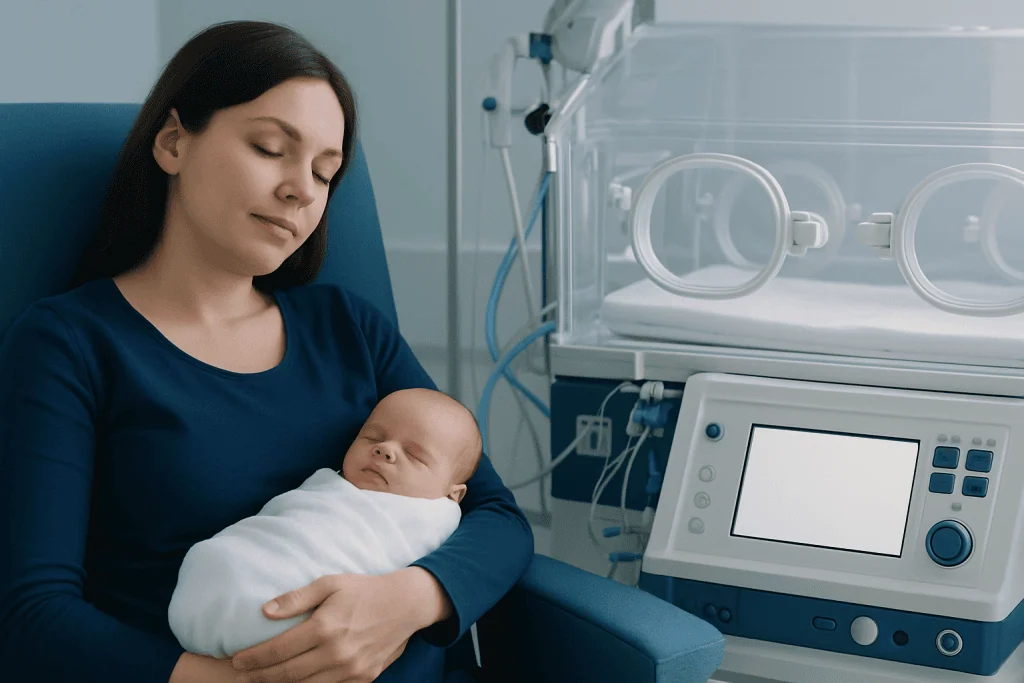
Newborn sleep is biologically different from sleep later in infancy and childhood. In the first weeks, babies often sleep for much of the day but wake frequently because their stomachs are small and they need regular feeds. Sleep may be noisy and active, with brief movements, facial expressions, grunting, or short awakenings that can be normal.
The internal body clock that helps people sleep at night and stay awake in daylight develops gradually. Gentle daytime light exposure, ordinary household activity during the day, and quieter, dimmer care overnight may help reinforce day-night differences over time. However, these measures do not usually create long overnight sleep stretches in a newborn.
Sleep patterns also vary with gestational age, feeding method, health, and temperament. Babies born prematurely may have different sleep and feeding needs according to their corrected age. Families should discuss individualized expectations with their pediatric team, particularly if there are concerns about growth or feeding.
- Frequent waking for feeds is expected in early life.
- Brief, variable naps are common and do not necessarily indicate a problem.
- Newborns often need caregiver support to settle after feeding or waking.
- Sleep patterns can change quickly during growth and developmental transitions.
Who May Benefit From a Newborn Sleep Consultation?

A newborn sleep consultation may be useful when caregivers feel uncertain about normal sleep, struggle to establish safe sleep practices, or are exhausted by frequent waking. It can also help families prepare for common early challenges, including day-night reversal, short naps, frequent soothing needs, and coordinating feeding with sleep.
Before recommending a sleep plan, a qualified clinician considers whether a baby is feeding effectively, gaining weight, having enough wet diapers, and showing normal alertness when awake. The clinician may ask about birth history, prematurity, medications, feeding method, symptoms, sleep location, and caregiver wellbeing. This approach helps distinguish developmental sleep variation from possible medical issues.
Families may especially benefit when the baby has a complex medical history, when a parent has significant anxiety or low mood, or when caregivers are receiving conflicting advice. In these situations, coordinated support from pediatrics, lactation services, and mental health professionals may be appropriate. An individualized plan should always respect the baby’s developmental stage and the family’s circumstances.
What Happens During an Assessment?
A newborn sleep assessment is usually a conversation and clinical review rather than a procedure. The clinician begins by listening to the family’s main concerns and clarifying what a typical 24-hour pattern looks like. A sleep-and-feeding record for several days can be helpful, although it is not essential.
The assessment commonly reviews feeding frequency and duration, signs of milk transfer where relevant, spit-up or vomiting, stool and urine output, weight history, crying patterns, and the baby’s breathing during sleep. The clinician also asks how and where the baby sleeps, including the sleep surface, bedding, swaddling practices, and whether anyone smokes or uses sedating substances around the infant.
When a medical examination is needed, the pediatrician may assess growth, hydration, breathing, heart rate, and general wellbeing. Further tests are not routinely necessary for typical newborn sleep. They may be considered only if symptoms or examination findings suggest a specific health concern, such as a respiratory, feeding, or neurological problem.
At the end of the visit, the family should receive clear, practical advice. This may include safe sleep guidance, realistic feeding-and-sleep expectations, age-appropriate settling techniques, and a plan for follow-up if symptoms change.
Support Strategies, Benefits, and Limits
Newborn sleep support focuses on responsive care rather than formal sleep training. Helpful measures may include offering feeds as advised by the baby’s clinician, keeping nighttime interactions calm and low-stimulation, exposing the baby to daylight during waking periods, and using a simple, repeatable bedtime sequence such as feeding, a diaper change, quiet holding, and placement in a safe sleep space when drowsy or asleep.
Safe sleep is central. Babies should be placed on their backs for every sleep on a firm, flat, separate sleep surface designed for infants. The sleep area should be free of pillows, loose blankets, toys, bumpers, nests, and positioners. Room-sharing without bed-sharing is generally recommended during early infancy. Caregivers should follow local public-health guidance and discuss special circumstances with a pediatric clinician.
The benefits of specialist guidance can include improved confidence, safer sleep arrangements, more consistent caregiver responses, and earlier recognition of medical concerns. It cannot guarantee that a newborn will sleep for long uninterrupted periods. Frequent waking is often a normal and necessary part of early development.
Potential risks mainly arise from inappropriate advice. Programs that encourage prolonged crying, delayed feeds, unsafe sleep devices, or adult beds for newborn sleep may be unsuitable or unsafe. Families should seek advice from a qualified health professional when unsure, especially before changing feeding or sleep practices.
Recovery Timeline and What to Expect Over Time
There is no recovery period after a newborn sleep consultation. Instead, families typically make gradual adjustments and observe patterns over days to weeks. Early improvements may involve a calmer nighttime environment, safer sleep arrangements, or a more predictable sequence of care rather than a dramatic reduction in waking.
As the baby grows, sleep often becomes more organized, but the timing varies widely. Developmental changes, feeding needs, illness, travel, vaccinations, and family routines can all temporarily affect sleep. A plan that works one week may need adjustment as the baby’s needs change.
Follow-up is useful if the original concern persists, caregivers are becoming overwhelmed, or there are new symptoms. Families should avoid comparing their newborn closely with another baby, because normal sleep development has a broad range. The best measure of progress is whether the infant is safe, feeding and growing appropriately, and receiving responsive care.
When to Seek Medical Care
Parents should contact a pediatric clinician promptly if a newborn is difficult to wake for feeds, feeds poorly, has fewer wet diapers than expected, vomits repeatedly or forcefully, or is not gaining weight as expected. These signs may reflect a feeding or health issue rather than a sleep problem and should be assessed directly.
Urgent medical care is needed for breathing difficulty, bluish or gray skin color, pauses in breathing, a seizure-like episode, or a newborn fever. In babies younger than 3 months, a rectal temperature of 38°C (100.4°F) or higher requires prompt medical evaluation. Caregivers should also seek urgent advice if they feel that the baby is seriously unwell, even when a specific symptom is unclear.
Persistent loud snoring, recurrent choking, marked discomfort during feeds, or unusual body stiffening should be discussed with a doctor. These symptoms may have several causes and cannot be diagnosed through sleep coaching alone. Families can learn more about related pediatric concerns through pediatric sleep disorders and infant reflux resources when these topics are relevant.
Acibadem International’s multidisciplinary specialists and JCI-accredited hospitals can assess sleep-related concerns alongside feeding, growth, and pediatric health needs for international patients. A pediatric evaluation remains the appropriate first step when newborn sleep concerns are accompanied by possible medical symptoms.
Frequently asked questions
Is a newborn sleep specialist a doctor?
Not always. The term may refer to a pediatrician, pediatric sleep clinician, nurse, lactation professional, or a non-medical infant sleep educator. For a newborn with feeding, growth, breathing, or health concerns, a pediatric clinician should be involved.
Can newborns be sleep trained?
Formal sleep-training methods are generally not recommended for newborns. Newborns need frequent feeding and responsive care, and their sleep-wake rhythms are still developing. Support usually focuses on safe sleep, gentle routines, and realistic expectations.
How much sleep does a newborn need?
Newborns often sleep for much of the 24-hour day, but the total and pattern vary considerably. They usually sleep in short periods and wake frequently to feed. A pediatrician can advise whether an individual baby’s sleep and feeding pattern is appropriate.
Should a newborn be woken to feed?
Some newborns need to be woken for feeds, particularly in the early weeks or if they were premature, have jaundice, or are not yet gaining weight reliably. The baby’s pediatrician or feeding clinician should provide individualized guidance. Once growth is well established, recommendations may change.
What is the safest sleeping position for a newborn?
For every sleep, babies should be placed on their backs on a firm, flat sleep surface designed for infants. The sleep space should be clear of loose bedding, pillows, toys, and soft items. Parents should follow current local safe-sleep recommendations.
When is newborn sleepiness a concern?
Sleepiness can be normal, but concern is warranted if the baby is unusually hard to wake, repeatedly misses feeds, feeds weakly, or has fewer wet diapers than expected. Newborns with fever, breathing changes, blue or gray color, or signs of illness need urgent medical assessment. Caregivers should trust their instincts and seek advice if the baby seems unwell.
References
- American Academy of Pediatrics
- Centers for Disease Control and Prevention
- National Institute of Child Health and Human Development
- American Academy of Sleep Medicine
This article is for general information only and is not a substitute for professional medical advice. Please consult a qualified doctor about your individual situation.
Explore treatments in Turkey — costs, top hospitals & a free quote
JCI-accredited · board-certified surgeons · reply within 24h
Add us as a Preferred Source to see more of our trusted health content across Google Search, AI Overviews and Discover.
Check your numbers in seconds
BMI, calories, due date, blood pressure and 30+ more clinical calculators — free, instant, doctor-reviewed ranges.